World Current Affairs- January to June, 2025

The United Nations has declared 2025 as the International Year of Glaciers’ Preservation.

Poland takes over the Presidency of the Council of the European Union, after the Hungarian presidency

Bulgaria and Romania complete the process of joining the Schengen Area, lifting land border controls. The first country to legalize same-sex marriage was the Netherlands, which did so on April 1, 2001

The reports have raised alarm over Chronic Wasting Disease (CWD), also known as “zombie deer disease,” and its potential to jump to humans.

Greater Los Angeles experiences the most destructive wildfires in its history, fuelled by strong winds and prolonged drought conditions. A firenado is a fire whirl, defined as a spinning column of hot air and gases rising from a fire. It can vary in size, with diameters ranging from less than one foot to over 500 feet. This was seen during the wildfire in LA.

Indonesia becomes the tenth member to join BRICS. The BRICS economic partnership currently includes 10 member countries: Brazil, Russia, India, China, South Africa, Egypt, Ethiopia, Iran, Indonesia, and the United Arab Emirates. BRICS was initially formed by Brazil, Russia, India, and China, with South Africa joining later.

Mount Ibu, located in North Maluku, Indonesia, erupted, sending ash clouds up to 3 kilometres high.

The President of South Korea, Yoon Suk Yeol, is successfully arrested after a second attempt by police following a martial law declaration and successful impeachment motion last December.

Thailand Banned Plastic Waste Imports in 2025

The World Economic Forum (WEF) hosted Annual Meeting from January 20 to 24, 2025, in Davos, Switzerland.  The WEF was founded in 1971 by Klaus Schwab, a German professor.

The Extraordinary African Union Summit on the Comprehensive Africa Agriculture Development Program (CAADP) concluded in Kampala, Uganda, on January 11, 2025.

Germany reported its first outbreak of foot and mouth disease (FMD) in nearly 40 years.

The government of Trinidad and Tobago has declared a state of emergency due to increase in violence.

In early January 2025, US President-elect Donald Trump announced plans to rename the Gulf of Mexico to the “Gulf of America”

The President of South Korea, Yoon Suk Yeol, is successfully arrested after a second attempt by police following a martial law declaration and successful impeachment motion last December.

Storm Éowyn hits Ireland and the United Kingdom. Record high wind speeds of 183 km/h (114 mph) are recorded in Ireland, while over a million homes are left without power.

Liechtenstein becomes the 37th country to legalize same-sex marriage.

Thailand becomes the 38th country and the first in Southeastern Asia to legalize same-sex marriage.

Global technology shares outside China fall sharply in response to the release of DeepSeek’s chatbot, a Chinese competitor to OpenAI’s ChatGPT. Chip giant Nvidia loses almost $600 billion of its value, the biggest drop for a single company in U.S. stock market history.

Africa Energy Summit took place in Dar es Salaam, Tanzania

The incumbent People’s Action Party led by Lawrence Wong wins re-election in a landslide, retaining a supermajority government

President Donald Trump unveiled Project Stargate, an initiative aimed at establishing a robust artificial intelligence (AI) infrastructure in the United States.

Ahmed al-Sharaa is appointed as the president of Syria, after a one-month vacancy following the fall of the Assad regime.

Nigeria was officially admitted as a partner country of the BRICS group

Konstantinos Tasoulas is elected President of Greece by the Hellenic Parliament after four rounds in the 2025 Greek presidential election

Klaus Iohannis resigns as President of Romania, making him the first Romanian president to do so post-revolution

Mahamoud Ali Youssouf is elected as the chairperson of the African Union Commission

Vladimir Putin announces that Russia and the United States have officially agreed to restore diplomatic relations. A four-hour summit between the US and Russia is held in Saudi Arabia

Croatia completes the process of joining the European Economic Area

Firefly Aerospace becomes the first commercial company to successfully land on the Moon with no technical issues, with its Blue Ghost Mission 1

2025 Australian federal election: The incumbent Labor Party led by Anthony Albanese wins re-election, increasing their majority

The 2025 Special Olympics World Winter Games is held in Turin, Italy

2025 Liberal Party of Canada leadership election: After Justin Trudeau resigned as Canada’s prime minister in January, former governor of the Bank of Canada Mark Carney becomes the leader of the Liberal Party of Canada, becoming the Prime Minister of Canada five days later. The next month in April, the Liberal Party wins a fourth consecutive re-election and forms a minority government.

Balochistan Liberation Army militants blow up railway tracks and hijack the Jaffar Express train bound from Quetta to Peshawar, taking 450 people hostages including both security personnel and civilians

Keith Rowley resigns as Prime Minister of Trinidad and Tobago after nine years in office, and is succeeded by Stuart Young

Kirsty Coventry is elected as the 10th, first female and African President of the International Olympic Committee in the first round of voting in the 144th IOC Session

A 7.7-magnitude earthquake occurs in Myanmar, resulting in thousands killed and more than 20,000 injured

Fram2 launches aboard a SpaceX Falcon 9 rocket, becoming the first crewed spaceflight to enter a polar retrograde orbit

Pope Francis, head of the Catholic Church since 2013, dies at the age of 88. World leaders pay tribute. Many countries have declared national mourning

133 cardinal electors elect Robert Francis Prevost as Pope Francis’s successor, on the fourth ballot. He takes the name Pope Leo XIV, and becomes the first pope from North America, the first with Peruvian or U.S. citizenship, and the first from the Order of Saint Augustine

Operation Spiderweb: Ukraine launches a large drone attack on Russian military bases. More than 40 aircraft of the Russian Air Force are attacked

The 2025 IIHF World Championship (Hockey) is held in Stockholm, Sweden, and Herning, Denmark, and is won by the United States

2025 German federal election: Friedrich Merz is elected Chancellor of Germany in the second round of parliamentary voting, hours after being defeated in the first round, a first in post-WWII German history

2025 South Korean presidential election: After being pushed forward as a result of the impeachment of Yoon Suk Yeol, Lee Jae Myung wins the election, beating Kim Moon-soo

The 2025 FIFA Club World Cup is held in the United States, and is won by Chelsea

The No Kings protests occur across many cities in the U.S., as well as Canada, Europe, Japan and Mexico, against Donald Trump

The 51st G7 summit is held in Kananaskis, Canada

A NATO summit is held at the World Forum in The Hague, Netherlands. The NATO summit of 2025 marked shift in defence policy and international relations. Under the leadership of President Donald Trump, NATO members agreed to a controversial target of 5% of their GDP for defence spending. This decision has far-reaching implications for the alliance and its approach to global security.

Neuralink, a neurotechnology company founded by Elon Musk, has made strides in restoring communication for individuals with severe speech impairments. Recently, the US Food and Drug Administration (FDA) granted the company a Breakthrough Device Designation for its innovative brain-chip technology.

The International Thermo-Nuclear Experimental Reactor (ITER) aims to demonstrate nuclear fusion as a viable energy source. Located in Southern France, it brings together over 30 countries, including India, to build the world’s largest tokamak. This magnetic fusion device is designed to replicate the fusion processes that power the Sun

The UN recently released the State of the World’s Indigenous Peoples Report. It reveals that Indigenous Peoples represent about six per cent of the global population. However, they protect approximately 80 per cent of the planet’s remaining biodiversity. Despite this, they receive less than 1% of international climate funding. This situation raises urgent questions about equity and inclusion in climate action

The World Social Report is published by the United Nations Department of Economic and Social Affairs. It was co-produced with the United Nations University World Institute for Development Economics Research (UNU-WIDER). The report serves as a key document for discussing socio-economic issues at the intergovernmental level. The World Social Report 2025 reveals a troubling increase in economic insecurity and inequality. More than a third of the global population struggles with daily income levels that barely sustain them. The report urges immediate action to address these challenges, advocating for a new policy framework based on equity, economic security, and solidarity

Recently, Pakistan announced the suspension of the Cholistan Canal Project due to escalating tensions with India and growing internal dissent. This decision followed India’s unilateral move to hold the Indus Waters Treaty (IWT) in abeyance. The Cholistan Canal Project is part of Pakistan’s Green Pakistan Initiative, aimed at transforming the Cholistan Desert into arable land. The project includes the construction of six canals to irrigate over 1.2 million acres in southern Punjab. It is expected to enhance food security, create jobs, and develop agricultural hubs. The project is backed by the Pakistan Army and aims to increase agricultural productivity

Recently, Mexico and the United States reached a critical agreement concerning water distribution from the Rio Grande basin. This agreement comes after rising tensions, including threats from U.S. President Donald Trump regarding tariffs and sanctions. The deal mandates Mexico to transfer additional water to Texas farmers

Uturuncu, located in the Central Andes of Bolivia, is often referred to as a “zombie” volcano. Despite being dormant for 250,000 years, it exhibits signs of unrest. Recent studies reveal that this unrest is linked to the movement of magma and gases beneath the surface

Project SeaCURE is a pioneering initiative based on England’s south coast, aimed at enhancing the ocean’s role in combating climate change. Launched in Weymouth, this pilot project seeks to extract carbon dioxide (CO₂) directly from seawater. Funded by the UK government, it explores innovative technologies to improve the ocean’s capacity as a carbon sink

Recently, the manuscripts of the Bhagavad Gita and Bharata’s Natyashastra were added to UNESCO’s Memory of the World Register. This recognition marks their significance in preserving cultural heritage

UNCTAD recenty released a report titled “Trade and Development Foresights 2025 – Under Pressure: Uncertainty Reshapes Global Economic Prospects”. According to the report, growth is expected to decline to just 2.3 per cent. This marks a stark contrast to pre-pandemic growth rates. Various factors contribute to this downturn, including rising trade tensions, financial volatility, and increasing uncertainty

Mount Spurr, situated near Anchorage, Alaska, is currently under scrutiny due to increased volcanic activity. A recent swarm of earthquakes has raised alarms among scientists and residents alike. The Alaska Volcano Observatory (AVO) has reported over 50 seismic events in just one week, indicating magma movement beneath the volcano

Sudan is currently facing the world’s largest humanitarian crisis. The ongoing civil war, which began in April 2023, has led to extreme hunger affecting nearly half of the population. Over 25 million people are in dire need of assistance. The conflict has resulted in widespread displacement, with millions fleeing their homes. Women and girls are particularly vulnerable, facing increased risks of gender-based violence and severe food insecurity

Recently, the U.S. House of Representatives passed the SAVE Act. This act mandates proof of U.S. citizenship for voter registration. Advocated by Republicans, it aims to prevent noncitizen voting. Voting rights groups argue this could disenfranchise millions of eligible voters. The legislation has sparked debate about voting rights and access. he SAVE Act, or Safeguard American Voter Eligibility Act, was introduced to address concerns about noncitizen voting. Supporters claim it is necessary to ensure the integrity of elections

Recently, Japan’s West Japan Railway Company revealed the world’s first 3D-printed train station in Arida town

Recently, Bangladesh became the 54th nation to sign the Artemis Accords. The Artemis Accords aim to establish guidelines that ensure peaceful and cooperative exploration of outer space

The European Space Agency (ESA) launched its Biomass mission, aimed at mapping the world’s forests

Morocco has initiated project known as the “water highway” to address its pressing water crisis. The project redirects surplus water from the Sebou River to supply drinking water to Rabat and Casablanca. This initiative comes in response to severe water shortages exacerbated by climate change and prolonged drought

Iran’s Parliament voted to suspend all cooperation with the International Atomic Energy Agency (IAEA). This decision came after military strikes by the US and Israel on Iranian nuclear sites. The legislation marks a very important moment in the ongoing Iran-Israel conflict and raises concerns regarding nuclear proliferation

The GENIUS Act Bill was passed by the US Senate in June 2025. This bill aims to regulate stablecoins, which are cryptocurrencies backed by reserves. The passage signifies a major shift in the US government’s approach to digital assets. The bill’s approval has led to a notable increase in the market capitalisation of stablecoins and the shares of cryptocurrency firms

The Bonn Climate Change Conference is a very important annual event under the United Nations Framework Convention on Climate Change (UNFCCC). This conference serves as an essential platform for climate negotiations and discussions. The 2025 conference commenced on June 16 and will conclude on June 26. Over 5,000 representatives from governments, Indigenous groups, international organisations, scientists, and civil society are participating. This year’s agenda includes discussions on financing climate action and the Global Goal on Adaptation

The Nuvvuagittuq Greenstone Belt in Canada has gained attention for potentially housing the oldest known rocks on Earth. Recent research indicates these rocks may date back to 4.16 billion years, offering vital information about the planet’s early history

Gold has officially become the second-largest global reserve asset, surpassing the euro, as revealed by a recent European Central Bank (ECB) report

In a move that has sparked national and international attention, Bangladesh’s interim government led by Prof. Mohammed Yunus has officially dropped the title of ‘Father of the Nation’ for Sheikh Mujibur Rahman in a revised version of the Liberation War Act, issued on June 3, 2025. This revision, coupled with the earlier release of new currency notes excluding Mujib’s image, marks a historic shift in the country’s political and symbolic landscape

In a significant political development amid the ongoing Russia-Ukraine conflict, Yuliia Svyrydenko, former Economy Minister and a key figure in negotiating Ukraine’s mineral deal with the United States, was appointed as the new Prime Minister of Ukraine

In a landmark resolution, the United Nations General Assembly has declared 2026 as the International Year of the Woman Farmer to acknowledge and amplify the crucial role played by women in global agriculture

Germany unseated Japan as the world’s largest creditor nation in 2024, marking the end of Japan’s 34-year reign

Luís Montenegro returned to power as Portugal’s Prime Minister after his coalition, the Democratic Alliance, secured the most seats in the recent elections

Veteran mountaineer Kami Rita Sherpa from Nepal once again made history by conquering Mount Everest for a record-breaking 31st time

The United Kingdom has formally agreed to return the sovereignty of the Chagos Archipelago, including Diego Garcia, to Mauritius under a historic bilateral agreement

Denmark launched the world’s first large-scale commercial plant producing e-methanol, a sustainable fuel derived from renewable energy and captured carbon dioxide

Bhutan has unveiled a revolutionary crypto-based tourism payment system in collaboration with Binance Pay and DK Bank, making it the first country in the world to officially embed cryptocurrency into its national tourism services

Iranian authorities have confirmed that Russia will construct eight nuclear reactors across Iran, reinforcing a long-standing energy partnership

Sri Lanka observed Poson Poya, a revered Buddhist festival marking the historic arrival of Buddhism on the island more than two millennia ago

In a landmark decision reflecting the evolving dynamics of the intelligence community, the United Kingdom has appointed Blaise Metreweli as the first woman to lead its foreign spy agency, MI6

Zero Discrimination Day, observed annually on March 1, promotes the right of every individual to live with dignity and equality, free from discrimination. Initiated by UNAIDS in 2014, this day highlights the importance of inclusion, compassion, and peace while addressing various forms of discrimination, particularly against marginalized communities. The 2025 theme is We Stand Together and it underscores the role of community-led initiatives in sustaining the HIV response and global health efforts

NASA’s SPHEREx telescope was launched on February 27, 2025. This mission aims to create the most detailed and colourful map of the universe ever

The World Government Summit (WGS) 2025 commenced on February 10, 2025, in Dubai, UAE. This 12th edition of the summit is centred around the theme “Shaping Future Governments”. It has garnered unprecedented international participation, featuring over 30 heads of state and more than 400 ministers

NASA’s mission Pandora aims to study the atmospheres of distant exoplanets. With the James Webb Space Telescope (JWST) facing overwhelming demand for observation time, Pandora will fill a critical gap

China’s Chang’e-7 mission launched in 2025 aims to investigate the Moon’s south pole for potential water resources

Recently, New Zealand ‘s Mount Taranaki, also known as Taranaki Maunga, was officially recognised as a legal person. This landmark decision acknowledges the mountain’s significance to Indigenous Māori people, granting it all the rights and responsibilities of a human being

The Abel Prize for mathematics was awarded to Masaki Kashiwara in 2025. The 78-year-old Japanese mathematician received this honour for his contributions to algebraic analysis and representation theory. The Norwegian Academy of Science and Letters recognised his work in developing D-modules and discovering crystal bases. This award marks the importance of mathematics in advancing scientific knowledge

Noma, also known as cancrum oris, is a severe, gangrenous disease primarily affecting children aged 2 to 6 years. It is classified as a neglected tropical disease by the World Health Organization (WHO) as of December 2023. Noma is most prevalent in sub-Saharan Africa but has also been reported in parts of Asia and the Americas. The disease is characterised by rapid progression, often leading to severe disfigurement and social stigma

Recently, the United States continues to grapple with trade deficit. In 2024, the trade deficit exceeded $1 trillion for the fourth consecutive year

Günter Blöschl, a renowned hydrologist, has been awarded the prestigious Stockholm Water Prize in 2025. This recognition marks his contributions to flood risk management and water resource engineering

In the 2025 report, Finland leads the rankings, followed by Denmark, Iceland, and Sweden. Israel ranks eighth despite ongoing conflicts. Costa Rica and Mexico enter the top ten for the first time, ranking sixth and tenth respectively. The United States has dropped to its lowest position at 24, while the United Kingdom ranks at 23. Afghanistan remains the unhappiest country, followed by Sierra Leone and Lebanon. India ranks 118 out of 147 countries in the 2025 report. While it scores well on social support due to its community-focused culture, it struggles with perceptions of freedom. The World Happiness Report 2025 was published by the Wellbeing Research Centre at the University of Oxford

The World Meteorological Organization (WMO) recently released the State of Climate 2024 report. It revealed that carbon dioxide (CO2) levels reached 420 parts per million in 2023. This is the highest concentration in the last 800,000 years

Recently, France made breakthrough in clean energy with the discovery of a vast reserve of natural hydrogen in Folschviller, Moselle. This reserve is estimated to contain 46 million tons of “white hydrogen,” a naturally occurring gas that offers a sustainable alternative to traditional hydrogen production methods

The Five Eyes intelligence alliance is facing unprecedented challenges. Formed during World War II, it includes the United States, United Kingdom, Canada, Australia, and New Zealand. Recent shifts in US foreign policy under Donald Trump have disrupted long-held assumptions about the alliance. This situation has raised concerns about the future of intelligence sharing and collaboration among these nations

The Syrian conflict has escalated dramatically in recent years. Following the rise of a new government in December 2024, violence erupted, resulting in over 1,000 deaths in just two days. The new regime, which emerged after the ousting of long-time leader Bashar al-Assad, is reportedly targeting the Alawite community. This group, historically aligned with the Assad regime, now faces severe consequences due to its perceived loyalty to the former government

The Cairo Declaration emerged from an Emergency Summit of the Arab League held on March 4, 2025. This summit adopted a $53-billion plan for Gaza’s reconstruction, marking collective Arab response to the humanitarian crisis following the Israel-Hamas conflict. The plan aims to establish a comprehensive strategy for Gaza’s future, contingent on the full implementation of a ceasefire agreement

The rhino census in Nepal, conducted every five years, is now in jeopardy. The suspension of USAID funding has created a financial crisis for the Department of National Parks and Wildlife Conservation. This department relies on various partnerships to carry out the census. The last census took place in 2021 and indicated a population of 752 one-horned rhinos in the country

On March 2, 2025, Firefly Aerospace successfully landed its spacecraft, Blue Ghost Mission 1, on the Moon. This marks only the second private mission to achieve a lunar landing and the first to do so upright. This milestone reflects the growing trend of commercial space exploration and NASA’s collaboration with private companies

Recently, President Donald Trump signed an executive order establishing English as the official language of the United States. This marked a historical shift, as the US had never designated an official language since its founding
Election- Democracy in India- Interesting Facts

The EVM was designed by a team led by A.G. Rao and Ravi Poovaiah, professors at IIT Bombay. The system was developed for the Election Commission of India by state-owned Electronics Corporation of India (ECIL) and Bharat Electronics Ltd (BEL). Starting in the late 1990s, they were introduced in Indian elections in a phased manner.

The EVMs were first trialled in May 1982 in the by-election to Paravur assembly constituency in Kerala in a limited number of polling stations.

In 1998, the machines were used on an experimental basis across 25 state assembly constituencies during the assembly elections in Rajasthan, Madhya Pradesh and Delhi.

In May 2001, EVMs were used in all constituencies for the state assembly elections in Tamil Nadu, Kerala, Puducherry and West Bengal. In 2004, in the General Election, the EVMs were used in all 543 Parliamentary Constituencies for the first time. Since the time, all state assembly and parliamentary elections are held using the EVMs.

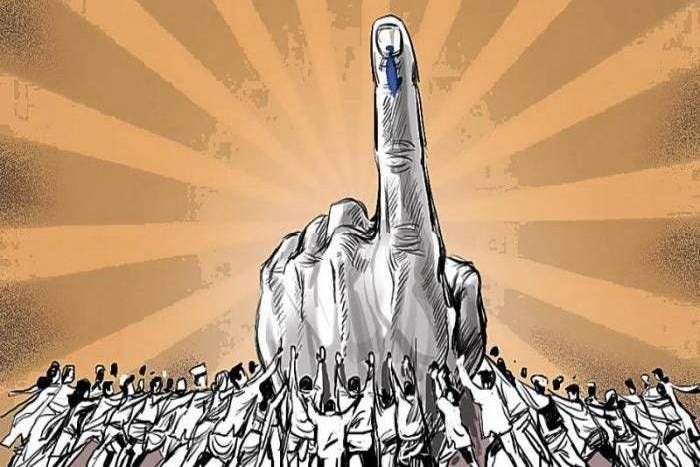
Speaking about innovative solutions, the photosensitive indelible ink was developed to mark the fingers of those who cast their vote, to prevent electoral fraud like double voting. To this day, the special formula to create this ink has not been made public. Research into indelible ink was commenced by the Council of Scientific and Industrial Research (CSIR). In the 1950s, M. L. Goel worked on this research at the Chemical Division of the National Physical Laboratory of India. The ink used contains silver nitrate, which makes it photo-sensitive.

Chaudhary Charan Singh was the only PM of India who did not face the parliament.

Morarji Desai was the oldest PM of India at the time of taking oath (84 years) and he was the first PM to resign. He ws also the first non-Congress PM of India.

BR Ambedkar was defeated in the 1951 LS Election.

Bhairon Singh Shekhawat was the first Vice-President to resign. Jagdeep Dhankhar was the second.

VP Singh was the first PM to step down after facing no confidence motion.

The only person who worked twice as the Acting Prime Minister for 13 days each – Gulzarilal Nanda.

The original name of Lal Bahadur Shastri was Lal Bahadur Varma. He got the surname Shastri (Scholar) after passing out from Kashi Vidyapeeth in Varanasi.

Indira Gandhi was the first person who belonged to Rajya Sabha during nomination as Prime Minister.

Rajiv Gandhi was Pilot by profession. He was the youngest ever Prime Minister of India. He was sworn in as Prime Minister the same day when Indira Gandhi was assassinated.

P V Narsimha Rao was the first Prime Minister from non-Hindi belt (South India).

P V Narsimha Rao was the only PM who was multilinguist and knew and speak 14 languages – Marathi, Hindi, Oriya, Bengali, Gujrati, Tamil, Urdu, English, French, Arabic, Spanish, German and Parsian apart from mother tongue Telugu.

First visually impaired person to become member of parliament – Sadhan Gupta. He belonged to CPI(M) from West Bengal.

The Delimitation Commission, set up under the Delimitation Act, 2002, was entrusted with the task of readjusting all parliamentary and assembly constituencies in the country in all the states of India, except the state of Jammu and Kashmir, based on population ascertained in 2001 Census.

Atal Bihari Vajpayee was the first parliamentarian to give a speech in Hindi to the United Nations General Assembly.

Between 1952 and 2020, two seats were reserved in the Lok Sabha for members of the Anglo-Indian community. They were nominated by the President of India on the advice of the Government of India. In 2020, it was abolished under the 104th Constitutional Amendment Act, 2019.

Lok Sabha constituency in India in terms of number of electors.

Largest: Malkajgiri

State/UT: Telangana

Smallest: Lakshadweep

State/UT: Lakshadweep

Lok Sabha constituency in India in terms of area.

Largest: Ladakh

Smallest: Chandni Chowk

Parliament Library is the second largest library in India after National Library of Belvedere Estate, Kolkata. Parliament library was founded in year 1921.

The old Parliament building was designed by Edwin Lutyens and Herbert Baker and was inaugurated by Lord Irvin, the then Governor General of India in 1927.

Narendra Modi was born in the year India became a Republic, 1950.

in 1980, Dr Prannoy Roy and Ashok Lahiri conducted the first exit poll for India Today magazine, which they repeated during the 1984 election. In 1996, an exit poll was conducted by Doordarshan, by journalist Nalini Singh, with the fieldwork and data gathering carried out by Centre for the Study of Developing Societies (CSDS).

The first IAS officer to become a Member of Parliament (MP) was Yashwant Sinha. He served as an IAS officer before resigning to enter politics and later became an MP. He served as the Minister of Finance from 1990 to 1991 and again from 1998 to 2002, and also as the Minister of External Affairs from 2002 to 2004.

In November 2013, NOTA was introduced in five state elections. Even if the number of electors opting for the NOTA option is more than the number of votes polled by any of the candidates, the candidate who secures the largest number of votes has to be declared elected.

Postal voting in India is done only through the “Electronically Transmitted Postal Ballot Papers (ETPB)” system of the Election Commission of India, where ballot papers are distributed to the registered eligible voters, and they return the votes by post. When the counting of votes commences, these postal votes are counted before those from the Electronic Voting Machines.

During the first election, India’s population was 36 Crore out of which 17.3 crore had the right to vote and the voter turnout was 45.7%

There were 489 seats in the first LS Election. The number of constituencies was increased to 543 in 1977.

The Indian Constitution’s 61st Amendment lowered the age of majority from 21 to 18 for voting in the Lok Sabha and Legislative Assemblies. The Constitution (61st Amendment) Act, 1988, amended Article 326 of the Indian Constitution.

n the 2014 general election, VVPAT was operational in 8 constituencies (Lucknow, Gandhinagar, Bangalore South, Chennai Central, Jadavpur, Raipur, Patna Sahib and Mizoram) as a pilot project.

 The last election in India cost around Rs 1 Lakh crore in comparison to a meagre Rs 38 Crore in the first election in 1951.

Cryptocurrency

Cryptocurrency is a form of digital currency that uses cryptography to secure transactions and control the creation of new units. Bitcoin, launched in 2009, was the first widely adopted cryptocurrency. Unlike regular currencies which are issued by central banks, cryptocurrencies operate independently of any central authority. The transactions are recorded on a decentralised public ledger called the blockchain.

Types of Cryptocurrencies

Cryptocurrencies can be categorized based on their purpose and functionality. The main types include:

Bitcoin (BTC)

The first and most well-known cryptocurrency. Primarily used as a digital store of value and a medium of exchange. Often referred to as “digital gold.”

Altcoins (Alternative Coins)

Cryptocurrencies other than Bitcoin, often developed to improve or offer different features. Examples include:

Ethereum (ETH): Focused on smart contracts and decentralized applications (dApps).

Litecoin (LTC): Known for faster transaction speeds than Bitcoin.

Ripple (XRP): Designed for fast, low-cost international payments.

Stablecoins

Cryptocurrencies pegged to stable assets like fiat currency or commodities (e.g., USD or gold) to reduce price volatility.

Examples: Tether (USDT), USD Coin (USDC), DAI.

Utility Tokens

Used within specific platforms to access services, pay fees, or participate in network governance.

Examples: Binance Coin (BNB), Chainlink (LINK).

Security Tokens

Represent ownership of an asset, such as real estate or stocks, and are subject to securities regulations.

Examples: Tokens issued during security token offerings (STOs).

Privacy Coins

Focus on anonymous transactions by concealing user identities and transaction details.

Examples: Monero (XMR), Zcash (ZEC).

Meme Coins

Cryptocurrencies inspired by internet memes or jokes, often speculative and community-driven.

Examples: Dogecoin (DOGE), Shiba Inu (SHIB).

Governance Tokens

Allow holders to vote on decisions regarding the development and management of a blockchain or decentralized application.

Examples: Uniswap (UNI), Aave (AAVE).

Central Bank Digital Currencies (CBDCs)

Digital currencies issued by central banks, representing fiat currencies in a digital format.

Examples: Digital Yuan (China), e-Krona (Sweden).

Impact

Bringing the next level of globalisation as the cryptocurrency is digital currency and easily available across the international borders.

Emergence of one currency for the countries of the world which are decentralised and not related to any country. This may make fiat money redundant in the future.

It has made it easier for entrepreneurs to reach international markets rather than strictly sticking to the national markets.

Fast and Cheap Transactions: Cryptocurrencies are way cheaper to use to execute international transactions making transactions faster and accurate, there are less chances of fraud.

However, it takes away the sovereign power of issuing currency. Thus, making economic policy of the government ineffective. It also makes capital more volatile posing risk to macroeconomic stability.

New Investment Destination: There is a limited supply of cryptocurrency – partially like gold. Moreover, the last few years have seen the price of cryptocurrencies rising faster than other financial instruments.

Due to this, cryptocurrencies can become a preferred investment destination. People are investing more here than keeping in banks.

Use of cryptocurrency by terrorist organization, drug cartels etc negatively impacts the global society and the anonymity of its use has potential to increase crime.

Blockchain Technology: The transactions are recorded in encrypted ‘blocks’ that are chained together chronologically and distributed across the network.

This creates an immutable, transparent ledger of all transactions validated by consensus algorithms.

Cryptocurrency Limitations

Cryptocurrencies, while offering numerous benefits, also come with certain limitations, including high volatility, susceptibility to criminal activities, and potential threats to energy security.

High volatility: Cryptocurrencies, due to the lack of a central regulatory agency, are subject to high fluctuations.

For instance, the Reserve Bank of India has warned against cryptocurrency transactions, citing potential risks to financial stability.

Financial instability: The widespread adoption of cryptocurrencies and large volume of anonymous transactions could undermine monetary policy effectiveness, exacerbate fiscal risks, and threaten global financial stability.

The IMF, for example, has warned El Salvador, which has adopted Bitcoin as legal tender, about the risks associated with unregulated assets.

Cyber threats: Cryptocurrency platforms are vulnerable to hackers and malicious use, leading to potential issues such as system trading manipulation and other fraudulent activities.

For instance, private keys stored by wallet service providers are often prone to malware or hacking.

Criminal activities: The anonymous nature of transactions raises concerns about potential misuse for activities like terror financing and money laundering.

A global framework has been suggested for dealing with crypto assets, which includes licensing crypto service providers and implementing anti-money laundering and counter-terrorist financing standards.

The legal status of cryptocurrencies in India

It has been a topic of considerable debate and regulatory scrutiny. Cryptocurrencies are not illegal in India, meaning individuals can buy, hold, and trade cryptocurrencies. However, the Indian government and regulatory bodies have expressed concerns over the risks associated with cryptocurrencies and have been working towards establishing a regulatory framework.

Regulatory Developments:

1. Supreme Court Ruling (2020): The Supreme Court of India lifted the Reserve Bank of India’s (RBI) ban on cryptocurrency transactions. The RBI had initially imposed restrictions that prevented banks and financial institutions from providing services related to cryptocurrencies. The Supreme Court’s decision was seen as a significant victory for the Indian crypto industry.

2. Taxation: In the 2022 budget, the Indian government announced a 30% tax on income from cryptocurrency transactions, along with a 1% tax deducted at source (TDS) on such transactions. This move was interpreted as a step towards recognizing and regulating the crypto market, even though cryptocurrencies have not been given legal tender status.

3. Regulatory Proposals: The Indian government has been considering the introduction of a specific legislative framework for cryptocurrencies. There have been discussions about a bill that aims to regulate digital currencies, which might include provisions for the creation of an official digital currency issued by the RBI, and for the regulation or banning of certain private cryptocurrencies.

4. RBI’s Stance: The Reserve Bank of India has maintained a cautious stance towards cryptocurrencies, citing concerns over financial stability, investor protection, and the potential for misuse for illicit activities. The RBI has also been exploring the possibility of launching an official digital currency (Central Bank Digital Currency – CBDC).

At present, El Salvador and the Central African Republic (CAR) are the only two countries in the world where Bitcoin functions as a legal currency.

Cryptocurrency represents a revolutionary shift in finance, offering decentralized, secure, and transparent transactions. While challenges like volatility and regulation persist, its potential to enhance financial inclusion and foster innovation is undeniable. As adoption grows, cryptocurrencies may reshape economies, enabling a more accessible, efficient, and borderless digital financial ecosystem.

Those willing to be a part of my biggest academic project ‘Eklavya Descriptive Bengali English Course’ 2025-26 are requested to send a WhatsApp to 6295350330, the official number of Adhyayan Academy. Before they send their WhatsApp, they are also requested to go through the article below

5 Years of National Education Policy

This year marks the completion of 5 years of National Education Policy (NEP) which was launched in 2020. The NEP 2020 is based on the recommendations of Kasturirangan and T.S.R. Subramanian committees. NEP 2020 is India’s 3rd education policy since independence. NEP 2020 lays emphasis on reforms in education at all levels from pre-primary to higher education. It aims to transform the Indian education system to meet the demands of the 21st century. The new policy replaces the previous National Policy on Education, 1986.

Major provisions

School education:

Universalization of education by 2030 through 100% GER (Gross Enrolment Ratio) from pre-primary to secondary.

Open schooling system (no admission requirements) for out-of-school children.

5+3+3+4 curriculum system replacing existing 10+2 system.

Foundational Stage: This is further subdivided into two parts: 3 years of preschool or anganwadi, followed by classes 1 and 2 in primary school. This will cover children of ages 3–7 years. The focus of studies will be in activity-based learning.

Preparatory Stage: Classes 3 to 5, which will cover the ages of 8–10 years. It will gradually introduce subjects like speaking, reading, writing, physical education, languages, art, science and mathematics.

Middle Stage: Classes 6 to 8, covering children between ages 11 and 13. It will introduce students to the more abstract concepts in subjects of mathematics, sciences, social sciences, arts and humanities.

Secondary Stage: Classes 9 to 12, covering the ages of 14–18 years. It is again subdivided into two parts: classes 9 and 10 covering the first phase while classes 11 and 12 covering the second phase. These 4 years of study are intended to inculcate multidisciplinary study, coupled with depth and critical thinking. Multiple options of subjects will be provided.

Instead of exams being held every academic year, school students will only attend three exams, in classes 2, 5 and 8

Teaching in mother tongue up to class 5 with no imposition of any language.

It recommends additional recruitment of teachers to ensure a pupil-teacher ratio (PTR) of under 30:1, with a preference for 25:1 in socio-economically disadvantaged areas.

The NEP envisages less high-stakes board exams. From 2026, CBSE plans to allow class 10 students to sit for board exams twice a year.

Early Childhood Care and Education (ECCE):

NEP aims to make ECCE universal by 2030. NCERT’s Jaadui Pitara Learning Kits are already in use & MoWCD has issued a National ECCE Curriculum.

Higher education:

National Higher Education Regulatory Council (NHERC): to regulate higher education, including teacher education, while excluding medical and legal education.

Holistic UG (Undergraduate) education with provisions of a flexible curriculum, integration of vocational education, multiple entries & exit points with respective degrees, and also undergraduate programs in regional languages.

Introduction of Four-Year Undergraduate Programs

Multiple Entry-Exit system with academic credits.

Academic Bank of Credits to enable transfers of credits between institutions

HECI (Higher Education Commission of India) as umbrella regulator except for legal and medical education.

Higher Education Grants Council (HEGC): to fund and finance universities and colleges, based on transparent criteria. This will replace the existing University Grants Commission.

Promotion of multilingualism in schools and colleges.

Engineering in regional languages: The government will also announce the launch of engineering degrees in regional languages in about 14 smaller institutions.

Common test for college entry: CUET, introduced in 2020, is now a key route to undergraduate admissions.

Establishment of Indian campus abroad & foreign universities campuses in India.

The National Testing Agency will be given the additional responsibility of conducting entrance examinations for admissions to universities across the country, in addition to the JEE Main and NEET

Teacher Education & Training:

Teacher Education: A 4-year integrated B.Ed. degree will be the minimum qualification for teaching by 2030.

Continuous Professional Development (CPD): Teachers will be required to participate in 50 hours of CPD every year.

Increased Public Investment: Aims to increase public investment in education to 6% of GDP

Gender Inclusion Fund: To build the country’s capacity to provide equitable quality education for all girls.

Special Education Zones (SEZs): To be declared for disadvantaged regions and groups.

Digital Education: National Educational Technology Forum (NETF) will be created as an autonomous body to provide a platform for the free exchange of ideas on the use of technology to improve learning, assessment, planning, and administration.

PARAKH (Performance Assessment, Review, and Analysis of Knowledge for Holistic Development): A new National Assessment Centre to set norms, standards, and guidelines for student assessment. Under PARAKH, Progress Cards are developed that go beyond marks & include peer & self-assessment.

Significance

In early August 2021, Karnataka became the first state to issue an order with regard to implementing NEP.

On 26 August 2021, Madhya Pradesh implemented NEP 2020.

Structural Overhaul: The traditional 10+2 system is replaced by the 5+3+3+4 model, aligning Indian education with global standards. This structure prioritizes foundational learning (ages 3–8), prepares students for critical thinking, and allows flexibility in subject choices at the secondary level.

Focus on Early Childhood Education: Universalization of Early Childhood Care and Education (ECCE) for children aged 3-6 is a cornerstone, ensuring all children enter primary school with a strong foundation.

Mother Tongue and Multilingualism: NEP 2020 recommends teaching in the mother tongue or regional language up to at least Grade 5 (preferably Grade 8), which studies show improves comprehension and retention.

Holistic and Multidisciplinary Education: NEP 2020 moves away from rote memorization, emphasizing critical thinking, creativity, and conceptual understanding. It supports a multidisciplinary approach at all levels, encouraging integration of arts, sciences, and vocational subjects for a broader learning experience.

Skill Development and Vocational Education: Vocational training and skill development are introduced from early grades, aiming to make students “future-ready” and better prepared for the job market.

Multilingualism in Education:

Anuvadini App & e-KUMBH Portal: AICTE’s Anuvadini App facilitates translation of engineering, medical, law, UG, PG, and skill books into Indian languages; these are accessible via the e-KUMBH portal.

Multilingual Content on SWAYAM: Study materials are made available in multiple Indian languages on the SWAYAM platform to support diverse learners.

CSTT Terminology Compilation: The Commission for Scientific and Technical Terminology (CSTT) has compiled over 30 lakh scientific and technical terms in 22 Indian languages, with 16 lakh terms digitized.

ASMITA Initiative: Aims to produce 22,000 books in 5 years across 22 languages, supporting academic translation and original writing.

Regional Language Education in Engineering: 41 engineering institutes across 10 states permitted to offer education in 12 regional languages, promoting technical education in mother tongues.

Multilingual National Exams: CUET, JEE (Mains), and NEET (UG) are conducted in 12 Indian languages, enhancing access and fairness in national-level entrance tests.

Promoting Equity and Inclusion: Initiatives like the Gender Inclusion Fund and Special Education Zones (SEZs) demonstrate a strong commitment to ensuring equitable access to quality education for all, especially girls, children with disabilities, and socio-economically disadvantaged groups.

Focus on foundational skills: NIPUN Bharat, launched in 2021, seeks to ensure every child can read & do basic math by the end of class 3.

The Pradhan Mantri Uchchatar Shiksha Abhiyan (PM-USHA) is the flagship centrally sponsored scheme for higher education reform. It supports the transformation of state universities and colleges by providing funding tied to performance-based outcomes. The scheme has been instrumental in:

Promoting digital infrastructure, internationalization, and academic autonomy

Advancing equity and inclusion through targeted interventions in underserved regions.

International Campuses of Indian Universities

As part of its global outreach, India has begun establishing international campuses of its premier higher education institutions. These initiatives aim to position India as a global knowledge hub and expand access to quality education worldwide9.

IIT Madras–Zanzibar: MoU signed on 5 July 2023; campus established in Zanzibar, Tanzania with classes commenced under partnership between MoE (India) and MoEVT (Zanzibar).

IIT Delhi–Abu Dhabi: MoU signed on 15 July 2023 with Abu Dhabi Department of Education and Knowledge (ADEK); campus is operational and marks IIT Delhi’s first international presence.

IIM Ahmedabad–Dubai: MoU signed on 8 April 2025 with UAE Government for establishing the IIMA Dubai Campus in Dubai International Academic City; will offer full-time MBA and executive education programmes.

Foreign Universities in India

Prestigious institutions like Deakin and Wollongong Universities (Australia) have launched campuses in GIFT City, Gujarat, and the University of Southampton (UK) has set up in Gurugram marking a new era of global academic presence in India. Six universities from UK, Australia, USA and Italy have been given LoA for setting up their campuses in India

Challenges

Funding Concerns: The policy reiterates the long-standing recommendation to increase public investment in education to 6% of GDP. However, achieving this target has been a persistent challenge for decades, and the NEP 2020 does not provide a concrete roadmap or immediate financial commitment to ensure this increase. Without adequate funding, many of the proposed reforms will remain on paper.

3-Language Formula: NEP proposes 3 languages in school, at least 2 of them Indian. But this provision has been politicized in several States for e.g. in TN, which follows a Tamil-English model, it has been seen as an attempt to impose Hindi language.

Teacher Education Overhaul has not happened: The National Curriculum Framework for Teacher Education, due in 2021, is yet to be released. The 4-year integrated B.Ed course has been announced under the Integrated Teacher Education Programme, but colleges offering existing programmes like Bachelor of Elementary Education are pushing back.

Access to Technology: While the NEP emphasizes technology integration and online learning, the existing digital divide in India (especially between urban and rural areas, and across socio-economic strata) remains a significant barrier. Many students and teachers lack access to reliable internet, devices, and digital literacy. The digital divide is also causing the education divide in India. Today, over 90 percent of students do not have devices that allow them to access online learning holistically.

Increased Privatization: Critics argue that the policy, while advocating for public investment, also opens doors for increased private sector participation, potentially leading to the commercialization of education and making quality education less accessible to the poor.

Over-centralization (Centre v/s State): While the idea of a single overarching regulator (HECI) aims for streamlining, some critics worry about potential over-centralization and reduced autonomy for institutions. The policy centralizes power in the central government, potentially reducing states’ autonomy and flexibility to address local educational needs and contexts. Several oppositions ruled States have pushed back against key NEP provisions for e.g. Kerala, TN, West Bengal have refused to sign MoUs with Centre to set up PM-SHRI Schools, citing clauses that require full adoption of NEP.

The way forward?

A national level consensus is much needed to reap the fruits of the policy. States must be given some sort of independence in modifying the policy to an extent on the basis of regional aspirations. Efforts must be undertaken to increase funding for education. Rural infrastructure needs to be overhauled. The digital divide must be breached. More transparency and regularity must be maintained in case of recruitment of teachers. The National Testing Agency has often found to be committing monumental blunders. The agency must be reformed. In sync with the Policy, a National Employment Policy must be frame worked.

Only then, the policy can bring drastic changes in the education system across the country.

To get my guidance for English/Bengali/ Economics or overall Guidance for WBCS or any other exams,please call or whatsapp @ 6295350330. This is the official number of Adhyayan Academy. My much awaited descriptive English /Bengali Course for 1 year is starting from 1st September. Admission is going on for my Clerkship Main/ WBSSC Group C Course. Mock Test Course for PSC Miscellaneous Main has also started.

For regular updates, follow us @ FB, YouTube or Telegram with following links

FB- https://www.facebook.com/Adhyayanacademyslg/

YouTube- https://www.youtube.com/@theadhyayanacademy

Telegram- https://t.me/theadhyayanacademy

Iran- Israel Conflict

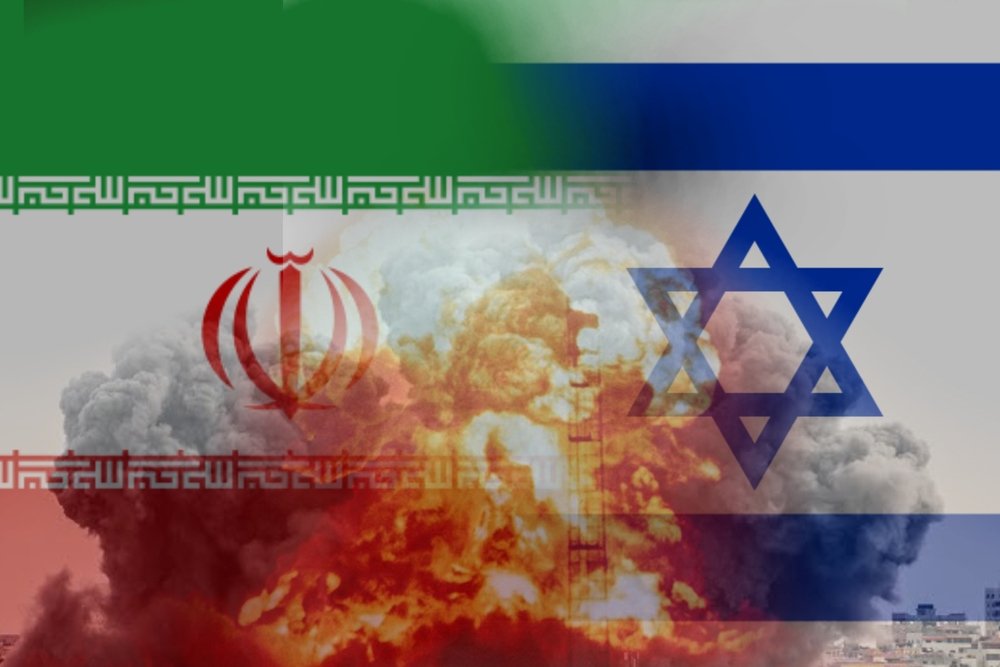
By mid-2025, Iran and Israel were locked in a war of attrition. Israel conducted targeted airstrikes on Iran’s nuclear, military, and civilian infrastructure. Iran launched multiple missile and drone attacks against Israeli cities, infrastructure, and military sites. The damage was significant on both sides, but casualties were asymmetrical: Iran reported over 220 deaths from Israeli strikes, while Israel reported about two dozen fatalities.

Iran’s missile capabilities were degraded by Israeli strikes early in the campaign, and Iran appeared to be holding back much of its arsenal. It was seen as focusing more on messaging and deterrence than trying to decisively defeat Israel. Israel, meanwhile, began to strike not only military sites but also civilian targets like refineries, power grids, and media centres—an attempt to pressure the Iranian regime internally.

The United States formally entered the Israel-Iran conflict with precision airstrikes targeting three of Iran’s key nuclear sites—Fordow, Natanz, and Isfahan. Conducted using B-2 stealth bombers equipped with bunker-busting bombs, the attack included a successful hit on the heavily fortified Fordow Uranium Enrichment Plant, a facility previously beyond Israel’s operational reach.

History- In 1948, the opposition of Arab states to Israel led to the first Arab-Israeli war. Iran was not a part of that conflict, and after Israel won, it established ties with the Jewish state. It was the second Muslim-majority country to do so after Turkey. Israel tried to counter the hostility of Arab states at the time with the “periphery doctrine” under its first Prime Minister David Ben Gurion.

The Pahlavi dynasty, under the Shah Mohammad Reza Pahlavi, ruled Iran then. It had US support, as did Israel, and the two countries maintained ties with each other, with Iran also selling oil to Israel amid its economic boycott by Arab states.

Iran was one of the first countries in the region to recognise Israel after its formation in 1948. It was only after 1979 that their diplomatic ties ended.

 The 1979 Revolution: In this phase, a religious state was established in Iran after the Shah was overthrown in the 1979 Islamic Revolution. The regime’s view of Israel changed, and it was seen as an occupier of Palestinian land. Iranian Supreme Leader Ayatollah Khomeini termed Israel “Little Satan” and the United States the “Great Satan”, seeing the two as parties interfering in the region. Iran also sought to grow its presence in the region, challenging the two major powers Saudi Arabia and Israel – both of whom were US allies.

Shadow War after 1979: After 1979, the ties between the countries worsened. While Israel and Iran have never engaged in direct military confrontation, both attempted to inflict damage on the other through proxies and limited strategic attacks. Israel has attacked Iranian nuclear facilities from time to time.

In the early 2010s, it targeted several facilities and nuclear scientists in a bid to prevent it from developing nuclear weapons. In 2010, the US and Israel are believed to have developed Stuxnet, a malicious computer virus was used to attack a uranium enrichment facility at Iran’s Natanz nuclear site, it was the “first publicly known cyberattack on industrial machinery”, according to Reuters.

The two countries have been engaged in multiple proxy conflicts, and actually came face to face during the 2006 Lebanon War.

Begin doctrine

The Begin doctrine effectively dictates that even the potential of an enemy having WMD or weapons of mass destruction (nuclear weapons) can justify preventive strikes from Israel.

Over the years, the ties devolved with little trust on either side. Iran’s support for Hamas and other Iran-backed regional actors, such as Hezbollah, especially after October 7, 2023, has drawn Israel’s ire. Last year, the Israel-Iran relations worsened more when for the first time Iran launched a direct attack aimed at targets within Israel.

Iran-Israel bilateral ties hit new lows when, on June 13 this year, Israel launched “Operation Rising Lion” against Iran.

Several factors have contributed to the recent escalation in the Israel-Iran conflict. Let’s take a closer look.

Ideology and Legitimacy: Iran views Israel as illegitimate and calls for its elimination. Conversely, Israel sees Iran’s ideology as a direct threat to its existence. This mutual existential fear perpetuates hostility.

Nuclear Ambitions: Israel’s primary concern is Iran’s nuclear program. Although Iran claims it is peaceful, Israel and others suspect clandestine weapons work. Israel has long declared it will not allow hostile states to acquire nuclear arms and has used pre-emptive force in the past.

Security and Regional Power: Iran seeks to expand its influence through its military and proxies. Israel, surrounded by unfriendly states, feels strategically encircled. This drives each side to challenge the other militarily, diplomatically, and through intelligence operations.

Geopolitical Alliances: Iran is aligned with powers like Syria, Russia, and China, and supports non-state actors. Israel is backed by the U.S. and increasingly by Gulf Arab states. Each country sees the other’s alliances as threats to its own position in the region.

Prime Minister of Israel, Benjamin Netanyahu framed the biggest attack on Iran in decades as an attempt to remove the “nuclear threat” to Israel. Addressing the people of Iran in a video message, he said the time had come for them to stand up for their freedom from an “evil and oppressive regime”, which has “never been weaker”.

Further explaining Israel’s “pre-emptive strikes”, Netanyahu said Iran had “taken steps that it has never taken before… to weaponize enriched uranium,” and “if not stopped, Iran could produce a nuclear weapon in a very short time,” perhaps even “within a few months.”

Notably, the great strategic concern in Israel is Iran possessing nuclear weapons, and to that end, it has previously launched attacks on scientists (although more targeted and tactical ones). Iran says it is not looking to develop weapons, and has simply invested in nuclear power over the decades.

Natanz nuclear facility

It is Iran’s main uranium enrichment facility, where the country produces most of its nuclear fuel. Located in the central province of Isfahan, the Natanz facility is “the beating heart of the Iranian nuclear programme,” analysts say.

 IAEA’s Board of Governors censured Iran: Israel’s attacks came one day after the International Atomic Energy Agency’s (IAEA) Board of Governors censured Iran for the first time in 20 years for not working with its inspectors. On June 12 IAEA passed a resolution declaring Iran as being non-compliant with its non-proliferation obligations. The resolution came on the back of a recent IAEA investigation that found Iran was conducting “secret nuclear activities” at three locations.

Possible Consequences

1. Fears of surging oil prices: Just as global shipping lines and traders had started to breathe a sigh of relief from elevated freight rates, with vessels returning to the crucial Red Sea route from the longer Cape of Good Hope passage, a conflict between two major West Asian powers — Iran and Israel — has reignited fears of surging oil prices and more trade disruptions.

Since the war began on June 13, global Brent crude prices have risen by around 11 per cent — from levels of $67.34 per barrel on June 12 to around $74.6 per barrel on Tuesday. This is a significant spike — and several global financial firms are projecting that oil could cross $100 per barrel in case the crisis continues and worsens.

According to the US Energy Information Administration (EIA), at the end of 2023, Iran accounted for 12 per cent of global oil reserves, with the world’s third largest proven reserves after Venezuela and Saudi Arabia. Iran also has the second largest reserves of natural gas after Russia. However, Western sanctions have ensured that only around 4 per cent of global oil supplies comes from Iran. The primary customer of Iranian oil is China.

2. Risk of wider energy disruption: Experts warn that Iran may respond by closing the strategic Strait of Hormuz — a key passage through which 20–25 per cent of global oil supply transits, as well as a critical corridor for LNG shipments from Qatar and the UAE. Qatar, notably, is among the top LNG suppliers to India.

Strait of Hormuz

Strait of Hormuz is a critical narrow waterway between Iran and Oman, and connects the Persian Gulf with the Gulf of Oman and the Arabian Sea

Red Sea shipping route

The nearly 2,000-km Red Sea connects the Mediterranean Sea with the Indian Ocean via the narrow Suez Canal. Before the Suez Canal’s construction, ships had to go around the Cape of Good Hope in South Africa to travel between Europe and Asia.

3. Rising freight rates: With the escalation in Iran-Israel conflict, there is possibility that freight rates will increase. There is also a possibility that global governance would also be impacted by continuing instability in the Middle East.

4. Nuclear Proliferation Risks: Iran’s possible withdrawal from the Nuclear Non-Proliferation Treaty (NPT) could trigger a regional arms race, undermining global non-proliferation norms.

Impact of the Iran-Israel conflict on India?

The Israel-Iran conflict triggered serious concern among major stakeholders in the region, including India. Indian Ministry of External Affairs urged both Israel and Iran “to avoid any escalatory steps,” saying India has “close and friendly” relations with the two nations.

Operation Sindhu

India announced launching ‘Operation Sindhu’ to evacuate Indian nationals from Iran as fears of an all-out Israeli-American military strikes on Iran increased.

Nonetheless, escalated Israel-Iran conflict puts India’s regional connectivity strategy like the International North South Transport Corridor, and the Chabahar port at risk.  India’s key connectivity projects like the Chabahar port in Iran, which links it to Afghanistan and Central Asia, could be affected by regional turmoil.  The India-Middle East-Europe Economic Corridor (IMEC) faces risks from the conflict, threatening its progress and impacting bilateral trade and regional economic dynamics.

Notably, The International North South Transport Corridor (INSTC), which was initiated by Russia, India, and Iran, is a multi-modal transportation project linking the Indian Ocean and Persian Gulf to the Caspian Sea via Iran, and onward to northern Europe via St Petersburg in Russia. This corridor aims to reduce transit times to about 25 days — 20 days fewer than the Suez Canal route — and cut freight costs by 30 per cent.

With nearly 8 million Indian nationals residing in West Asia, their safety becomes a critical concern, especially if evacuation becomes necessary.

Chabahar is a deep-water port in Iran’s Sistan-Baluchistan province. It is the Iranian port that is the closest to India, and is located in the open sea, providing easy and secure access for large cargo ships. The port is also part of the proposed INSTC. Chabahar is of strategic importance for India. It offers New Delhi an alternative route that bypasses Pakistan, which does not allow India land access for trade with Afghanistan and Central Asia.

India must tread carefully, preserving its strategic partnerships with both Israel and Iran, while navigating a complex landscape of rising sanctions and geopolitical alignments.

Integrated Child Development Services (ICDS)

The ICDS is a government programme in India which provides food, preschool education, primary healthcare, immunization, health check-up and referral services to children under 6 years of age and their mothers. 

  • The scheme was launched in 1975, discontinued in 1978 by the government of Morarji Desai, and then relaunched by the Tenth Five Year Plan.
  • Tenth FYP also linked ICDS to Anganwadi centres established mainly in rural areas and staffed with frontline workers.
  • The ICDS provide for anganwadis or day-care centres which deliver a package of six services including:
  1. Immunization
  2. Supplementary nutrition
  3. Health checkup
  4. Referral services
  5. Pre-school education(Non-Formal)
  6. Nutrition and Health information
Implementation
  • For nutritional purposes ICDS provides 500 kilocalories (with 12-15 grams of protein) every day to every child below 6 years of age.
  • For adolescent girls it is up to 500 kilo calories with up to 25 grams of protein every day.
  •  The services of Immunisation, Health Check-up and Referral Services delivered through Public Health Infrastructure under the Ministry of Health and Family Welfare.
Revamp for Urban Areas
  • Health and ICDS models that work in rural areas may not work in urban areas because of higher population density, transportation challenges and migration.
  • Children in urban areas were overweight and obese as indicated by subscapular skinfold thickness (SSFT) for their age.
  • The first-ever pan-India survey on the nutrition status of children, highlighted that malnutrition among children in urban India.
  • It found a higher prevalence of obesity because of relative prosperity and lifestyle patterns, along with iron and Vitamin D deficiency.
  • According to government data, of the 14 lakh anganwadis across the country there are only 1.38 lakh anganwadis in urban areas.

Objectives

  • To improve the nutritional and health status of children in the age-group 0-6 years;
  • To lay the foundation for proper psychological, physical and social development of the child;
  • To reduce the incidence of mortality, morbidity, malnutrition and school dropout;
  • To achieve effective co-ordination of policy and implementation amongst the various departments to promote child development; and
  • To enhance the capability of the mother to look after the normal health and nutritional needs of the child through proper nutrition and health education.

Beneficiaries

  • Children in the age group of 0-6 years
  • Pregnant women and
  • Lactating mothers
  • Adolescent Girls (14-18 years) in Aspirational Districts and North Eastern States

This Scheme is open to all eligible beneficiaries on demand, irrespective of caste, religion and income criteria.

To get Saptarshi Sir’s guidance for PSC Miscellaneous Mains/ Clerkship Main/ English/Economy or for overall WBCS or other exam preparation, call or WhatsApp us @6295350330. Classes for PSC Miscellaneous Main and Clerkship Main have already started. WBCS New batch is also going on. You can also download our app for online guidance using the link

https://play.google.com/store/apps/details?id=co.penny.oecgd&pcampaignid=web_share

For free notes, daily quizzes, word games and many other surprises, please join our Telegram Group using the link below

https://t.me/theadhyayanacademy

India’s Bid for UNSC Permanent Membership- Challenges Ahead

The UNSC is – theoretically – the most powerful political UN body, with a mandate to maintain international peace and security. It has 15 members: five permanent and 10 elected. The five permanent members are China, France, Russia, the United Kingdom and the United States. The non-permanent members are elected for a term of two years. The Security Council can establish peacekeeping operations, impose sanctions or arms embargoes, instruct human rights investigations, authorize the use of force, create international criminal tribunals and refer cases to the International Criminal Court.

The US made a proposal to India in August 1950 through the Indian Ambassador in the U.S. It expressed the American desire to remove China from permanent membership of the UNSC and possibly replace it with India. Nehru allegedly refused to take this suggestion seriously and thus abdicated India’s opportunity to become a permanent member of the UNSC. However, the complexity of the international situation might justify Nehru’s stance then.

The above events took place in August 1950 when the Cold War was in its early stages. The two superpowers were in eyeball-to-eyeball confrontation that threatened nuclear catastrophe. The People’s Republic of China had just emerged from a bloody civil war and was seen at the time as the Soviets’ closest ally. It was prevented from taking its permanent seat in the UNSC because of American opposition based on Cold War logic. Furthermore, war was intense in the Korean peninsula. The U.S. and allied troops were locked in fierce combat with North Korean forces supported by China and the Soviet Union.

Nehru, at that time, was trying to carve a policy that ensured India’s security, strategic autonomy and state-led industrialisation. He anticipated that pushing China out, as the U.S. wished to do, would result in a perpetual conflict that could engulf all of Asia. To him, the Korean War appeared a forerunner to more such conflicts in Asia that could even turn nuclear. The U.S. had dropped nuclear bombs on Japan only 5 years ago and it would possibly not hesitate to do so again in an Asian conflict. This is especially since nuclear deterrence had not become a recognised reality then. So given these, Nehru did not want India to get embroiled in hazardous Cold War conflicts as it would risk India’s own security. He understood that peace could not be assured in Asia without accommodating a potential great power like China.

To be precise, America’s proposal was not an offer but merely a vague sensor to explore Indian reactions to such a contingency. The U.S. intended the offer to be a bait to attract India into an alliance with the West against the Sino-Soviet bloc. The US aimed at pulling India into the “defence” organisations that it was setting up in Asia to contain the presumed “Communist expansionism”. Nehru was well aware of this and the fact that Washington was only interested in using India for its own ends. Had India accepted the American bait, it would have meant enduring enmity with China without the achievement of a permanent seat in the UNSC. Moreover, even if accepted, the Soviet Union, then China’s closest ally, would have vetoed such move. As, it would have required amendment of the UN Charter that is subject to the veto of the permanent members. It would have also strained the relations between India and the Soviet Union, affecting the possibility of a close political and military relationship with Moscow later. The ties, in fact, became necessary once the U.S. entered into an alliance relationship with Pakistan. Moreover, the Indo-Soviet relationship paid immense dividends to India during the Bangladesh war of 1971.

Over the years since then there has been much talk of late about the possibility of India joining the UN Security Council (UNSC) as a permanent member, while most of the current permanent members have expressed public support for expansion of the UNSC.

India has been falling far short of its domestic and international human rights obligations, and its desire to expand its role in the UN presents an opportunity to assess its record of engagement as a member of other UN political bodies, including the UN Human Rights Council (UNHRC).

It’s important to review India’s pattern of engagement with the human rights architecture as a whole, including with the Office of the High Commissioner for Human Rights (OHCHR) and UN human rights treaty bodies.

Indian politicians have argued for decades that the nation deserves to be a member of the United Nations Security Council (UNSC). An aspirational superpower, India believes that it has been unfairly denied a seat at the high table.

Several visiting foreign political dignitaries and international coalitions that have pushed for UNSC reforms have also voiced support for India’s candidacy for permanent membership of the Security Council. However, despite persistent lobbying by India, experts are not hopeful of change in the near future.

There are four key challenges India must overcome before it secures veto power in the United Nations.

  1. China’s Opposition

Among the five permanent security council members all except China – the United States, the United Kingdom, France, and Russia – have categorically supported India’s candidature in the past. As a close competitor of India in regional and international politics, China is unwilling to endorse New Delhi’s position.

China is the only Asian country with a permanent Security Council seat. This adds to its power and international prestige, and China is unlikely to want to share this space with India. What’s more, particularly amid an ongoing border dispute with India, China will resist any attempt by any of the four members to change the composition of the UNSC.

China is also uncomfortable with Japan, a close U.S. ally that, like India, is a strong contender for a permanent seat. Comprising Brazil, Germany, India, and Japan, the G-4 countries support each other’s bids for permanent seats on the Security Council.

China has unofficially dropped hints that it may back India, provided New Delhi doesn’t endorse Japan’s bid. China knows that New Delhi will not break the unity of the G-4 and thus, considers it is a safe bet to pit India against Japan.

  • Disagreement on Membership Without Veto Power

Some parties have raised the prospect of India gaining UNSC membership without veto power.

Groups including Uniting for Consensus (UfC) – a powerful coalition led by Italy, with other members including Canada, Mexico, Spain, Pakistan, South Korea, and Turkey – have advocated reinforcing the working of the General Assembly and increasing the number of non-permanent members.

Its argument is that the addition of non-permanent members will make the U.N. more accountable and representative by accommodating relevant regional voices in the decision-making process. In doing so, the group argues, this solution would mean there are more than a few select chief custodians of the international system.

But there are questions about what happens if India gets a high seat without veto power. Could this be considered a piecemeal approach toward achieving the larger objective?

Despite some parties saying they prefer this kind of arrangement, New Delhi is not comfortable with this proposition. India’s position is that all new permanent members to the Security Council must possess a veto. Thus, it is unlikely this outcome will unfold.

  • Western Concerns that India May Not Align with U.S. Priorities

The United States has, in principle, endorsed India gaining a permanent seat on the Security Council. But not everyone believes U.S. policymakers will actually support such a reform in practice.

Indeed, in the past, P-5 countries have displayed “a habit of being non-commital” when it comes to actual decision-making on veto powers. As former U.S. Under Secretary of State for Political Affairs Nicholas Burns said in 2008: “We want to preserve the veto, and we do not want to extend a veto to new permanent members.”

Prominent U.S.-based South Asian expert Ashley Tellis recently penned a piece in Foreign Affairs magazine arguing that the United States cannot be sure of India’s support on significant strategic matters. Ashley later defended this position in an interview, saying “the current war in Ukraine is a good example … India defines its interest in ways that are not always identical to our own.”

It is true that India has not always voted with the West in the United Nations and has maintained an independent position on several critical subjects (e.g., India abstaining on the Russian invasion of Ukraine). Due to this, many think India is a fence-sitter and see it as an unreliable partner. Despite developing closer strategic ties with the West, India remained uncommitted on supporting sanctions on Russia. While China’s response was anticipated, for the West, foot dragging by New Delhi in criticizing Russia was no less than a shock.

In these changed circumstances, it is difficult to imagine that the West, particularly the U.S., will go ahead with a reformed Security Council where India has veto power.

  • The Regional Conundrum

India also faces formidable challenges to its leadership emanating from its own region. India influences the region, but not in absolute terms. Indeed, as instability in the region has increased, so too have New Delhi’s troubles.

South Asia has, for example, become a battleground of India-China competition. And while the India-Pakistan rivalry captures most attention, there are major India-related issues that agitate people in Nepal, Bangladesh, Sri Lanka, the Maldives, and even in Bhutan.

With its recent change of government, Bangladesh is no longer on the same page. Queries over India’s regional leadership raises questions over its claims to be a global power.

What is Next for India?

There are convincing arguments that the U.N. is in desperate need of reform, particularly the Security Council. Expanding the Security Council’s membership to include developing countries like India would benefit the U.N. and the international community. However, New Delhi must make more concerted efforts to address criticisms to further legitimize its demand for permanent membership.

India’s geographical, political, and social influence in South Asia cannot be ignored. Recent criticism around its increasing political intolerance – which is directly linked to the state of democracy in India – must be addressed and resolved.

India’s failure to improve its ranking in the Human Development Index, the issue of economic inequality, and its lack of world-class infrastructure all contribute to the nation’s global image.

Therefore, there are structural and more prominent geopolitical factors that overshadow India’s chances to acquire Security Council permanent membership.

India needs better engagement with the region and much more internal work to strengthen its claim further.

For getting our guidance for PSC Miscellaneous Mains, pls call or whatsapp now- 6295350330

Some notes for any descriptive paper on GS/GK/CA

https://saptarshinag.in/from-non-alignment-to-multi-alignment-indias-tactical-shift-since-independence/ https://saptarshinag.in/the-g-7-summit-and-the-world-chaos/

For WBCS 2022 Group C Interview Guidance course and mock Interviews pls call or WhatsApp us @6295350330

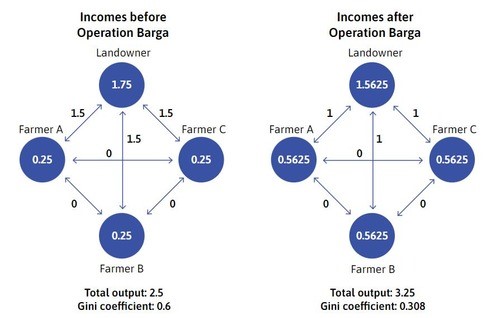
‘Operation Barga’ in West Bengal

Operation Barga was a land reform movement, throughout rural West Bengal for recording the names of sharecroppers (bargadars) while avoiding the time-consuming method of recording through the settlement machinery. It bestowed on the bargadars, the legal protection against eviction by the landlords (jotedars), and entitled them to the due share of the produce. Operation Barga was launched in 1978 and concluded by the mid-1980s. Introduced in 1978, and given legal backing in 1979 and 1980, Operation Barga became a popular but controversial measure for land reforms. The ultimate aim of these land reforms was to facilitate the conversion of the state’s bargadars into landowners, in line with the Directive Principles of State Policy of the Indian Constitution. To date, Op Barga has recorded the names of approximately 1.5 million bargadars. The initiative has been studied and admired as a model for land reform in other regions, emphasizing the importance of recognizing and protecting the rights of marginalized farmers. 

The operation was divided into the following five distinct steps:

Identification of the priority pockets with large concentration of bargadars.

Camping by the Government Officials at the priority pockets.

Meeting between the bargadars and the government officials.

The collective participation of the villagers in the reconnaissance and field verification to establish the claims of sharecroppers.

Issue of temporary certificates called ‘parchas’ to confirm sharecroppers as evidence of their rights enabling them to obtain bank credit.

To begin with, group meetings between Officials and Bargadars were organized during “settlement camps” (also called “Reorientation camps”), where the bargadars could discuss their grievances. The first such camp was held at Halusai in Polba taluk in Hooghly district from 18 to 20 May 1978. An empirical analysis of the impact of Operation Barga on agricultural production, productivity, employment, income including its distribution and on the qualitative improvement in the utilization of barga land was conducted during the period 1986–88 in the three districts of Birbhum, Burdwan and Jalpaiguri in West Bengal.

Operation Barga was successful in enumerating the Bargadars. Over the period 1977–90, the fraction of registered sharecroppers rose from 23 to 65%. During the same period of time in West Bengal, there was expansion in public and private irrigation and there was technological change as well. These reforms, along with the guaranteed crop share and bargadar’s increased stake in the land led to an increase in agricultural output. By the end of 1982 about 1.2 million sharecroppers were recorded, out of the total estimated number of about 2.0-3.5 million.

By the end of June 1994 around 1460,000 bargadars had been recorded over an area of over 451,800 hectares. The most remarkable achievement of the programme, as reported in the 1986-88 study, was that it enhanced social status of the bargadars and security of tenancy.

West Bengal enjoyed a subsequent dramatic increase in farm output per unit of land, as well as farming incomes. By comparing the output of farms before and after the implementation of Operation Barga, economists concluded that both improved work motivation and investment occurred. One study suggested that Operation Barga was responsible for around 28% of the regional growth in agricultural productivity from 1979 to 1993. The empowerment of the bargadars also had positive spillover effects, as local governments became more responsive to the needs of poor farmers.

The above image shows how Operation Barga reduced Gini coefficient in WB

Operation Barga (and West Bengal’s land reforms in general) have been criticized for their small scope and inability to solve all the major problems. This criticism has been mainly due to policies not accounting for the high population-to-landmass ratio in Bengal (the highest in the country), the small and highly segregated land holding patterns and failure of the Government to develop agri-industrial markets for farm produce. These failures, critics contend, have distributed poverty rather than creating prosperity.

The United Nations- At a Glance

The United Nations is an international organization founded in 1945 after the Second World War by 51 countries committed to maintaining international peace and security, developing friendly relations among nations and promoting social progress, better living standards and human rights.

Despite the problems encountered by the League of Nations in arbitrating conflict and ensuring international peace and security prior to World War II, the major Allied powers agreed during the war to establish a new global organization to help manage international affairs. This agreement was first articulated when U.S. President Franklin D. Roosevelt and British Prime Minister Winston Churchill signed the Atlantic Charter in August 1941. The name United Nations was originally used to denote the countries allied against Germany, Italy, and Japan. On January 1, 1942, 26 countries signed the Declaration by United Nations, which set forth the war aims of the Allied powers.

As the Second World War raged, the leaders of the United Kingdom, China, the United States and the Soviet Union, under intense pressure from the press and public, discussed the details of a post-war organization. In 1944 representatives meeting at Dumbarton Oaks in Washington, DC, prepared a blueprint for an international organization. Towards the end of the war representatives of 50 countries gathered in San Francisco between April and June 1945 to hammer out the final text that would lay the foundations of international cooperation. This was the Charter of the United Nations, signed on 26 June by 50 countries. Poland, the 51st country, was not able to send a representative to the San Francisco conference but is considered an original member.

Purposes of the United Nations

Due to its unique international character, and the powers vested in its founding Charter, the Organization can take action on a wide range of issues, and provide a forum for its Member States to express their views.

The UN has 4 main purposes

  • To keep peace throughout the world;
  • To develop friendly relations among nations;
  • To help nations work together to improve the lives of poor people, to conquer hunger, disease and illiteracy, and to encourage respect for each other’s rights and freedoms;
  • To be a centre for harmonizing the actions of nations to achieve these goals.

Structure and Organization of the United Nations The Charter established six principal organs of the United Nations: the General Assembly, the Security Council, the Economic and Social Council, the Trusteeship Council, the International Court of Justice, and the Secretariat. The United Nations family, however, is much larger, encompassing 15 agencies and several programmes and bodies

General Assembly

The General Assembly is the main deliberative organ of the UN and is composed of representatives of all Member States. The work of the United Nations year-round derives largely from the mandates given by the General Assembly. Comprising all Member States of the United Nations, it provides a unique forum for multilateral discussion of the full spectrum of international issues covered by the Charter. The General Assembly is the main deliberative, policymaking and representative organ of the UN. All 193 Member States of the UN are represented in the General Assembly, making it the only UN body with universal representation.  Each year, in September, the full UN membership meets in the General Assembly Hall in New York for the annual General Assembly session, and general debate, which many heads of state attend and address. Decisions on important questions, such as those on peace and security, admission of new members and budgetary matters, require a two-thirds majority of the General Assembly. Decisions on other questions are by simple majority.  The General Assembly, each year, elects a GA President to serve a one-year term of office.

Security Council

The Security Council has primary responsibility, under the UN Charter, for the maintenance of international peace and security. The Council is composed of five permanent members – China, France, Russian Federation, the United Kingdom and the United States – and ten non-permanent members. The non-permanent members are elected by the General Assembly for two-year terms. Each Council member has one vote. Decisions on procedural matters are made by an affirmative vote of at least nine of the 15 members. Decisions on substantive matters require nine votes, including the concurring votes of all five permanent members. This rule is often referred to as the “veto” power. A reform of the Security Council, including its membership, is under consideration.

Since its first meeting, the Security Council has taken permanent residence at the United Nations Headquarters in New York City.

Economic and Social Council

The Economic and Social Council (ECOSOC) is the principal organ to coordinate the economic, social and related work of the United Nations and the specialized agencies and institutions. Voting in the Council is by simple majority; each member has one vote. The United Nations Economic and Social Council (ECOSOC) is headquartered in New York City

International Court of Justice

The International Court of Justice, located at the Hague in the Netherlands, is the principal judicial organ of the United Nations. It settles legal disputes between States and gives advisory opinions to the UN and its specialized agencies. Its Statute is an integral part of the United Nations Charter.

Trusteeship Council

The Trusteeship Council was established in 1945 by the UN Charter to provide international supervision for 11 Trust Territories placed under the administration of 7 Member States, and ensure that adequate steps were taken to prepare the Territories for self-government and independence. By 1994, all Trust Territories had attained self-government or independence. Its work completed, the Council has amended its rules of procedure to meet as and where occasion may require.

Secretariat

The Secretariat – an international staff working in duty stations around the world – carries out the diverse day-to-day work of the Organization. It services the other principal organs of the United Nations and administers the programmes and policies laid down by them.

At its head is the Secretary-General, who is appointed by the General Assembly on the recommendation of the Security Council for a five-year, renewable term. The Secretary-General is a symbol of United Nations ideals and a spokesman for the interests of the world’s peoples, in particular the poor and vulnerable among them.

The duties carried out by the Secretariat are as varied as the problems dealt with by the United Nations. These range from administering peacekeeping operations to mediating international disputes, from surveying economic and social trends and problems to preparing studies on human rights and sustainable development. Secretariat staff also inform the world’s communications media about the work of the United Nations; organize international conferences on issues of worldwide concern; and interpret speeches and translate documents into the Organization’s official languages.

As international civil servants, staff members and the Secretary-General answer to the United Nations alone for their activities, and take an oath not to seek or receive instructions from any Government or outside authority. Under the Charter, each Member State undertakes to respect the exclusively international character of the responsibilities of the Secretary-General and the staff and to refrain from seeking to influence them improperly in the discharge of their duties.

The United Nations, while headquartered in New York, maintains a significant presence in Addis Ababa, Bangkok, Beirut, Geneva, Nairobi, Santiago and Vienna, and has offices all over the world. Currently, the United Nations has 193 Member States.

How does a country become a Member of the United Nations?

Membership in the United Nations, in accordance with the Charter, “is open to all peace-loving States that accept the obligations contained in the United Nations Charter and, in the judgment of the Organization, are able to carry out these obligations”. The recognition of a new State or Government is an act that only other States and Governments may grant or withhold. It generally implies readiness to assume diplomatic relations. The United Nations is neither a State nor a Government, and therefore does not possess any authority to recognize either a State or a Government. As an organization of independent States, it may admit a new State to its membership or accept the credentials of the representatives of a new Government.

States are admitted to membership in the United Nations by decision of the General Assembly upon the recommendation of the Security Council. The procedure is briefly as follows:

  1. The State submits an application to the Secretary-General and a letter formally stating that it accepts the obligations under the Charter.
  2. The Security Council considers the application. Any recommendation for admission must receive the affirmative votes of 9 of the 15 members of the Council, provided that none of its five permanent members have voted against the application.
  3. If the Council recommends admission, the recommendation is presented to the General Assembly for consideration. A two-thirds majority vote is necessary in the Assembly for admission of a new State.
  4. Membership becomes effective the date the resolution for admission is adopted.

Funding

The UN budget for 2024 was $3.59 billion, not including additional resources donated by members, such as peacekeeping forces. Including specialized agencies of the UN, the UN System Chief Executives Board for Coordination reports total expenses of $67.4 billion in 2022 for 43 United Nations entities.

The UN is financed from assessed and voluntary contributions from its member states. The General Assembly approves the regular budget and determines the assessment for each member. This is broadly based on the relative capacity of each nation to pay, as measured by its gross national income (or GNI), with adjustments for external debt and low per capita income.

The Assembly has established the principle that the UN should not be unduly dependent on any one member to finance its operations. Thus, there is a “ceiling” rate, setting the maximum amount that any member can be assessed for the regular budget. In December 2000, the Assembly revised the scale of assessments in response to pressure from the United States. As part of that revision, the regular budget ceiling was reduced from 25% to 22%. For the least developed countries (or LDCs), a ceiling rate of 0.01% is applied. In addition to the ceiling rates, the minimum amount assessed to any member nation (or “floor” rate) is set at 0.001% of the UN budget ($31,000 for the two-year budget 2021–2022).

A large share of the UN’s expenditure addresses its core mission of peace and security, and this budget is assessed separately from the main organizational budget. The peacekeeping budget for the 2021–2022 fiscal year is $6.38 billion, supporting 66,839 personnel deployed in 12 missions worldwide. UN peace operations are funded by assessments, using a formula derived from the regular funding scale that includes a weighted surcharge for the five permanent Security Council members, who must approve all peacekeeping operations. This surcharge serves to offset discounted peacekeeping assessment rates for less developed countries. The largest contributors to the UN peacekeeping budget for 2023–2024 are: the United States (26.94%), China (18.68%), Japan (8.03%), Germany (6.11%), the United Kingdom (5.35%), France (5.28%), Italy (3.18%), Canada (2.62%), South Korea (2.57%) and Russia (2.28%).

Special UN programmes not included in the regular budget, such as UNICEF and the World Food Programme, are financed by voluntary contributions from member governments, corporations, and private individuals.

Awards

A number of agencies and individuals associated with the UN have won the Nobel Peace Prize in recognition of their works. Two secretaries-general, Dag Hammarskjöld and Kofi Annan, were each awarded the prize; as were Ralph Bunche, a UN negotiator, René Cassin, a contributor to the Universal Declaration of Human Rights, and the American Secretary of State Cordell Hull for his role in the organization’s founding. Lester B. Pearson, the Canadian Secretary of State for External Affairs, was awarded the prize in 1957 for his role in organizing the UN’s first peacekeeping force to resolve the Suez Crisis.

UNICEF won the prize in 1965, the International Labour Organization in 1969, the UN Peacekeeping Forces in 1988, the International Atomic Energy Agency (which reports to the UN) in 2005, and the UN-supported Organisation for the Prohibition of Chemical Weapons in 2013. The UN High Commissioner for Refugees was awarded the prize in 1954 and 1981, becoming one of only two recipients to win the prize twice. The UN as a whole was awarded the prize in 2001, sharing it with Annan. In 2007, the IPCC received the prize “for their efforts to build up and disseminate greater knowledge about man-made climate change, and to lay the foundations for the measures that are needed to counteract such change.

UN Programs

UNDP

Headquarters: New York City, USA

The United Nations Development Programme (UNDP) works in nearly 170 countries and territories, helping to eradicate poverty, reduce inequalities and build resilience so countries can sustain progress. As the UN’s development agency, UNDP plays a critical role in helping countries achieve the Sustainable Development Goals.

UNEP

Headquarters: Nairobi, Kenya

The United Nations Environment Programme (UNEP) established in 1972, is the voice for the environment within the United Nations system. UNEP acts as a catalyst, advocate, educator and facilitator to promote the wise use and sustainable development of the global environment.

UNFPA

Headquarters: New York City, USA

The United Nations Population Fund (UNFPA) is the lead UN agency for delivering a world where every pregnancy is wanted, every birth is safe, and every young person’s potential is fulfilled.

UN-HABITAT

Headquarters: Nairobi, Kenya

The mission of the United Nations Human Settlements Programme (UN-HABITAT) is to promote socially and environmentally sustainable human settlements development and the achievement of adequate shelter for all.

UNICEF

Headquarters: New York City, USA

The United Nations Children’s Fund (UNICEF) works in 190 countries and territories to save children’s lives, to defend their rights, and to help them fulfil their potential, from early childhood through adolescence.

WFP

Headquarters: Rome, Italy

The World Food Programme aims to eradicate hunger and malnutrition. The world’s largest humanitarian agency, WFP helps almost 100 million people in approximately 88 countries with assistance every year through food or cash distributions and more. The World Food Programme was awarded the Nobel Peace Prize in 2020. 

UN Specialized Agencies

The UN specialized agencies are autonomous international organizations working with the United Nations. All were brought into relationship with the UN through negotiated agreements. Some existed before the First World War. Some were associated with the League of Nations. Others were created almost simultaneously with the UN or later.

FAO

Headquarters: Rome, Italy

The Food and Agriculture Organization leads international efforts to fight hunger. It is both a forum for negotiating agreements between developing and developed countries and a source of technical knowledge and information to aid development.

ICAO

Headquarters: Montreal, Canada

The International Civil Aviation Organization develops standards for global air transport and assists its 192 Member States in sharing the world’s skies to their socio-economic benefit.

IFAD

Headquarters: Rome, Italy

The International Fund for Agricultural Development, since it was created in 1977, has focused exclusively on rural poverty reduction, working with poor rural populations in developing countries to eliminate poverty, hunger and malnutrition; raise their productivity and incomes; and improve the quality of their lives.

ILO

Headquarters: Geneva, Switzerland

The International Labour Organization promotes international labour rights by formulating international standards on the freedom to associate, collective bargaining, the abolition of forced labour, and equality of opportunity and treatment.

IMF

Headquarters: Washington, DC, USA

The International Monetary Fund fosters economic growth and employment by providing temporary financial assistance to countries to help ease balance of payments adjustment and technical assistance. The IMF currently has $28 billion in outstanding loans to 74 nations.

IMO

Headquarters: London, United Kingdom

The International Maritime Organization has created a comprehensive shipping regulatory framework, addressing safety and environmental concerns, legal matters, technical cooperation, security, and efficiency.

ITU

Headquarters: Geneva, Switzerland

The International Telecommunication Union is the United Nations specialized agency for information and communication technologies. It is committed to connecting all the world’s people – wherever they live and whatever their means. Through our work, we protect and support everyone’s fundamental right to communication.

UNESCO

Headquarters: Paris, France

The United Nations Educational, Scientific and Cultural Organization focuses on everything from teacher training to helping improve education worldwide to protecting important historical and cultural sites around the world.

UNIDO

Headquarters: Vienna, Austria

The United Nations Industrial Development Organization is the specialized agency of the United Nations that promotes industrial development for poverty reduction, inclusive globalization and environmental sustainability.

UN Tourism

Headquarters: Madrid, Spain

The World Tourism Organization is the United Nations agency responsible for the promotion of responsible, sustainable and universally accessible tourism.

UPU

Headquarters: Bern, Switzerland

The Universal Postal Union is the primary forum for cooperation between postal sector players. It  helps to ensure a truly universal network of up-to-date products and services.

WHO

Headquarters: Geneva, Switzerland

The World Health Organization is the directing and coordinating authority on international health within the United Nations system. The objective of WHO is the attainment by all peoples of the highest possible level of health. Health, as defined in the WHO Constitution, is a state of complete physical, mental and social well-being and not merely the absence of disease or infirmity.

WIPO

Headquarters: Geneva, Switzerland

The World Intellectual Property Organization protects intellectual property throughout the world through 23 international treaties.

WMO

Headquarters: Geneva, Switzerland

The World Meteorological Organization facilitates the free international exchange of meteorological data and information and the furtherance of its use in aviation, shipping, security, and agriculture, among other things.

World Bank

Headquarters: Washington, DC, USA

The World Bank focuses on poverty reduction and the improvement of living standards worldwide by providing low-interest loans, interest-free credit, and grants to developing countries for education, health, infrastructure, and communications, among other things. The World Bank works in over 100 countries.

International Bank for Reconstruction and Development (IBRD)

International Centre for Settlement of Investment Disputes (ICSID)*

International Development Association (IDA)

International Finance Corporation (IFC)

Multilateral Investment Guarantee Agency (MIGA)*

* International Centre for Settlement of Investment Disputes (ICSID) and Multilateral Investment Guarantee Agency (MIGA) are not specialized agencies in accordance with Articles 57 and 63 of the Charter, but are part of the World Bank Group.

Other Entities and Bodies

UNAIDS

Headquarters: Geneva, Switzerland

The Joint United Nations Programme on HIV/AIDS (UNAIDS) leads and inspires the world to achieve its shared vision of zero new HIV infections, zero discrimination and zero AIDS-related deaths. UNAIDS unites the efforts of 11 UN organizations—UNHCR, UNICEF, WFP, UNDP, UNFPA, UNODC, UN Women, ILO, UNESCO, WHO and the World Bank—and works closely with global and national partners towards ending the AIDS epidemic by 2030 as part of the Sustainable Development Goals.

UNHCR

Headquarters: Geneva, Switzerland

The United Nations High Commissioner for Refugees – UNHCR protects refugees worldwide and facilitates their return home or resettlement.

UNIDIR

Headquarters: Geneva, Switzerland

The United Nations Institute for Disarmament Research is a voluntarily funded autonomous institute within the United Nations. An impartial actor, the Institute generates ideas and promotes action on disarmament and security. UNIDIR brings together states, international organizations, civil society, the private sector and academia to work together—internationally, regionally and locally—to build and implement creative solutions that will benefit all states and peoples.

UNITAR

Headquarters: Geneva, Switzerland

An autonomous UN body established in 1963, the United Nations Institute for Training and Research is a training arm of the United Nations System, and has the mandate to enhance the effectiveness of the UN through diplomatic training, and to increase the impact of national actions through public awareness-raising, education and training of public policy officials.

UNOPS

Headquarters: Copenhagen, Denmark

The mission of the United Nations Office for Project Services is to help people build better lives and help countries achieve peace and sustainable development. UNOPS helps the UN, governments and other partners to manage projects, and deliver sustainable infrastructure and procurement in an efficient way.

CTBTO

Headquarters: Vienna, Austria

The Preparatory Commission for the Comprehensive Nuclear-Test-Ban Treaty Organization promotes the Comprehensive Nuclear-Test-Ban Treaty (which is not yet in force) and the build-up of the verification regime so that it is operational when the Treaty enters into force.

IAEA

Headquarters: Vienna, Austria

The International Atomic Energy Agency, is the world’s centre for cooperation in the nuclear field. The Agency works with its Member States and multiple partners worldwide to promote the safe, secure and peaceful use of nuclear technologies.

ICC

Headquarters: The Hague, Netherlands

The International Criminal Court investigates and, where warranted, tries individuals charged with the gravest crimes of concern to the international community: genocide, war crimes, crimes against humanity and the crime of aggression. As a court of last resort, it seeks to complement, not replace, national courts.

IOM

Headquarters: Geneva, Switzerland

The International Organization for Migration works to help ensure the orderly and humane management of migration, to promote international cooperation on migration issues, to assist in the search for practical solutions to migration problems and to provide humanitarian assistance to migrants in need, including refugees and internally displaced people.

OPCW

Headquarters: The Hague, Netherlands

The Organisation for the Prohibition of Chemical Weapons is the implementing body of the Chemical Weapons Convention (CWC), which entered into force in 1997. OPCW Member States work together to achieve a world free of chemical weapons.

UNFCCC

Headquarters: Bonn, Germany

The UNFCCC Secretariat (UN Climate Change) was established in 1992 when countries adopted the United Nations Framework Convention on Climate Change (UNFCCC). With the subsequent adoption of the Kyoto Protocol in 1997 and the Paris Agreement in 2015, Parties to these three agreements have progressively reaffirmed the Secretariat’s role as the United Nations entity tasked with supporting the global response to the threat of climate change.

WTO

Headquarters: Geneva, Switzerland

The World Trade Organization is a forum for governments to negotiate trade agreements, and a place where member governments try to sort out the trade problems, they face with each other.

ITC

Headquarters: Geneva, Switzerland

The International Trade Centre (ITC) is the only development agency that is fully dedicated to supporting the internationalization of small and medium-sized enterprises (SMEs). Established in 1964, the ITC is the joint agency of the World Trade Organization and the United Nations.

The work of the United Nations today

The work of the United Nations reaches every corner of the globe. Although best known for peacekeeping, peacebuilding, conflict prevention and humanitarian assistance, there are many other ways the United Nations and its System (specialized agencies, funds and programmes) affect our lives and make the world a better place. The Organization works on a broad range of fundamental issues, from sustainable development, environment and refugees protection, disaster relief, counter terrorism, disarmament and non-proliferation, to promoting democracy, human rights, gender equality and the advancement of women, governance, economic and social development and international health, clearing landmines, expanding food production, and more, in order to achieve its goals and coordinate efforts for a safer world for this and future generations.

Present Heads

                António Guterres (Chair of CEB) Secretary-General of the United Nations

                 Qu Dongyu, Director-General, FAO

                 Gilbert F. Houngbo, Director-General, ILO

                 Audrey Azoulay, Director-General, UNESCO

                 Juan Carlos Salazar, Secretary-General, ICAO

                 Ajay Banga, President, World Bank Group

                 Kristalina Georgieva, Managing Director, IMF

               Adhanom Ghebreyesus, Director-General, WHO

                Celeste Saulo, Secretary-General, WMO

                 Arsenio Dominguez, Secretary-General, IMO

                Daren Tang, Director-General, WIPO

                Gerd Müller, Director-General, UNIDO

                Rafael Mariano Grossi, Director-General, IAEA

                Ngozi Okonjo-Iweala, Director-General, WTO

                Rebeca Grynspan, Secretary-General, UNCTAD

                Achim Steiner, Administrator, UNDP

                Inger Andersen, Executive Director, UNEP

                Filippo Grandi, High Commissioner, UNHCR

                Catherine M. Russell, Executive Director, UNICEF

Challenges before the UN today.

The challenges are multifaceted. Climate change has reached an unforeseen peak. Polar ice meltdown, catastrophic storms, inundations, earthquakes have made millions of people homeless. Terrorism has shaken the very root of the whole world. The first year of the new millennium witnessed the horrifying incident of 9/11 attack on America. Even after 25 years, terrorism remains one of the principal concerns of the UN as evident in the statement of the UNSC after the heinous attacks on the civilians on the soil of J&K in India. The UNSC has “condemned in the strongest terms” the terrorist attack in Jammu and Kashmir, stressing that those responsible should be held accountable and the organisers and sponsors of this “reprehensible act of terrorism” should be brought to justice.

Preventing the spread of nuclear weapons and promoting disarmament are critical goals for the UN. The proliferation of nuclear technology and tensions between nuclear-armed states, such as the United States, Russia, and North Korea, present ongoing challenges to international security. Human Rights and Humanitarian Crises

The UN is tasked with promoting and protecting human rights worldwide. Humanitarian crises, such as those in Syria, Myanmar, and Venezuela, pose significant challenges to upholding human rights. Balancing the principles of sovereignty and the responsibility to protect is an ongoing debate within the UN system.

The 21st century has seen a significant increase in forced migration and refugee crises. Large-scale population-forced migration is a global calamity that calls for coordinated action from the international community under the direction of world leaders. A record-breaking number of migrants and refugees are crossing international boundaries to escape war, persecution, poverty, and other severe situations. Large-scale population relocation affects the social, economic, and political landscape in ways that go beyond casualties. The UN High Commissioner for Refugees (UNHCR) works to provide protection and assistance to displaced persons, but issues related to immigration policies, border control, and xenophobia have complicated efforts to address this challenge.

Political Divisions among Member States of the United Nations also remains a major concern for the UN. We have seen how the ongoing war between Russia and Ukraine has caused unimaginable sufferings to millions.

Global health concern is another area the UN has to battle with. We have seen how helpless the world felt during the Covid pandemic.

The need for UN reform is imperative to adapt to the evolving global landscape and to fulfil its mission of promoting international peace, security, and development effectively. This reform should be pursued to enhance the UN’s capacity to address current and future challenges while upholding the principles of equality, justice, and cooperation among nations. The world today is vastly different from what it was in 1945 when the UN was established. New global powers have emerged, and the geopolitical landscape has shifted dramatically. Reforming the UN’s decision-making structures, particularly the Security Council, is essential to reflect these changes and ensure equitable representation among nations. Ensuring that UN resources are allocated efficiently and transparently is essential. Reform should focus on optimising budgetary practices and eliminating waste to ensure that funds are directed toward programs that have a real impact on global development.

To get Saptarshi Sir’s guidance for English/Economy or for overall WBCS/ PSC Miscellaneous Main or other exam preparation, call or WhatsApp us @6295350330. Classes for PSC Miscellaneous Main have already started. WBCS New batch is also going on. You can also download our app for online guidance using the link

https://play.google.com/store/apps/details?id=co.penny.oecgd&pcampaignid=web_share

Digital Divide and India

Saptarshi Nag

The digital age presents a double-edged sword. While urban centres flourish with advanced technology and internet access, rural communities struggle to bridge the digital divide. This lack of access creates a significant barrier to education, healthcare, and economic progress, further widening the social gap. The digital divide is the gap created by unequal access to modern telecommunications technology among different demographic groups and regions. This can include inequalities in access to computers, smartphones, and the internet.

When the term “digital divide” was first used in the late 20th century, it described the gap between those with cell phone access and those without it. The term has since expanded to include the technical and financial ability to use available technology and access the internet. However, the meaning of the “digital divide” is constantly shifting with the development of technology.

In India, this ‘Divide’ is far more prominent than other developing nations. The digital divide in the access and usage of ICTs and the internet has also led to an exclusionary consequence in three sectors of utmost significance: education, health and finance. In a country plagued by high socioeconomic inequality, the digitalisation process cannot be posited as the panacea for the inherent challenges of the physical world. It becomes particularly problematic when half of the population neither has access to gadgets and the internet or the technological know-how to move to a digital environment. In such circumstances, the digitalisation process becomes unequal, favouring the digitally connected while excluding the rest, and in certain cases, exacerbating the already existing inequalities.

India, the largest democracy and the most populous nation in the world having a population of almost 1.4 billion people, out of which approximately 350 million people are uneducated and only a paltry percentage of the people have access to the internet. But surprisingly, despite such demoralizing numbers, India presently serves as one of the worlds’ leading IT hubs.  Though superficially, this might seem to be paradoxical, in reality, there is a lot more to it.  Digitalization and Information and Communication Technology (ICT) serve as the basis of modern society. The development of ICTs and the rapid pace of digitalization have necessitated multiple social, economic, and environmental changes globally. While on India is happy to go cashless and order daily consumable items by just a click, the other India continues to suffer from the plight of poverty, illiteracy both academic and digital, hunger and alienation from the rest of India.

The reasons behind such divide are not hard to find. While poverty, lack of education, lack of intent, poor infrastructure, lack of electrification, improper connectivity, difficult terrains all contribute to such gap, the implications of this divide are even more concerning. Socio-economic immobility, rising unemployment, denial of access to basic amenities and several government schemes, digital fraud for the newbies, increasing socio-economic and digital inequality, unfulfillment of potential of a substantial share of a population are to name a few. Unfortunately, almost every government schemes are today being implemented through digital platforms. Every beneficiary must be digitally incorporated in the databases to have access to the facilities the Central or the state Governments are providing. However, as the beneficiaries mostly are digitally illiterate especially in the rural areas, they are often misled and cheated by unscrupulous middlemen. While the deserving is left uncared for, the shrewd undeserving lot takes the advantage of digital knowledge. This leads to widespread corruption at the grassroot level.

Addressing the digital divide is crucial to unlock India’s economic potential and promote social equality. Government initiatives like the National Digital Literacy Mission and the Pradhan Mantri Gramin Digital Saksharta Abhiyan have been introduced to increase digital literacy. National Education Policy, 2020 also aims at making “India a global knowledge superpower” by introducing several changes from the school to college level in the Indian education system with special emphasis on digital education. However, there is a need to ramp up efforts to improve digital infrastructure, particularly in rural areas, and ensure physical access to ICT for all sections of society.

Further, underprivileged groups need to be motivated to incorporate technology into their daily lives, and digital skills must be imparted to bridge the gap. Stronger regulation and efforts to reduce the cost of Edtech products can improve access to online education. Initiatives like the NDHM (National Digital Health Mission) should be accompanied by measures to enhance digital infrastructure and promote digital literacy to ensure the effective delivery of healthcare services.

India has grand growth aspirations, but bridging India’s digital divide is crucial for inclusive growth and to harness the full potential of technology. By addressing disparities in internet usage, mobile ownership, and access to digital services, India can create a more equitable society and unlock economic opportunities for all its citizens.

While AI (Artificial Intelligence) is defining the new age, for a substantial part of Indian population, the A and the I should start with Am I digitally literate?