India’s Quest for Space

This article consists of the following contents which are extremely important for any competitive examination for both objective and descriptive questions.

History of space research in India

Major milestones of India’s space technology

Indian Regional Navigation Satellite System

Rakesh Sharma

Gaganayan Mission

Chandrayaan Mission with special emphasis on Chandrayaan 3

Axiom 4 and Shubhanshu Shukla

The space research activities were initiated in India during the early 1960’s, when applications using satellites were in experimental stages even in the United States. With the live transmission of Tokyo Olympic Games across the Pacific by the American Satellite ‘Syncom-3’ demonstrating the power of communication satellites, Dr. Vikram Sarabhai, the founding father of Indian space programme, quickly recognized the benefits of space technologies for India.

As a first step, the Department of Atomic Energy formed the INCOSPAR (Indian National Committee for Space Research) under the leadership of Dr. Sarabhai and Dr. Ramanathan in 1962. The Indian Space Research Organisation (ISRO) was later formed on August 15, 1969. The prime objective of ISRO is to develop space technology and its application to various national needs. It is one of the six largest space agencies in the world. The Department of Space (DOS) and the Space Commission were set up in 1972 and ISRO was brought under DOS on June 1, 1972.

Since inception, the Indian space programme has been orchestrated well and had three distinct elements such as, satellites for communication and remote sensing, the space transportation system and application programmes. Two major operational systems have been established – the Indian National Satellite (INSAT) for telecommunication, television broadcasting, and meteorological services and the Indian Remote Sensing Satellite (IRS) for monitoring and management of natural resources and Disaster Management Support.

Major milestones in Indian Space Programme

Indian Space Programme began at Thumba Equatorial Rocket Launching Station (TERLS) located at Thumba near Thiruvanathapuram. Thumba was selected for being rocket launching station because geomagnetic equator of the earth passes over Thumba. The geomagnetic equator of the earth passes over Thumba.

On November 21, 1963, the first sounding rocket was launched from TERLS. The first rocket, a Nike-Apache was procured from the US. A sounding rocket is a rocket, which is intended for assessing the physical parameters of the upper atmosphere.

The Satellite Telecommunication Earth Station was set up at Ahmedabad on January 1, 1967.

India’s first indigenous sounding rocket, RH-75, was launched on November 20, 1967.

Aryabhata – First Indian Satellite was launched on April 19, 1975. It was launched from the former Soviet Union. It provided India with the basis of learning satellite technology and designing.

During 1975-76, ISRO along with NASA developed means of using space communications system for TV broadcasting. This resulted in the creation of the project Satellite Instructional Television Experiment (SITE). It was a one-year program covering Indian villages and districts. The main purpose of SITE was to experiment usage of satellite broadcasting to educate the masses. SITE, hailed as ‘the largest sociological experiment in the world’ benefited around 200,000 people, covering 2400 villages of six states and transmitted development-oriented programmes using the American Technology Satellite (ATS-6).

During January 1, 1977 — January 1, 1979, Satellite Telecommunication Experiments Project (STEP), a joint project of ISRO-and Post and Telegraphs Department (P&T) using the Franco-German Symphonie satellite was taken up. Conceived as a sequel to SITE which focused on Television, STEP was for telecommunication experiments.

Bhaskara-I – an experimental satellite for earth observations was launched on June 7, 1979.

First Experimental launch of SLV-3 with Rohini Technology Payload on board (August 10, 1979). Satellite could not be placed in orbit. Satellite Launch Vehicle-3 (SLV-3) is the first launch vehicle of India.

Ariane Passenger Payload Experiment (APPLE), an experimental geo-stationary communication satellite was successfully launched on June 19, 1981. It became the forerunner for future communication satellite system.

Indian National Satellite system (INSAT)-1A was launched on April 10, 1982. This system was for the communication, broadcasting and meteorology.

On April 2, 1984, the first Indo-Soviet manned space mission was launched. Wing Commander Rakesh Sharma (born 13 January 1949) became the first Indian citizen to go into space. He flew aboard in the Soviet rocket Soyuz T-11, as part of a three member Soviet-Indian crew as part of the Soviet Interkosmos programme.

Sharma retired as a wing commander and later joined Hindustan Aeronautics Limited (HAL) in 1987, serving as the chief test pilot in the HAL Nashik Division until 1992, before moving on to Bangalore to work as HAL’s chief test pilot. Sharma retired from flying in 2001

The first operational Indian Remote Sensing Satellite, IRS-1A was launched on March 17, 1988.

On March 24, 1987, the first developmental launch of Augmented Satellite Launch Vehicle (ASLV) that supported a larger payload than the SLV-3 and was meant to be low-cost happened.

Second developmental launch of Polar Satellite Launch Vehicle (PSLV) with IRS-P2, on board took place on October 15, 1994. Satellite successfully placed in Polar Sun synchronous Orbit. PSLV went on to become a favoured carrier for satellites of various countries due to its reliability and cost efficiency, promoting unprecedented international collaboration.

The first developmental launch of Geosynchronous Satellite Launch Vehicle (GSLV)-D1 with GSAT-1 on board took off from Sriharikota on April 18, 2001. It was developed keeping in mind the heavier and more demanding Geosynchronous communication satellites.

INSAT-4CR weighing 2130 kg and launched by GSLV-F04 on September 2, 2007 is the heaviest satellite launched from India.

PSLV-C11 successfully launches CHANDRAYAAN-1 from Sriharikota on October 22, 2008. Chandrayaan-1 is a scientific investigation – by spacecraft – of the Moon. The name Chandrayaan means “Chandra- Moon, Yaan-vehicle”, –in Indian languages (Sanskrit and Hindi) , – the lunar spacecraft. Chandrayaan-1 is the first Indian planetary science and exploration mission. Chandrayaan-1 was operational for 312 days till August 28, 2009.

November 5, 2013 – PSLV – C25 successfully launches Mars Orbiter Mission (Mangalyaan) Spacecraft from Sriharikota.

India’s communication satellite, GSAT-17 was inducted into the INSAT/GSAT system on June 29, 2017 from Kourou, French Guiana by Ariane-5 VA-238.

India’s Polar Satellite Launch Vehicle, in its forty-third flight (PSLV-C41) in XL configuration launched IRNSS-1I Satellite. The ‘XL’ configuration of PSLV is used for the twentieth time. The IRNSS-1I is the eighth satellite to join the NavIC navigation satellite constellation and was launched on April 12, 2018.

India’s next generation high throughput communication satellite, GSAT-11 was successfully launched on December 05, 2018 from Kourou launch base, French Guiana by Ariane-5 VA-246. Weighing about 5854 kg, GSAT-11 is the heaviest satellite built by ISRO.

Gaganyaan Programme – Two unmanned & one manned flight has been planned. Estimates for Phase-I expenditure- Rs 9023 Crores. Gaganyaan Programme will establish a broader framework for collaboration between ISRO, academia, industry, national agencies and other scientific organizations. The Gaganyaan Mission will be led by V. R. Lalithambika, the former Director of the Directorate of the Human Spaceflight Programme with ISRO Chairman S Somnath and S. Unnikrishnan Nair, Director of Vikram Sarabhai Space Centre. The Hindustan Aeronautics Limited (HAL)-manufactured crew module underwent its first uncrewed experimental flight on 18 December 2014. On 27 February 2024, Prime Minister Narendra Modi revealed the identities of the first four Indian astronauts (Gaganyatris): Gp Capt Prasanth Balakrishnan Nair, Gp Capt Ajit Krishnan, Gp Capt Angad Pratap and Gp Capt (then Wg Cdr) Shubhanshu Shukla. Axiom‑4 represents a milestone for the Indian Human Spaceflight Programme, integrating with ISRO’s Gaganyaan initiative. While Gaganyaan remains India’s independent crewed program, Ax‑4 provides the first opportunity for an Indian astronaut—Shubhanshu Shukla—to fly on a commercial mission to the ISS.

Geosynchronous Satellite Launch Vehicle, GSLV MkIII-M1 rocket, carrying Chandrayaan-2 spacecraft was launched from the Satish Dhawan Space Centre, Sriharikota in Andhra Pradesh on July 22, 2019. Chandrayaan-2 is India’s second mission to the moon. It comprises a fully indigenous Orbiter, Lander (Vikram) and Rover (Pragyan). The Rover Pragyan is housed inside Vikram lander. Chandrayaan-2 has several science payloads to facilitate a more detailed understanding of the origin and evolution of the Moon. To know more about Chandrayan 2, click here.

ISRO undertakes PSLV-C53/DS-EO mission on June 30, 2022. PSLV-C53 is the second dedicated commercial mission of New Space India Limited (NSIL).

Indian Regional Navigation Satellite System (IRNSS): NavIC

IRNSS is an independent regional navigation satellite system being developed by India. It is designed to provide accurate position information service to users in India as well as the region extending up to 1500 km from its boundary, which is its primary service area. An Extended Service Area lies between primary service area and area enclosed by the rectangle from Latitude 30 deg South to 50 deg North, Longitude 30 deg East to 130 deg East.

IRNSS will provide two types of services, namely, Standard Positioning Service (SPS) which is provided to all the users and Restricted Service (RS), which is an encrypted service provided only to the authorised users. The IRNSS System is expected to provide a position accuracy of better than 20 m in the primary service area.

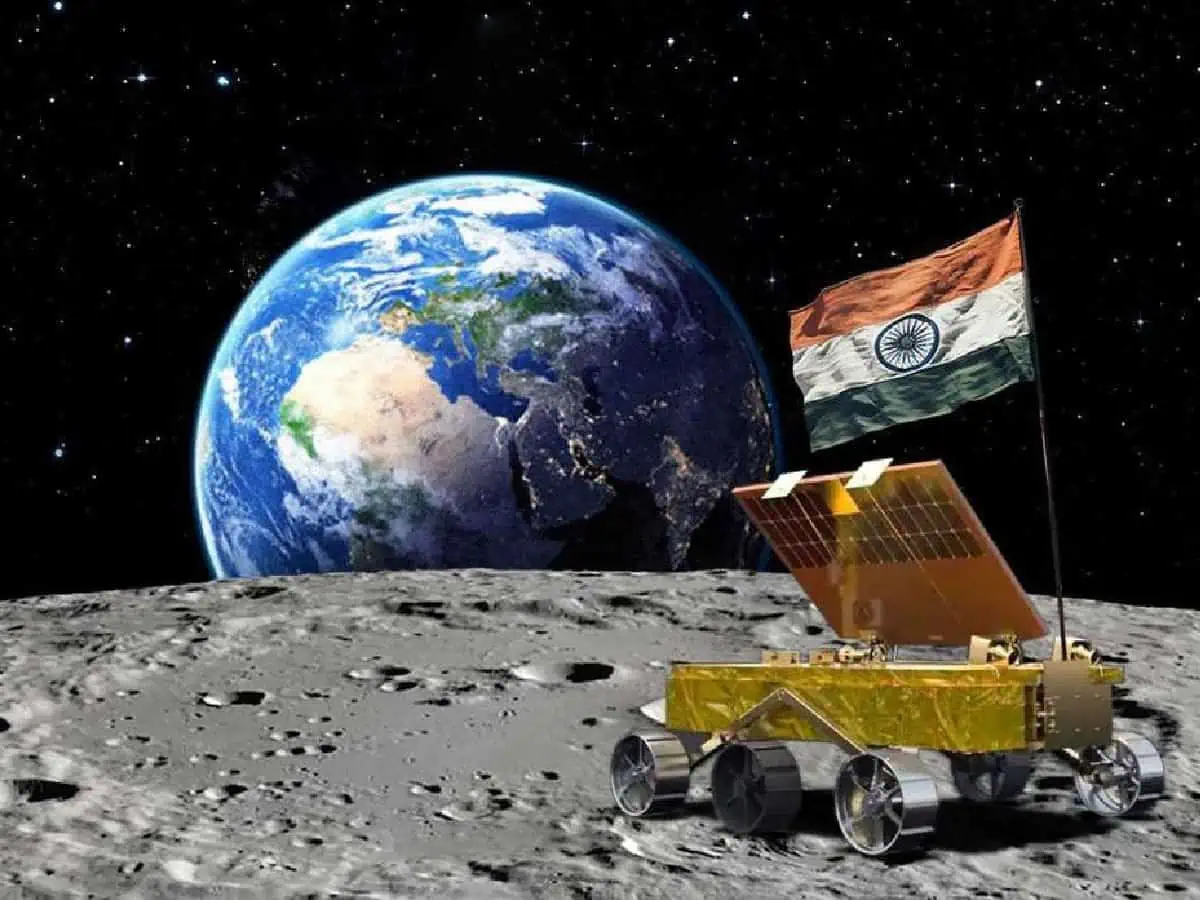
Chandrayaan-3 was a lunar mission by ISRO focused on demonstrating safe landing and roving capabilities on the Moon. It was a follow-up mission to Chandrayaan-2 to demonstrate end-to-end capability in safe landing and roving on the lunar surface. It consisted of a Lander (Vikram), a Rover (Pragyan), and a Propulsion module. The mission successfully landed on the lunar south pole on August 23, 2023, making India the first country to achieve this feat. On July 14, 2023, Chandrayaan- 3 took off from the Satish Dhawan Space Centre in Sriharikota. The spacecraft seamlessly entered lunar orbit on August 5, 2023. The historic moment unfolded when the lander made a successful touchdown near the Lunar south pole on Aug 23, 2023.The mission’s objectives included conducting in-situ scientific experiments on the lunar surface, such as analysing the elemental composition and thermal properties.
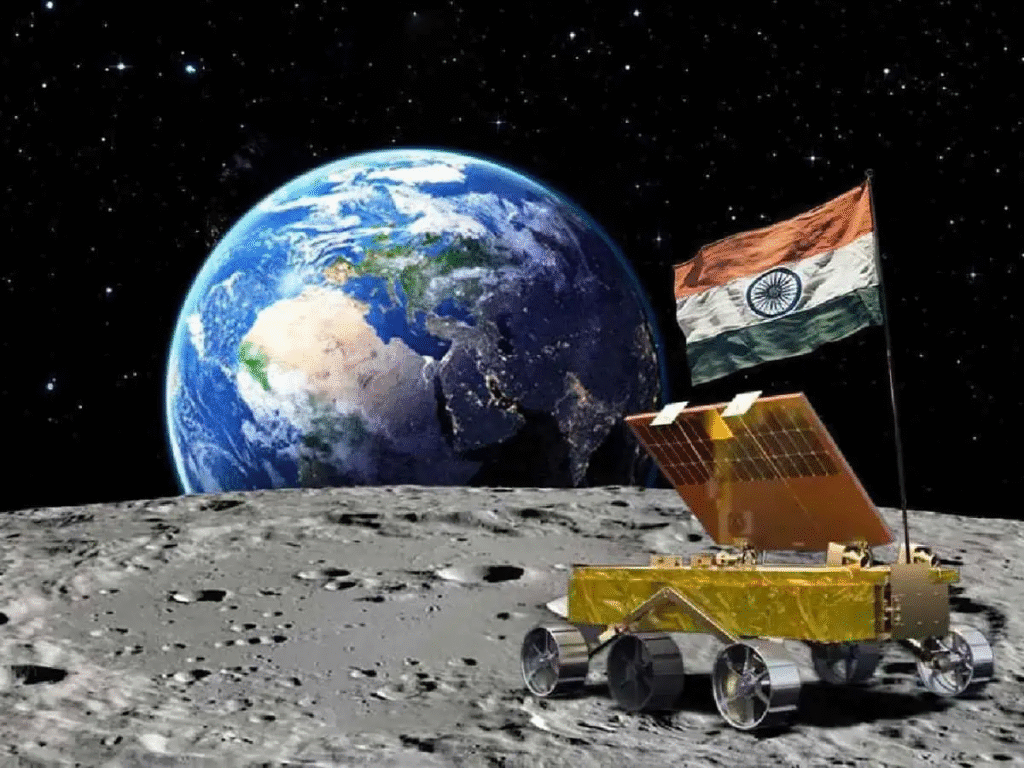
  • Major Findings:

Lunar Surface Temperature Surprise: Chandra’s Surface Thermophysical Experiment (ChaSTE) measured temperatures reaching 70 degrees Celsius, surprising scientists who expected temperatures between 20 to 30 degrees Celsius.

Lunar Surface Elements Confirmed: The Laser-Induced Breakdown Spectroscopy instrument onboard ‘Pragyan’ rover confirmed the presence of Sulphur on the lunar surface near the south pole. Elements such as Aluminium, Calcium, Iron, Chromium, Titanium, Manganese, Silicon, and Oxygen were also detected.

Leadership in Space Technology:

It joins the elite group of nations—Russia, the US, and China—with demonstrated lunar soft-landing capability

India’s indigenous cryogenic engines and efforts to declutter the orbit showcase its leadership in space technology.

Positioning India as a global hub in the New Space economy

Built on a shoestring budget of just Rs 715 Crore, it is a landmark in India’s quest for the space.

Increasing interest in space tourism may lead to private space parks.

Convergence with smart space robots can create in-orbit manufacturing hubs, fostering economic activities

Over 500 space-tech startups, MSMEs, and industries fuel the New Space movement in India.

Shubhanshu Shukla is a group captain and test pilot with the Indian Air Force (IAF) and gaganyatri (astronaut) with the Indian Space Research Organisation (ISRO). As of July 2025, he is serving as the mission pilot for Axiom Mission 4, a privately organised mission to the International Space Station (ISS). Shukla is the first ISRO astronaut to visit the ISS and the second Indian to travel to space, following Rakesh Sharma’s mission in 1984.
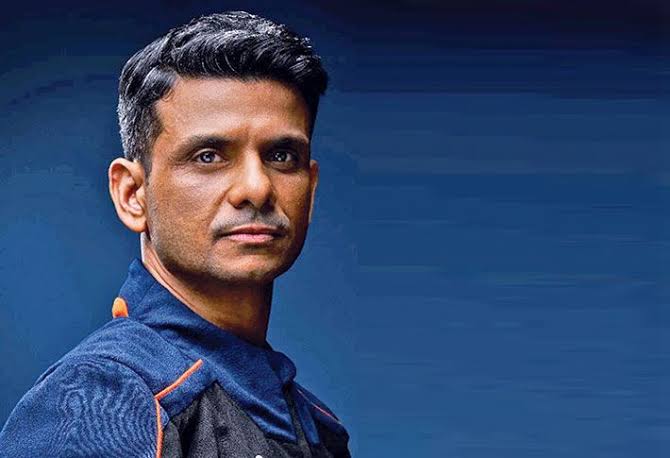
Axiom Mission 4 (Ax‑4) was a private crewed spaceflight to the International Space Station (ISS) operated by Axiom Space in partnership with SpaceX and NASA. The mission launched atop a SpaceX Falcon 9 Block 5 rocket, which placed the Crew Dragon Grace spacecraft into low Earth orbit. This was the maiden flight of Grace (C213), the fifth and final Crew Dragon capsule to be built. The four-person crew included commander Peggy Whitson, an Axiom Space employee and former NASA astronaut; pilot Shubhanshu Shukla of the Indian Space Research Organisation (ISRO); and mission specialists Sławosz Uznański-Wiśniewski, a European Space Agency (ESA) project astronaut from Poland, and Tibor Kapu, representing the Hungarian Space Office. The mission marked the first government-sponsored human spaceflight in over 40 years, and only the second overall, for India, Hungary, and Poland. Each of these countries previously flew one astronaut as part of the Soviet Union’s Interkosmos program. While those earlier missions docked with Salyut 6 or Salyut 7, Ax-4 was the first government-sponsored mission from any of the three nations to reach the ISS.

LUPEX: Lunar Polar Exploration Mission- a collaborative effort between ISRO and JAXA(Japan), is poised to explore the Moon’s polar regions.

Shukrayaan 1: It is a planned mission to send an orbiter to Venus, the second planet from the Sun. It is expected to study Venus’s geological and volcanic activity, emissions on the ground, wind speed, cloud cover, and other planetary characteristics.

To get Saptarshi Sir’s guidance for PSC Miscellaneous Mains/ Clerkship Main/ English/Economy or for overall WBCS or other exam preparation, call or WhatsApp us @6295350330. Classes for PSC Miscellaneous Main and Clerkship Main have already started. WBCS New batch is also going on. You can also download our app for online guidance using the link

https://play.google.com/store/apps/details?id=co.penny.oecgd&pcampaignid=web_share

For free notes, daily quizzes, word games and many other surprises, please join our Telegram Group using the link below
https://t.me/theadhyayanacademy

Digital Divide and India

Saptarshi Nag

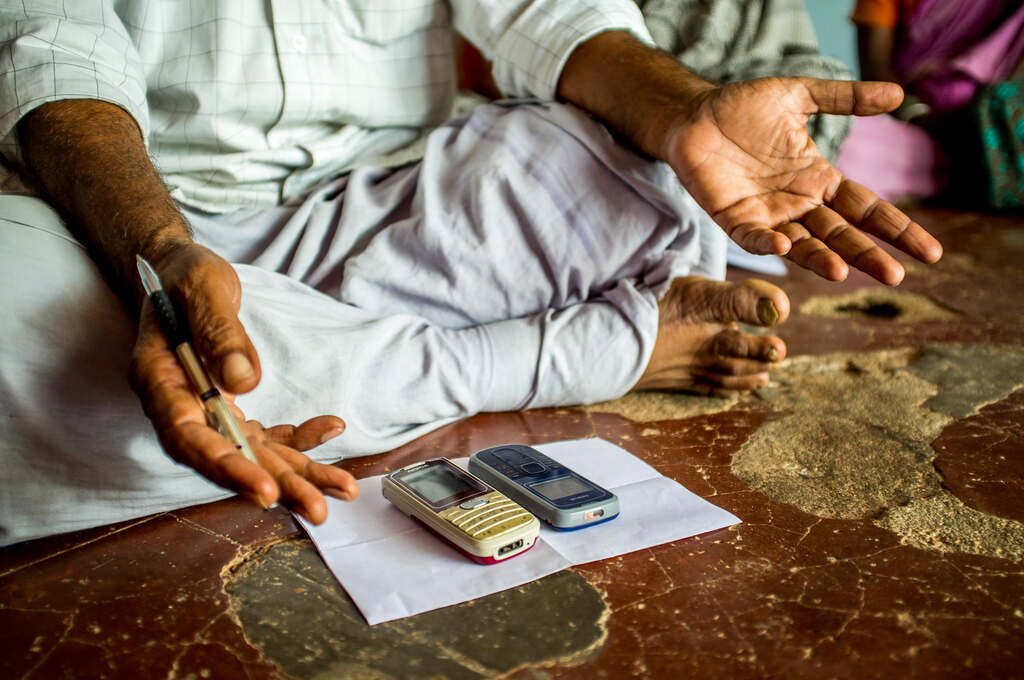
The digital age presents a double-edged sword. While urban centres flourish with advanced technology and internet access, rural communities struggle to bridge the digital divide. This lack of access creates a significant barrier to education, healthcare, and economic progress, further widening the social gap. The digital divide is the gap created by unequal access to modern telecommunications technology among different demographic groups and regions. This can include inequalities in access to computers, smartphones, and the internet.

When the term “digital divide” was first used in the late 20th century, it described the gap between those with cell phone access and those without it. The term has since expanded to include the technical and financial ability to use available technology and access the internet. However, the meaning of the “digital divide” is constantly shifting with the development of technology.

In India, this ‘Divide’ is far more prominent than other developing nations. The digital divide in the access and usage of ICTs and the internet has also led to an exclusionary consequence in three sectors of utmost significance: education, health and finance. In a country plagued by high socioeconomic inequality, the digitalisation process cannot be posited as the panacea for the inherent challenges of the physical world. It becomes particularly problematic when half of the population neither has access to gadgets and the internet or the technological know-how to move to a digital environment. In such circumstances, the digitalisation process becomes unequal, favouring the digitally connected while excluding the rest, and in certain cases, exacerbating the already existing inequalities.

India, the largest democracy and the most populous nation in the world having a population of almost 1.4 billion people, out of which approximately 350 million people are uneducated and only a paltry percentage of the people have access to the internet. But surprisingly, despite such demoralizing numbers, India presently serves as one of the worlds’ leading IT hubs.  Though superficially, this might seem to be paradoxical, in reality, there is a lot more to it.  Digitalization and Information and Communication Technology (ICT) serve as the basis of modern society. The development of ICTs and the rapid pace of digitalization have necessitated multiple social, economic, and environmental changes globally. While on India is happy to go cashless and order daily consumable items by just a click, the other India continues to suffer from the plight of poverty, illiteracy both academic and digital, hunger and alienation from the rest of India.

The reasons behind such divide are not hard to find. While poverty, lack of education, lack of intent, poor infrastructure, lack of electrification, improper connectivity, difficult terrains all contribute to such gap, the implications of this divide are even more concerning. Socio-economic immobility, rising unemployment, denial of access to basic amenities and several government schemes, digital fraud for the newbies, increasing socio-economic and digital inequality, unfulfillment of potential of a substantial share of a population are to name a few. Unfortunately, almost every government schemes are today being implemented through digital platforms. Every beneficiary must be digitally incorporated in the databases to have access to the facilities the Central or the state Governments are providing. However, as the beneficiaries mostly are digitally illiterate especially in the rural areas, they are often misled and cheated by unscrupulous middlemen. While the deserving is left uncared for, the shrewd undeserving lot takes the advantage of digital knowledge. This leads to widespread corruption at the grassroot level.

Addressing the digital divide is crucial to unlock India’s economic potential and promote social equality. Government initiatives like the National Digital Literacy Mission and the Pradhan Mantri Gramin Digital Saksharta Abhiyan have been introduced to increase digital literacy. National Education Policy, 2020 also aims at making “India a global knowledge superpower” by introducing several changes from the school to college level in the Indian education system with special emphasis on digital education. However, there is a need to ramp up efforts to improve digital infrastructure, particularly in rural areas, and ensure physical access to ICT for all sections of society.

Further, underprivileged groups need to be motivated to incorporate technology into their daily lives, and digital skills must be imparted to bridge the gap. Stronger regulation and efforts to reduce the cost of Edtech products can improve access to online education. Initiatives like the NDHM (National Digital Health Mission) should be accompanied by measures to enhance digital infrastructure and promote digital literacy to ensure the effective delivery of healthcare services.

India has grand growth aspirations, but bridging India’s digital divide is crucial for inclusive growth and to harness the full potential of technology. By addressing disparities in internet usage, mobile ownership, and access to digital services, India can create a more equitable society and unlock economic opportunities for all its citizens.

While AI (Artificial Intelligence) is defining the new age, for a substantial part of Indian population, the A and the I should start with Am I digitally literate?

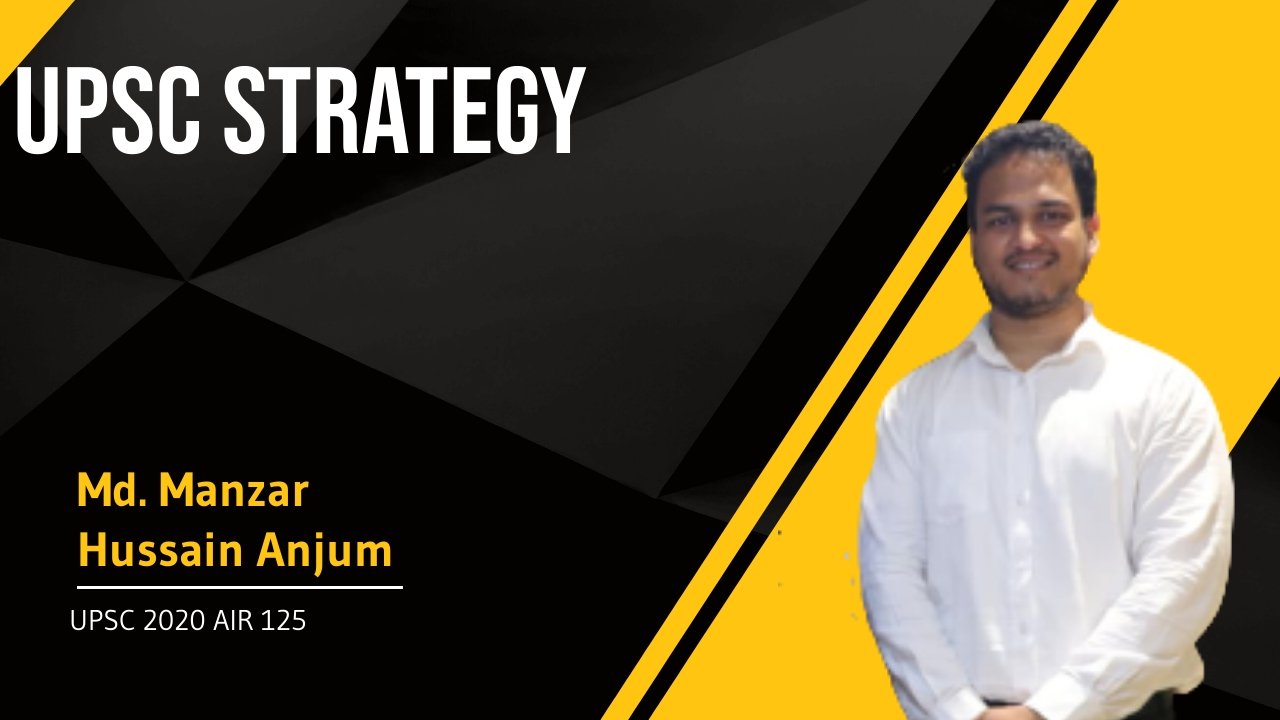
UPSC Strategy by Md Manzar Hussain Anjum, IAS, UPSC CSE Rank 125, 2020

By Md. Manzar Hussain Anjum, IAS

Anything and everything shared in this document is from personal experience. The intention is not to hurt or offend anyone and doing so would only be coincidental.

Hello everyone!

I am Md Manzar Hussain Anjum. I have secured AIR 125 in UPSC CSE 2020. My Optional was GEOGRAPHY and this was my 4th Attempt at UPSC. I am a Civil Engineer graduated with a BT-MT Dual degree from IIT Kanpur. Through this document, I wish to share my UPSC Journey.

After graduation, I joined a consultancy firm working in a programmer analyst role in Mumbai. It was after the results of the 2016 Prelims when I finally decided to prepare for UPSC. My roommate in college had qualified in 2016 prelims and it gave me the courage to appear in the examination (Presently he is an IA&AS officer). After a lot of thought and discussion with my roommate, I quit my job and moved to Delhi to prepare for the examination.

 PART 1:  Choosing Optional

I came to Delhi in October 2016, without deciding my Optional subject. With a background in civil engineering(CE), I thought perhaps I could take CE as my optional. That would help me appear in other exams like IES and GATE. I talked to many aspirants and selected candidates and came to the following conclusions:

  1. CE or any other technical subjects have a huge syllabus (big syllabus is common with most optionals. What’s new in that?). The bigger problem is that technical subjects do not have any overlap with other GS or Essay papers in the examination. Hence, it would be difficult to prepare both as the syllabus of GS and CE optional would be too big to manage.
  2. Other optionals that I could take were from Humanities. The benefit of such optionals is that most of the syllabus has overlap with the syllabus of GS. For example, Geography has overlap with GS1 (basic geography), GS 2 (Vulnerable sections of society), GS 3 (Disaster Management, Agriculture, Climate change, etc); PSIR has overlap with GS1 (World History), GS 2 (Polity and IR) and GS4 (Governance); etc.
  3. I learnt about various optionals and came to the following conclusions about some optionals:

a.  Geography:

  1. Cons: Huge Syllabus. Readymade Study material not updated regularly with current affairs. Unavailability of topper test papers.
  2. Pros: Syllabus has a lot of overlap with all GS papers. Technical and easy to understand.

b.  Sociology:

  1. Cons: Huge syllabus. Too much to remember, especially the Thinkers and Philosophers part.
  2. Readymade study materials updated with current affairs. Topper copies available. Overlap with GS. c. PSIR:
    • Cons: None that I can tell.
    • Pros: manageable syllabus. Readymade materials available. Scoring.

d.   Anthropology:

  1. Cons: less overlap with GS syllabus
  2. Pros: Small syllabus. Materials readily available. Very very scoring.
  • I decided to take geography as my optional. I liked geography as a kid and felt I still liked it after taking some electives in college. My friends also had geography optional so I felt I would get good guidance from them. Also, the thought of appearing in GATE and IES also faded when I realised that sailing two ships at a time could be disastrous for me and I finally focussed wholly on UPSC CSE.
  •  Remarks:
    • Choose your optional wisely. Take some time and then decide. Look for the Pros and Cons along with your liking of the subject.

 PART 2:          General Studies

I had never read newspapers or current affairs ever in my life. I had planned to take GS classes but two things changed my mind. Firstly, I felt classes were too expensive (1.5 lakh approx), which was outside my affordability as I was already paying a lot as room rent staying in Patel Nagar. Secondly, my friends convinced me not to take classes as they had joined classes but didn’t attend them regularly as it felt irrelevant most times.

I failed in the Prelims of 2017 and 2018 due to mismanagement of GS preparation. Some mistakes included:

  1. Not reading the UPSC syllabus. This is the most important part in preparation for the exam.
  2. Too much focus on current affairs (dynamic). This led to lack of confidence in basic books related questions.
  3. Not reading the basic books (static). I had too many sources and didn’t really rationalise the books to be studied.

I shifted from Patel Nagar to Hamdard Study Circle (HSC) in October 2018. I met several aspirants in HSC. The best thing about the crowd in HSC was that most of them were at different stages of the exam, some were selected, some appeared in interviews, some wrote mains, and some absolutely new in preparation. Through a peer group, I learned about the right sources for UPSC.

 PART 3           Sources

  1.  Preliminary examination: I divided the syllabus into the following 8 parts:

a.            History

  1. A brief history of modern India, Spectrum’s publication by Rajiv Ahir
  2. Modern India, NCERT class 12th by Bipin chandra
  3. Themes of Indian History (NCERTS)

b.           Art and Culture

  1. Tamil Nadu 11th class History book
  2. Nitin Singhania chapter 1 only
  3. Themes of Indian History (NCERTS)
  4. Wiki page of Jainism & Buddhism, Sufi and Bhakti movement

c.            Polity

  1. Indian Polity by Laxmikanth
  2. Political theory NCERT

d.           Geography

  1. NCERTS 11th and 12th
  2. Certificate Physical and human Geography by GC Leong
  3. Notes by https://www.pmfias.com/

e.            Economics

  1. Mrunal Sir video lectures, freely available on Youtube
  2. Indian Economy key concepts by Sankarganesh Karuppiah

f.              Environment

  1. Booklet by shankarIAS
  2. Previous years question analysis
  3. Map Pointing practice, Tiger reserves, NPs, WLS, etc.

g.           Science and Technology

  1. IASparliament booklet on S&T
  2. Basic Newspaper reading

h.           Current Affairs

  1. The Hindu Newspaper
  2. Indian Express Newspaper
  3. VisionIAS current affairs booklet (followed only one current affairs with multiple revisions)

2.    Practice for Preliminary examination:

  1. It’s very important to take mock testsbased on prelims. They are freely

 available on this website- https://freeupscmaterials.org/. Take notes from the mock tests taken. I will share how to take notes from test papers on my telegram channel (https://t.me/upsc_preparation_ManzarAnjum)

  • Although I took tests from various sources, one source that I liked was that of VisionIAS. Reason being that it is structured in a manner that you are able to revise the syllabus at least twice. The VisionIAS test series is more about

learning and revising than appearing in UPSC examination. Hence it helps cover the whole syllabus in a structured manner.

  • Solving previous years question papers is a must. A detailed analysis is needed for all questions and their options. This answer on quora explains this beautifully- https://qr.ae/pGV4Tl

3.    Mains Examination:

  1. Essay:
    1. Read the topper’s essays.
    1. Mastering Essay and Answer writing for UPSC book by Dr. Awdhesh Singh sir (Retd. IRS)
  • GS1:
    • Modern History:
      • Same as Prelims
    • Art & culture
      • Same as Prelims
    • Geography
      • Same as Prelims
    • World History
      • I skipped this part as it was not asked recently (consider myself lucky)
    • Indian Society:
      • Vision value added materials for each topic of the syllabus. (Available freely)
      • Insights secure compilation of the previous 8 months. (I will explain about it in detail in this document later.)

c.           GS2:

  1. Polity:
    1. Same as Prelims
    2. Governance and e-governance:
      1. VisionIAS value added material
      2. Google search for terms
      3. Strategy for new India @75 years by NITI AAYOG. (This is a holy document prepared for understanding the scenario of many issues for India. Explained later.)
    1. Role of civil services:
      1. VisionIAS value added material
    1. IR:
      1. Any current affairs magazine for IR
  • GS3:
    • Economy:
      • Same as Prelims
    • Internal Security:
      • Challenges to internal security of India by Ashok Kumar Sir (IPS)
      • VisionIAS Mains 365
    • Agriculture:
      • Insights Secure compilations for previous 8 months
    • Disaster Management:
      • VisionIAS value added material on DM
      • 2nd ARC summary (Just to pick up phrases, recommendations and keywords.) (Compilation by IASnetwork is one that I followed)
    • S&T
      • Same as prelims
    • Environment
      • Same as prelims
  • GS4     Ethics
    • Decode ethics book by Mudit Jain
    • Topper’s answers
    • Previous years question papers
    • Case Studies:
      • VisionIAS document on how to solve case studies (A general document on how to tackle case studies following proper structure)
      • 55 case studies discussed by VisionIAS document.

4.    Practice for Mains Examination:

  1. The most important part of mains preparation is answer writing. Every answer has a structure – Introduction, Body and Conclusion. It is important that one internalises this structure in their answers. By internalisation, I mean every answer should have a introduction, body and conclusion by itself and one should do it subconsciously and not put extra effort to write such a structure.
    1. Go through 15-20 answer copies of toppers to get an idea about the structure.
    2. This   link                          would               be                          helpful              – http://www.visionias.in/resources/toppers_answers.php

c.           How to start answer writing?

  1. Rome was not built in a day. And even if it was built in a day, it might have taken a long time to perfect it. Answer writing takes time. And it attains perfection gradually when you keep writing.
    1. So, start gradually with 4-5 answers initially with the subject you are comfortable in. I started with geography in GS.
    2. Initially, do not focus on writing answers in a fixed time. Take more time. Write an answer in 30 minutes initially. It doesn’t matter if you take more

time. Instead, try to inculcate the structure in your answers. Once the structure comes automatically in your answers, start working on reducing the time required.

  1. Joining a test series for mains is recommended. You can also get the mains test series free on https://freeupscmaterials.org/ website.
    1. There are other platforms which evaluate your mains answer copies at nominal costs unlike reputed institutes. The catch is, the questions and answers would be provided by you, and the platform would just evaluate them and give you suggestions to improve. The platform I used was https://www.ias.network/.
    2. For daily practice, almost all websites provide 5 questions daily. I had followed IASbaba TLP Phase 1 and Phase 2

(https://iasbaba.com/think-learn-perform/) with a peer group for answer writing. It helped me immensely to internalize a structure in answers.

 PART 4           Interview

Interview is the most decisive stage of the whole examination process where a student may get around 75% of the total marks (275 marks in interview). The following will help prepare well in the interview:

  1. Be honest with your Detailed Application Form (DAF). Do not bluff or write anything that you haven’t really done just because others have their DAFs full of credentials. Every person is different and UPSC interviewers acknowledge that.
  2. Prepare every detail of your DAF.
    1. Example: Your name- meaning, any historical significance, who kept your name, etc.
    2. Places, job profile, hobbies, etc. all need to be prepared in an honest manner.
  3. After we get an interview call, we can contact various institutes for mock interviews and these institutes also provide DAF based questionnaires which we can prepare.
  4. For previous years transcripts, follow this telegram group: https://t.me/PTT2019

 PART 5           My strategy

I failed in UPSC CSE prelims in 2017 and 2018. In 2019, I tried to analyse my mistakes and focussed solely on prelims with little preparation for Mains.

1.       Prelims Strategy

  1. Revision of the basic books at least 3 times. It’s important to make the static part strong because that will give you a fair chance to qualify the exam.
    1. Current affairs from only one source. The source could be of any standard platform.
    2. IMPORTANT: keeping the syllabus handy. The way I did it was by downloading the visionIAS test series schedule. The schedule helped me know every topic that I needed to prepare and after preparation of those topics, I would appear in the relevant tests (available on https://freeupscmaterials.org/ website).
    3. After each topic of the syllabus was covered, I solved the previous year’s questions for that topic.
  • I prepared notes for every test that I appeared in. The notes were precise with only the topics that I didn’t know or was confused about. I will share a sample of my            prelims            notes            on            my                 telegram          channel https://t.me/upsc_preparation_ManzarAnjum
    • I would revise the previously appeared tests every sunday. Infact sunday was for revision entirely.

2.       Mains Strategy

  1. After two successive failed attempts at prelims, I decided to entirely focus on prelims in 2019. However, after discussion with seniors I joined VisionIAS mains test series (28 tests). The test series had a schedule and I tried to prepare according to that schedule without backlogs.
    1. Writing the first few tests was disastrous for me. It took 4.5 hours for me to complete the test. And by complete I mean 15-18 questions as I didn’t know all of the answers. Gradually over time, I tried to reduce the time and increase the number of questions.
    2. By prelims 2019, I had written around 12 mains based tests. This helped me go through the syllabus once. So far my preparation was organised according to subjects. For example: Polity, economy, environment, history, geography, etc. This is a good way to touch the syllabus once but a poor way to learn if one is about to write mains.
    3. After prelims 2019, I talked to some seniors regarding mains preparation and most of them asked if I had prepared notes, which I didn’t. I was doomed.
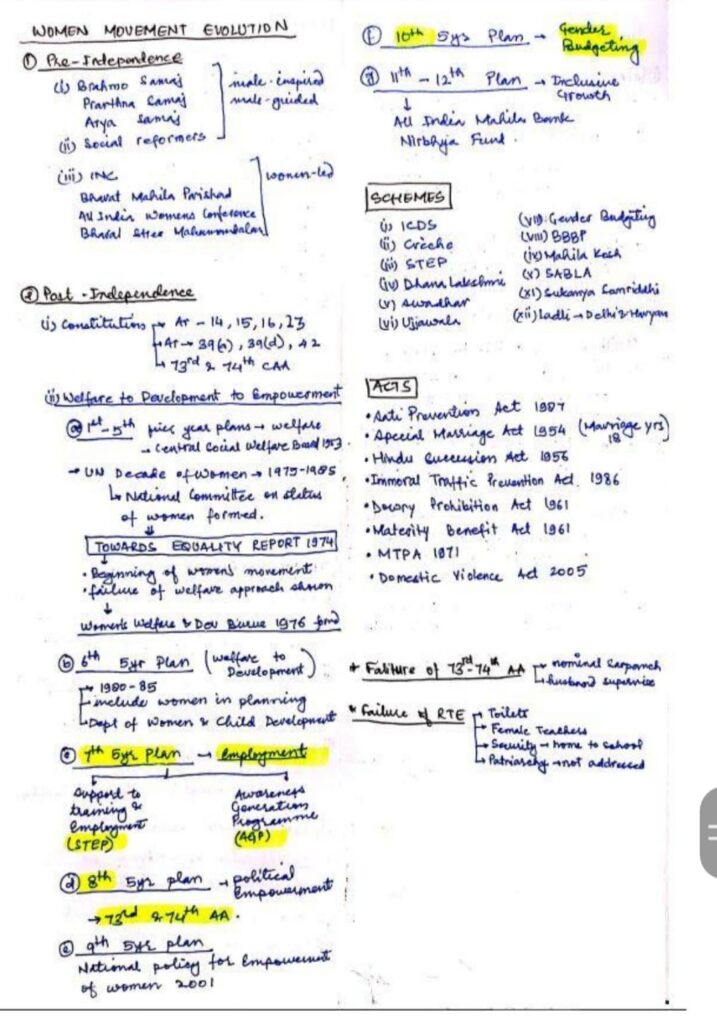
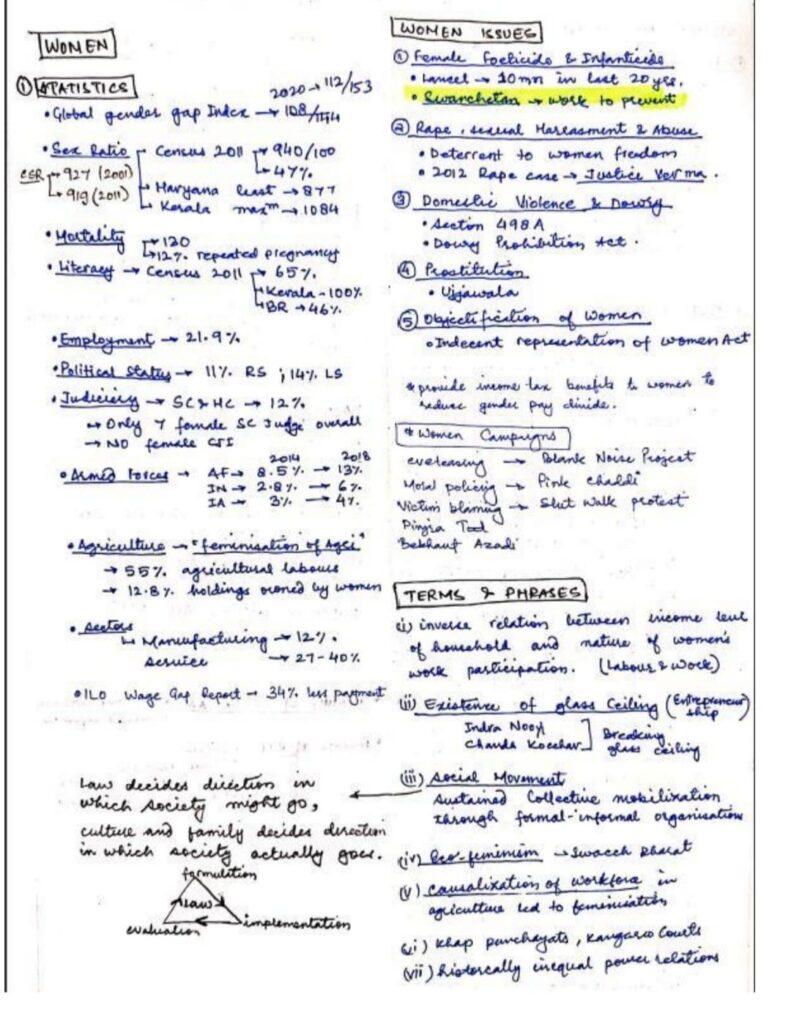
    4. The most important part of mains preparation is to take a hard copy of the syllabus and prepare 50-100 words on each topic given in the syllabus. This helps to revise more efficiently, remember and recollect better during answer writing. For example:

“Role of women and women’s organization”

  1. One of the best sources to prepare such notes for all topics is the InsightsonIndia                               SECURE    programme.                               SECURE    programme       gives                               a compilation of current affairs and static based questions every month and for all GS papers. And the best thing is that these questions are sorted as per the syllabus in a bullet format. Almost all questions that can be prepared from that topic are discussed and one can easily make notes from there. It would be better understood if one goes through the link (September 2021 compilations) https://www.insightsonindia.com/2021/10/06/compilations-insightsias-secure-syn opsis-september-2021/
  • Another absolutely fabulous document to prepare notes from is the Strategy for new India @75 by NITI AAYOG. This document covers 41 themes with challenges, solutions and way forward for all themes. It is recommended that one sees this document at least once. I have prepared short notes for this given under my GS3 Notes.
  • The 2nd ARC summary is also a government document that would provide good keywords for note making. It’s better to use this document as a value addition for already prepared notes.
  • One more free source to prepare notes is the IASnetwork platform. It provides notes for each GS paper. But always prepare your own notes and not just rely on other’s notes. https://www.ias.network/
  • Between prelims and mains, I wrote VisionIAS test series (8 Tests) and practiced answer writing with some friends on a daily basis for one hour (7 questions in one hour).

 My notes:

  1. Mains Test series: 2019:https://drive.google.com/drive/folders/1nSEmsVgRMeC8MQQVv2NyoDIcg8GQ5B ng?usp=sharing

2020:https://drive.google.com/drive/folders/1CzOWz-STUCZm0cN-Cn6vOClma9fjhoOn? usp=sharing

One of the most important things in the whole preparation is newspaper reading. I read The Hindu religiously first thing in the morning everyday. I didn’t take notes regularly, however, I always updated my notes using the data or case studies or any good analysis or phrases given in the newspaper.

For example: “It is not the size of the economy that matters, but the shape of the economy that defines the inclusivity in a nation.”

I have tried to detail everything in this document and hope that it helps my fellow aspirants.

I followed all the above things for four years. It takes a toll on one’s confidence, determination, physical, mental and emotional health. So I would say discipline and perseverance is the key to remaining consistent in this preparation. During my preparation, I would always tell myself that I should enjoy the process and not be perturbed by the huge syllabus or complex examination process. And always see the light at the end of the tunnel. Remember why you wanted to do it in the first place.

“Don’t downgrade your dream just to fit your reality, upgrade your conviction to match your destiny.”

Regards,

Md Manzar Hussain Anjum AIR 125 – UPSC CSE 2020

Email: iasmanzar@gmail.com