Article 370 was a temporary provision in the Constitution of India that granted special autonomous status to the erstwhile State of Jammu and Kashmir (J&K). It was placed in Part XXI of the Constitution, titled “Temporary, Transitional and Special Provisions.” The provision was incorporated on 17 October 1949 and came into force with the Constitution on 26 January 1950. It was made largely inoperative in August 2019, and the Supreme Court upheld this decision in December 2023.
Historical Background
After the partition of British India in 1947, princely states were given the option to accede to India or Pakistan or remain independent. The ruler of Jammu and Kashmir, Maharaja Hari Singh, initially sought to remain independent. In October 1947, tribal invaders from Pakistan attacked the state. Facing a military crisis, the Maharaja signed the Instrument of Accession with India on 26 October 1947, ceding control only over three subjects: defence, external affairs, and communications.
The special circumstances of accession (ongoing war, UN involvement, and incomplete integration) led to the inclusion of Article 370 as a temporary arrangement. N. Gopalaswami Ayyangar, a member of the Drafting Committee, explained in the Constituent Assembly that the state was “not yet ripe” for full integration.
Key Provisions of Article 370
Only Article 1 (name and territory of India) and Article 370 itself applied fully to J&K automatically.
Other provisions of the Indian Constitution could be extended to J&K only with the concurrence of the state government (and later, the Constituent Assembly of J&K).
The state was allowed to have its own Constitution (adopted in 1956) and a separate flag.
The President could issue orders under Article 370(1) to apply constitutional provisions with modifications or exceptions.
Article 370(3) empowered the President to declare the article inoperative, but only on the recommendation of the Constituent Assembly of J&K.
Through Presidential Orders (especially the 1954 Order), Article 35A was inserted, empowering the J&K legislature to define “permanent residents” and grant them special privileges regarding property ownership, government jobs, scholarships, and settlement.
Over the decades, many more provisions of the Indian Constitution were extended to J&K through successive Presidential Orders, gradually reducing the practical autonomy.
Abrogation in 2019
On 5 August 2019, the Union Government issued Constitution (Application to Jammu and Kashmir) Order, 2019 (C.O. 272). This order superseded the 1954 Order and applied all provisions of the Indian Constitution to J&K. It also amended Article 367 (interpretation clause) to replace “Constituent Assembly” with “Legislative Assembly” in Article 370.
On 6 August 2019, the President issued C.O. 273, declaring that all clauses of Article 370 ceased to be operative (except a modified Clause 1). Parliament simultaneously passed the Jammu and Kashmir Reorganisation Act, 2019, which bifurcated the state into two Union Territories:
Jammu and Kashmir (with a legislature)
Ladakh (without a legislature)
The changes came into effect on 31 October 2019. Article 35A also ceased to operate.
Supreme Court Judgment (2023)
A five-judge Constitution Bench headed by Chief Justice D.Y. Chandrachud unanimously upheld the abrogation on 11 December 2023 in In Re: Article 370 of the Constitution.
Key holdings:
Article 370 was a temporary and transitional provision (based on its text, historical context, and placement in Part XXI).
Jammu and Kashmir did not retain any element of internal sovereignty after the Instrument of Accession and the adoption of the Indian Constitution.
The President’s power under Article 370(3) continued even after the dissolution of the J&K Constituent Assembly in 1957.
The use of Article 367 to amend Article 370 was held invalid, but the overall application of the Constitution and the declaration under C.O. 273 were upheld.
The Court directed that Assembly elections be held by 30 September 2024 and that statehood of Jammu and Kashmir be restored “at the earliest.”
Review petitions were later dismissed.
Current Status (as of November 2026)
Article 370 remains in the text of the Constitution but is inoperative except for a modified residual clause.
Jammu and Kashmir is a Union Territory with a Legislative Assembly. The first elections after reorganisation were held in 2024, and an elected government under Chief Minister Omar Abdullah took office in October 2024.
Full statehood has not yet been restored, despite the Supreme Court’s direction and repeated assurances by the Union Government. The issue remains a major political demand of regional parties.
Ladakh continues as a separate Union Territory without a legislature.
Politically, parties such as the National Conference continue to demand restoration of the pre-2019 special status, though the Supreme Court judgment has significantly narrowed the constitutional path for such restoration.
Perspectives
Supporters of abrogation argue that Article 370 created a permanent barrier to full constitutional integration, prevented the application of many progressive laws (especially for women, Scheduled Castes, Scheduled Tribes, and other backward classes), and contributed to separatism and underdevelopment.
Critics contend that the manner of abrogation (during President’s Rule and without the concurrence of an elected assembly) undermined federal principles and the original terms of accession, and that the loss of special status eroded the distinct identity and rights of the region.
Conclusion
Article 370 originated as a temporary constitutional bridge to integrate Jammu and Kashmir under exceptional historical circumstances. Over seven decades it evolved into a symbol of asymmetric federalism. Its effective abrogation in 2019, upheld by the Supreme Court in 2023, marked a major constitutional shift. While the legal special status has ended, the political demand for full statehood and the broader debate over the region’s integration continue.
Key Dates
Instrument of Accession: 26 October 1947
Article 370 incorporated: 17 October 1949
Abrogation (C.O. 272 & 273): 5–6 August 2019
Bifurcation into two Union Territories: 31 October 2019
Central Sector Scheme launched on 17 September 2023 (Vishwakarma Jayanti) by the Ministry of MSME.
Fully funded by the Union Government with an outlay of ₹13,000 crore for FY 2023-24 to FY 2027-28.
Aims to provide end-to-end support to traditional artisans and craftspeople (Vishwakarmas) working in the unorganised sector.
Built on three pillars: Samman (Respect), Samarthya (Capability) and Samriddhi (Prosperity).
Seeks to strengthen the Guru-Shishya parampara and integrate artisans into domestic and global value chains.
Implementing Agencies
Ministry of Micro, Small and Medium Enterprises (Nodal Ministry).
Ministry of Skill Development and Entrepreneurship.
Department of Financial Services, Ministry of Finance.
Eligibility
Artisans/craftspeople aged 18 years or above.
Engaged in one of the 18 notified family-based traditional trades.
Working in the unorganised sector on a self-employment basis (with hands and tools).
Must not have availed similar government self-employment/credit schemes (e.g., PMEGP, Mudra, PM SVANidhi) in the previous 5 years (exceptions for fully repaid loans).
Only one member per family eligible.
Government employees and their families are excluded.
Free registration at Common Service Centres (CSCs) with Aadhaar biometric authentication on the official portal (pmvishwakarma.gov.in).
Verification by local/district screening committees before benefits are processed.
Progress (as of around 2026)
Target of 30 lakh beneficiaries largely achieved.
Lakhs of artisans completed skill training and received toolkits.
Significant number of loans sanctioned under the credit component.
The scheme provides holistic support combining recognition, skilling, tools, affordable credit, digital incentives and market linkages to uplift traditional artisans.
Agnipath recruits young personnel (“Agniveers”) into the Indian Army, Navy and Air Force below officer rank for a fixed 4-year tenure (including ~6 months training).
Key features:
Age: generally 17.5–21 years (one-time relaxation to 23 for 2022 cycle).
Monthly package (70% in-hand, 30% to corpus fund matched by government):
Year 1: ₹30,000
Year 2: ₹33,000
Year 3: ₹36,500
Year 4: ₹40,000
Seva Nidhi (tax-free exit package after 4 years): ~₹11.71 lakh (own contribution + equal government match + interest). No pension or gratuity for the Agniveer period.
Retention: only 25% selected on merit for regular (permanent) service (further ~15 years with full benefits). Remaining 75% exit.
Other: non-contributory life insurance (~₹48 lakh), risk/hardship allowances, skill certificates. Death-on-duty compensation up to ₹1 crore; disability up to ₹44 lakh.
Objectives: younger force (lower average age), contain long-term pension burden, induct tech-adaptable youth, and release disciplined civilians.
Approximately 3 lakh Agniveers are currently serving. The first batch (~18,300 due to complete 4 years by end-2026) was approaching exit when the changes were announced.
Recent Changes (Union Cabinet, 4 November 2026)
Announced by CDS General N.S. Raja Subramani after force assessments. Primarily applies to the ~3 lakh currently serving Agniveers (future batches under review).
Revised framework:
After 4 years: top 25% still selected on merit for immediate regular enrolment (unchanged).
Remaining 75%: offered optional additional 2-year engagement (“Second Tour of Duty”).
After total 6 years: those who complete the extension and are willing can be considered for regular enrolment (subject to selection criteria such as physical fitness, firing, medical, discipline and technical proficiency). This creates a pathway for nearly all willing and eligible Agniveers (no fixed percentage ceiling at the second stage).
Higher pay during extension: ~₹43,500 (5th year) and ~₹47,500 (6th year), plus allowances.
Enhanced Seva Nidhi for those exiting after 6 years (higher government contribution).
Seniority protected: those absorbed after 6 years rank immediately after their batchmates absorbed after 4 years.
Scheme not scrapped; Agnipath continues with this mid-course correction.
Those taking the extension generally lose earlier special reservations in CAPFs/state police. Marriage during the extended period and other service conditions are under discussion.
Critical Analysis
Strengths of the original scheme and the revision
The scheme addressed real structural pressures. Defence pensions form a large share of the budget (around 22% in recent years, with the absolute bill rising under OROP and normal growth), crowding out capital expenditure on modernisation. A younger entry profile and short initial tenure were intended to lower average age and create a pool of skilled, disciplined youth for civilian life. Competitive 25% retention can incentivise performance.
The November 2026 changes respond to operational feedback. Four years is widely regarded as too short to develop a seasoned soldier (veterans note 8–9 years is more realistic for reliable tank crews, artillery teams or small detachments). Retaining trained personnel avoids wasting training investment and helps address manpower shortfalls (annual regular retirements are roughly 50–60,000 while Agniveer intake has been lower, and the Army has faced gaps relative to authorised strength). Higher pay and a clearer pathway improve morale and alignment with recruits’ aspirations. The government and CDS frame it as a planned review rather than a rollback.
Limitations and criticisms
The original design faced strong pushback in 2022 over job security, lack of pension and the short tenure. Critics (including retired officers such as Maj Gen Yash Mor and Adm Arun Prakash) argued it risked combat effectiveness, unit cohesion and the traditional ethos of long-term service. An internal assessment reportedly noted reduced camaraderie due to competition for the 25% slots. Manpower arithmetic was problematic: at 25% retention, replacing annual retirements would require far higher intake than achieved. Nepal’s reservations also affected traditional Gorkha recruitment.
The revision is a partial, reactive fix rather than a comprehensive redesign. It was announced weeks before the first batch’s exit and ahead of assembly elections in recruitment-heavy states (Uttar Pradesh, Punjab, Uttarakhand), leading opponents to call it a political “U-turn” or damage control. It dilutes the original fiscal logic: higher eventual regular numbers will increase future salary and pension liabilities, even if the Agniveer phase itself remains non-pensionable. Uncertainty is deferred rather than removed—selection after six years remains criteria-based and not automatic. Seniority differentials and the two-tier process can breed resentment or unhealthy competition. Remaining gaps include marriage restrictions (barred in the first four years), shorter leave than regulars, clarity on full pensionable service for those absorbed after six years, and risk cover parity.
Veterans’ reactions are mixed: many welcome retention of trained soldiers; others view it as an incomplete correction or argue the scheme should be scrapped in favour of traditional recruitment (with selective short-service options). Broader manpower restructuring (force size, role of CAPFs for border duties, technology substitution) remains unfinished. Policy instability itself can affect long-term recruitment quality and institutional trust.
Overall assessment
The changes are a pragmatic course correction that prioritises operational needs and human factors over pure fiscal maximalism. They make the scheme more viable in the near term by retaining experience and reducing abrupt exits. However, they do not fully resolve the tension between a leaner, cheaper force and a professional, cohesive, experienced one. Sustainable reform will likely require clearer long-term criteria for absorption, transparency on costs and benefits, adjustments to service conditions, and integration with wider defence manpower and modernisation planning rather than successive ad-hoc tweaks.
Democrats achieved a historic “blue wave” in the 2026 midterm elections, seizing control of both the U.S. House of Representatives and the Senate. This marks a sweeping repudiation of President Donald Trump and the Republican Party midway through Trump’s second term. It is the first time since 2006 that both chambers flipped in a midterm.
Senate Results
Democrats secured at least 54 seats to Republicans’ 44, with a net gain of +7. Two races (Alaska and Mississippi) remained too close to call as of November 5, potentially allowing further Democratic gains (up to 56–44).
Democrats needed a net gain of four seats for a majority (accounting for the vice-presidential tie-breaker). They exceeded this by flipping Republican-held or open seats in deep-red or Republican-leaning states:
Texas: James Talarico defeated Ken Paxton (first Democratic senator from Texas since 1993/1988).
Kansas: Adam Hamilton (first Democrat since 1932).
South Carolina: Annie Andrews defeated Darline Graham (sister of the late Lindsey Graham).
Ohio: Sherrod Brown defeated Jon Husted.
Iowa: Josh Turek defeated Ashley Hinson.
Maine: Troy Jackson defeated longtime incumbent Susan Collins.
North Carolina: Roy Cooper won an open seat.
Democrats also held competitive seats (e.g., Jon Ossoff in Georgia, Abdul El-Sayed in Michigan).
House Results
Democrats won control of the House with strong margins. As of early November 5 (Economist data), Democrats held 235 seats to Republicans’ 146 (381 of 435 called), a gain of roughly +30. Other outlets reported Democrats at 228–240+ with dozens of races still counting; some projections pointed to a final Democratic range of 251–268.
This represents the largest popular-vote margin for the House since 1976 in some reporting. Democrats flipped numerous districts, including those Trump carried by double digits (even 15–20+ points) in 2024, and performed strongly in suburban and rural areas. Republicans lost ground in ~99% of counties with substantial vote counts.
Governors and State Races
Democrats made major gains among governorships (36 states held races). Notable flips included:
Texas: Gina Hinojosa defeated three-term Republican Greg Abbott (first Latina governor and first Democratic governor since 1994).
Gains or holds in Iowa, Ohio, Georgia (Keisha Lance Bottoms — first Black woman elected governor of a U.S. state), and others.
Democrats also flipped multiple state legislative chambers (estimates of up to a dozen), ending long Republican majorities in places like Texas (House), Wisconsin, and North Carolina. Republicans failed to flip any Democratic-held congressional seats, governorships, or major state legislative chambers in early tallies.
Voter Turnout and Historic Firsts
Turnout was high for a midterm: roughly 122.7 million ballots counted (~48.8% of eligible voters), the second-highest midterm turnout in over a century (behind 2018). Early voting was substantial.
Notable firsts:
Abdul El-Sayed (Michigan) — first Muslim elected to the U.S. Senate.
Chris Pappas (New Hampshire) — first openly gay man elected to the Senate.
Keisha Lance Bottoms (Georgia) — first Black woman elected governor.
Gina Hinojosa (Texas) — first Latina governor of Texas.
Potential for Hakeem Jeffries to become the first Black Speaker of the House.
Key Drivers of the Democratic Wave
Voters delivered a clear rebuke of the Trump administration, driven primarily by economic discontent:
Cost of living and inflation: High prices (especially fuel/diesel, up sharply) and broader affordability concerns were decisive for a large majority of voters. Exit polls showed ~88% citing the cost of living as important or decisive, and three-quarters viewing the economy negatively.
U.S.-Iran war: The conflict (ongoing since roughly February 2026) disrupted energy supplies, raised gas/diesel prices (diesel reportedly up ~65% in some periods), increased household costs (hundreds of dollars per household in affected areas), and contributed to inflation and higher mortgage rates. Polls showed majority opposition to the war’s costs; it was widely linked to voter anger. Trump and some Republicans later acknowledged its role in the losses.
Other factors included general dissatisfaction with the direction of the country, Trump’s approval ratings, and rejection of some Trump-backed candidates in red states.
The wave reached deep into traditionally Republican territory across the South and Midwest.
Implications
For the remainder of Trump’s presidency: Democrats control both chambers of Congress. This enables investigations, oversight, and resistance to the administration’s agenda (including potential challenges to the Iran policy, spending, and nominations). Significant gridlock is likely; Trump has indicated he will veto Democratic priorities.
Political landscape: Strengthens Democrats heading into 2028. Sets up Hakeem Jeffries as a likely Speaker and elevates new Democratic figures (e.g., Talarico, El-Sayed).
Broader effects: Possible pressure on foreign policy (Iran, energy markets, Ukraine aid, tariffs). Some international observers noted reduced likelihood of escalation in the Iran conflict due to domestic constraints.
A detailed chronological timeline of Indian history from Alexander’s invasion to Indian Independence in 1947
Phase I: Ancient India (Alexander’s Invasion to the Gupta Empire)
May 327 BCE: Alexander the Great crosses the Hindu Kush and begins his invasion of the Indian subcontinent.
May 326 BCE:Battle of the Hydaspes (Jhelum River) — Alexander defeats King Porus; Porus is reinstated due to his valor, but Alexander’s troops refuse to advance further east.
October 321 BCE:Chandragupta Maurya overthrew the Nanda Empire with Chanakya’s assistance, establishing the Maurya Empire at Pataliputra.
305–303 BCE:Seleucid-Mauryan War — Chandragupta defeats Seleucus Nicator, securing large territories in modern Afghanistan/Pakistan.
297 BCE: Bindusara succeeds Chandragupta Maurya.
273–232 BCE: Reign of Ashoka the Great.
c. Winter 261 BCE:The Kalinga War — Enormous casualties lead Ashoka to renounce military expansion (Digvijaya) and embrace Buddhism (Dharmavijaya).
c. 250 BCE: The Third Buddhist Council is convened at Pataliputra under Emperor Ashoka.
185 BCE: Pushyamitra Sunga assassinates the last Mauryan ruler, Brihadratha, and founds the Sunga Dynasty.
c. 150 BCE: Sage Patanjali writes the Mahabhasya during the Sunga era.
c. 30 BCE: Simuka founds the Satavahana Dynasty in the Deccan, marking a rise in indigenous rule and international sea trade with Rome.
c. 58 BCE: Traditional beginning of the Vikrama Era.
78 CE: Accession of Kanishka the Great (Kushana Dynasty) and the initiation of the Saka Era.
320 CE:Chandragupta I ascends the throne, marking the official start of the Gupta Empire (Golden Age).
335–380 CE: Reign of Samudragupta, the “Napoleon of India”.
375–415 CE: Reign of Chandragupta II (Vikramaditya); cultural apex and visit of Chinese pilgrim Fa-Hien.
415–455 CE: Reign of Kumaragupta I; founding of Nalanda University (c. 450 CE).
455–467 CE: Skandagupta successfully repels the initial waves of Huna (White Hun) invasions.
Phase II: Early Medieval India (Post-Gupta to the Delhi Sultanate)
500–530 CE: Devastating invasions by Huna leaders Toramana and Mihiragula shatter northern political unity.
606–647 CE: Reign of Harshavardhana; Chinese traveler Hiuen Tsang (Xuanzang) resides in India (c. 630–643 CE).
c. 630 CE: Chalukya monarch Pulakeshin II defeats Harshavardhana on the banks of the Narmada River.
711–712 CE: Arab general Muhammad bin Qasim defeats Dahir and conquers Sindh (captured Debal in May 712 CE).
753 CE: Dantidurga founds the Rashtrakuta Dynasty, which later builds the Ellora Kailasa Temple.
788–820 CE: Life of Adi Shankara, who propagates Advaita Vedanta and establishes four mathas.
c. 850 CE: Vijayalaya captures Thanjavur, reviving the imperial Chola Dynasty.
973 CE: Tailapa II establishes the Western Chalukya (Chalukyas of Kalyani) dynasty.
985–1014 CE: Reign of Rajaraja I (Chola); expansion of Chola maritime supremacy and construction of the Brihadisvara Temple.
1000–1027 CE:Mahmud of Ghazni launches 17 plundering raids into India, sacking the Somnath Temple in January 1025 CE.
1012–1044 CE: Reign of Rajendra I (Chola); naval expedition reaches Southeast Asia and the Ganges delta.
1178–1192 CE: Reign of Prithviraj Chauhan (Prithviraj III) over Delhi and Ajmer.
1191 CE:First Battle of Tarain — Prithviraj Chauhan defeats Mu’izz al-Din Muhammad Ghori.
1192 CE:Second Battle of Tarain — Muhammad Ghori decisively defeats Prithviraj Chauhan.
1194 CE:Battle of Chandawar — Muhammad Ghori defeats Jayachandra of Kannauj.
1206 CE: Qutb-ud-din Aibak establishes the Slave Dynasty (Delhi Sultanate) after Ghori’s death on March 15, 1206 CE.
Phase III: The Delhi Sultanate & Regional Kingdoms
November 1210 CE: Qutb-ud-din Aibak dies playing polo; Iltutmish succeeds him, consolidating the Sultanate.
1236–1240 CE: Reign of Razia Sultana, the first female Muslim ruler of Delhi.
1266–1287 CE: Reign of Ghiyas ud din Balban; introduces absolute monarchical control (Sijda and Paibos).
1296–1316 CE: Reign of Alauddin Khalji; institutes price controls, market regulations, and stands against Mongol raids.
1325–1351 CE: Reign of Muhammad bin Tughlaq; enacts controversial reforms (token currency, moving capital to Daulatabad).
April 1336 CE: Harihara and Bukka found the Vijayanagara Empire on the Tungabhadra River.
August 3, 1347 CE: Ala-ud-din Bahman Shah founds the independent Bahmani Sultanate in the Deccan.
1351–1388 CE: Reign of Firuz Shah Tughlaq; prolific builder of canals and public infrastructure.
December 17, 1398 CE: Central Asian conqueror Timur (Tamerlane) defeats Delhi’s forces and sacks the city.
1414–1451 CE: The Sayyid Dynasty rules Delhi.
1451–1526 CE: The Lodi Dynasty (first Afghan ruling house of Delhi) holds power.
April 15, 1469 CE: Birth of Guru Nanak Dev Ji, founder of Sikhism.
1509–1529 CE: Reign of Krishnadevaraya; Golden Age of the Vijayanagara Empire.
April 21, 1526 CE:First Battle of Panipat — Babur uses artillery to defeat Ibrahim Lodi, founding the Mughal Empire.
Phase IV: The Mughal Era & Rise of Regional Powers
March 16, 1527 CE:Battle of Khanwa — Babur defeats Rana Sanga of Mewar, sealing Mughal dominance.
1530–1540 & 1555–1556 CE: Reign of Humayun, interrupted by Sher Shah Suri (1540–1545 CE), who constructs the Grand Trunk Road and introduces the Rupiah.
November 5, 1556 CE:Second Battle of Panipat — Bairam Khan defeats Hemu Vikramaditya; accession of Akbar.
January 26, 1565 CE:Battle of Talikota — United Deccan Sultanates defeat Vijayanagara, leading to the destruction of Hampi.
1571 CE: Akbar constructs Fatehpur Sikri.
June 18, 1576 CE:Battle of Haldighati — Mughal forces under Man Singh clash with Maharana Pratap of Mewar.
December 31, 1600 CE: Queen Elizabeth I grants a royal charter to the English East India Company.
1605–1627 CE: Reign of Jahangir; peak of Mughal miniature painting. May 30, 1606 CE: Execution of Sikh Guru Arjan Dev.
1615 CE: Sir Thomas Roe arrives at Jahangir’s court as King James I’s ambassador.
1628–1658 CE: Reign of Shah Jahan; construction of the Taj Mahal (begun 1631 CE).
1658–1707 CE: Reign of Aurangzeb (Alamgir); peak territorial expansion and religious conservatism.
June 6, 1774 CE: Coronation of Chhatrapati Shivaji Maharaj at Raigad, establishing Maratha Swarajya.
November 11, 1675 CE: Execution of ninth Sikh Guru, Guru Tegh Bahadur, by Aurangzeb.
April 13, 1699 CE: Guru Gobind Singh Ji establishes the Khalsa Panth at Anandpur Sahib.
February 20, 1707 CE: Death of Emperor Aurangzeb, triggering the swift decline of the Mughal Empire.
Phase V: British Ascendancy & Territorial Conquest
1717 CE: Mughal Emperor Farrukhsiyar issues a farman granting the EIC duty-free trade privileges in Bengal.
February 13, 1739 CE: Persian ruler Nadir Shah defeats the Mughals at the Battle of Karnal and sacks Delhi.
1746–1748 CE: First Carnatic War introduces European combat tactics to local Indian conflicts.
June 23, 1757 CE:Battle of Plassey — Robert Clive defeats Nawab Siraj-ud-Daulah via betrayal, setting up British political hegemony in Bengal.
October 22, 1764 CE:Battle of Buxar — British defeat combined Indian forces.
August 12, 1765 CE:Treaty of Allahabad — Robert Clive secures the Diwani (revenue rights) of Bengal, Bihar, and Odisha for the EIC.
1767–1769 CE: First Anglo-Mysore War; Hyder Ali confronts the British.
1773 CE:Regulating Act of 1773 passed by the British Parliament; Warren Hastings becomes the first Governor-General of Bengal.
1784 CE: Pitt’s India Act establishes dual control by the British government and the EIC.
May 4, 1799 CE:Fourth Anglo-Mysore War — Tipu Sultan dies defending Srirangapatna.
September 1803 CE: Second Anglo-Maratha War; British capture Delhi and protect blind Mughal Emperor Shah Alam II.
1817–1818 CE: Third Anglo-Maratha War; final collapse of the Maratha Confederacy, leaving Britain as the primary power in India.
December 4, 1829 CE: Governor-General Lord William Bentinck passes legislation abolishing Sati with Raja Ram Mohan Roy’s support.
1833 CE: Charter Act of 1833 centralizes legislative authority under the Governor-General of India.
1848–1849 CE: Lord Dalhousie introduces the Doctrine of Lapse; Second Anglo-Sikh War ends with the Annexation of Punjab (March 29, 1849 CE).
April 16, 1853 CE: Operation of the first passenger railway from Bombay to Thane.
Phase VI: The Freedom Struggle & Independence
May 10, 1857 CE:The Great Revolt / First War of Independence breaks out with sepoy mutinies in Meerut.
August 2, 1858 CE:Government of India Act 1858 ends East India Company rule; direct administration transfers to the British Crown under Viceroy Lord Canning.
December 28–30, 1885 CE: First session of the Indian National Congress (INC) convenes in Bombay under W.C. Bonnerjee.
July 20, 1905 CE: Lord Curzon announces the Partition of Bengal; sparks the nationwide Swadeshi and Boycott Movement.
December 30, 1906 CE: Foundation of the All-India Muslim League in Dhaka.
December 1907 CE: Surat Split — The INC divides into Moderates and Extremists.
November 1909 CE:Morley-Minto Reforms (Indian Councils Act 1909) introduce separate communal electorates for Muslims.
December 12, 1911 CE: Delhi Durbar; King George V announces the annulment of the Bengal Partition and relocation of the capital to Delhi.
January 9, 1915 CE:Mahatma Gandhi returns to India from South Africa.
December 1916 CE:Lucknow Pact signed between the INC and Muslim League.
April 1917 CE:Champaran Satyagraha — Gandhi’s first successful civil disobedience campaign.
March 1919 CE: Enactment of the repressive Rowlatt Act; Jallianwala Bagh Massacre in Amritsar on April 13, 1919 CE.
August 1, 1920 – February 1922 CE: Mahatma Gandhi launches the Non-Cooperation Movement, suspended after the Chauri Chaura violence (February 4, 1922 CE).
January 1, 1923 CE: Motilal Nehru and C.R. Das form the Swaraj Party.
February 3, 1928 CE:Simon Commission arrives in India to widespread protests; Lala Lajpat Rai dies after a police lathi charge (November 17, 1928 CE).
December 31, 1929 CE:Lahore Session of the INC adopts the Purna Swaraj (Complete Independence) resolution.
March 12 – April 6, 1930 CE:Civil Disobedience Movement begins with the historic Dandi March (Salt March).
March 5, 1931 CE:Gandhi-Irwin Pact signed. March 23, 1931 CE: Execution of Bhagat Singh, Sukhdev, and Thapar.
August 16, 1932 CE: Ramsay MacDonald announces the Communal Award; Gandhi’s fast leads to the Poona Pact (September 24, 1932 CE).
August 1935 CE:Government of India Act 1935 passed, introducing provincial autonomy.
September 3, 1939 CE: World War II begins; Viceroy declares India a belligerent party without consent, causing Congress ministries to resign en masse.
March 23, 1940 CE: Muslim League passes the Lahore Resolution demanding Pakistan.
August 8, 1942 CE: INC passes the Quit India Resolution with the call “Do or Die” in Bombay.
November 1945 – May 1946 CE:INA Trials at the Red Fort ignite national outrage; February 18–23, 1946 CE: Royal Indian Navy (RIN) Mutiny in Bombay.
March–June 1946 CE:Cabinet Mission Plan attempts to frame a transfer of power. Muslim League observes “Direct Action Day” on August 16, 1946 CE, triggering widespread communal riots.
June 3, 1947 CE:Mountbatten Plan outlines the partition of British India.
August 15, 1947 CE: India achieves formal Independence and partition into the dominions of India and Pakistan.
বাংলা লেখার মুন্সিয়ানার প্রথম কথাটাই হল সাবলীলতা। বলিষ্ঠ শব্দপ্রয়োগ একটা নেশা বটে কিন্তু কিছু শব্দের বলিষ্ঠতা একটা গোটা লেখাকে নষ্ট করে দিতে পারে যদি না সেই বলিষ্ঠতা পুরো লেখাকে একমাত্রায় বাঁধতে সক্ষম হয়। আমাদের চিন্তাভাবনার প্রতিফলন আমাদের লেখা। অনেক লেখা আমরা প্রতিনিয়ত পড়ি যেখানে লেখকের চরিত্রের আঁচ লেখার থেকেই পাওয়া যায়। গুরুগম্ভীর শব্দপ্রয়োগ, বক্তব্যের বলিষ্ঠতা, শুরুর থেকে শেষ এক অটুট বাঁধনে লেখা নিয়ে যাওয়া।অর্থাৎ লেখকের চারিত্রিক দৃঢ়তা বা তাঁর চিন্তাভাবনার স্বচ্ছতা পরিস্ফুট হয় তাঁর লেখাতে। লেখা পড়েই যেন সেই লেখকের প্রতি সম্ভ্রম জাগে।
আবার কিছু আনাড়ি লেখার ধরণ দেখলেই লেখকের চারিত্রিক উদাসীনতা বা দুর্বলতার সন্ধান মেলে। দারুণ শুরু কিন্তু খেই হারিয়ে ফেলা সহজেই। জটিল শব্দের আনাগোনা আছে বটে কিন্ত লেখনীর প্রাঞ্জলতার অভাব জানান দেয় লেখকের চারিত্রিক গঠনের কিছু সমস্যার কথা। এক অপূর্ণতা যেন দৃশ্যমান। বলার ইচ্ছে অনেক কিছুই কিন্তু প্রকাশের অপারগতা লেখাকে নামিয়ে আনে অতি সাধারণ স্তরে। চরিত্রের অপূর্ণতা, জীবনের লক্ষ্যভেদে বিচলতা বা বিফলতা লেখার দর্পনে ধরা পড়ে আর জানান দেয় সেই লেখকের হতাশাভরা জীবনদর্শনকে।
আবার আরেক শ্রেণীর লেখক আছেন যাঁরা এই বলিষ্ঠতার ধার ধারেন না। তাঁদের লেখা তাঁদের চরিত্রের মতোই সাবলীল, সুন্দর,বাঙ্ময়। অনেক জটিল ভাব ও তাঁরা সহজ, সরল কথায় প্রকাশে সক্ষম। তাঁদের চরিত্রে যেমন জটিলতা নেই তেমনই তাঁদের লেখাতেও নেই আড়ষ্টতা। ঝরঝরে, নির্মেদ লেখা যেমন সুপাঠ্য তেমনই মনের ঈশান কোণে সেই লেখকের প্রতি জাগিয়ে তোলে ভালোবাসা মেশানো ভক্তি। লেখা নিয়ে কারুকার্য করার তাঁদের প্রয়োজনই পরে না। কারণ তাঁদের লেখার ধরণ এতটাই সাধারণ যে অসাধারণত্ব ও হার মানে। শব্দচয়নে কোনো ছুতমার্গ নেই, না আছে তার প্রয়োগের গোঁড়ামি। লেখা যেন এক অকৃত্রিম ফল্গুধারা – বাঁধাহীন বহমানতা, সীমাহীন শীতলতা আর অপার সৌন্দর্য সবকিছুর এক অনন্য মিশেল।
লেখার ক্ষেত্রে নিজস্বতা সবচেয়ে কাঙ্খিত বিষয়। নিজের মতো লেখা এরচেয়ে তৃপ্তি আর কিছুতেই নেই। কিন্তু লিখতে শেখার ক্ষেত্রে কোনো বিশেষ ধারাতে প্রভাবিত হওয়া অস্বাভাবিক নয়। কিন্তু কে আমাকে প্রভাবিত করছেন সেটাও দেখবার বিষয় বটে। আমি তিনশ্রেণীর লেখনী বা লেখকের কথা বললাম। প্রথমশ্রেণীর অনুসরণ করাটা একটা বেশ রোমান্টিক চিন্তা বটে কিন্ত একবার পা হড়কালে দ্বিতীয় গোত্রে অধঃপতন অনিবার্য। বিদ্যাসাগর বা বঙ্কিমচন্দ্রকে বা তাঁদের লেখনী পূজো করা সহজ কিন্তু তাঁদের লেখনীতে প্রভাবিত হয়ে একটু তালগোল পাকালে আম, ছালা দুটোই যাওয়ার ভয় থাকে। দ্বিতীয় শ্রেণীর কথা আর না বলাই ভালো। অন্যের প্রভাবে স্বকীয়তা হারানো মানুষজন ওই শ্রেণীতে পড়তে বাধ্য। তাই লেখা শিখবার জন্য সবচেয়ে নিরাপদ হল তৃতীয় শ্রেণীর প্রভাব। স্বাভাবিকতা তো অননুকরণীয়তার আরেক নাম। তাই ওই শ্রেণীর লেখা অনুকরণ করা অসম্ভব কিন্তু অনুসরণ করা যেতেই পারে। ওই লেখাগুলো যেন বুক চাপড়ে জানান দেয়, নিজস্বতা হে নিজস্বতা – উত্তরণের এর চাইতে আর ভালো কোনো পথ নেই। লেখার সাবলীলতা, শব্দের অবাধ বিচরণ, ভাবের দৃপ্ত স্বকীয়তা এই লেখাকে উন্নীত করে অসাধারণত্বের স্তরে। প্রাঞ্জল,মৌলিক, সুপাঠ্য এই লেখনশৈলী তাই আমাদের হৃদয়ে পায় চিরকালের ঠিকানা।
একলব্য ব্যাচে আমাদের লক্ষ্য এইধরণের লেখা শেখা। একদম গোড়ার থেকে আমরা নিজস্বতাকে শ্রদ্ধা করে শিখবো নিজেদের লেখা এই স্তরে উন্নীত করতে। আজ এপর্যন্তই। পরের বাংলা ক্লাসে আমরা শিখবো বঙ্গানুবাদ কিভাবে করতে হয়।
আমার ক্লাসে আমি ওই প্রচলিত গতের বাইরে বেরোতে চেষ্টা করি। তোমরাও যদি নিয়ম ভাঙতে চাও যুক্ত হয়ে যাও অধ্যয়নে আমার ক্লাসরুমে। বাংলা-ইংরেজির প্রেমে পড়বে কথা দিলাম। তাহলে 6295350330 তে করে নাও একখানা হোয়াটস্যাপ আর যুক্ত হয়ে যাও আমার ডেসক্রিপটিভ ক্লাসে। PSC Miscellaneous, WBCS, ক্লার্কশিপ যেকোনো ডেসক্রিপটিভ পরীক্ষার সাহায্য পাবে।
ভ্রমণ ও সাহিত্যপ্রেম – বাঙালির চিরন্তন দুই সত্ত্বা। ভ্রমণপিপাসু, সাহিত্যপ্রেমী বাঙালির সাহিত্যচর্চায় ভ্রমণের তাই অবাধ বিচরণ। বাংলা সাহিত্যে ভ্রমণের প্রভাব বা বাঙালির ভ্রমণে সাহিত্যের ভূমিকা কোনটা এগিয়ে থাকবে তা নিয়ে চায়ের পেয়ালায় তুফান উঠতেই পারে। সেই সুদূর অতীত থেকে হালফিলের অবক্ষয়গামী বাংলা সাহিত্য – ভ্রমণকেন্দ্রিক লেখার চাহিদা পাঠকমহলে চিরকালীন।
বিশ্বকবি রবীন্দ্রনাথ ঠাকুরের প্রথম গদ্যাকারে প্রকাশিত বই ‘ইউরোপ প্রবাসীর পত্র ‘ তাঁর প্রবাসভ্রমণের দলিল যা কূপমন্ডুক বাঙালিকে বিলাতের জীবনযাত্রার সুস্পষ্ট ধারণা দেয়। বিভূতিভূষণ বন্দ্যোপাধ্যায় কোনোদিন আফ্রিকা যান নি বটে কিন্তু তাঁর ‘চাঁদের পাহাড় ‘ আজও আট থেকে আশি সকলকে মুগ্ধ করে আফ্রিকার নিখুঁত বর্ণনায়। ‘বিগলিত করুণা জাহ্নবী যমুনা’ থেকে ‘ব্রহ্মলোকে’ শঙ্কু মহারাজের লেখা বহু ভ্রমণপ্রেমী বাঙালিকে ঘরছাড়া করেছে, নিয়ে গেছে প্রকৃতির কাছে, হিমালয়ের পাশে। কালকূটের ‘অমৃতকুম্ভের সন্ধানে ‘ যেন বাঙালির ভ্রমণতৃষ্ণা আর ধর্মপ্রাণের এক অমর যোগ।
সেই অর্থে সত্যজিৎ রায় ভ্রমণসাহিত্য লেখেন নি বটে কিন্তু তাঁর প্রায় সব গোয়েন্দাগল্পের পটভূমি তো আম বাঙালির পূজোর ঘোরার হটস্পট। ‘হত্যাপুরী ‘ থেকে ‘বাদশাহী আংটি ‘, ‘দার্জিলিং জমজমাট থেকে ‘ভূস্বর্গ ভয়ঙ্কর ‘, ‘গ্যাংটকে গন্ডগোল’ থেকে ‘যত কান্ড কাঠমান্ডুতে ‘ ফেলুদা, তোপসে, জটায়ুর চোখে বাঙালি দেখেছে ভারত বা তার বাইরের দুনিয়াকে। হালফিলের বাংলা ভ্রমণসাহিত্য হয়তো কিছুটা কৌলিন্য হারিয়েছে। কিন্তু যে মানের লেখা আমাদের নিজস্ব সাহিত্যভাণ্ডারে আছে তাই বা কম কি? সঞ্জীব চাটুজ্জের ‘পালামৌ’ হোক বা সৈয়দ মুজতবা আলির ‘দেশে বিদেশে ‘ কিংবা প্রবোধ কুমার সান্যালের ‘মহাপ্রস্থানের পথে ‘ হোক বাংলা ভ্রমণ সাহিত্য বাংলা ও বাঙালির চিরন্তন সম্পদ। তাই যতদিন সাহিত্য থাকবে, যতদিন বাঙালি থাকবে, বাংলা ভ্রমণ সাহিত্যের ও গরিমা থাকবে অমলিন I
আমার কাছে এরকমই বাংলা শিখতে হলে বা ইংরেজি জানতে হলে যুক্ত হতে পারো জনপ্রিয় কোর্স Eklavya Descriptive Bangla-English Batch এ। বিশদে জানতে নিচের লিঙ্কে যাও
1905- Albert Einstein’s formulation of special relativity
1907- Bakelite, the world’s first fully synthetic plastic, invented in New York by Leo Baekeland, who coins the term “plastics”.
1911- Roald Amundsen first reaches the South Pole
1912- The African National Congress is founded. End of the Chinese Empire. Republic of China established. First Balkan war.
1913- Second Balkan war
1914- Panama Canal opens. In the Banana Wars, the United States occupation of Haiti begins. World War I started.
1917- Russian Revolution. The first Pulitzer Prizes announced. October Revolution in the Russian Republic.
Spanish Flu- 1918-1920
1918- The Armistice of 11 November 1918 ends World War I.
1919- Paris Peace Conference writes Treaty of Versailles that punishes Germany. Communist International established in the Kremlin to coordinate Communist parties worldwide. The International Labour Organization is established.
1920- January 10: League of Nations founded. Prohibition in the United States begins.
1921- The Italian National Fascist Party is established by Benito Mussolini.
1922- British Broadcasting Corporation (BBC) established. Irish Free State is established, while the province of Northern Ireland is created within The United Kingdom. Fascism first appeared in Italy with the rise to power of Benito Mussolini in 1922
1923- Time Magazine is first published. Mustafa Kemal Atatürk becomes the first President of the newly established Republic of Turkey.
1924- Vladimir Lenin died. The first edition of the Winter Olympic Games is hosted in Chamonix, France. The Caliphate is abolished by Kemal Atatürk. Ramsay MacDonald becomes Prime Minister of the United Kingdom; first Labour Party prime minister.
1927- The United Kingdom of Great Britain and Ireland officially becomes the United Kingdom of Great Britain and Northern Ireland. The Jazz Singer, the first “talkie”, is released. World population reaches two billion. Soviet general secretary Joseph Stalin becomes dictator of the Soviet Union.
1929- The first Academy Awards are presented. Wall Street Crash of 1929 and the beginning of the Great Depression.
1931- Statute of Westminster creates the British Commonwealth of Nations. Christ the Redeemer, one of the seven wonders of the world completed.
1932- The neutron is discovered by James Chadwick. The Nazi party becomes the largest single party in the German parliament.
1933- January 30: Adolf Hitler becomes Chancellor of Germany. Prohibition in the United States is abolished. Germany announces its withdrawal from the League of Nations and the World Disarmament Conference, after the U.S., the U.K. and France deny its request to increase its defence armaments under the Versailles Treaty. Japan announces it will leave the League of Nations.
1934- With the death of Paul von Hindenburg, Hitler declares himself Führer of Germany. Mao Zedong begins the Long March.
1935- Reza Shah of Iran asks the international community to formally adopt the name “Iran” to refer to the country, instead of the name “Persia”.
1936- Beginning of the Spanish Civil War.
1937- Snow White and the Seven Dwarfs is the first feature-length animated movie released.
1939- End of Spanish Civil War; Francisco Franco becomes dictator of Spain. Nazi invasion of Poland triggers World War II in Europe. Soviet invasion of Poland begins 16 days later. Britain and France declare war on Germany; World War II begins. World War II officially began on 1 September 1939, when Hitler unleashed his Blitzkrieg, or lightning war, against Poland
1940- Battle of Britain, the first entirely aerial military campaign, becomes the first significant defeat for the Axis powers. Leon Trotsky is assassinated in Mexico.
1941- December 7: The Japanese Attack on Pearl Harbor leads to the USA joining World War II.
1943- A famine in Bengal kills up to 3 million people.
1944- June 6: D-Day landings in Normandy. Adolf Hitler survives the 20 July plot to assassinate him led by Claus von Stauffenberg. First operational electronic computer, Colossus, comes online.
1945- In early February 1945, the three Allied leaders, Franklin Roosevelt, Winston Churchill, and Joseph Stalin, met at newly liberated Yalta in the Crimea in the Soviet Union in the Yalta Conference. Hitler committed suicide on 30 April 1945. Execution of Mussolini. End of World War II in Europe. The Holocaust ends after ~12 million deaths, including 6 million Jews. The Allied team produced two nuclear weapons for use in the war, one powered by uranium-235 and the other by plutonium as fissionable material, named “Little Boy” and “Fat Man”. These were dropped on the Japanese cities of Hiroshima and Nagasaki on 6 and 9 August 1945 each. Following the end of the war, the Allies famously prosecuted numerous German officials for war crimes and other offenses in the Nuremberg Trials
June 26: United Nations founded (UN Charter).
1946- First images of the Earth taken from space. In March 1946, Winston Churchill gave a now famous speech while visiting Westminster College in the US which is usually credited as the first use of the term Iron Curtain to refer to the separation of Soviet and Western areas of influence in Europe
1947- Harry Truman establishes the Truman Doctrine of containment of Communism.
1948- The World Health Organization (WHO) founded. The Organisation for Economic Co-operation and Development (OECD) founded. The Soviet Sever-2 expedition becomes the first party to indisputably set foot on the North Pole. The Marshall Plan, an American initiative for foreign aid of $13 billion to 16 Western European countries, comes into effect. The Arab–Israeli War begins. December 10: The Universal Declaration of Human Rights adopted by the United Nations General Assembly.
Beginning of apartheid in South Africa.
1949- The First Indo-Pakistani War ends. COMECON founded by USSR and the Eastern Bloc. The Creation of NATO. Creation of NATO-backed Federal Republic of Germany (West Germany). Albert II became the first mammal launched into space. October 1: Chinese Communist Revolution: Establishment of the People’s Republic of China under CCP Chairman Mao Zedong; The Republic of China relocates to Taiwan. Creation of the socialist German Democratic Republic (East Germany).
1950- North Korean invasion of South Korea begins the Korean War. UN forces reclaim Seoul and invade North Korea. Alan Turing publishes the Turing test, one of the most influential yet controversial concepts in artificial intelligence research.
1952- Queen Elizabeth II becomes Monarch of the Commonwealth realms. Egyptian Revolution under Gamal Abdel Nasser overthrows King Farouk and ends British occupation.
1953- Death of Stalin. Coronation of Elizabeth II. The first colour television is produced.
1955- Death of Albert Einstein. The first large-scale Asian–African or Afro–Asian Conference also known as the Bandung Conference, was a meeting of Asian and African states, most of which were newly independent, which took place on 18–24 April 1955 in Bandung, West Java, Indonesia. Signing of the Warsaw Pact.
1956- Nasser’s nationalisation of the Suez Canal triggers the Suez crisis.
1957- Launch of Sputnik 1 and the beginning of the Space Age. Treaty of Rome, which would eventually lead to the European Union. Laika becomes the first animal launched into Earth orbit. Beginning of the Asian flu in China, leading to a worldwide pandemic that lasts until the following year.
1959- Beginning of the Vietnam War, which lasts until 1975. First documented AIDS cases.
1960- First crewed descent to the deepest point on Earth, the Mariana Trench. Sirimavo Bandaranaike becomes Prime Minister of Ceylon and the first female Prime Minister in the world. The Beatles form in Liverpool. Year of Africa: Independence of 17 African nations.
1961- Construction of the Berlin Wall. UN Secretary General Dag Hammarskjöld dies in a plane crash.
1962- The Cuban Missile Crisis nearly causes nuclear war.
1963- Martin Luther King Jr. delivers “I Have a Dream” speech at the March on Washington for Jobs and Freedom. Assassination of John F. Kennedy. Vice President Lyndon B. Johnson assumes office as President of the United States.
1967- The Six-Day War, a conflict between Israel and Arab states that resulted in Israel occupying the Gaza Strip, the Sinal Peninsula, the West Bank and the Golan Heights. Association of Southeast Asian Nations (ASEAN) founded.
1968- Assassination of Martin Luther King Jr.
1969- June 20- Apollo 11 Moon landing, in which Neil Armstrong and Buzz Aldrin become the first two humans on the Moon.
1971- Idi Amin seizes power in Uganda.
1972- September 5–6: The Munich massacre, perpetrated by the Black September terrorist organization and aimed at the Israeli Olympic team, results in 17 total deaths.
1973- The first space station, Skylab, is launched. The Yom Kippur War also known as the 1973 Arab–Israeli War, the fourth Arab–Israeli War, the October War or the Ramadan War was fought from 6 to 25 October 1973 between Israel and a coalition of Arab states led by Egypt and Syria.
1974- Watergate scandal: Resignation of Richard Nixon; Vice President Gerald Ford assumes office as President of the United States, the first person not elected as either President or Vice President to take the role.
1975- Microsoft founded in Albuquerque, New Mexico, by Bill Gates and Paul Allen. The Fall of Saigon ends the Vietnam War.
1976- 1976 Argentine coup d’état leads to a military dictatorship in Argentina. Steve Wozniak invents the Apple I and Steve Jobs then convinces Wozniak to sell the system, giving birth to Apple Computer. Operation Entebbe, a successful counter-terrorist hostage-rescue mission carried out by commandos of the Israel Defense Forces (IDF) at Entebbe Airport in Uganda.
1978- The War in Afghanistan begins with the Saur Revolution. Discovery of Pluto’s moon Charon. The Camp David Accords are signed between Israel and Egypt. Louise Brown is the first child successfully born after her mother received in vitro fertilisation treatment. Invention of artificial insulin.
1979- The Iranian Revolution ends. Shah Reza Pahlavi is overthrown and forced into exile. Margaret Thatcher becomes the first female Prime Minister of the United Kingdom. The Uganda–Tanzania War ends with defeat for Uganda and the exile of Idi Amin. The Iran hostage crisis begins. The Soviet–Afghan War begins with the Soviet invasion of Afghanistan. Implementation of China’s one-child policy.
1980- WHO announces the eradication of smallpox. Launch of Cable News Network (CNN). Beginning of the Iran–Iraq War.
1981- Iran releases the 52 U.S. hostages held in Tehran after 444 days. The AIDS epidemic officially begins in the United States, having originated in Africa; making this to be an ongoing pandemic.
1982- The Hama massacre in Syria, a conflict between Syria and the Muslim Brotherhood, results in a decisive Syrian victory and about 10,000 deaths. Falklands War between UK and Argentina. The Falklands War) was a ten-week undeclared war between Argentina and the United Kingdom in 1982 over two British dependent territories in the South Atlantic: the Falkland Islands and its territorial dependency, South Georgia and the South Sandwich Islands. The conflict began on 2 April 1982, when Argentina invaded and occupied the Falkland Islands, followed by the invasion of South Georgia the next day.
First Israeli invasion of Lebanon begins. Michael Jackson releases his landmark album Thriller, the best-selling album of all time.
1983- The Bombing of U.S. Embassy in Beirut results in 63 deaths. Sri Lankan Civil War begins. End of dictatorship in Argentina.
1984- The human immunodeficiency virus (HIV) is recognized as the cause of HIV/AIDS, and research on zidovudine and other treatments gets underway.
1985- 73 years after its infamous disaster, the wreck of the Titanic is found off the coast of Newfoundland by a joint French–American expedition led by Jean-Louis Michel of IFREMER and Robert Ballard of the Woods Hole Oceanographic Institution. Windows 1.0, the first Microsoft Windows operating system, released. First use of DNA fingerprinting.
1986- The Space Shuttle Challenger breaks apart 73 seconds into its flight, killing all seven crew members aboard. Return of Halley’s Comet. The Chernobyl disaster in Ukraine.
1987- The Intermediate-Range Nuclear Forces Treaty is signed in Washington, D.C., by U.S. President Ronald Reagan and Soviet leader Mikhail Gorbachev.
1988- Beginning of the perestroika (“restructuring”), a political movement for reformation within the Communist Party of the Soviet Union during the 1980s associated with Gorbachev and his glasnost (“openness”) policy reform. Morris worm, first computer virus distributed through the Internet. Israeli–Palestinian conflict; beginning with the independent State of Palestine being proclaimed from Algiers.
1989- Revolutions of 1989 bring down Communist and authoritarian regimes around the world. Tiananmen Square Massacre, in which troops armed with assault rifles and accompanied by tanks fired at student-led demonstrations held in Tiananmen Square, Beijing, resulting in an undisclosed number of deaths (estimated in hundreds to thousands). An unknown Chinese protester, “Tank Man”, stands in front of a column of military tanks on Chang’an Avenue in Beijing, temporarily halting them, an incident which achieves iconic status internationally through images taken by Western photographers. November 9: Fall of the Berlin Wall; the Revolutions of 1989 and the collapse of the Soviet Bloc begin in Europe, which leads to the end of the Cold War. The Communist government of Czechoslovakia falls during the Velvet Revolution.
1990- Nelson Mandela is released from Victor Verster Prison, Robben Island outside Cape Town, South Africa after 27 years as a political prisoner. End of the dictatorship of Augusto Pinochet in Chile. Gulf War begins. German reunification. Tim Berners-Lee publishes the first web site, which described the World Wide Web project. Myanmar Armed Forces place Aung San Suu Kyi under house arrest.
1991- The Gulf War ends in US withdrawal and a failed uprising. Elizabeth II becomes the first British monarch to address the U.S. Congress during a 13-day royal visit in Washington, D.C. Boris Yeltsin becomes the first President of Russia. Michael Schumacher, regarded as one of the greatest Formula One drivers in history, makes his Formula One debut at the Belgian Grand Prix.
1992- The Maastricht Treaty is signed, creating the European Union. The Bosnian War begins.
1993- Velvet Divorce between Czech Republic and Slovakia. Oslo accords end First Intifada between Israel and Palestine. Battle of Mogadishu (Black Hawk Down) leaves over 3,000-4,000 people dead. Colombian drug lord Pablo Escobar is gunned down by police.
1994- Establishment of North American Free Trade Agreement (NAFTA). End of apartheid in South Africa and election of Nelson Mandela. The First Chechen War begins. Construction of the Three Gorges Dam begins in Hubei, China.
1995- Establishment of the World Trade Organization. NATO bombing raids in Bosnia end the Bosnian War. Release date of Windows 95.
1996- A sudden storm engulfs Mount Everest with several climbing teams high on the mountain, leaving eight people dead. By the end of the month, at least four other climbers die in the worst season of fatalities on the mountain to date. Dolly the sheep becomes the first successful cloned mammal. The Taliban government takes control of Afghanistan, creating the Islamic Emirate of Afghanistan.
1997- Diana, Princess of Wales is killed in a car accident in Paris. Handover of Hong Kong from the United Kingdom to China.
1998- Nicholas II of Russia and his family are buried in St. Catherine Chapel, 80 years after he and his family were killed by the Bolsheviks in 1918. Google is founded by Larry Page and Sergey Brin. The impeachment of Bill Clinton begins as a result of the Clinton–Lewinsky scandal.
1999- Hugo Chavez becomes President of Venezuela. Euro introduced to the international markets. Coins and banknotes enter circulation in participating countries in 2002. The Second Chechen War begins. Vladimir Putin becomes the President of Russia. The U.S. turns over complete administration of the Panama Canal to the Panamanian Government, as stipulated in the Torrijos–Carter Treaties of 1977
2000- Dot-com bubble bursts, causing stock markets worldwide to crash. Pope John Paul II apologizes for the wrongdoings by members of the Roman Catholic Church throughout the ages. Vladimir Putin is elected President of Russia. Israeli withdrawal from Lebanon. The 2000 Camp David Summit, aimed at reaching a “final status” agreement between the Palestinians and the Israelis, was held between United States president Bill Clinton, Israeli prime minister Ehud Barak and Palestinian Authority chairman Yasser Arafat.
The Battle of the Atlantic took place from 1942 to 1944 and was described as “longest, largest, and most complex naval battle in history”
Johannes Erwin Eugen Rommel popularly known as The Desert Fox was a German field marshal during World War II
Two wars and a near-war in the 1950s became the focus for capitalist versus communist struggle. The first war was the Korean War, fought between People’s Republic of China-backed North Korea and mainly United States-backed South Korea. The Korean Peninsula was a Japanese colony between 1910 and 1945, when Soviet and American troops invaded and divided it along the 38th parallel. A communist government controlled the territory north of the border and a capitalist one controlled the South, with both authorities considering the other one illegitimate and claiming sovereignty over the entire peninsula. North Korea’s invasion of South Korea on 25 June 1950 led to United Nations intervention. General Douglas MacArthur led troops from the United States, Canada, Australia, Great Britain, and other countries in repulsing the Northern invasion. However, the war reached a stalemate after Chinese intervention pushed U.N. forces back, and an Armistice ended hostilities in July 1953, leaving the two Koreas divided and tense for the rest of the century.
After the second war, the Vietnam War, was perhaps the third most visible war of the 20th century. After the French withdrawal from its former colony, on 21 July 1954, Vietnam became partitioned into two halves, much like Korea, along the 17th parallel. Fighting between North and South eventually escalated into a regional war. The United States provided aid to South Vietnam and contributed to propaganda efforts against the North, but was not directly involved until the Gulf of Tonkin Resolution, passed in reaction to a supposed North Vietnamese attack upon American destroyers, brought the U.S. into the war as a belligerent. The war was initially viewed as a fight to contain communism, but, as more Americans were drafted and news of events such as the Tet Offensive and My Lai massacre leaked out, American sentiment turned against the war. U.S. President Richard Nixon was elected partially on a promise to end the war. This Nixon Doctrine involved a gradual pullout of American forces; South Vietnamese units were supposed to replace them, backed up by American air power. The plan went awry, with Nixon deliberately sabotaging peace talks for political gain, and the war spilled into neighboring Cambodia while South Vietnamese forces were pushed further back. Eventually, the U.S. and North Vietnam signed the Paris Peace Accords, ending U.S. involvement in the war. With the threat of U.S. retaliation gone, the North proceeded to violate the ceasefire and invaded the South with full military force. Saigon was captured on 30 April 1975, and Vietnam was unified under Communist rule a year later, effectively bringing an end to one of the most unpopular wars of all time
The Cuban Missile Crisis illustrates just how close to the brink of nuclear war the world came during the Cold War. Cuba, under Fidel Castro’s socialist government, had formed close ties with the Soviet Union. This was obviously disquieting to the United States, given Cuba’s proximity. When Lockheed U-2 spy plane flights over the island revealed that Soviet missile launchers were being installed, U.S. President John F. Kennedy instituted a naval blockade and publicly confronted the Soviet Union. After a tense week, the Soviet Union backed down and ordered the launchers removed, not wanting to risk igniting a new world war
With Cold War tensions running high, the Soviet Union and United States took their rivalry to the stars in 1957 with the Soviet launch of Sputnik. The USSR reached several important milestones, such as the first craft on the Moon (Luna 2) the first human in space (Yuri Gagarin) and the first spacewalk (Alexey Leonov on Voskhod 2). The U.S. pulled ahead eventually with its Mercury, Gemini, and Apollo programs, which culminated in Apollo 11 astronauts landing on the Moon on 20 July 1969
On 26 December 1991, the Soviet Union was officially disbanded into its constituent republics, thus putting a final line under the already exhausted Cold War
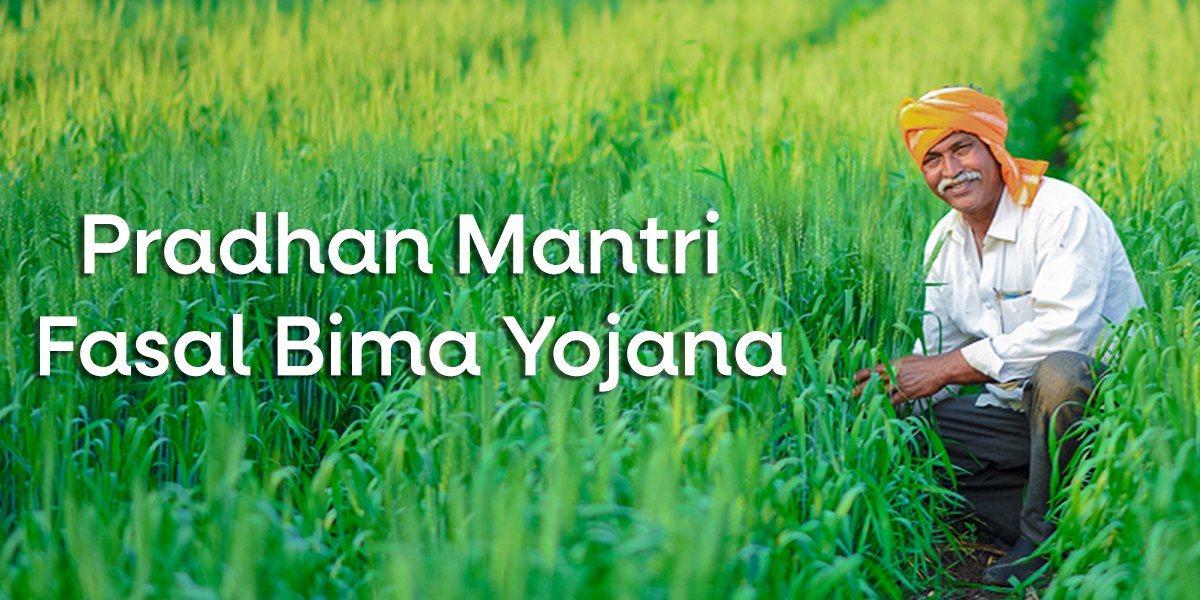
Launched on 18th February 2016, PMFBY is a crop insurance scheme by the Department of Agriculture, Cooperation, and Farmers’ Welfare, Ministry of Agriculture. PMFBY aims to provide financial protection to farmers against crop loss due to natural disasters (hail, drought, famine), pests, and diseases. PMFBY provides crop insurance at a cost-effective premium to all Indian farmers. It is implemented through a network of insurance companies and banks. Department of Agriculture, Cooperation & Farmers Welfare (DAC&FW), Ministry of Agriculture & Farmers Welfare (MoA&FW) and the concerned State are the implementing agencies.
Risk Coverage:
Natural Disasters: Includes floods, droughts, cyclones, hailstorms, landslides, and unseasonal rainfall.
Pest & Disease Coverage: Protects against pest attacks and crop diseases.
Post-Harvest Losses (Individual Farm Basis): Compensation for damage within 14 days of harvest, especially for crops kept in “cut and spread” condition.
Localised Calamities: The government provides compensation for localised calamities on an individual farm basis.
Prevented Sowing (on Notified Area Basis): If most insured farmers in a notified area are unable to sow due to adverse weather despite intent and incurred costs, they can claim up to 25% of the sum insured as indemnity.
Key Initiatives under PMFBY
DigiClaim: Under it all the claims are worked out through National Crop Insurance Portal (NCIP).
CROPIC (Collection of Real Time Observations and Photo of Crops).
Weather Information Network Data Systems (WINDS) portal.
Yield Estimation System, based on Technology (YES-TECH) Manual.
Door enrolment app AIDE/Sahayak.
Forecasting Agricultural output using Space, Agro- meteorology and Land based observations (FASAL) project.
National Agricultural Drought Assessment and Monitoring System (NADAMS).
ISRO’s Geo-platform, Bhuvan, provides data on plantation, pest surveillance and weather.
The Parliamentary Standing Committee on Agriculture had given several recommendations on reforming the Scheme. These include: (a) Using technology and the coordination of all institutional mechanisms to ensure faster claim settlement; (b) Implementing timeline for settlement of claims by insurance companies; (c) Uploading the contact details of official insurance companies on the insurance portal so that they are accessible to farmers; (d) Penalising defaulting insurance companies in a time-bound manner; (e) Ensure the formulation of GRCs in all States. Nominate local public representatives (including Members of Parliament) in the
Challenges
First, Fiscal Burden on States: The Scheme limits farmer’s share of actuarial premium to 1.5-5%. The rest was to be shared equally by the Union and State Governments. However, in 2020 the Government capped its share to 25%-30% (irrigated and unirrigated areas respectively). This has increased the fiscal burden of States. Consequently, many States have opted out.
Second, Delayed Pay-outs and Denial of Claims: There are frequent disputes related to compensation. Farmers complain the compensation paid by insurance companies is less than the losses. There are long delays in payments, sometimes up to 18 months. Yield-related disputes, delayed transmission of yield data and delay in release of their share in premium subsidy by State Governments are the major reasons for delays in settlement of claims.
Farmers claim that the private insurers are not following the assessment by the government officials based on Crop Cutting Experiments (CCEs) and rejecting many claims on the basis of their own assessment.
Third, Implementation Issues: Farmers face hurdles in uploading the documents and claiming damages as network connectivity is poor in rural areas.
Under the scheme, both Public and Private insurance companies bid their premium rates for a district in a State. The lowest bidder is awarded the contract to provide insurance under the scheme for one agricultural season only. This discouraged the companies from investing in that district in terms of awareness activities, assigning personnel or setting up offices. This led to farmer grievances.
In 2020, the Government has increased the contract duration to 3 years in one district (6 agriculture seasons). It is hoped that companies would set up help centres and employ more personnel to gather yield data and faster claim settlement.
Fourth, Absence of Grievance Redressal Committees (GRCs): Only 15 States and UTs have notified GRCs at both the State and District level, as mandated under the PMFBY scheme. Farmers are left with no resort in case of under-payment or delay in claim settlement.
Fifth, Opposition from States: Several states have demanded amendments in the scheme.
Sixth, Opposition from Farm Leaders: Farm leaders claim insurance companies have made windfall gains at the behest of the public exchequer and farmers. Data from Maharashtra show that Insurance companies often earn more in premiums than paid in claims. However, for some years the trend is opposite.
Way forward
Ensure timely release of premium subsidy: To maintain strict financial discipline, subsidy payment should be streamlined through an escrow account jointly administered by the State government and the Centre.
Also, all financial transactions (subsidy or claims) shall be routed through the National Crop Insurance Portal (NCIP).
Presence of insurance companies in every tehsil of the district: It will be crucial for farmers in order to mitigate the problems faced in availing the scheme benefits.
Penalties for companies: Effectively penalising defaulters in a time-bound manner.
Adoption of smart sampling techniques: By all states using technological interventions such as satellite data or the use of drones.
Corporate Social Responsibility (CSR): Insurance companies can plan to spend a share of their profits towards CSR in the districts from where profits are earned. Farm insurance is critical to provide income security to the farmers. The Union and State Governments must take appropriate steps to remove all the bottlenecks in the proper implementation of the scheme