Important World Events 1901- 2000

1901- December 10: First Nobel Prizes awarded.

1904- U.S. began construction of the Panama Canal

1905- Albert Einstein’s formulation of special relativity

1907- Bakelite, the world’s first fully synthetic plastic, invented in New York by Leo Baekeland, who coins the term “plastics”.

1911- Roald Amundsen first reaches the South Pole

1912- The African National Congress is founded. End of the Chinese Empire. Republic of China established. First Balkan war.

1913- Second Balkan war

1914- Panama Canal opens. In the Banana Wars, the United States occupation of Haiti begins. World War I started.

1917- Russian Revolution. The first Pulitzer Prizes announced. October Revolution in the Russian Republic.

Spanish Flu- 1918-1920

1918- The Armistice of 11 November 1918 ends World War I.

1919- Paris Peace Conference writes Treaty of Versailles that punishes Germany. Communist International established in the Kremlin to coordinate Communist parties worldwide. The International Labour Organization is established.

1920- January 10: League of Nations founded. Prohibition in the United States begins.

1921- The Italian National Fascist Party is established by Benito Mussolini.

1922- British Broadcasting Corporation (BBC) established. Irish Free State is established, while the province of Northern Ireland is created within The United Kingdom. Fascism first appeared in Italy with the rise to power of Benito Mussolini in 1922

1923- Time Magazine is first published. Mustafa Kemal Atatürk becomes the first President of the newly established Republic of Turkey.

1924- Vladimir Lenin died. The first edition of the Winter Olympic Games is hosted in Chamonix, France. The Caliphate is abolished by Kemal Atatürk. Ramsay MacDonald becomes Prime Minister of the United Kingdom; first Labour Party prime minister.

1925- Hitler’s Mein Kampf is published.

1927- The United Kingdom of Great Britain and Ireland officially becomes the United Kingdom of Great Britain and Northern Ireland. The Jazz Singer, the first “talkie”, is released. World population reaches two billion. Soviet general secretary Joseph Stalin becomes dictator of the Soviet Union.

1929- The first Academy Awards are presented. Wall Street Crash of 1929 and the beginning of the Great Depression.

1931- Statute of Westminster creates the British Commonwealth of Nations. Christ the Redeemer, one of the seven wonders of the world completed.

1932- The neutron is discovered by James Chadwick. The Nazi party becomes the largest single party in the German parliament.

1933- January 30: Adolf Hitler becomes Chancellor of Germany. Prohibition in the United States is abolished. Germany announces its withdrawal from the League of Nations and the World Disarmament Conference, after the U.S., the U.K. and France deny its request to increase its defence armaments under the Versailles Treaty. Japan announces it will leave the League of Nations.

1934- With the death of Paul von Hindenburg, Hitler declares himself Führer of Germany. Mao Zedong begins the Long March.

1935- Reza Shah of Iran asks the international community to formally adopt the name “Iran” to refer to the country, instead of the name “Persia”.

1936- Beginning of the Spanish Civil War.

1937- Snow White and the Seven Dwarfs is the first feature-length animated movie released.

1939- End of Spanish Civil War; Francisco Franco becomes dictator of Spain. Nazi invasion of Poland triggers World War II in Europe. Soviet invasion of Poland begins 16 days later. Britain and France declare war on Germany; World War II begins. World War II officially began on 1 September 1939, when Hitler unleashed his Blitzkrieg, or lightning war, against Poland

1940- Battle of Britain, the first entirely aerial military campaign, becomes the first significant defeat for the Axis powers. Leon Trotsky is assassinated in Mexico.

1941- December 7: The Japanese Attack on Pearl Harbor leads to the USA joining World War II.

1943- A famine in Bengal kills up to 3 million people.

1944- June 6: D-Day landings in Normandy. Adolf Hitler survives the 20 July plot to assassinate him led by Claus von Stauffenberg. First operational electronic computer, Colossus, comes online.

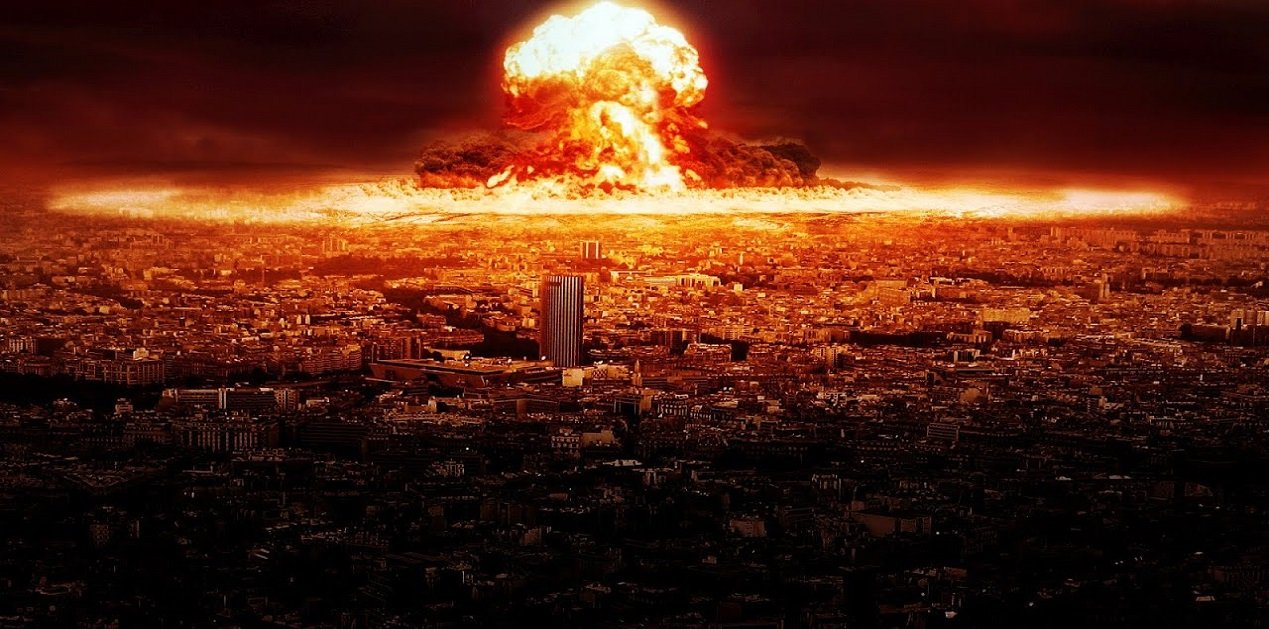
1945- In early February 1945, the three Allied leaders, Franklin Roosevelt, Winston Churchill, and Joseph Stalin, met at newly liberated Yalta in the Crimea in the Soviet Union in the Yalta Conference. Hitler committed suicide on 30 April 1945. Execution of Mussolini. End of World War II in Europe. The Holocaust ends after ~12 million deaths, including 6 million Jews. The Allied team produced two nuclear weapons for use in the war, one powered by uranium-235 and the other by plutonium as fissionable material, named “Little Boy” and “Fat Man”. These were dropped on the Japanese cities of Hiroshima and Nagasaki on 6 and 9 August 1945 each. Following the end of the war, the Allies famously prosecuted numerous German officials for war crimes and other offenses in the Nuremberg Trials

 June 26: United Nations founded (UN Charter).

1946- First images of the Earth taken from space. In March 1946, Winston Churchill gave a now famous speech while visiting Westminster College in the US which is usually credited as the first use of the term Iron Curtain to refer to the separation of Soviet and Western areas of influence in Europe

1947- Harry Truman establishes the Truman Doctrine of containment of Communism.

1948- The World Health Organization (WHO) founded. The Organisation for Economic Co-operation and Development (OECD) founded. The Soviet Sever-2 expedition becomes the first party to indisputably set foot on the North Pole. The Marshall Plan, an American initiative for foreign aid of $13 billion to 16 Western European countries, comes into effect. The Arab–Israeli War begins. December 10: The Universal Declaration of Human Rights adopted by the United Nations General Assembly.

Beginning of apartheid in South Africa.

1949- The First Indo-Pakistani War ends. COMECON founded by USSR and the Eastern Bloc. The Creation of NATO. Creation of NATO-backed Federal Republic of Germany (West Germany). Albert II became the first mammal launched into space. October 1: Chinese Communist Revolution: Establishment of the People’s Republic of China under CCP Chairman Mao Zedong; The Republic of China relocates to Taiwan. Creation of the socialist German Democratic Republic (East Germany).

1950- North Korean invasion of South Korea begins the Korean War. UN forces reclaim Seoul and invade North Korea. Alan Turing publishes the Turing test, one of the most influential yet controversial concepts in artificial intelligence research.

1952- Queen Elizabeth II becomes Monarch of the Commonwealth realms. Egyptian Revolution under Gamal Abdel Nasser overthrows King Farouk and ends British occupation.

1953- Death of Stalin. Coronation of Elizabeth II. The first colour television is produced.

1955- Death of Albert Einstein. The first large-scale Asian–African or Afro–Asian Conference also known as the Bandung Conference, was a meeting of Asian and African states, most of which were newly independent, which took place on 18–24 April 1955 in Bandung, West Java, Indonesia. Signing of the Warsaw Pact.

1956- Nasser’s nationalisation of the Suez Canal triggers the Suez crisis.

1957- Launch of Sputnik 1 and the beginning of the Space Age. Treaty of Rome, which would eventually lead to the European Union. Laika becomes the first animal launched into Earth orbit. Beginning of the Asian flu in China, leading to a worldwide pandemic that lasts until the following year.

1958- NASA formed.

1959- Beginning of the Vietnam War, which lasts until 1975. First documented AIDS cases.

1960- First crewed descent to the deepest point on Earth, the Mariana Trench. Sirimavo Bandaranaike becomes Prime Minister of Ceylon and the first female Prime Minister in the world. The Beatles form in Liverpool. Year of Africa: Independence of 17 African nations.

1961- Construction of the Berlin Wall. UN Secretary General Dag Hammarskjöld dies in a plane crash.

1962- The Cuban Missile Crisis nearly causes nuclear war.

1963- Martin Luther King Jr. delivers “I Have a Dream” speech at the March on Washington for Jobs and Freedom. Assassination of John F. Kennedy. Vice President Lyndon B. Johnson assumes office as President of the United States.

1967- The Six-Day War, a conflict between Israel and Arab states that resulted in Israel occupying the Gaza Strip, the Sinal Peninsula, the West Bank and the Golan Heights. Association of Southeast Asian Nations (ASEAN) founded.

1968- Assassination of Martin Luther King Jr.

1969- June 20- Apollo 11 Moon landing, in which Neil Armstrong and Buzz Aldrin become the first two humans on the Moon.

1971- Idi Amin seizes power in Uganda.

1972- September 5–6: The Munich massacre, perpetrated by the Black September terrorist organization and aimed at the Israeli Olympic team, results in 17 total deaths.

1973- The first space station, Skylab, is launched. The Yom Kippur War also known as the 1973 Arab–Israeli War, the fourth Arab–Israeli War, the October War or the Ramadan War was fought from 6 to 25 October 1973 between Israel and a coalition of Arab states led by Egypt and Syria.

1974- Watergate scandal: Resignation of Richard Nixon; Vice President Gerald Ford assumes office as President of the United States, the first person not elected as either President or Vice President to take the role.

1975- Microsoft founded in Albuquerque, New Mexico, by Bill Gates and Paul Allen. The Fall of Saigon ends the Vietnam War.

1976- 1976 Argentine coup d’état leads to a military dictatorship in Argentina. Steve Wozniak invents the Apple I and Steve Jobs then convinces Wozniak to sell the system, giving birth to Apple Computer. Operation Entebbe, a successful counter-terrorist hostage-rescue mission carried out by commandos of the Israel Defense Forces (IDF) at Entebbe Airport in Uganda.

1978- The War in Afghanistan begins with the Saur Revolution. Discovery of Pluto’s moon Charon. The Camp David Accords are signed between Israel and Egypt. Louise Brown is the first child successfully born after her mother received in vitro fertilisation treatment. Invention of artificial insulin.

1979- The Iranian Revolution ends. Shah Reza Pahlavi is overthrown and forced into exile. Margaret Thatcher becomes the first female Prime Minister of the United Kingdom. The Uganda–Tanzania War ends with defeat for Uganda and the exile of Idi Amin. The Iran hostage crisis begins. The Soviet–Afghan War begins with the Soviet invasion of Afghanistan. Implementation of China’s one-child policy.

1980- WHO announces the eradication of smallpox. Launch of Cable News Network (CNN). Beginning of the Iran–Iraq War.

1981- Iran releases the 52 U.S. hostages held in Tehran after 444 days. The AIDS epidemic officially begins in the United States, having originated in Africa; making this to be an ongoing pandemic.

1982- The Hama massacre in Syria, a conflict between Syria and the Muslim Brotherhood, results in a decisive Syrian victory and about 10,000 deaths. Falklands War between UK and Argentina. The Falklands War) was a ten-week undeclared war between Argentina and the United Kingdom in 1982 over two British dependent territories in the South Atlantic: the Falkland Islands and its territorial dependency, South Georgia and the South Sandwich Islands. The conflict began on 2 April 1982, when Argentina invaded and occupied the Falkland Islands, followed by the invasion of South Georgia the next day.

First Israeli invasion of Lebanon begins. Michael Jackson releases his landmark album Thriller, the best-selling album of all time.

1983- The Bombing of U.S. Embassy in Beirut results in 63 deaths. Sri Lankan Civil War begins. End of dictatorship in Argentina.

1984- The human immunodeficiency virus (HIV) is recognized as the cause of HIV/AIDS, and research on zidovudine and other treatments gets underway.

1985- 73 years after its infamous disaster, the wreck of the Titanic is found off the coast of Newfoundland by a joint French–American expedition led by Jean-Louis Michel of IFREMER and Robert Ballard of the Woods Hole Oceanographic Institution. Windows 1.0, the first Microsoft Windows operating system, released. First use of DNA fingerprinting.

1986- The Space Shuttle Challenger breaks apart 73 seconds into its flight, killing all seven crew members aboard. Return of Halley’s Comet. The Chernobyl disaster in Ukraine.

1987- The Intermediate-Range Nuclear Forces Treaty is signed in Washington, D.C., by U.S. President Ronald Reagan and Soviet leader Mikhail Gorbachev.

1988- Beginning of the perestroika (“restructuring”), a political movement for reformation within the Communist Party of the Soviet Union during the 1980s associated with Gorbachev and his glasnost (“openness”) policy reform. Morris worm, first computer virus distributed through the Internet. Israeli–Palestinian conflict; beginning with the independent State of Palestine being proclaimed from Algiers.

1989- Revolutions of 1989 bring down Communist and authoritarian regimes around the world. Tiananmen Square Massacre, in which troops armed with assault rifles and accompanied by tanks fired at student-led demonstrations held in Tiananmen Square, Beijing, resulting in an undisclosed number of deaths (estimated in hundreds to thousands). An unknown Chinese protester, “Tank Man”, stands in front of a column of military tanks on Chang’an Avenue in Beijing, temporarily halting them, an incident which achieves iconic status internationally through images taken by Western photographers. November 9: Fall of the Berlin Wall; the Revolutions of 1989 and the collapse of the Soviet Bloc begin in Europe, which leads to the end of the Cold War. The Communist government of Czechoslovakia falls during the Velvet Revolution.

1990- Nelson Mandela is released from Victor Verster Prison, Robben Island outside Cape Town, South Africa after 27 years as a political prisoner. End of the dictatorship of Augusto Pinochet in Chile. Gulf War begins. German reunification. Tim Berners-Lee publishes the first web site, which described the World Wide Web project. Myanmar Armed Forces place Aung San Suu Kyi under house arrest.

1991- The Gulf War ends in US withdrawal and a failed uprising. Elizabeth II becomes the first British monarch to address the U.S. Congress during a 13-day royal visit in Washington, D.C. Boris Yeltsin becomes the first President of Russia. Michael Schumacher, regarded as one of the greatest Formula One drivers in history, makes his Formula One debut at the Belgian Grand Prix.

1992- The Maastricht Treaty is signed, creating the European Union. The Bosnian War begins.

1993- Velvet Divorce between Czech Republic and Slovakia. Oslo accords end First Intifada between Israel and Palestine. Battle of Mogadishu (Black Hawk Down) leaves over 3,000-4,000 people dead. Colombian drug lord Pablo Escobar is gunned down by police.

1994- Establishment of North American Free Trade Agreement (NAFTA). End of apartheid in South Africa and election of Nelson Mandela. The First Chechen War begins. Construction of the Three Gorges Dam begins in Hubei, China.

1995- Establishment of the World Trade Organization. NATO bombing raids in Bosnia end the Bosnian War. Release date of Windows 95.

1996- A sudden storm engulfs Mount Everest with several climbing teams high on the mountain, leaving eight people dead. By the end of the month, at least four other climbers die in the worst season of fatalities on the mountain to date. Dolly the sheep becomes the first successful cloned mammal. The Taliban government takes control of Afghanistan, creating the Islamic Emirate of Afghanistan.

1997- Diana, Princess of Wales is killed in a car accident in Paris. Handover of Hong Kong from the United Kingdom to China.

1998- Nicholas II of Russia and his family are buried in St. Catherine Chapel, 80 years after he and his family were killed by the Bolsheviks in 1918. Google is founded by Larry Page and Sergey Brin. The impeachment of Bill Clinton begins as a result of the Clinton–Lewinsky scandal.

1999- Hugo Chavez becomes President of Venezuela. Euro introduced to the international markets. Coins and banknotes enter circulation in participating countries in 2002. The Second Chechen War begins. Vladimir Putin becomes the President of Russia. The U.S. turns over complete administration of the Panama Canal to the Panamanian Government, as stipulated in the Torrijos–Carter Treaties of 1977

2000- Dot-com bubble bursts, causing stock markets worldwide to crash. Pope John Paul II apologizes for the wrongdoings by members of the Roman Catholic Church throughout the ages. Vladimir Putin is elected President of Russia. Israeli withdrawal from Lebanon. The 2000 Camp David Summit, aimed at reaching a “final status” agreement between the Palestinians and the Israelis, was held between United States president Bill Clinton, Israeli prime minister Ehud Barak and Palestinian Authority chairman Yasser Arafat.

The Battle of the Atlantic took place from 1942 to 1944 and was described as “longest, largest, and most complex naval battle in history”

Johannes Erwin Eugen Rommel popularly known as The Desert Fox was a German field marshal during World War II

Two wars and a near-war in the 1950s became the focus for capitalist versus communist struggle. The first war was the Korean War, fought between People’s Republic of China-backed North Korea and mainly United States-backed South Korea. The Korean Peninsula was a Japanese colony between 1910 and 1945, when Soviet and American troops invaded and divided it along the 38th parallel. A communist government controlled the territory north of the border and a capitalist one controlled the South, with both authorities considering the other one illegitimate and claiming sovereignty over the entire peninsula. North Korea’s invasion of South Korea on 25 June 1950 led to United Nations intervention. General Douglas MacArthur led troops from the United States, Canada, Australia, Great Britain, and other countries in repulsing the Northern invasion. However, the war reached a stalemate after Chinese intervention pushed U.N. forces back, and an Armistice ended hostilities in July 1953, leaving the two Koreas divided and tense for the rest of the century.

After the second war, the Vietnam War, was perhaps the third most visible war of the 20th century. After the French withdrawal from its former colony, on 21 July 1954, Vietnam became partitioned into two halves, much like Korea, along the 17th parallel. Fighting between North and South eventually escalated into a regional war. The United States provided aid to South Vietnam and contributed to propaganda efforts against the North, but was not directly involved until the Gulf of Tonkin Resolution, passed in reaction to a supposed North Vietnamese attack upon American destroyers, brought the U.S. into the war as a belligerent. The war was initially viewed as a fight to contain communism, but, as more Americans were drafted and news of events such as the Tet Offensive and My Lai massacre leaked out, American sentiment turned against the war. U.S. President Richard Nixon was elected partially on a promise to end the war. This Nixon Doctrine involved a gradual pullout of American forces; South Vietnamese units were supposed to replace them, backed up by American air power. The plan went awry, with Nixon deliberately sabotaging peace talks for political gain, and the war spilled into neighboring Cambodia while South Vietnamese forces were pushed further back. Eventually, the U.S. and North Vietnam signed the Paris Peace Accords, ending U.S. involvement in the war. With the threat of U.S. retaliation gone, the North proceeded to violate the ceasefire and invaded the South with full military force. Saigon was captured on 30 April 1975, and Vietnam was unified under Communist rule a year later, effectively bringing an end to one of the most unpopular wars of all time

The Cuban Missile Crisis illustrates just how close to the brink of nuclear war the world came during the Cold War. Cuba, under Fidel Castro’s socialist government, had formed close ties with the Soviet Union. This was obviously disquieting to the United States, given Cuba’s proximity. When Lockheed U-2 spy plane flights over the island revealed that Soviet missile launchers were being installed, U.S. President John F. Kennedy instituted a naval blockade and publicly confronted the Soviet Union. After a tense week, the Soviet Union backed down and ordered the launchers removed, not wanting to risk igniting a new world war

With Cold War tensions running high, the Soviet Union and United States took their rivalry to the stars in 1957 with the Soviet launch of Sputnik. The USSR reached several important milestones, such as the first craft on the Moon (Luna 2) the first human in space (Yuri Gagarin) and the first spacewalk (Alexey Leonov on Voskhod 2). The U.S. pulled ahead eventually with its Mercury, Gemini, and Apollo programs, which culminated in Apollo 11 astronauts landing on the Moon on 20 July 1969

On 26 December 1991, the Soviet Union was officially disbanded into its constituent republics, thus putting a final line under the already exhausted Cold War
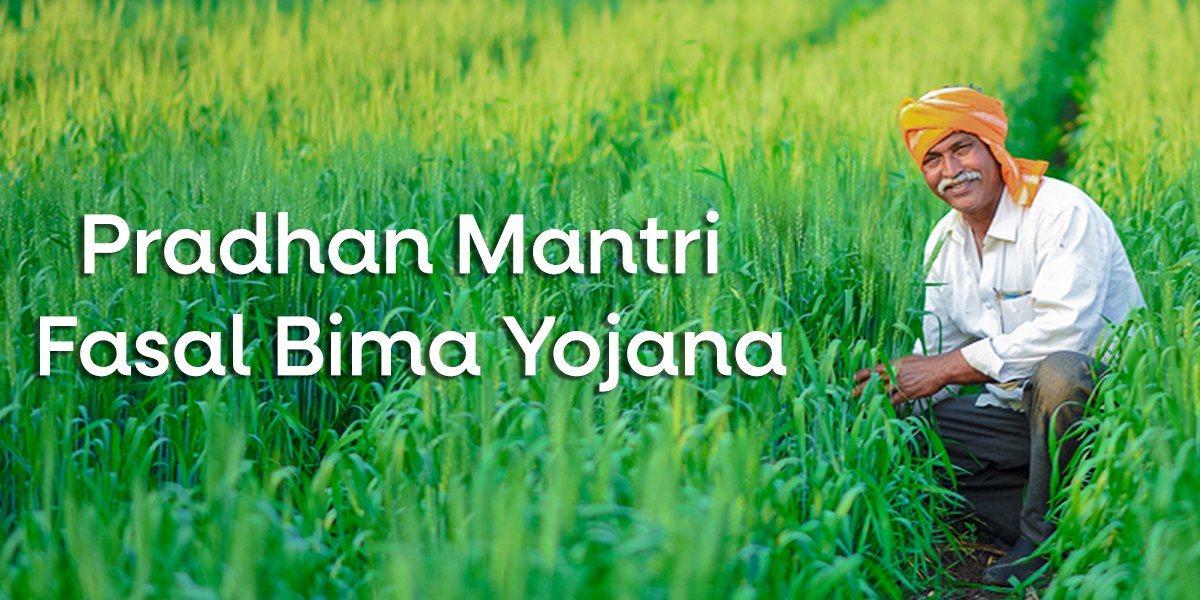
Pradhan Mantri Fasal Bima Yojana (PMFBY)

Launched on 18th February 2016, PMFBY is a crop insurance scheme by the Department of Agriculture, Cooperation, and Farmers’ Welfare, Ministry of Agriculture. PMFBY aims to provide financial protection to farmers against crop loss due to natural disasters (hail, drought, famine), pests, and diseases. PMFBY provides crop insurance at a cost-effective premium to all Indian farmers.  It is implemented through a network of insurance companies and banks. Department of Agriculture, Cooperation & Farmers Welfare (DAC&FW), Ministry of Agriculture & Farmers Welfare (MoA&FW) and the concerned State are the implementing agencies.

Risk Coverage:

Natural Disasters: Includes floods, droughts, cyclones, hailstorms, landslides, and unseasonal rainfall.

Pest & Disease Coverage: Protects against pest attacks and crop diseases.

Post-Harvest Losses (Individual Farm Basis): Compensation for damage within 14 days of harvest, especially for crops kept in “cut and spread” condition.

Localised Calamities: The government provides compensation for localised calamities on an individual farm basis.

Prevented Sowing (on Notified Area Basis): If most insured farmers in a notified area are unable to sow due to adverse weather despite intent and incurred costs, they can claim up to 25% of the sum insured as indemnity.

Key Initiatives under PMFBY

DigiClaim: Under it all the claims are worked out through National Crop Insurance Portal (NCIP).

CROPIC (Collection of Real Time Observations and Photo of Crops).

Weather Information Network Data Systems (WINDS) portal.

Yield Estimation System, based on Technology (YES-TECH) Manual.

Door enrolment app AIDE/Sahayak.

Forecasting Agricultural output using Space, Agro- meteorology and Land based observations (FASAL) project.

National Agricultural Drought Assessment and Monitoring System (NADAMS).

ISRO’s Geo-platform, Bhuvan, provides data on plantation, pest surveillance and weather.

The Parliamentary Standing Committee on Agriculture had given several recommendations on reforming the Scheme. These include: (a) Using technology and the coordination of all institutional mechanisms to ensure faster claim settlement; (b) Implementing timeline for settlement of claims by insurance companies; (c) Uploading the contact details of official insurance companies on the insurance portal so that they are accessible to farmers; (d) Penalising defaulting insurance companies in a time-bound manner; (e) Ensure the formulation of GRCs in all States. Nominate local public representatives (including Members of Parliament) in the

Challenges

First, Fiscal Burden on States: The Scheme limits farmer’s share of actuarial premium to 1.5-5%. The rest was to be shared equally by the Union and State Governments. However, in 2020 the Government capped its share to 25%-30% (irrigated and unirrigated areas respectively). This has increased the fiscal burden of States. Consequently, many States have opted out.

Second, Delayed Pay-outs and Denial of Claims: There are frequent disputes related to compensation. Farmers complain the compensation paid by insurance companies is less than the losses. There are long delays in payments, sometimes up to 18 months. Yield-related disputes, delayed transmission of yield data and delay in release of their share in premium subsidy by State Governments are the major reasons for delays in settlement of claims.

Farmers claim that the private insurers are not following the assessment by the government officials based on Crop Cutting Experiments (CCEs) and rejecting many claims on the basis of their own assessment.

Third, Implementation Issues: Farmers face hurdles in uploading the documents and claiming damages as network connectivity is poor in rural areas.

Under the scheme, both Public and Private insurance companies bid their premium rates for a district in a State. The lowest bidder is awarded the contract to provide insurance under the scheme for one agricultural season only. This discouraged the companies from investing in that district in terms of awareness activities, assigning personnel or setting up offices. This led to farmer grievances.

In 2020, the Government has increased the contract duration to 3 years in one district (6 agriculture seasons). It is hoped that companies would set up help centres and employ more personnel to gather yield data and faster claim settlement.

Fourth, Absence of Grievance Redressal Committees (GRCs): Only 15 States and UTs have notified GRCs at both the State and District level, as mandated under the PMFBY scheme. Farmers are left with no resort in case of under-payment or delay in claim settlement.

Fifth, Opposition from States: Several states have demanded amendments in the scheme.

Sixth, Opposition from Farm Leaders: Farm leaders claim insurance companies have made windfall gains at the behest of the public exchequer and farmers. Data from Maharashtra show that Insurance companies often earn more in premiums than paid in claims. However, for some years the trend is opposite.

Way forward

Ensure timely release of premium subsidy: To maintain strict financial discipline, subsidy payment should be streamlined through an escrow account jointly administered by the State government and the Centre.

Also, all financial transactions (subsidy or claims) shall be routed through the National Crop Insurance Portal (NCIP).

Presence of insurance companies in every tehsil of the district: It will be crucial for farmers in order to mitigate the problems faced in availing the scheme benefits.

Penalties for companies: Effectively penalising defaulters in a time-bound manner.

Adoption of smart sampling techniques: By all states using technological interventions such as satellite data or the use of drones.

Corporate Social Responsibility (CSR): Insurance companies can plan to spend a share of their profits towards CSR in the districts from where profits are earned. Farm insurance is critical to provide income security to the farmers.  The Union and State Governments must take appropriate steps to remove all the bottlenecks in the proper implementation of the scheme

Ragging in India- An Analysis

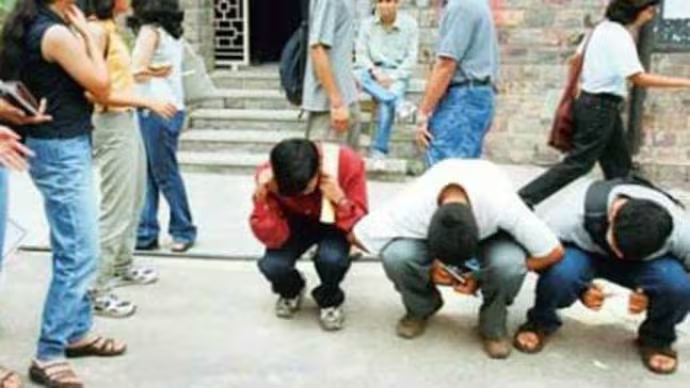
Ragging is the term used for the “Initiation Ritual” practiced in higher educational institutions. It is like an elephant in the room in the educational sphere in India and a word dreaded by the students and their family members alike. It involves abuse, humiliation or harassment of new entrants or junior students by the senior students. The senior students feel that it is a tool of social interaction and thus helps their juniors to break the ice with their seniors. Generally, ragging is a form of systematic and sustained physical, mental and even sexual abuse of freshers at the colleges, university and educational institutions at the hands of senior students and sometimes even by outsiders in campus and hostel. Ragging is a subset of bullying. Unlike various complex forms of bullying, ragging is easily recognisable.

In 2025, Mihir Ahammed a 15-year-old student of the Global Public School Ernakulam, Kochi committed suicide after he was ragged by his senior classmates. According to the police, the student committed suicide by jumping off the 26th floor of a 40-story flat complex. Mihir’s case is not an isolated one. From 2012 to 2024, there have been more than 300 cases of suicides or deaths directly linked to ragging. It is shocking that from 2022 to 20244 alone, 51 cases of deaths directly linked to ragging have been reported. Another shocking revelation is that although only 1.1% of the total students in higher education pursue medical sciences, nearly 45% of the ragging related deaths have occurred in the medical college campuses in the last decade. More than 10,000 students have suffered lifetime mental trauma, social stigma or psychological scars directly linked to the effects of ragging. As many as 50 parents of the victims have committed suicide during this period. Whie there exists no data published by the Government on this matter, the reports of different NGOs help us to understand the dreadful effects caused by this menace on the Indian society. It is shocking to learn that although nearly 45% of the students in India face ragging, only 8.6% of them report the incidents. This shows the helplessness rooted in the psyche of the students, an issue the Government must take notice of. Among the states, Maharashtra leads the chart in the number of ragging related cases, followed by Uttar Pradesh and Tamil Nadu.

As per UGC regulations, it is mandatory for a college to register a first information report (F.I.R.) with police against the culprits if any violence, physical abuse, sexual harassment, confinement etc. takes place with any fresher. After receiving any such complaint from the helpline, it becomes the duty of the head of the institution to register the F.I.R. with police within 24 hours. In 2013, a police case was registered against the director, dean and registrar of a reputed college in Delhi for, among other charges, not informing the police and registering F.I.R. within 24 hours of receiving the ragging complaint.

In 1997, the state of Tamil Nadu first passed laws related to ragging. Subsequently, a major boost to anti-ragging efforts was given by a landmark judgement of the Supreme Court of India in May 2001, in response to a Public Interest Litigation filed by the Vishwa Jagriti Mission founded by Sudhanshu Ji Maharaj. In 1999, the Government of Maharashtra enacted the Maharashtra Prohibition of Ragging Act, 1999 to prohibit ragging. The Ministry of Human Resources Development (MHRD), following a directive by the Supreme Court, appointed a seven-member panel headed by former CBI director Dr. R. K. Raghavan to recommend anti-ragging measures. The Raghavan Committee report, submitted to the court in May 2007, includes a proposal to include ragging as a special section under the Indian Penal Code. In 2009, in the wake of Aman Kachroo’s death, the University Grants Commission (UGC) passed UGC regulation on curbing ragging in higher educational institutions. These regulations mandate every college responsibility to curb ragging, including strict pre-emptive measures, like lodging freshers in a separate hostel, surprise raids at night by the anti-ragging squad and submission of affidavits by all senior students and their parents taking oath not to indulge in ragging. Society Against Violence in Education (SAVE) is India’s first registered anti-ragging nonprofit organisation (NGO). Bhartiya Nyaya Sanhita (BNS), 2023 acknowledges ragging under wrongful restraint, criminal intimidation, and assault.

Challenges in Eradication of the Menace

Deep-Rooted Cultural & Traditional Acceptance:  Ragging is perceived as a tradition or rite of passage which prepares newcomers for the challenges of academic life and the real world.

Lack of Awareness: Lack of awareness among freshers about anti-ragging helplines and complaint portals.

Fear of Retaliation: Victims often hesitate to report incidents due to fear of retaliation, further harassment or ridicule by others.

Lack of Strict Enforcement: Weak enforcement of anti-ragging laws and the burden of proof on victims often allow perpetrators to go unpunished. Ineffective grievance redressal -Many anti-ragging committees exist only in name, lacking real authority or action. Complaints are often ignored or not resolved in a timely manner.

Role of Institutions: Institutions often downplay enforcing anti-ragging laws to protect their reputations, rankings and funding.

Inadequate monitoring & grievance mechanisms:

  1. Poor CCTV surveillance and lack of digital complaint tracking reduce transparency and accountability.
  2. Inefficiencies in anti-ragging helplines result in many cases going unreported or unresolved.

Raghavan Committee Recommendations (2007)

Accreditation: National Assessment and Accreditation Council bodies should factor incident of ragging while accrediting institutions.

Set up Anti-Ragging Cells, Anti-Ragging Committee and an Anti-Ragging Squad.

Setting up of ‘Mentoring Cell’ in each institution to oversee and involve senior students as Mentors for the ‘fresher’.

Advertisement: Launch effective advertisement campaigns at the national and regional level regarding `zero tolerance’ towards ragging.

National Council of Educational Research and Training (NCERT) and State Council of Educational Research and Training (SCERT) should devise Human Rights education of which awareness against ragging should be a compulsory part.

Way Forward

1. Strengthening legal & institutional framework

Invoke UGC Clause 9.4 against non-compliant institutions.

Fast-track trials and strict punishment for offenders.

2. Technology-driven monitoring

Install AI-based CCTVs in hostels and campuses.

Create anonymous digital complaint tracking systems.

3. Awareness & Behavioural change

Conduct mandatory anti-ragging workshops.

Implement student mentorship programs to foster inclusivity.

4. Strengthening reporting mechanisms

Improve UGC helpline accessibility.

Establish anonymous online reporting portals with direct police alerts.

5. Community and peer involvement:

Mobilize senior students to act as mentors and promote a positive campus culture.

Engage parents and local communities in anti-ragging initiatives.

Conclusion

Despite strong laws and Supreme Court guidelines, ragging continues to plague India’s education system. A multi-pronged approach involving legal action, institutional reforms, technology integration, and cultural change is essential. Strict enforcement and student-led initiatives can create a safe and inclusive academic environment, free from the menace of ragging.

 Green Revolution- An Analysis

The Green Revolution was a phenomenon that started in the 1960s and saw the transformation of Indian agriculture into a contemporary industrial system through the application of technology, including the employment of high-yielding variety (HYV) seeds, mechanized farm equipment, irrigation systems, pesticides, and fertilizers. This phase was a part of the greater Green Revolution initiative started by Norman E. Borlaug, which used agricultural science and technology to boost agricultural output in the developing world, and was primarily directed by agricultural scientist M. S. Swaminathan in India.  It led to Borlaug winning the Nobel Peace Prize in 1970 for his work in developing High Yielding Varieties (HYVs) of wheat. He also became famous as the ‘Father of Green Revolution’ in the world. On the other hand, Swaminathan was known as the ‘Father of Green Revolution in India’. The Bengal Famine, which killed approximately 4 million people in eastern India due to hunger, occurred in 1943 in India, making it the world’s worst recorded food crisis. After independence, India was dependent on other nations for foodgrains.

 Green Revolution can be traced back to Dr. Norman Borlaug’s discovery of a new dwarf variety of wheat seed.

Impacts

•              Tens of millions more tonnes of grain are being harvested annually as a result of the high-yield variety seeds.

•              In 1978–1979, the Green Revolution led to a record grain output of 131 million tonnes.

•              India was now recognized as one of the top agricultural producers in the world.

•              Between 1947 and 1979, the yield per unit of agricultural land increased by more than 30%.

•              By building connected facilities like factories and hydroelectric power plants, the Green Revolution also generated a large number of jobs for industrial employees as well as agricultural labourers.

Negative Impacts

•              India has not succeeded in implementing the idea of high-yield variety seeds across all crops or geographical areas.

•              In terms of crops, it mostly focused on food grains and excluded other types of agricultural products.

•              Only the states of Punjab and Haryana demonstrated the finest Green Revolution outcomes regionally.

•              Environmentalists and others have studied the long-term repercussions of the green revolution and claim that it exacerbated sociological, economic, and environmental issues like farmer suicides, rural indebtedness, and droughts.

•              According to reports, the usage of pesticides has deteriorated the soil, which has caused many agricultural systems to fail across the nation, harming the farmers’ livelihoods as well as the food and water supplies.

•              The disparity in farmer income increased inter-personal as well as inter-regional disparities/inequalities in India.

•              A rise in the incidence of malaria as a result of waterlogging, a shift in balanced cropping patterns in favour of wheat and rice, pushing pulses, oilseeds, maize, and barley to the margins, and other negative effects.

•              High Farm Input Costs -Farm inputs include fertiliser, insecticides, pesticides, HYV seeds, farm labour costs, and so on. Such an increase disadvantages small and medium-sized farmers.

•              Groundwater Depletion- It is another negative consequence of the green revolution. The majority of irrigation in dry areas of Punjab, Haryana, and Western Uttar Pradesh was done with excessive use of groundwater.  Today’s fresh groundwater situation in these states is concerning.

•              Farmers Suicides- Suicides among farmers appear to be concentrated in areas with high commercialization of Indian agriculture and high peasant debt. Farmers growing cash crops appeared to be far more vulnerable than those growing food crops. The decline began with the commercialization of the countryside and a massive drop in agricultural investment. The privatisation of many resources has exacerbated the situation.

Overall, the Green Revolution was a major achievement for many developing countries, especially India and gave them an unprecedented level of national food security.

It represented the successful adaptation and transfer of the same scientific revolution in agriculture that the industrial countries had already appropriated for themselves.

However, lesser heed was paid to factors other than ensuring food security such as environment, the poor farmers and their education about the know-how of such chemicals.

As a way forward, the policymakers must target the poor more precisely to ensure that they receive greater direct benefits from new technologies and those technologies will also need to be more environmentally sustainable.

Also, taking lessons from the past, it must be ensured that such initiatives include all of the beneficiaries covering all the regions rather than sticking to a limited field.

 While we’ve had one green revolution already, in the words of Dr Swaminathan, today we need an “evergreen revolution” — one that combines science with ecology.

Green Revolution 2.0 has to be about varieties that can withstand extreme temperature and rainfall variations, while yielding more, using less water and nutrients accompanied by better crop planning, sustainable development ideas and market intelligence.

World Current Affairs- January to June, 2025

The United Nations has declared 2025 as the International Year of Glaciers’ Preservation.

Poland takes over the Presidency of the Council of the European Union, after the Hungarian presidency

Bulgaria and Romania complete the process of joining the Schengen Area, lifting land border controls. The first country to legalize same-sex marriage was the Netherlands, which did so on April 1, 2001

The reports have raised alarm over Chronic Wasting Disease (CWD), also known as “zombie deer disease,” and its potential to jump to humans.

Greater Los Angeles experiences the most destructive wildfires in its history, fuelled by strong winds and prolonged drought conditions. A firenado is a fire whirl, defined as a spinning column of hot air and gases rising from a fire. It can vary in size, with diameters ranging from less than one foot to over 500 feet. This was seen during the wildfire in LA.

Indonesia becomes the tenth member to join BRICS. The BRICS economic partnership currently includes 10 member countries: Brazil, Russia, India, China, South Africa, Egypt, Ethiopia, Iran, Indonesia, and the United Arab Emirates. BRICS was initially formed by Brazil, Russia, India, and China, with South Africa joining later.

Mount Ibu, located in North Maluku, Indonesia, erupted, sending ash clouds up to 3 kilometres high.

The President of South Korea, Yoon Suk Yeol, is successfully arrested after a second attempt by police following a martial law declaration and successful impeachment motion last December.

Thailand Banned Plastic Waste Imports in 2025

The World Economic Forum (WEF) hosted Annual Meeting from January 20 to 24, 2025, in Davos, Switzerland.  The WEF was founded in 1971 by Klaus Schwab, a German professor.

The Extraordinary African Union Summit on the Comprehensive Africa Agriculture Development Program (CAADP) concluded in Kampala, Uganda, on January 11, 2025.

Germany reported its first outbreak of foot and mouth disease (FMD) in nearly 40 years.

The government of Trinidad and Tobago has declared a state of emergency due to increase in violence.

In early January 2025, US President-elect Donald Trump announced plans to rename the Gulf of Mexico to the “Gulf of America”

The President of South Korea, Yoon Suk Yeol, is successfully arrested after a second attempt by police following a martial law declaration and successful impeachment motion last December.

Storm Éowyn hits Ireland and the United Kingdom. Record high wind speeds of 183 km/h (114 mph) are recorded in Ireland, while over a million homes are left without power.

Liechtenstein becomes the 37th country to legalize same-sex marriage.

Thailand becomes the 38th country and the first in Southeastern Asia to legalize same-sex marriage.

Global technology shares outside China fall sharply in response to the release of DeepSeek’s chatbot, a Chinese competitor to OpenAI’s ChatGPT. Chip giant Nvidia loses almost $600 billion of its value, the biggest drop for a single company in U.S. stock market history.

Africa Energy Summit took place in Dar es Salaam, Tanzania

The incumbent People’s Action Party led by Lawrence Wong wins re-election in a landslide, retaining a supermajority government

President Donald Trump unveiled Project Stargate, an initiative aimed at establishing a robust artificial intelligence (AI) infrastructure in the United States.

Ahmed al-Sharaa is appointed as the president of Syria, after a one-month vacancy following the fall of the Assad regime.

Nigeria was officially admitted as a partner country of the BRICS group

Konstantinos Tasoulas is elected President of Greece by the Hellenic Parliament after four rounds in the 2025 Greek presidential election

Klaus Iohannis resigns as President of Romania, making him the first Romanian president to do so post-revolution

Mahamoud Ali Youssouf is elected as the chairperson of the African Union Commission

Vladimir Putin announces that Russia and the United States have officially agreed to restore diplomatic relations. A four-hour summit between the US and Russia is held in Saudi Arabia

Croatia completes the process of joining the European Economic Area

Firefly Aerospace becomes the first commercial company to successfully land on the Moon with no technical issues, with its Blue Ghost Mission 1

2025 Australian federal election: The incumbent Labor Party led by Anthony Albanese wins re-election, increasing their majority

The 2025 Special Olympics World Winter Games is held in Turin, Italy

2025 Liberal Party of Canada leadership election: After Justin Trudeau resigned as Canada’s prime minister in January, former governor of the Bank of Canada Mark Carney becomes the leader of the Liberal Party of Canada, becoming the Prime Minister of Canada five days later. The next month in April, the Liberal Party wins a fourth consecutive re-election and forms a minority government.

Balochistan Liberation Army militants blow up railway tracks and hijack the Jaffar Express train bound from Quetta to Peshawar, taking 450 people hostages including both security personnel and civilians

Keith Rowley resigns as Prime Minister of Trinidad and Tobago after nine years in office, and is succeeded by Stuart Young

Kirsty Coventry is elected as the 10th, first female and African President of the International Olympic Committee in the first round of voting in the 144th IOC Session

A 7.7-magnitude earthquake occurs in Myanmar, resulting in thousands killed and more than 20,000 injured

Fram2 launches aboard a SpaceX Falcon 9 rocket, becoming the first crewed spaceflight to enter a polar retrograde orbit

Pope Francis, head of the Catholic Church since 2013, dies at the age of 88. World leaders pay tribute. Many countries have declared national mourning

133 cardinal electors elect Robert Francis Prevost as Pope Francis’s successor, on the fourth ballot. He takes the name Pope Leo XIV, and becomes the first pope from North America, the first with Peruvian or U.S. citizenship, and the first from the Order of Saint Augustine

Operation Spiderweb: Ukraine launches a large drone attack on Russian military bases. More than 40 aircraft of the Russian Air Force are attacked

The 2025 IIHF World Championship (Hockey) is held in Stockholm, Sweden, and Herning, Denmark, and is won by the United States

2025 German federal election: Friedrich Merz is elected Chancellor of Germany in the second round of parliamentary voting, hours after being defeated in the first round, a first in post-WWII German history

2025 South Korean presidential election: After being pushed forward as a result of the impeachment of Yoon Suk Yeol, Lee Jae Myung wins the election, beating Kim Moon-soo

The 2025 FIFA Club World Cup is held in the United States, and is won by Chelsea

The No Kings protests occur across many cities in the U.S., as well as Canada, Europe, Japan and Mexico, against Donald Trump

The 51st G7 summit is held in Kananaskis, Canada

A NATO summit is held at the World Forum in The Hague, Netherlands. The NATO summit of 2025 marked shift in defence policy and international relations. Under the leadership of President Donald Trump, NATO members agreed to a controversial target of 5% of their GDP for defence spending. This decision has far-reaching implications for the alliance and its approach to global security.

Neuralink, a neurotechnology company founded by Elon Musk, has made strides in restoring communication for individuals with severe speech impairments. Recently, the US Food and Drug Administration (FDA) granted the company a Breakthrough Device Designation for its innovative brain-chip technology.

The International Thermo-Nuclear Experimental Reactor (ITER) aims to demonstrate nuclear fusion as a viable energy source. Located in Southern France, it brings together over 30 countries, including India, to build the world’s largest tokamak. This magnetic fusion device is designed to replicate the fusion processes that power the Sun

The UN recently released the State of the World’s Indigenous Peoples Report. It reveals that Indigenous Peoples represent about six per cent of the global population. However, they protect approximately 80 per cent of the planet’s remaining biodiversity. Despite this, they receive less than 1% of international climate funding. This situation raises urgent questions about equity and inclusion in climate action

The World Social Report is published by the United Nations Department of Economic and Social Affairs. It was co-produced with the United Nations University World Institute for Development Economics Research (UNU-WIDER). The report serves as a key document for discussing socio-economic issues at the intergovernmental level. The World Social Report 2025 reveals a troubling increase in economic insecurity and inequality. More than a third of the global population struggles with daily income levels that barely sustain them. The report urges immediate action to address these challenges, advocating for a new policy framework based on equity, economic security, and solidarity

Recently, Pakistan announced the suspension of the Cholistan Canal Project due to escalating tensions with India and growing internal dissent. This decision followed India’s unilateral move to hold the Indus Waters Treaty (IWT) in abeyance. The Cholistan Canal Project is part of Pakistan’s Green Pakistan Initiative, aimed at transforming the Cholistan Desert into arable land. The project includes the construction of six canals to irrigate over 1.2 million acres in southern Punjab. It is expected to enhance food security, create jobs, and develop agricultural hubs. The project is backed by the Pakistan Army and aims to increase agricultural productivity

Recently, Mexico and the United States reached a critical agreement concerning water distribution from the Rio Grande basin. This agreement comes after rising tensions, including threats from U.S. President Donald Trump regarding tariffs and sanctions. The deal mandates Mexico to transfer additional water to Texas farmers

Uturuncu, located in the Central Andes of Bolivia, is often referred to as a “zombie” volcano. Despite being dormant for 250,000 years, it exhibits signs of unrest. Recent studies reveal that this unrest is linked to the movement of magma and gases beneath the surface

Project SeaCURE is a pioneering initiative based on England’s south coast, aimed at enhancing the ocean’s role in combating climate change. Launched in Weymouth, this pilot project seeks to extract carbon dioxide (CO₂) directly from seawater. Funded by the UK government, it explores innovative technologies to improve the ocean’s capacity as a carbon sink

Recently, the manuscripts of the Bhagavad Gita and Bharata’s Natyashastra were added to UNESCO’s Memory of the World Register. This recognition marks their significance in preserving cultural heritage

UNCTAD recenty released a report titled “Trade and Development Foresights 2025 – Under Pressure: Uncertainty Reshapes Global Economic Prospects”. According to the report, growth is expected to decline to just 2.3 per cent. This marks a stark contrast to pre-pandemic growth rates. Various factors contribute to this downturn, including rising trade tensions, financial volatility, and increasing uncertainty

Mount Spurr, situated near Anchorage, Alaska, is currently under scrutiny due to increased volcanic activity. A recent swarm of earthquakes has raised alarms among scientists and residents alike. The Alaska Volcano Observatory (AVO) has reported over 50 seismic events in just one week, indicating magma movement beneath the volcano

Sudan is currently facing the world’s largest humanitarian crisis. The ongoing civil war, which began in April 2023, has led to extreme hunger affecting nearly half of the population. Over 25 million people are in dire need of assistance. The conflict has resulted in widespread displacement, with millions fleeing their homes. Women and girls are particularly vulnerable, facing increased risks of gender-based violence and severe food insecurity

Recently, the U.S. House of Representatives passed the SAVE Act. This act mandates proof of U.S. citizenship for voter registration. Advocated by Republicans, it aims to prevent noncitizen voting. Voting rights groups argue this could disenfranchise millions of eligible voters. The legislation has sparked debate about voting rights and access. he SAVE Act, or Safeguard American Voter Eligibility Act, was introduced to address concerns about noncitizen voting. Supporters claim it is necessary to ensure the integrity of elections

Recently, Japan’s West Japan Railway Company revealed the world’s first 3D-printed train station in Arida town

Recently, Bangladesh became the 54th nation to sign the Artemis Accords. The Artemis Accords aim to establish guidelines that ensure peaceful and cooperative exploration of outer space

The European Space Agency (ESA) launched its Biomass mission, aimed at mapping the world’s forests

Morocco has initiated project known as the “water highway” to address its pressing water crisis. The project redirects surplus water from the Sebou River to supply drinking water to Rabat and Casablanca. This initiative comes in response to severe water shortages exacerbated by climate change and prolonged drought

Iran’s Parliament voted to suspend all cooperation with the International Atomic Energy Agency (IAEA). This decision came after military strikes by the US and Israel on Iranian nuclear sites. The legislation marks a very important moment in the ongoing Iran-Israel conflict and raises concerns regarding nuclear proliferation

The GENIUS Act Bill was passed by the US Senate in June 2025. This bill aims to regulate stablecoins, which are cryptocurrencies backed by reserves. The passage signifies a major shift in the US government’s approach to digital assets. The bill’s approval has led to a notable increase in the market capitalisation of stablecoins and the shares of cryptocurrency firms

The Bonn Climate Change Conference is a very important annual event under the United Nations Framework Convention on Climate Change (UNFCCC). This conference serves as an essential platform for climate negotiations and discussions. The 2025 conference commenced on June 16 and will conclude on June 26. Over 5,000 representatives from governments, Indigenous groups, international organisations, scientists, and civil society are participating. This year’s agenda includes discussions on financing climate action and the Global Goal on Adaptation

The Nuvvuagittuq Greenstone Belt in Canada has gained attention for potentially housing the oldest known rocks on Earth. Recent research indicates these rocks may date back to 4.16 billion years, offering vital information about the planet’s early history

Gold has officially become the second-largest global reserve asset, surpassing the euro, as revealed by a recent European Central Bank (ECB) report

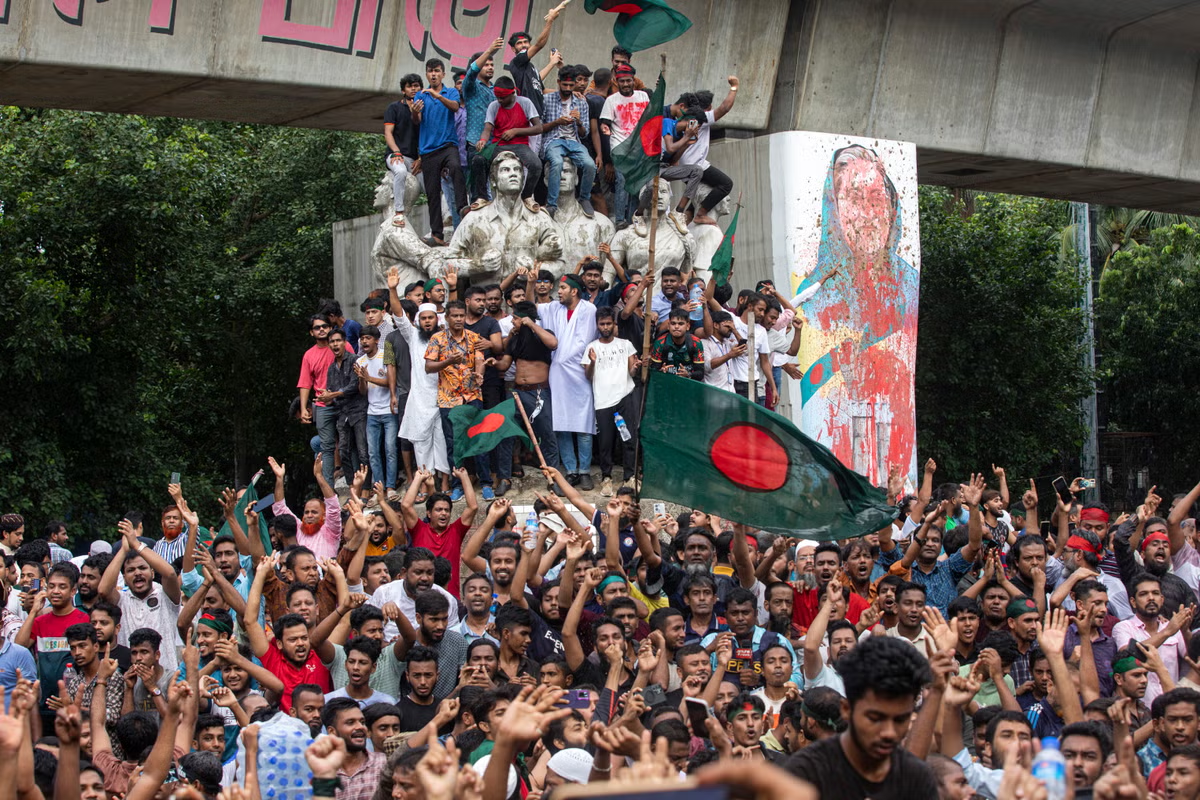
In a move that has sparked national and international attention, Bangladesh’s interim government led by Prof. Mohammed Yunus has officially dropped the title of ‘Father of the Nation’ for Sheikh Mujibur Rahman in a revised version of the Liberation War Act, issued on June 3, 2025. This revision, coupled with the earlier release of new currency notes excluding Mujib’s image, marks a historic shift in the country’s political and symbolic landscape

In a significant political development amid the ongoing Russia-Ukraine conflict, Yuliia Svyrydenko, former Economy Minister and a key figure in negotiating Ukraine’s mineral deal with the United States, was appointed as the new Prime Minister of Ukraine

In a landmark resolution, the United Nations General Assembly has declared 2026 as the International Year of the Woman Farmer to acknowledge and amplify the crucial role played by women in global agriculture

Germany unseated Japan as the world’s largest creditor nation in 2024, marking the end of Japan’s 34-year reign

Luís Montenegro returned to power as Portugal’s Prime Minister after his coalition, the Democratic Alliance, secured the most seats in the recent elections

Veteran mountaineer Kami Rita Sherpa from Nepal once again made history by conquering Mount Everest for a record-breaking 31st time

The United Kingdom has formally agreed to return the sovereignty of the Chagos Archipelago, including Diego Garcia, to Mauritius under a historic bilateral agreement

Denmark launched the world’s first large-scale commercial plant producing e-methanol, a sustainable fuel derived from renewable energy and captured carbon dioxide

Bhutan has unveiled a revolutionary crypto-based tourism payment system in collaboration with Binance Pay and DK Bank, making it the first country in the world to officially embed cryptocurrency into its national tourism services

Iranian authorities have confirmed that Russia will construct eight nuclear reactors across Iran, reinforcing a long-standing energy partnership

Sri Lanka observed Poson Poya, a revered Buddhist festival marking the historic arrival of Buddhism on the island more than two millennia ago

In a landmark decision reflecting the evolving dynamics of the intelligence community, the United Kingdom has appointed Blaise Metreweli as the first woman to lead its foreign spy agency, MI6

Zero Discrimination Day, observed annually on March 1, promotes the right of every individual to live with dignity and equality, free from discrimination. Initiated by UNAIDS in 2014, this day highlights the importance of inclusion, compassion, and peace while addressing various forms of discrimination, particularly against marginalized communities. The 2025 theme is We Stand Together and it underscores the role of community-led initiatives in sustaining the HIV response and global health efforts

NASA’s SPHEREx telescope was launched on February 27, 2025. This mission aims to create the most detailed and colourful map of the universe ever

The World Government Summit (WGS) 2025 commenced on February 10, 2025, in Dubai, UAE. This 12th edition of the summit is centred around the theme “Shaping Future Governments”. It has garnered unprecedented international participation, featuring over 30 heads of state and more than 400 ministers

NASA’s mission Pandora aims to study the atmospheres of distant exoplanets. With the James Webb Space Telescope (JWST) facing overwhelming demand for observation time, Pandora will fill a critical gap

China’s Chang’e-7 mission launched in 2025 aims to investigate the Moon’s south pole for potential water resources

Recently, New Zealand ‘s Mount Taranaki, also known as Taranaki Maunga, was officially recognised as a legal person. This landmark decision acknowledges the mountain’s significance to Indigenous Māori people, granting it all the rights and responsibilities of a human being

The Abel Prize for mathematics was awarded to Masaki Kashiwara in 2025. The 78-year-old Japanese mathematician received this honour for his contributions to algebraic analysis and representation theory. The Norwegian Academy of Science and Letters recognised his work in developing D-modules and discovering crystal bases. This award marks the importance of mathematics in advancing scientific knowledge

Noma, also known as cancrum oris, is a severe, gangrenous disease primarily affecting children aged 2 to 6 years. It is classified as a neglected tropical disease by the World Health Organization (WHO) as of December 2023. Noma is most prevalent in sub-Saharan Africa but has also been reported in parts of Asia and the Americas. The disease is characterised by rapid progression, often leading to severe disfigurement and social stigma

Recently, the United States continues to grapple with trade deficit. In 2024, the trade deficit exceeded $1 trillion for the fourth consecutive year

Günter Blöschl, a renowned hydrologist, has been awarded the prestigious Stockholm Water Prize in 2025. This recognition marks his contributions to flood risk management and water resource engineering

In the 2025 report, Finland leads the rankings, followed by Denmark, Iceland, and Sweden. Israel ranks eighth despite ongoing conflicts. Costa Rica and Mexico enter the top ten for the first time, ranking sixth and tenth respectively. The United States has dropped to its lowest position at 24, while the United Kingdom ranks at 23. Afghanistan remains the unhappiest country, followed by Sierra Leone and Lebanon. India ranks 118 out of 147 countries in the 2025 report. While it scores well on social support due to its community-focused culture, it struggles with perceptions of freedom. The World Happiness Report 2025 was published by the Wellbeing Research Centre at the University of Oxford

The World Meteorological Organization (WMO) recently released the State of Climate 2024 report. It revealed that carbon dioxide (CO2) levels reached 420 parts per million in 2023. This is the highest concentration in the last 800,000 years

Recently, France made breakthrough in clean energy with the discovery of a vast reserve of natural hydrogen in Folschviller, Moselle. This reserve is estimated to contain 46 million tons of “white hydrogen,” a naturally occurring gas that offers a sustainable alternative to traditional hydrogen production methods

The Five Eyes intelligence alliance is facing unprecedented challenges. Formed during World War II, it includes the United States, United Kingdom, Canada, Australia, and New Zealand. Recent shifts in US foreign policy under Donald Trump have disrupted long-held assumptions about the alliance. This situation has raised concerns about the future of intelligence sharing and collaboration among these nations

The Syrian conflict has escalated dramatically in recent years. Following the rise of a new government in December 2024, violence erupted, resulting in over 1,000 deaths in just two days. The new regime, which emerged after the ousting of long-time leader Bashar al-Assad, is reportedly targeting the Alawite community. This group, historically aligned with the Assad regime, now faces severe consequences due to its perceived loyalty to the former government

The Cairo Declaration emerged from an Emergency Summit of the Arab League held on March 4, 2025. This summit adopted a $53-billion plan for Gaza’s reconstruction, marking collective Arab response to the humanitarian crisis following the Israel-Hamas conflict. The plan aims to establish a comprehensive strategy for Gaza’s future, contingent on the full implementation of a ceasefire agreement

The rhino census in Nepal, conducted every five years, is now in jeopardy. The suspension of USAID funding has created a financial crisis for the Department of National Parks and Wildlife Conservation. This department relies on various partnerships to carry out the census. The last census took place in 2021 and indicated a population of 752 one-horned rhinos in the country

On March 2, 2025, Firefly Aerospace successfully landed its spacecraft, Blue Ghost Mission 1, on the Moon. This marks only the second private mission to achieve a lunar landing and the first to do so upright. This milestone reflects the growing trend of commercial space exploration and NASA’s collaboration with private companies

Recently, President Donald Trump signed an executive order establishing English as the official language of the United States. This marked a historical shift, as the US had never designated an official language since its founding

2025 Current Affairs India- January to June

The first HMPV Virus case in India is detected in Bengaluru.

Nine miners are killed in the flooding of a coal mine in Dima Hasao district, Assam.

The Andhra Pradesh government launched the “Mana Mitra” initiative. This programme aims to enhance governance through WhatsApp.

The Sonamarg Tunnel in Jammu and Kashmir is inaugurated in a ceremony attended by Prime Minister Narendra Modi

The Nagoba Jatara is an important tribal festival celebrated by the Mesram clan of Adivasi Gonds in Keslapur village, Telangana. This eight-day event started on January 28

Elephant Spotted in Namdapha National Park, Arunachal Pradesh after 12 Years.

The India-Middle East-Europe Economic Corridor (IMEEC) is gaining momentum with recent initiatives by RITES. This project aims to enhance trade and connectivity between India and the Middle East.

Gujarat Biodiversity Board announced the designation of the ‘Inland Mangrove Guneri’ in Kutch as the state’s first Biodiversity Heritage Site (BHS).

Actor Saif Ali Khan is stabbed by an unknown man during an alleged robbery at his Mumbai residence.

Indore and Udaipur became the first cities from the country to be accredited as Wetland Cities under the Ramsar Convention.

Kanuma Panduga is a vibrant festival celebrated in Andhra Pradesh, India, coinciding with the Makar Sankranti harvest celebrations.

Tamil Nadu unveiled India’s First Glass Sea Bridge.

The chief guest for the 2025 parade was Prabowo Subianto, the President of Indonesia, marking his first visit to India as President after assuming office in October 2024

The Pravasi Bharatiya Samman Award has been awarded to Christine Carla Kangaloo, the President of Trinidad and Tobago.

CRED became the first fintech company to launch a beta version of its e-rupee wallet, enabling transactions using India’s central bank digital currency (CBDC).

Punjab National Bank (PNB) made headlines by becoming the first Indian bank to implement Clari5’s National Cybercrime Reporting Portal (NCRP) Integration Solution.

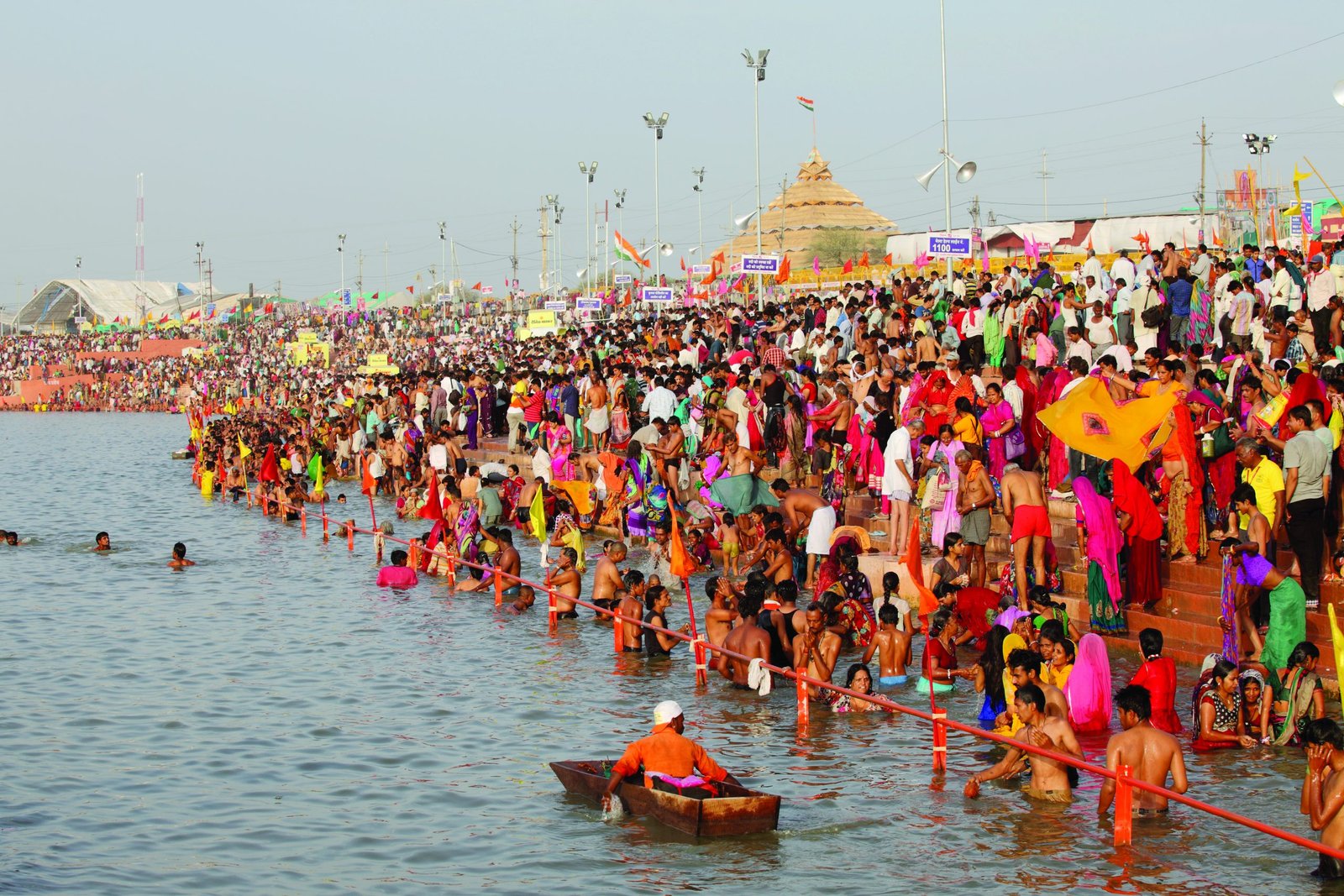
13 January–26 February: 2025 Prayag Maha Kumbh Mela

Uttar Pradesh’s Chief Minister Yogi Adityanath inaugurated ‘Maa Ki Rasoi’ on January 10, 2025. This community kitchen initiative aims to provide affordable meals for the economically weaker sections. This initiative is alleged to be a copy of West Bengal’s Maa canteen scheme.

The Unified Pension Scheme (UPS) was officially notified on January 24, 2025. This scheme offers government employees a new choice for retirement benefits

Tamil Nadu has witnessed a concerning rise in the number of dead olive ridley turtles washing ashore, particularly in Chennai.

The Bima Sakhi Yojana was recently launched in Goa, aiming to provide insurance access to all citizens.

Madhya Pradesh has recently taken step towards prohibition by banning liquor sales in 17 religious towns.

The National Tribal Health Conclave 2025 took place on 20th January 2025 at Bharat Mandapam, New Delhi.

On January 7, 2025, the Government of India announced the appointment of V Narayanan as the new Chairman of the Indian Space Research Organisation (ISRO)

Mission Mausam was inaugurated by Prime Minister Narendra Modi on January 14, 2025. This initiative marks the 150th anniversary of the India Meteorological Department (IMD)

Larsen & Toubro (L&T) successfully launched the second multi-purpose vessel (MPV) for the Indian Navy, named INS Utkarsh.

Assam Chief Minister Himanta Biswa Sarma announced that Dibrugarh would be upgraded to a full-fledged city and serve as the second capital of Assam.

India Meteorological Department (IMD) reported that 2024 was the hottest year in India since records began in 1901.

The Government of India launched a revamped e-auction portal named ‘Baanknet’.

IIT Madras partnered with the Ministry of Agriculture and Farmer Welfare to launch Project VISTAAR. This initiative aims to enhance the agricultural extension system through digitalisation.

10 Years of UJALA Scheme the UJALA scheme, launched on 5th January 2015, has transformed India’s approach to energy efficiency. This initiative was initially known as the Domestic Efficient Lighting Programme

India’s first tactical quasi-ballistic missile, Pralay was showcased at the Republic Day parade

India’s First Green Hydrogen Hub Launched in Pudimadaka, Anakapalli district, Andhra Pradesh.

The Lokpal of India has designated January 16 as “Lokpal Day”.

Nimisha Priya, an Indian nurse from Kerala, is on death row in Yemen for the 2017 killing of a Yemeni national.

India’s Ministry of Defence  declared 2025 as the “Year of Reforms.”

Thirteen people are killed and 15 others are injured after a passenger train collides with a group of people that disembarked from another train following a false fire alarm near Pachora, Maharashtra2025 Delhi Legislative Assembly election: The Bharatiya Janata Party wins a two-thirds majority in the Delhi Legislative Assembly. Rekha Gupta became the CM of Delhi

India won the 2025 ICC Champions Trophy for a record third time, in Dubai

N. Biren Singh resigned as the Chief Minister of Manipur amid ongoing ethnic violence in the state

The Union Government imposed President’s rule in Manipur amid ongoing ethnic violence in the state

The Government announced the successful Operation Black Forest against Naxal insurgents

Eight members of the same family were killed in an explosion caused by a gas cylinder at a house that doubled as an illegal firecracker factory in Patharpratima, West Bengal

Haryana-based travel YouTuber influencer and Jyoti Malhotra was arrested on suspicion of spying for Pakistan following a history of travel to the country

Shubhanshu Shukla becomes the second Indian, after Rakesh Sharma in 1984, to go to outer space, as group captain of the Axiom Mission 4 which takes off from the Kennedy Space Center in the United States

Karnataka-based writer Banu Mushtaq won the 2025 International Booker Prize for her short story anthology Heart Lamp, which is also the first Kannada language work to win the award

The Sachet mobile application, launched by the National Disaster Management Authority (NDMA), aims to improve disaster preparedness in India

AI Kiran is a national movement launched to promote women’s leadership in Artificial Intelligence (AI) in India. As the nation’s AI market is projected to reach $17 billion by 2027, the initiative aims to address the gender disparity in this rapidly evolving field. It is co-led by the Office of the Principal Scientific Adviser (PSA) to the Government of India, Verix (Blockchain-powered credentialing platform) and INK Women

In development for environmental conservation, Similipal has been designated as a national park by the Odisha government. This formal notification marks the culmination of decades of efforts to protect this vital ecological area. Spanning 845.70 square kilometres, Similipal is now the largest national park in Odisha and the 107th in India

The Government of India has initiated the National Manufacturing Mission to enhance the Make in India initiative. Announced during the Union Budget of 2025, this mission aims to increase manufacturing’s contribution to India’s GDP. Currently, manufacturing accounts for 16-17% of GDP, and the government seeks to elevate this share

The NITI Aayog has recently released a report titled ‘Enhancing MSMEs Competitiveness in India’. It was developed in collaboration with the Institute for Competitiveness, outlines strategies to unlock the potential of Micro, Small and Medium Enterprises (MSMEs) in India. The report identifies systemic reforms necessary in financing, skilling, innovation, and market access to boost MSME competitiveness

In a landmark event, Uttar Pradesh has become the first state in India to enable night landings for fighter jets on an expressway. This achievement was marked by the Indian Air Force (IAF) conducting trials on a newly constructed 3.5-kilometre airstrip along the Ganga Expressway in Shahjahanpur

The Odisha government has launched Sahajog, a groundbreaking initiative aimed at enhancing access to government welfare schemes for the urban poor. Officially inaugurated on May 1, 2025, it seeks to bridge the gap between urban poverty and available state assistance

Recently, the India Meteorological Department (IMD) reported that 2024 was the warmest year in India’s recorded history

Recently, the Supreme Court of India recognised digital access as a fundamental right under Article 21 of the Constitution. This landmark judgement mandates that the state must provide an inclusive digital ecosystem

The Ramman festival is an important cultural event in Uttarakhand. Celebrated annually in the villages of Saloor-Dungra, it showcases the region’s rich traditions.

Recently, the Government of Andhra Pradesh made strides towards establishing India’s first Quantum Computing Village in Amaravati. This initiative aims to create a pioneering ecosystem for quantum computing research and collaboration. The project is backed by the Real-Time Governance Society (RTGS) and is set to occupy 50 acres of land. The facility will serve as a hub for institutions and companies to access advanced quantum computing resources

The Pink E-Rickshaw initiative launched in Maharashtra aims to empower women by providing them with eco-friendly transportation options

On April 16, 2025, India’s Railway Minister Ashwini Vaishnaw announced the successful breakthrough of the country’s longest rail tunnel at Janasu in Uttarakhand. This milestone is part of the Rishikesh-Karnaprayag Broad Gauge Rail Link Project. A tunnel breakthrough happens when two tunnel ends being dug meet, marking a key phase in tunnel construction. The breakthrough coincided with the 172nd anniversary of India’s first railway service

India is on the brink of advancement in its nuclear energy sector with the commissioning of its first Prototype Fast Breeder Reactor (PFBR) in Kalpakkam, Tamil Nadu. This marks the second stage of India’s three-stage nuclear programme aimed at recycling spent fuel and minimising radioactive waste. The PFBR is expected to be operational by 2025-26, following approval from the Atomic Energy Regulatory Board

Amaravati, the upcoming capital of Andhra Pradesh, is set to make history as the first city globally to operate entirely on renewable energy. This ambitious project aims to harness 2,700 megawatts of green energy through solar, wind, and hydropower. The initiative aligns with India’s commitment to clean energy and climate action

Garia Puja has its origins in the tribal traditions of Tripura. Initially observed by specific communities, it has evolved into a broader celebration. The festival marks the beginning of the Tripuri calendar month of Boishakh.

The Central Government is considering extending Mission Anveshan. This initiative incentivises seismic surveys to map oil and gas deposits. Launched in fiscal year 2025, the programme aims to boost energy security by identifying new reserves.

The Maharashtra government has recently mandated the teaching of Hindi as a third language in schools. This decision aligns with the National Education Policy (NEP) 2020. It affects both Marathi and English medium schools for students in classes 1 to 5. The change aims to enhance language skills and promote inclusivity

The “Mahila Samvad” campaign was launched by Bihar Chief Minister Nitish Kumar to enhance women’s empowerment. This initiative aims to connect women with state welfare measures

Madhya Pradesh Forest Department has successfully bred and prepared six vultures for release into the wild. This initiative aims to boost the endangered vulture population and enhance ecological balance

apan is set to enhance India’s high-speed rail capabilities by providing two shinkansen trains for free. These trains, models E5 and E3, will serve as test vehicles for the Mumbai-Ahmedabad bullet train project. This initiative marks step in India’s ambition to develop its first high-speed rail network

The PM Vidyalaxmi scheme was launched to support meritorious students in India. This initiative aims to provide financial assistance for higher education through collateral-free loans. Despite its noble intentions, the scheme has faced challenges in its implementation. Public sector banks have reported technical issues and a slow uptake of applications

The rise in notified paediatric tuberculosis (TB) cases in India has become public health concern. Recent data indicates a 38 per cent increase in cases among children aged up to 14 years from 2020 to 2024. This surge is attributed to various factors, including malnutrition and the lingering effects of the Covid-19 pandemic

In a landmark ruling, the Supreme Court of India has established that the President must provide clear reasons when withholding assent to a bill. This ruling comes after the court’s interpretation of Article 143 of the Constitution of India, which allows the President to seek the Supreme Court’s opinion on legal questions.

Recently, Maharashtra signed an MoU with Russia’s state-owned company ROSATOM for the development a Small Modular Reactor (SMR). This initiative is notable as it is the first time a state government has ventured into nuclear energy development, traditionally under the purview of the Department of Atomic Energy (DAE)

India’s Defence Research and Development Organisation (DRDO) recently completed successful release trials of the Long-Range Glide Bomb (LRGB) named ‘Gaurav’. Conducted from April 8 to 10, 2025, these trials took place using the Sukhoi-30MKI fighter aircraft

West Bengal has recently received Geographical Indication (GI) tags for seven traditional products. This recognition includes popular items like ‘Nolen Gurer Sandesh’ Nolen Gurer Sandesh – A winter delicacy made from chhena and date palm jaggery, cherished for its unique flavour.

Kamarpukur’s White Bonde – A traditional sweet known for its rich taste.

Murshidabad’s Chhanabora – A well-known sweetmeat made from chhena.

Bishnupur’s Motichur Laddoo – Famous for its delightful taste.

Radhunipagal Rice – Valued for its unique flavour and quality.

Malda’s Nistari Silk Yarn – Renowned for its smooth texture and sheen

India is set to enhance its naval capabilities with the commissioning of INS Varsha, a strategic naval base for nuclear submarines in coastal Andhra Pradesh. This initiative aims to counter China’s expanding naval presence in the Indian Ocean Region. The base, located near Rambilli, is designed to provide a secure and advanced facility for India’s nuclear submarines, ensuring operational readiness and stealth

The Digital Threat Report 2024 marks step in enhancing cybersecurity within the Banking, Financial Services, and Insurance (BFSI) sector in India. Launched by the Ministry of Electronics and Information Technology, this report aims to address the escalating cyber threats faced by financial institutions. It marks the urgency for a unified cybersecurity framework to protect the financial backbone of the country

The Sri Lanka Mitra Vibhushana is the highest civilian honour awarded by Sri Lanka. It recognises foreign leaders who have encourageed strong ties with the nation. Recently, Prime Minister of India Narendra Modi received this award during his state visit to Sri Lanka

The issue of cryptocurrency regulation in India has gained attention due to recent legal challenges faced by investors and exchanges. The National Consumer Disputes Redressal Commission (NCDRC) recently dismissed a plea from investors claiming losses from a major hack at WazirX, a prominent crypto exchange. This dismissal marks the ongoing ambiguity surrounding cryptocurrency’s legal status in India

Recently, Assam launched the ‘Lakhpati Baideo’ programme. This initiative aims to empower women entrepreneurs through financial support and training. Chief Minister Himanta Biswa Sarma announced the scheme, which targets 40 lakh women self-help group (SHG) members. The programme is designed to enhance women’s financial independence and promote rural entrepreneurship

Recently, West Bengal launched a groundbreaking initiative aimed at eradicating mother-to-child transmission of HIV, syphilis, and Hepatitis B by 2026. This project, known as the ‘Triple Elimination’ initiative, is a collaborative effort involving the West Bengal government, the William J Clinton Foundation, and the World Health Organization

India’s external debt reached approximately $718 billion. This marked an increase of 10.7 per cent from the previous year. The surge in debt is attributed mainly to non-financial corporations seeking funds for infrastructure projects. The data shows rise in both short-term and long-term debts

India’s position in the World Economic Forum’s Global Gender Gap Index has declined . Recently, India ranked 131st out of 148 countries. This fall is attributed to a worsening situation in political empowerment. While economic participation, educational attainment, and health have shown improvements, political representation remains a pressing issue

Bihar is set to become one of the first states in India to establish a nuclear power plant. This initiative is part of the country’s new Nuclear Energy Mission. This decision is as it comes ahead of the assembly elections in Bihar

The Government of India has announced a detailed caste Census in Himachal Pradesh, set to begin in 2026. This initiative aims to gather comprehensive data on the caste composition of the state, which has a diverse demographic landscape

India achieved milestone by securing a position among the top 100 countries in the United Nations Sustainable Development Goals (SDGs) Index. This ranking is part of the Sustainable Development Report, which evaluates the progress of nations in achieving the 17 SDGs established in 2015. India ranks 99th out of 193 countries, scoring 67 points

In 2026, the Ministry of Statistics and Programme Implementation (MoSPI) will conduct India’s first comprehensive Household Income Survey. This initiative aims to provide a clearer picture of household incomes across the nation

India’s naval capabilities are set to receive boost with the commissioning of INS Tamal on July 1, 2025, in Kaliningrad, Russia. This frigate is the last of the Krivak class to be built outside India, marking a very important moment in the Indian Navy’s transition towards self-reliance under the ‘Atmanirbhar Bharat’ initiative

In 2024, Foreign Direct Investment (FDI) into India remained stable at $28 billion. This figure was consistent with 2023 levels despite a global decline in FDI flows by 11%. The United Nations Conference on Trade and Development (UNCTAD) brought into light India’s resilience in attracting investment, moving up to the 15th position in global FDI rankings

The Sugamya Bharat App (SBA) is a vital initiative by the Government of India aimed at improving accessibility for persons with disabilities and elderly citizens. Launched in 2021 by the Department of Empowerment of Persons with Disabilities, this app has undergone revamp to enhance user experience and effectiveness

The Election Commission of India initiated a special intensive revision of electoral rolls in Bihar. This decision comes ahead of the state assembly elections. The revision aims to ensure the accuracy and integrity of the electoral rolls. Existing electors not on the rolls since 2003 must provide documentation to establish their eligibility

The Government of India initiated Operation Sindhu to evacuate Indian nationals from Iran amid escalating tensions in the region. The conflict between Israel and Iran had intensified, prompting urgent measures to ensure the safety of Indian citizens

The introduction of water metro services in Patna is poised to revolutionise the city’s transport landscape

India’s position in the Global Gender Gap Report 2025 has deteriorated, ranking 131 out of 148 countries. This marks a decline from 129 in 2024. The report, released on June 12, 2025, marks India’s gender parity score of 64.1%

Kerala has approached the Union government with a proposal to amend the Wildlife Protection Act of 1972. The aim is to allow the state to cull wild animals that threaten human life and property. The urgency arises from rise in human-wildlife conflicts in the region

The Government of India launched the Ayush Nivesh Saarthi portal. This initiative aims to position India as a global leader in traditional medicine and wellness. The launch took place during the Ayush Stakeholder/Industry Interaction Meet in New Delhi. The event was attended by key government officials and industry leaders. This portal marks step in transforming India’s wellness systems into a robust economic sector

Tamil Nadu government has established a Greater Flamingo Sanctuary at Dhanushkodi, coinciding with World Environment Day. This sanctuary aims to protect migratory bird habitats and enhance biodiversity in the region

India is set to conduct its next population census by March 1, 2027. This census will be unique as it will be the first digital census in the nation’s history. It will also include a caste enumeration, development since caste data has not been collected in previous censuses. The last census took place in 2011, and the planned census for 2021 was delayed due to the COVID-19 pandemic

The Government of India is taking steps to combat substance abuse by establishing District De-Addiction Centres (DDACs) in 291 identified gap districts. These districts lack adequate infrastructure for treating and rehabilitating individuals struggling with substance dependence. This initiative is part of the National Action Plan for Drug Demand Reduction, spearheaded by the Ministry of Social Justice and Empowerment

The NAKSHA programme, initiated by the Government of India, aims to reform urban land surveys using advanced geospatial technologies. As urban populations surge, the need for accurate land records becomes critical

India launched Bharat Gen, a groundbreaking Artificial Intelligence (AI) initiative. This multimodal Large Language Model (LLM) is designed to cater to the diverse linguistic and cultural landscape of India. The initiative was revealed at the BharatGen Summit, the largest event focused on Generative AI in the country. Bharat Gen is a product of the National Mission on Interdisciplinary Cyber-Physical Systems (NM-ICPS) and is supported by the Department of Science and Technology (DST). It aims to revolutionise AI applications across various sectors

The DHRUVA initiative is a groundbreaking digital policy introduced by the Department of Posts in India. Launched in 2025, it aims to reshape how address information is structured and utilised across the nation. DHRUVA stands for Digital Hub for Reference and Unique Virtual Address. This initiative builds on the earlier Digital Postal Index Number (DIGIPIN) system, enhancing the effectiveness of address data as a critical component of Digital Public Infrastructure (DPI)

The India–UK Free Trade Agreement marks a new era in economic diplomacy for both nations. With substantial tariff eliminations, mobility agreements, and safeguards for sensitive sectors, the FTA balances ambition with pragmatism. It strengthens the Comprehensive Strategic Partnership between nations

Congress party in Telangana introduced a Bill aimed at increasing reservations for Backward Classes from 25% to 42%

Shaktikanta Das, the former Governor of the Reserve Bank of India (RBI), has been appointed as Principal Secretary to the Prime Minister of India

Prime Minister Narendra Modi recently attended the AI Action Summit in Paris, where he engaged in cultural diplomacy. During his meetings with French President Emmanuel Macron and US Vice President J.D. Vance

The Haryana government has recently approved new Wildlife (Protection) Rules permitting the shooting of male Nilgais, also known as blue bulls. This decision has ignited protests from environmentalists and local communities, particularly the Bishnoi community

West Bengal government has introduced the “Nodi Bandhan” scheme as part of its 2025-26 budget. The scheme will help combat natural disasters while creating job opportunities

The Securities and Exchange Board of India (SEBI) has introduced a new digital platform named Mutual Fund Investment Tracing and Retrieval Assistant (MITRA). This initiative aims to assist investors in tracking inactive or unclaimed mutual fund folios. The platform responds to concerns where investors lose track of their investments due to outdated contact information or lack of awareness regarding investments made in their name

In 2024, India ranked 96 out of 180 countries in the Corruption Perceptions Index (CPI). This was a decline from its previous rank of 93 in 2023. The CPI measures perceived levels of public sector corruption based on expert assessments and business opinions

The Pradhan Mantri Anusuchit Jaati Abhyuday Yojana (PM-AJAY) is initiative aimed at uplifting Scheduled Caste (SC) communities across India. Launched to combat poverty and enhance socio-economic conditions, the scheme focuses on generating employment and improving education. Recently, the central advisory committee convened to review its progress and strategize future actions

The BIMSTEC Youth Summit was held from 7th to 11th February 2025 in Gandhinagar, Gujarat. Organised by the Department of Youth Affairs, Government of India

Recently, Bhopal’s district collector implemented a ban on begging across all public spaces. This decision came shortly after Indore introduced similar measures

The Zika virus emerged as public health concern in Pune district, Maharashtra. In 2024, Pune accounted for 125 out of 151 confirmed cases of Zika reported across India

Recently, Myanmar experienced a catastrophic earthquake that resulted in loss of life and widespread destruction. In response, India launched ‘Operation Brahma’ to provide urgent humanitarian assistance. This operation marks India’s commitment to its ‘Neighbourhood First ‘policy and the principle of ‘Vasudhaiva Kutumbakam’, meaning the world is one family

India celebrated advancement in its naval capabilities with the launch of the stealth frigate ‘Tavasya’ on March 22, 2025. This event, held at Goa Shipyard Limited, marks a very important moment in India’s indigenous shipbuilding journey. The launch was officiated by Raksha Rajya Mantri Shri Sanjay Seth, denoting India’s commitment to self-reliance in defence

Chandrayaan-4 is India’s fourth lunar mission, set to launch in October 2027

Darjeeling’s Padmaja Naidu Himalayan Zoological Park has launched India’s first frozen zoo. This innovative facility aims to preserve the genetic material of endangered Himalayan species. In collaboration with the Centre for Cellular and Molecular Biology in Hyderabad, the zoo will store DNA samples in liquid nitrogen at minus 196 degrees Celsius

The Rajasthan Coaching Centres (Control and Regulation) Bill in 2025 aims to regulate coaching centres across the state. The government seeks to create a safer environment for students. The Bill addresses the alarming rise in student suicides linked to high-pressure coaching environments

Recently, India’s merchandise trade deficit fell to $14.05 billion. This marked the lowest level in over three years. The decline was primarily driven by contraction in both exports and imports. Factors such as decreasing global petroleum prices and economic uncertainty due to US trade practices played important role. The trade deficit for February 2024 was notably higher at $19.52 billion

Recently, the Department of Telecommunications (DoT) in India partnered with WhatsApp to combat online scams and spam through the `Scam Se Bacho` campaign. This initiative aims to educate citizens about identifying and reporting fraudulent communications. The collaboration is part of India’s broader digital safety strategy as the nation continues its digital transformation

Recently, the Reserve Bank of India (RBI) received the Digital Transformation Award from Central Banking in London. The award specifically acknowledges RBI’s initiatives, Sarthi and Pravaah, which have modernised its operations

Prime Minister Narendra Modi was awarded the Grand Commander of the Order of the Star and Key of the Indian Ocean by Mauritius. This prestigious accolade is the highest civilian honour in Mauritius. Modi is the first Indian to receive this honour

Jayshree Vencatesan, co-founder of Care Earth Trust, recently made history as the first Indian to receive the Ramsar Award for ‘Wetland Wise Use’. This prestigious global accolade recognises exceptional contributions to sustainable wetland management. The announcement coincided with International Women’s Day, denoting the role of women in environmental conservation. Vencatesan was one of twelve women honoured for their impactful work in wetland preservation

On International Women’s Day 2025, the newly elected BJP government in Delhi launched the Mahila Samriddhi Yojana. This scheme aims to provide financial support to women from economically weaker sections. Each eligible woman will receive ₹2,500 monthly

According to the World Air Quality Report 2024, India ranks as the fifth most polluted country, a slight improvement from third place in 2023

The Sharavathi pumped storage hydroelectric project (PSHP) in Karnataka has sparked controversy. The project aims to generate 2,000 MW of electricity while also supplying drinking water to Bengaluru. However, it faces fierce opposition from environmentalists and local communities concerned about ecological damage to the Western Ghats

Recently, the Madhav National Park in Madhya Pradesh was officially declared India’s 58th tiger reserve

Punjab launched ‘Project Hifazat’, a transformative initiative aimed at boosting support for women and children facing violence. The project was unveiled on the eve of International Women’s Day

The Indian government launched the Project Lion to protect and expand the population of Asiatic lions. The project was approved with a substantial budget of Rs 2,927.71 crore

February 2025 marked climatic event in India, being the hottest February recorded in the last 125 years. According to the India Meteorological Department (IMD)

India’s first dedicated space-based solar mission, Aditya-L1, has achieved milestone. On February 22, 2025, the Solar Ultraviolet Imaging Telescope (SUIT) onboard Aditya-L1 captured the first-ever image of a solar flare ‘kernel’ in the lower solar atmosphere. This observation is crucial for understanding solar activity and its effects on Earth

WBP SI Course by Adhyayan Academy

WBP/KP  SI Course Details.

Class Schedule – Weekly 4 days. Classes are in the evening.

Class mode- All classes will be live on google meet. Recording links will be shared in our WhatsApp group.Notes in pdf format will be shared in our group.

Fee: For SI course, the fee is Rs. 2000 . The fee is nonnegotiable.

For admission, you need to send a WhatsApp to 6295350330 with your name, address and desired course. We’ll send you a QR code. Once you make the payment and send us the screenshot, we’ll include you in the WhatsApp group.

When will the classes start?

From 12th August, 2025.

Are mock tests included in the course?

Yes, mock tests are included. Total 4 mock tests will be there.

Is Main included in the course?

Yes. But right now focus will be on prelims only. Preparation for the main examination will start in late January.

All the best, learners

Operation Sindoor- The Saga of Valour

Background

On 22 April, Pakistan based terrorist group “The Resistance Front” (TRF) perpetrated a devastating attack in Pahalgam, India.  In this attack 26 innocent tourists were killed in cold blood after segregating them based on their religion. TRF is an offshoot of the well-known Pakistan backed terrorist organisation Lashkar-e-Taiba. 

The Response

Post the attack, TRF claimed the responsibility for this attack not once but twice within a few hours.  Pakistan’s subsequent refusal to acknowledge or curb these terrorists’ networks compelled India to take a responsible but resolute action. In response, on the night of 7–8 May 2025, the Government of India executed “Operation Sindoor,”.  The response was non escalatory, precise and targeted terrorist training camps at nine different locations within Pakistan and Pakistan Occupied Kashmir.  No military targets were engaged.  However, in the early hours of 8 May, Pakistan, in an escalated response launched coordinated drone and missile strikes targeting over a dozen Indian military installations across the Northern and Western theatres, including Srinagar, Jammu, Pathankot, Amritsar, Ludhiana, Bathinda and Bhuj. India’s robust Integrated Counter-drone Grid and layered Air Defence systems intercepted these attacks, recovering debris conclusively traced to Pakistani origin.

Objective and Success

India’s strategic calculus in Operation Sindoor was informed by an unwavering objective: to uphold national sovereignty and protect civilian lives without precipitating a broader military conflagration. By confining military action to terrorist infrastructure, India underscored its non-escalatory posture and respect for established international norms. Pakistan’s reputation as the epicentre of global terrorism is rooted in a number of instances, there are several terrorist attacks around the world where Pakistani fingerprints have been found. Earlier in pursuit of justice for the victims of terrorist attack be it Mumbai in 2008, Pathankot in 2016, Pulwama in 2019 or many others, India provided forensic evidence and urged Pakistan to bring the perpetrators of these attacks to justice.  India has also submitted an updated dossier to the UN 1267 Sanctions Committee, documenting Pakistan’s complicity in sheltering and abetting designated terrorist operatives.

Meanwhile, Pakistan’s repeated stone-walling of joint investigative teams despite India’s full cooperation in forensic, call-data and on-site evidence sharing for Mumbai 2008 and Pathankot 2016 probes reveals that its calls for new “joint investigations” are nothing more than delaying tactics. In these circumstances, India has also placed the Indus Water Treaty in abeyance: demographic changes, evolving climate realities and several such factors have led to fundamental changes in the circumstances in which the treaty was concluded.  Constant refusal of Pakistan for Government-to-Government negotiations to discuss the modifications is itself a ‘Violation of the Treaty’ and a breach of its spirit of “goodwill and friendship”.

Weapons Used

Indian Air Force (IAF) used advanced systems like SCALP Cruise Missiles, HAMMER Precision-Guided Bombs, and Loitering Munitions also known as “kamikaze drones” to carry out these operations with high accuracy and minimal collateral damage.

Global Implications

Redefining Counter–Terrorism Norms: The operation legitimises conventional military force against sub-conventional terrorist threats, reshaping global counter-terror doctrines.

Erosion of International Mediation Space: India’s assertive stance signals diminishing reliance on third-party mediators, reinforcing its strategic autonomy in regional conflicts.

Doctrinal Influence on Democracies: Other nations grappling with cross-border terrorism may adopt similar proactive military postures, inspired by India’s precedent.

Turbulence in South Asian geopolitics: India-Pakistan relations further deteriorate, reducing the scope for diplomatic dialogue and regional cooperation.

China’s recalibrated strategy: Beijing may either deepen its strategic alignment with Pakistan or reassess its military calculus in the India-China-Pakistan triangle.

Challenges Ahead

Military Escalation Risks: Increased likelihood of Pakistani retaliation or cross-border escalation heightens fears of prolonged conflict or a two-front war with China.

Diplomatic Tightrope: India must balance military assertiveness with global expectations of restraint while maintaining the trust and support of key partners like the US and France.

Evolving Terrorist Threats: Terrorist groups may change tactics by focusing on soft targets, inciting communal unrest, or using asymmetric warfare to undermine internal peace.

Internal Security Vulnerabilities: Increased risk of radicalisation, cross-border infiltration, cyber-attacks, and urban terrorism demands enhanced vigilance and intelligence.

Pakistan’s propaganda leverage: Islamabad may exploit the operation to portray India as the aggressor, consolidate domestic unity, and push a victimhood narrative internationally.

Way Forward

Formally, national doctrine must be formulated outlining India’s response to cross-border terror, eliminating ambiguity and enhancing strategic credibility.

India must own & shape global narrative by presenting her actions as a lawful defence under international norms, particularly Article 51 of the UN Charter.

Upgrading border surveillance, integrating intelligence through fusion centres, and strengthening local policing to pre-empt future threats.

India must sustain global pressure on Pakistan by utilising her growing geopolitical and economic influence through G20, QUAD, SCO, and UNSC engagements.

India must maintain high preparedness for counter-escalation and reinforce deterrence through calibrated force posture and war gaming.

Final Words

Operation Sindoor is a principle-driven military response underpinned by strategic restraint.  It was in response to a barbaric terrorist attack on innocent tourists which originated from Pakistan. India had a right to response which it did, in a responsible, restrained, measured and a non-escalatory manner. It marks a pivotal shift in India’s security doctrine—from reactive diplomacy to assertive deterrence—conveying a clear message that terrorism will invite swift retribution and that the responsibility to prevent escalation now rests with the adversary.

1 Year of Bangladesh Unrest

The July Revolution, also known as the July Mass Uprising or the Student-People’s Uprising was a pro-democracy mass uprising in Bangladesh in 2024. It began as a quota reform movement in early June 2024, led by the Students Against Discrimination, after the Bangladesh Supreme Court invalidated the government’s 2018 circular regarding job quotas in the public sector. By early August, the movement evolved into a non-cooperation movement. On 4 August, thousands of protesters convened at Dhaka’s Shahbag intersection in the morning, obstructing it as a form of civil disobedience to demand the resignation of the government. This was followed by hundreds of casualties. The following day, the protesters called for the Long March to Dhaka in defiance of a nationwide curfew to press Sheikh Hasina to resign. The long march of crowded people to Ganabhaban forced her to resign. She, along with her sister Sheikh Rehana, then fled the country to India via military on 5 August 2024. Hasina’s ouster triggered a constitutional crisis, leading to the formation of an interim government led by the country’s only Nobel laureate, Muhammad Yunus, as the chief adviser.

By early August 2024, the unrest resulted in a significant death toll. Initial official reports claimed 215 deaths, but a United Nations investigation later confirmed that at least 650 people were killed. In August, the Interim Government’s Health and Welfare Adviser, Nurjahan Begum, reported that over 1,000 individuals had been killed in the uprising and more than 400 students had lost their eyesight. Additionally, more than 20,000 were injured, and over 11,000 were arrested nationwide. Among the deceased were at least 32 children, according to UNICEF. In January 2025, the interim government of Bangladesh published a gazette containing the initial finalized list of 834 recorded deaths. However, the actual number of casualties may be higher due to restrictions imposed by the previous government, which included barring hospitals from sharing data, confiscating CCTV footage, and burying some victims without proper identification. There were visuals of Indians especially the Hindus were being tortured, temples were being demolished and the statues of the founding father of Bangladesh being destroyed all over the country.

On 12 February 2025, the United Nations Office of the High Commissioner for Human Rights published a thorough report on the events that took place from 1 July to 5 August 2024, which suggested a death toll of 1,400.

Triggered by the reinstatement of a quota system for allocation of civil service positions, initially peaceful student protests in Bangladesh that started in mid-June 2024 were followed by violence and serious human rights violations committed by security forces. Hundreds of people were killed, including at least 32 children, and thousands injured. There are strong indications, warranting further independent investigation, that the security forces used unnecessary and disproportionate force in their response to the situation. Alleged violations included extrajudicial killings, arbitrary arrests and detention, enforced disappearances, torture and ill-treatment, and severe restrictions on exercise of freedoms of expression and peaceful assembly.

Bangladesh introduced a Reservation Policy in 1972. Till 1976, 80 per cent of Government jobs fell under the Reserve category and only 20 per cent of jobs were to be filled on the basis of merit. 30 per cent was reserved for freedom fighters, 10 per cent for war-affected women, and, 40 per cent for the backward districts.

In 1976, the quotas were decreased from 80 per cent to 60 per cent. In 1982, the quotas were reduced to 55 per cent, with three changes. One, the 10 per cent quota for women was thrown open to all women, not just war-affected women. Two, the quota for backward districts was further reduced from 20 per cent to 10 per cent. And, three, a new five per cent quota was introduced for indigenous communities. In 1997, the children of freedom fighters became eligible for the reservation. And, in 2010, it was extended to include grandchildren of freedom fighters.

In 2012, the quotas were increased to 56 per cent by giving a one per cent quota to persons with disabilities. Protests against Bangladesh quota policy were not new. Anti-quota protests took place six years ago. Then, like now, the protests began at Shahbagh in Dhaka, before spreading to other parts of the country.

In January 2018, a petition was filed in the Dhaka High Court seeking re-evaluation of quota policy. In March that year, Dhaka High Court rejected the petition. Protests broke out in April. In October of 2018, the Government abolished the quota for freedom fighters’ families.

On 5 June 2024, the Dhaka High Court ruled that the 2018 Government decision to abolish the quota was illegal, and, re-instated the quota. Subsequently, the Government moved the country’s top court against the High Court ruling. On 1 July, protests broke out. On 4 July, the Bangladesh Supreme Court upholds the High Court ruling. On 11 July, the Supreme Court suspended the High Court ruling, pending a hearing on the Government’s appeal on 7 August.

A combative Bangladesh Prime Minister Sheikh Hasina tried to suppress the movement and initially launched verbal attacks against those who were protesting and called them ‘Razakars’. Razakar is a Persian word meaning volunteer. But, in Bangladesh, it is a pejorative term that stands for traitor. It is used for those accused of collaborating with Pakistan’s Army in 1971 to betray the country. The Razakar was a paramilitary force created by Pakistan to commit war crimes, including massacring civilians, looting, and, rape. The Bangladesh Government brands all collaborators of the Pakistani forces as Razakar.

The Dhaka High Court said: “The freedom fighters are pride of our nation. Thus, we are of the view that during the period of August 15, 1975, to 1996, the freedom fighters, their children and grandchildren have been suffering socially, economically and politically, which makes them one of the most backward sections of the citizen of this country”.

There were compelling arguments to be made against quotas, too. For one, protesters argued that a problem arises when freedom fighters’ quota-holders use it multiple times: First at the time of university admission and later when applying for coveted government jobs. And, two, Bangladesh is facing high youth unemployment. That, coupled with stagnant job-growth in private sector makes a government job with a regular source of income that much more desirable to youths.

Post-Hasina, India lacks deep institutional links with the interim government and broader political spectrum.  India’s decision to host Sheikh Hasina in exile has been perceived in Bangladesh as political interference, further exacerbating tensions. Bangladesh is a key partner in China’s Belt and Road Initiative (BRI) and receives significant Chinese investments in infrastructure projects such as ports, roads, energy, telecom, and the Teesta River Restoration. Illegal immigration from Bangladesh continues to strain India’s northeastern states, causing socio-economic and political tensions. The Rohingya refugee crisis has further complicated the issue.

Bangladesh is India’s largest trade partner in South Asia, while India is its second-largest trade partner in Asia. In FY 2023-24, the total bilateral trade stood at USD 12.9 billion. 

India’s exports to Bangladesh stood at USD 11.06 billion and India’s imports from Bangladesh were at USD 1.8 billion.

Persistent issues of cross-border terrorism, insurgency support, and trafficking remain with Insurgent groups like United Liberation Front of Asom have reportedly operated camps in Border regions.

Despite economic ties, public perception has soured due to perceived Indian interference in Bangladesh’s internal politics. On the other hand, hatred towards India is not new in Bangladesh. Bangladesh’s mostly uneducated young generation is continually taught by the fundamentalists there to harbour hatred against India in the name of religion. India’s role and Indira Gandhi’s role in the independence of Bangladesh from the clutches of the Pakistan are continually undermined by the heretics there. Coupled with the notorious allies like Pakistan and China, Bangladesh is a constant source of concern for India even though as a nation it has reached the unfathomable bottom of moral, intellectual and existential degradation.

Prime Minister Narendra Modi met with Bangladesh’s Chief Adviser Muhammad Yunus in Bangkok on the sidelines of the BIMSTEC (Bay of Bengal Multi-Sectoral Technical and Economic Cooperation) Summit. This marks their first official interaction since the ouster of former Prime Minister Sheikh Hasina. This opens new vistas for relationship between the two nations. However, India must work on her diplomatic, commercial, cultural and historical leverage on the neighbour. Protection of the Indians irrespective of their religions in Bangladesh must be a priority of the Government. China’s influence on the tiny, inefficient nation must be met with a counter policy of assistance on the basis of loyalty. The water treaty, trade leverages, linguistic proximity, far superior military and intellectual prowess -everything must be rationally, judicially and diplomatically used to make the relation work in favour of India.

We The People- India Since 1950

Finally the next work is seeing the daylight. Although it is not a creative work like the previous one ’28 Days of Thinking Differently’, this book is going to help aspirants allover the country for any sort of examination conducted in India. Had many sleepless nights working on it but considering the social impact it will produce, I have decided to keep it free of cost. At the end of the day, sharing knoweldge is the goal an educated man should strive for. So, get it free of cost by becoming a member of the Telegram Channel of Adhyayan Academy for Competitive Examinations, the institute started by my wife after she quit her WBCS job. Even if you are not an aspirant, this is going to help you to hone your knowledge on India. If you are a quiz master, this may prove to be a gem for you. If you are a student, gift the free book to your friend. If you are a father, share this with your daughter or son. If you are in love, share this with your partner and show that you care. If you are a journalist, use this as your reference manual. I bet, once you finish you will surely be a General Knowledge Expert. Releasing on 22nd August. Stay tuned. The link of the Telegram Channel
https://lnkd.in/gqtFSzJu