One Nation One Election

One Nation One Election refers to the proposal to hold simultaneous elections for the Lok Sabha (House of the People) and all State Legislative Assemblies. A subsequent phase would cover local body elections (panchayats and municipalities) within about 100 days. The idea aims to end the current staggered cycle of frequent polls across India.

Historical Background

India held simultaneous Lok Sabha and State Assembly elections in the first four general election cycles: 1951–52, 1957, 1962, and 1967. The cycle broke after 1967 due to premature dissolutions of several state assemblies (especially in 1968–69) and other political developments, including the Emergency period. Since then, elections have been staggered, with the country often in “permanent election mode.”

Current Status (as of November 2026)

  • A High-Level Committee chaired by former President Ram Nath Kovind was set up in September 2023. It submitted an 18,626-page report in March 2024 after extensive consultations.
  • The Union Cabinet accepted the core recommendations in September 2024.
  • The Constitution (129th Amendment) Bill, 2024 and the companion Union Territories Laws (Amendment) Bill, 2024 were introduced in the Lok Sabha on 17 December 2024 and referred to a Joint Parliamentary Committee (JPC) chaired by P.P. Chaudhary (around 39–41 members).
  • The JPC’s deadline has been extended multiple times and, as of November 2026, runs to the last week of the Winter Session 2026. It has held numerous meetings and consultations with states, experts, and stakeholders.
  • The Election Commission of India has indicated it can conduct simultaneous elections with about six months’ notice once the legal framework is in place. Possible timelines discussed include alignment starting around the 2029 general elections, with full synchronisation potentially by 2034.

Key Recommendations of the Kovind Committee

The committee proposed a two-phase approach:

  1. First, synchronise Lok Sabha and State Assembly elections.
  2. Then, hold local body elections within 100 days.

Other major points include:

  • An “appointed date” (date of the first sitting of a new Lok Sabha) after which new assemblies would have curtailed terms to align with the national cycle.
  • In case of a hung House or no-confidence motion, fresh elections for the remaining (unexpired) term.
  • A single electoral roll and single Elector Photo Identity Card (EPIC) for all tiers of government.
  • Constitutional amendments primarily affecting Articles related to the duration of Houses (e.g., Articles 83 and 172). The first phase is generally viewed as not requiring state ratification under Article 368(2); the local body phase would.

Consultation data from the Kovind Committee:

  • 47 political parties responded: 32 supported, 15 opposed.
  • About 21,558 public responses: roughly 80% supported simultaneous elections.

Economic and Administrative Data

Frequent elections impose significant costs and disruptions:

  • JPC Chairman P.P. Chaudhary and supporting economic assessments have repeatedly cited an estimated economic loss of nearly ₹7 lakh crore from staggered elections (covering not only direct poll costs but lost administrative time, interrupted decision-making, labour migration, and other opportunity costs). Synchronised polls could generate equivalent gains.
  • Economists have told the JPC that simultaneous elections could raise real GDP growth by around 1.5–1.6 percentage points in the subsequent period.
  • Direct expenditure by the Election Commission on Lok Sabha and assembly elections has historically exceeded ₹4,500 crore in recent cycles (excluding party and candidate spending, which is much larger).
  • Additional one-time costs for extra EVMs and VVPATs for a simultaneous 2029 scenario have been estimated in the range of ₹5,300 crore (machines) to ₹10,000–15,000 crore overall.
  • Other impacts include diversion of security forces (e.g., ~10 lakh armed personnel plus millions of polling officials in recent national polls), prolonged Model Code of Conduct periods that freeze developmental work, and economic effects on sectors such as tourism and migrant labour (millions of workers return home for voting).

Arguments For and Against

Potential advantages:

  • Large cost and resource savings.
  • More continuous governance and policy-making.
  • Reduced administrative and security burden.
  • Possible modest rise in voter turnout (observed in some past simultaneous elections).
  • Greater economic stability.

Main concerns:

  • Impact on federalism and the autonomy of states.
  • Risk that national issues dominate and overshadow regional/local priorities.
  • Logistical challenges in manpower, EVMs, and security for a nationwide simultaneous exercise.
  • Constitutional and practical questions around handling mid-term dissolutions and maintaining fixed terms.
  • Opposition from several regional parties that fear disadvantage.

The 23rd Law Commission has indicated to the JPC that the proposed Bills do not violate the basic structure of the Constitution (including federalism and voting rights).

Summary

ONOE is a major electoral reform proposal that seeks to return India to a system of simultaneous national and state elections last practised until 1967. It is backed by substantial consultation data showing majority support among responding parties and the public, along with economic estimates of large savings and GDP gains. However, it requires constitutional amendments (special majority in Parliament), faces political opposition on federalism grounds, and is still under detailed examination by the Joint Parliamentary Committee as of late 2026. Implementation timelines remain subject to parliamentary approval, state cooperation, and Election Commission readiness.
2026 in India

Part 1: Complete Date-wise Events (January – 5 November 2026)

January 2026

  • 2 January: Contaminated water in Indore, Madhya Pradesh — at least 14 dead.
  • 5 January: Magnitude 5.1 earthquake in Assam (3 injured).
  • 9 January: Bus falls into gorge near Nahan (14 dead). Wild elephant attacks in Jharkhand (20+ dead).
  • 19 January: Nitin Nabin elected BJP National President. Bus overturns in Latehar, Jharkhand (9 dead).
  • 21 January: Nipah virus cases in West Bengal. IAF aircraft crash in Prayagraj (no injuries).
  • 22 January: Army vehicle falls into gorge in Doda, J&K (10 soldiers killed).
  • 26 January: Nationwide protests over UGC Bill 2026.
  • 27 January: India–EU Free Trade Agreement signed.
  • 28 January: Learjet 45 crashes at Baramati Airport, killing Deputy CM Ajit Pawar and four others.
  • 29 January: Supreme Court stays UGC Equity Regulations 2026.
  • 30 January: Fire at Wow! Momo restaurant in Kolkata (25 dead).

February 2026

  • 2 February: US–India trade deal announced (tariffs to 18%; India to stop Russian oil purchases).
  • 4 February: Yumnam Khemchand Singh sworn in as Manipur CM.
  • 5 February: Coal mine explosion in Meghalaya (18 dead).
  • 7 February–8 March: 2026 Men’s T20 World Cup.
  • 16–20 February: AI Impact Summit in New Delhi.
  • 21 February: India–Brazil critical minerals agreement.
  • 23 February: Air ambulance crashes near Ranchi (7 dead).
  • 27 February: Kejriwal, Sisodia and others discharged in Delhi liquor scam case.
  • 28 February: Fireworks explosion in Andhra Pradesh (21 dead).

March 2026

  • 1 March: Explosives factory explosion in Nagpur (15+ dead).
  • 2 March: India–Canada economic partnership announced.
  • 5 March: Nitish Kumar announces resignation as Bihar CM. Su-30MKI crash in Assam (2 pilots killed).
  • 7 March: Iranian naval vessel docks in Kochi.
  • 8 March: India wins Men’s T20 World Cup, defeating New Zealand.
  • 11 March: Farooq Abdullah survives assassination attempt. Supreme Court allows passive euthanasia for Harish Rana.
  • 14 March: Sonam Wangchuk released after NSA quashed.
  • 19 March: National Dental Commission constituted. President Murmu visits Ayodhya, Mathura and Vrindavan.
  • 23 March: Nine police convicted in Sathankulam custodial death case.
  • 28 March: PM Modi inaugurates Noida International Airport.
  • 30 March: Government declares Naxalite insurgency largely ended.

April 2026

  • 6 April: Nine policemen in Sathankulam case sentenced to death.
  • 8 April: Clashes over bauxite mining in Odisha (60 injured).
  • 9 April: Assam, Kerala and Puducherry assembly elections.
  • 14 April: Nitish Kumar resigns; Samrat Choudhary becomes Bihar CM.
  • 17 April: Delimitation and constitutional amendment bills fail in Parliament.
  • 23 April: Tamil Nadu election — TVK becomes largest party.
  • 23–29 April: West Bengal election — BJP wins landslide.
  • 28 April: New Zealand–India FTA signed.

May 2026

  • 9 May: Suvendu Adhikari inaugurated as West Bengal Chief Minister.
  • 10 May: Vijay takes oath as Tamil Nadu Chief Minister.
  • 13 May: Rainstorms in Uttar Pradesh (at least 96 dead).
  • 14 May: V. D. Satheesan becomes Kerala Chief Minister.
  • 28 May: D. K. Shivakumar becomes Karnataka Chief Minister.

June 2026

  • 3 June: Hotel fire in New Delhi (21 killed).
  • 6 June: Protests at Jantar Mantar over NEET controversy.
  • 13 June: IAF An-32 crash-lands in Assam (5 killed).
  • 15 June: DRDO successfully tests Long Range Land Attack Cruise Missile.
  • 16 June: Telegram temporarily blocked in India.
  • 22 June: Coaching centre fire in Lucknow (15 killed).

July–October 2026 (Selected)

  • 4 July: India designates 23 Pakistan-backed JeM and LeT operatives as terrorists.
  • 5 July: First instalment of ₹25,863 crore released under VB-G RAM-G scheme.
  • 6 July: India hosts BRICS India 2026.
  • 5 September: Special NIA court convicts 10 accused in 2013 Darbha valley Naxal attack (later sentenced to death).
  • 28 October: Cyclone Arnab makes landfall in Andhra Pradesh (3 killed).
  • 30 October: Helicopter crash in Uttarakhand (6 missing). Shoe factory fire in Delhi (4 killed).

November 2026 (up to 5 November)

  • 1 November: Four workers die of suffocation in food waste tank at hotel in Ujjain, Madhya Pradesh.
  • 2 November: Trailer-van collision in Uttar Pradesh (6 killed). Electrocution incident in Rajasthan (8 killed).
  • 3 November: Himachal Pradesh MLA Nand Lal passes away.
  • 4 November: US imposes new sanctions on Indian entities linked to Iranian regime.
  • 5 November: Ongoing events include Diwali preparations, Delhi air pollution measures, and various local incidents.

Note: The Wikipedia “2026 in India” page is continuously updated. The list above includes all major dated events extracted up to 5 November 2026. Additional minor incidents and deaths continue to be added.

Part 2: Detailed Elaborations of Major Events

India–EU Free Trade Agreement (27 January 2026)

After nearly two decades of negotiations, India and the European Union signed a comprehensive Free Trade Agreement on 27 January 2026. The deal was finalised during a summit attended by Prime Minister Narendra Modi, European Commission President Ursula von der Leyen, and European Council President António Costa. It covers goods, services, investment, and intellectual property, and is expected to substantially increase bilateral trade by reducing tariffs and improving market access. The agreement is widely regarded as one of the most significant economic achievements of the year for India.

Crash Killing Deputy Chief Minister Ajit Pawar (28 January 2026)

On 28 January 2026, a Learjet 45 crashed and exploded while landing at Baramati Airport in Maharashtra. Five people were killed, including Deputy Chief Minister Ajit Pawar. The crash had major political implications in Maharashtra, where Pawar was a central figure in the ruling alliance. The incident triggered investigations into aviation safety and dominated national headlines for days.

India’s T20 World Cup Victory (8 March 2026)

India defeated New Zealand in the final of the 2026 Men’s T20 World Cup on 8 March to win the tournament for the third time. The victory was celebrated across the country and reinforced India’s status as a leading force in limited-overs cricket. The tournament had begun in February and culminated in a high-profile final.

Declaration of the End of the Naxalite Insurgency (30 March 2026)

On 30 March 2026, Home Minister Amit Shah announced that the Naxalite-Maoist insurgency had been largely defeated. The government stated that most remaining fighters had been killed, arrested, or had surrendered following intensive security operations. The declaration was presented as a major internal security milestone, though residual challenges persist in some remote areas.

2026 Assembly Elections and Political Realignment (April–May 2026)

The assembly elections held in April 2026 produced significant political shifts:

  • West Bengal: BJP secured a landslide victory, ending Trinamool Congress rule. Suvendu Adhikari became Chief Minister on 9 May.
  • Tamil Nadu: Actor Vijay’s Tamilaga Vettri Kazhagam (TVK) emerged as the largest party. Vijay took oath as Chief Minister on 10 May.
  • Kerala: UDF won a majority; V. D. Satheesan became Chief Minister.
  • Bihar: Nitish Kumar stepped down; Samrat Choudhary became Chief Minister.
  • Karnataka: D. K. Shivakumar replaced Siddaramaiah as Chief Minister in late May.
  • Assam: BJP retained power.

Supreme Court’s Passive Euthanasia Ruling (11 March 2026)

On 11 March 2026, the Supreme Court ruled in favour of removing life support from Harish Rana, who had been in a persistent vegetative state since 2013. This was the first time an Indian court permitted passive euthanasia in such circumstances. The judgment clarified the legal position on end-of-life decisions and was widely discussed in medical and legal circles.

Major World Events of 2026

This year has been marked by major political upheavals, armed conflicts, cultural milestones, and memorable moments in sports. The following timeline highlights some of the notable developments of 2026.

January

  • January 1: Zohran Mamdani, a self-described democratic socialist, is sworn in as mayor of New York City.
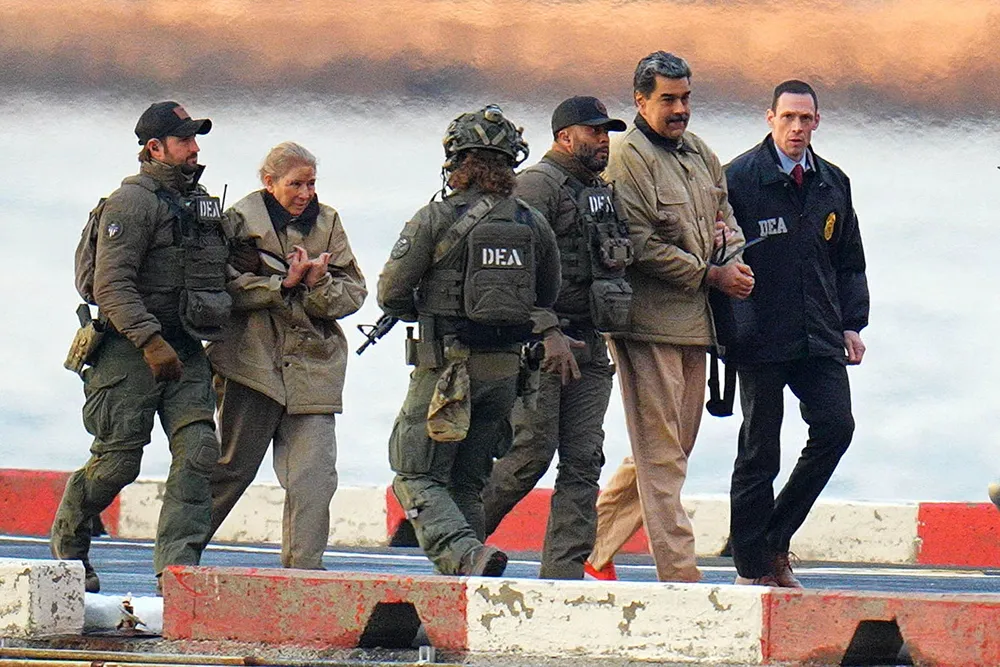
  • January 3: The U.S. military captures Venezuelan Pres. Nicolás Maduro and his wife, Cilia Flores, during a large-scale attack on the South American country. The couple is swiftly flown to the United States, where Maduro is charged with various crimes, including narco-terrorism and cocaine trafficking.
  • January 5: Two days after being captured in Venezuela, Pres. Nicolás Maduro and his wife, Cilia Flores, were escorted by federal agents to a courthouse in New York City.
  • January 8: Iranian forces launch a crackdown on nationwide protests amid an economic crisis. It marks the deadliest incident of repression since the Islamic Republic took power in 1979, with death tolls ranging from 12,000 to 30,000.
  • January 19: The Indiana Hoosiers defeat the Miami Hurricanes, 27–21, in the College Football Playoff championship game to win the first national title in the program’s history.
  • January 24: American nurse Alex Jeffrey Pretti is fatally shot by federal officials in Minneapolis, Minnesota. His death comes amid growing unrest over U.S. Immigration and Customs Enforcement (ICE) deployments in the state—and only weeks after fellow citizen Renee Nicole Macklin Good was fatally shot by an ICE agent.
  • January 30: The U.S. Department of Justice releases more than three million pages that are part of the Epstein files.

February

  • February 1: Kendrick Lamar becomes the hip-hop artist with the most Grammys after winning 5 awards, bringing his total to 27.
  • February 6–22: The Winter Olympics take place in Milan (Milano) and Cortina d’Ampezzo, Italy. Norway claims a record-setting 41 medals, led by cross-country skier Johannes Høsflot Klæbo, who wins the most gold medals at a single Winter Olympics: six.
  • February 8: The Seattle Seahawks defeat the New England Patriots, 29–13, to win the team’s second Super Bowl title. Bad Bunny makes history at the game’s half time show, marking the first time the event’s headlining performance is presented primarily in Spanish.
  • February 28: The United States and Israel launch an attack on Iran, which retaliates with its own strikes. The first weeks of the conflict leave thousands dead—including Iran’s Supreme Leader Ali Khamenei—and millions displaced, while also upending the world economy.

March

  • March 3: Plume of smoke rising from the Iranian capital, Tehran, from U.S.-Israeli strikes on March 3, 2026.
  • March 8: India defeats New Zealand to win its third Men’s T20 World Cup.
  • March 15: At the Academy Awards ceremony, Paul Thomas Anderson’s One Battle After Another wins six Oscars, including best picture. Sinners, which had a record-setting 16 nominations, garners four awards; notably, writer and director Ryan Coogler wins for best original screenplay, and Michael B. Jordan is named best actor.
  • March 25: Sarah Mullally is formally installed as the archbishop of Canterbury, becoming the first woman to hold the post.

April

  • April 1: Artemis II—the first flight of astronauts to the Moon since 1972—is launched. The crew sets a new record for humans journeying the farthest from Earth, reaching a distance of 252,756 miles (406,771 km), before returning to Earth on April 10.
  • April 6: Michigan defeats UConn, 69–63, to win the NCAA men’s basketball championship, one day after UCLA defeated South Carolina, 79–51, in the women’s tournament.
  • April 8: American architect Rex Heuermann pleads guilty to murdering seven women and admits to killing an eighth woman; in June he is sentenced to life in prison without the possibility of parole. The Gilgo Beach serial killings, as they are known, began in the early 1990s and continued through about 2010.
  • April 9–29: India holds elections in four states and a union territory. Votes are counted on May 4 with dramatic results as governments change in three states: The Bharatiya Janata Party unseats Mamata Banerjee’s Trinamool Congress in West Bengal, actor Vijay makes a blockbuster political debut in Tamil Nadu, and Kerala votes out a communist-led coalition.
  • April 12: Hungarian Pres. Viktor Orbán is defeated in the country’s general elections amid allegations of corruption and growing frustration with his right-wing populist government. Péter Magyar succeeds him on May 9.
  • April 24: Michael, a film about pop star Michael Jackson’s early career, is released in the United States, and it becomes the second highest-grossing music biopic in the world, grossing more than $600 million globally.

May

  • May 1: The United Arab Emirates withdraws from OPEC, a multinational organization that was established to coordinate the petroleum policies of its members, among other aims.
  • May 2: Golden Tempo wins the Kentucky Derby, marking the first time that a horse trained by a woman (Cherie DeVaux) places first in the race.
  • May 6: Ted Turner, an American broadcasting entrepreneur who founded a number of TV channels, notably CNN, dies at age 87.
  • May 17: The WHO declares a public health emergency amid a growing Ebola outbreak in the Democratic Republic of the Congo and Uganda.
  • May 21: Health workers wearing protective equipment disinfect an isolation ward inside the General Referral Hospital during the Ebola outbreak response on May 21, 2026, in Mongbwalu, Democratic Republic of Congo.
  • May 24: In the closest finish in the race’s history, Sweden’s Felix Rosenqvist wins the Indianapolis 500, edging out David Malukas (U.S.) by 0.0233 seconds.
  • May 25: Pope Leo XIV releases his first encyclical, Magnifica humanitas (Latin: “Magnificent Humanity”). The 42,300-word document warns about the risks of AI and its potential to negatively impact humanity, especially workers.

June

  • June 1: The 100th anniversary of Marilyn Monroe’s birth is celebrated.
  • June 10: Pope Leo XIV blesses the Sagrada Família’s tower of Jesus during festivities that also commemorate the 100th anniversary of the death of Antoni Gaudí, the architect who designed the Barcelona basilica.
  • June 12: SpaceX makes history with its IPO, raising a record $75 billion. The company is valued at $1.77 trillion, and CEO Elon Musk becomes the world’s first trillionaire.
  • June 13: The New York Knicks defeat the San Antonio Spurs in five games to win the franchise’s third NBA championship; Jalen Brunson is named MVP of the finals.
  • June 14: The Carolina Hurricanes win the Stanley Cup, defeating the Vegas Golden Knights in six games.
  • June 14: UFC Freedom 250 is held on the South Lawn of the White House. In attendance at the invitation-only event is Pres. Donald Trump, whose 80th birthday is also that day.
  • June 19: The Obama Presidential Center opens to the public in Chicago. The sprawling complex centers on a museum dedicated to the 44th U.S. Pres. Barack Obama.
  • June 24: A pair of earthquakes with moment magnitudes of 7.2 and 7.5 strike northwestern Venezuela, causing widespread damage and numerous fatalities. While some 1,430 are confirmed dead, thousands more are missing.
  • June 25: Building collapses caused by the powerful earthquakes that struck Venezuela on June 24, 2026, trapping survivors in rubble in the city of Catia La Mar.

July

  • July 3: Pop sensation Taylor Swift and football star Travis Kelce are married at Madison Square Garden in New York City; some 1,000 people attend the event, and thousands of fans gather outside.
  • July 4: The United States celebrates its 250th anniversary on the semiquincentennial of the adoption of the Declaration of Independence. As part of the festivities, a time capsule is buried at Philadelphia’s Independence National Historic Park; it contains materials from all three branches of the federal government, the U.S. states and territories, and national partner organizations.
  • July 5: Australia defeats England to win the Women’s T20 World Cup. It is the seventh time the country has won the event.
  • July 12: Italy’s Jannik Sinner defends his singles title at Wimbledon, defeating Alexander Zverev (Germany) in four sets. The previous day Linda Mosková of the Czech Republic had bested fellow countrywoman Karolína Muchová to win her first Grand Slam title.
  • July 17: Christopher Nolan’s highly anticipated The Odyssey is released in theaters in the United States. The film, which is based on Homer’s epic poem of the same name, stars Matt Damon, Tom Holland, Zendaya, Robert Pattinson, and Anne Hathaway.
  • July 19: Spain defeats Argentina in extra time, 1–0, to win the 2026 FIFA World Cup. The previous day England finished third after besting France, 6–4.
  • July 20: Several days after being elected leader of the Labour Party, Andy Burnham becomes prime minister of the United Kingdom, replacing Keir Starmer.
  • July 26: Tadej Pogačar of Slovenia wins the Tour de France for a record-tying fifth time.

August

  • August 12: A total solar eclipse passes over Greenland, Iceland, Portugal, and northern Spain.
  • August 26: The collapse of a glacier triggers flash flooding in Nepal and Tibet, causing widespread devastation and killing hundreds.
  • August 28: Haakon VIII becomes king of Norway following the death of his father, Harald V; Mette-Marit becomes queen.
  • August 31: Duane “Keffe D” Davis is found guilty of first-degree murder for orchestrating the 1996 killing of Tupac Shakur; Davis is the uncle of Orlando Anderson, the longtime suspected shooter, who died in 1998.

September

  • September 11: The 25th anniversary of the 9/11 attacks is marked with ceremonies in the United States.
  • September 12: Elena Rybakina of Kazakhstan defeats Aryna Sabalenka (Belarus) to win the women’s singles event at the U.S. Open. The next day Alexander Zverev of Germany wins the men’s singles title after besting Ben Shelton (U.S.).
  • September 14: Widow’s Bay is the big winner at the Emmy Awards ceremony, winning 14 statuettes, including best comedy and best lead actor (Matthew Rhys); The Pitt wins best drama, and Jean Smart and Allison Janney tie the record for most acting Emmys.

October

  • October 5–12: The Nobel Prizes are announced. Notable winners include Anne Carson (literature) and Navi Pillay (peace).
  • October 25: The runoff in Brazil’s presidential election takes place, and incumbent Pres. Luiz Inácio Lula da Silva defeats Flávio Bolsonaro.
  • October 26: British footballer Harry Kane wins his first Ballon d’Or, and Spanish midfielder Alexia Putellas claims her third Ballon d’Or Féminin.
  • October 27: Israel holds legislative elections to determine the makeup of the Knesset and the next prime minister; early results indicate that neither the bloc led by incumbent Prime Minister Benjamin Netanyahu nor that led by Gadi Eisenkot has secured a majority, meaning that both will need additional support to form a government.
  • October 28: The Milwaukee Brewers defeat the Tampa Bay Rays in five games to win the franchise’s first World Series title.
  • October 31: The Golden State Valkyries win their first WNBA championship, defeating the Atlanta Dream in a thrilling seven-game series.

November

  • November 3: The U.S. midterms are held, and the Democrats rout the Republicans, seizing control of the Senate and House of Representatives. The results include a number of historic firsts: Keisha Lance Bottoms (Georgia) is elected the country’s first African American governor; Deb Haaland (New Mexico), its first Native American governor; and Abdul El-Sayed (Michigan), its first Muslim senator.
  • November 11: The iconic U.S. highway Route 66 will celebrate the 100th anniversary of its opening.

Upcoming Events

  • November 11: The iconic U.S. highway Route 66 will celebrate the 100th anniversary of its opening.

2026 US Midterm Elections Report

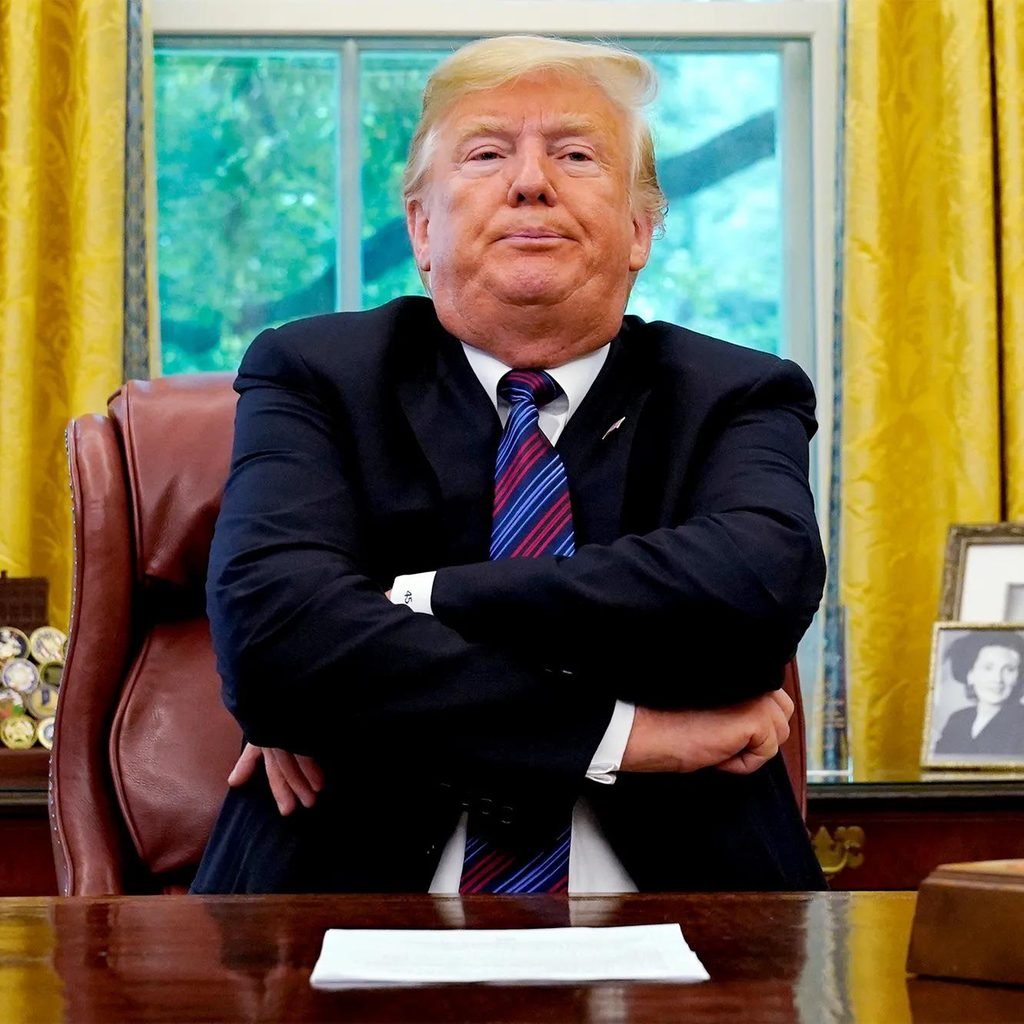
Democrats achieved a historic “blue wave” in the 2026 midterm elections, seizing control of both the U.S. House of Representatives and the Senate. This marks a sweeping repudiation of President Donald Trump and the Republican Party midway through Trump’s second term. It is the first time since 2006 that both chambers flipped in a midterm.

Senate Results

Democrats secured at least 54 seats to Republicans’ 44, with a net gain of +7. Two races (Alaska and Mississippi) remained too close to call as of November 5, potentially allowing further Democratic gains (up to 56–44).

Democrats needed a net gain of four seats for a majority (accounting for the vice-presidential tie-breaker). They exceeded this by flipping Republican-held or open seats in deep-red or Republican-leaning states:

  • Texas: James Talarico defeated Ken Paxton (first Democratic senator from Texas since 1993/1988).
  • Kansas: Adam Hamilton (first Democrat since 1932).
  • South Carolina: Annie Andrews defeated Darline Graham (sister of the late Lindsey Graham).
  • Ohio: Sherrod Brown defeated Jon Husted.
  • Iowa: Josh Turek defeated Ashley Hinson.
  • Maine: Troy Jackson defeated longtime incumbent Susan Collins.
  • North Carolina: Roy Cooper won an open seat.

Democrats also held competitive seats (e.g., Jon Ossoff in Georgia, Abdul El-Sayed in Michigan).

House Results

Democrats won control of the House with strong margins. As of early November 5 (Economist data), Democrats held 235 seats to Republicans’ 146 (381 of 435 called), a gain of roughly +30. Other outlets reported Democrats at 228–240+ with dozens of races still counting; some projections pointed to a final Democratic range of 251–268.

This represents the largest popular-vote margin for the House since 1976 in some reporting. Democrats flipped numerous districts, including those Trump carried by double digits (even 15–20+ points) in 2024, and performed strongly in suburban and rural areas. Republicans lost ground in ~99% of counties with substantial vote counts.

Governors and State Races

Democrats made major gains among governorships (36 states held races). Notable flips included:

  • Texas: Gina Hinojosa defeated three-term Republican Greg Abbott (first Latina governor and first Democratic governor since 1994).
  • Gains or holds in Iowa, Ohio, Georgia (Keisha Lance Bottoms — first Black woman elected governor of a U.S. state), and others.

Democrats also flipped multiple state legislative chambers (estimates of up to a dozen), ending long Republican majorities in places like Texas (House), Wisconsin, and North Carolina. Republicans failed to flip any Democratic-held congressional seats, governorships, or major state legislative chambers in early tallies.

Voter Turnout and Historic Firsts

Turnout was high for a midterm: roughly 122.7 million ballots counted (~48.8% of eligible voters), the second-highest midterm turnout in over a century (behind 2018). Early voting was substantial.

Notable firsts:

  • Abdul El-Sayed (Michigan) — first Muslim elected to the U.S. Senate.
  • Chris Pappas (New Hampshire) — first openly gay man elected to the Senate.
  • Keisha Lance Bottoms (Georgia) — first Black woman elected governor.
  • Gina Hinojosa (Texas) — first Latina governor of Texas.
  • Potential for Hakeem Jeffries to become the first Black Speaker of the House.

Key Drivers of the Democratic Wave

Voters delivered a clear rebuke of the Trump administration, driven primarily by economic discontent:

  • Cost of living and inflation: High prices (especially fuel/diesel, up sharply) and broader affordability concerns were decisive for a large majority of voters. Exit polls showed ~88% citing the cost of living as important or decisive, and three-quarters viewing the economy negatively.
  • U.S.-Iran war: The conflict (ongoing since roughly February 2026) disrupted energy supplies, raised gas/diesel prices (diesel reportedly up ~65% in some periods), increased household costs (hundreds of dollars per household in affected areas), and contributed to inflation and higher mortgage rates. Polls showed majority opposition to the war’s costs; it was widely linked to voter anger. Trump and some Republicans later acknowledged its role in the losses.
  • Other factors included general dissatisfaction with the direction of the country, Trump’s approval ratings, and rejection of some Trump-backed candidates in red states.

The wave reached deep into traditionally Republican territory across the South and Midwest.

Implications

  • For the remainder of Trump’s presidency: Democrats control both chambers of Congress. This enables investigations, oversight, and resistance to the administration’s agenda (including potential challenges to the Iran policy, spending, and nominations). Significant gridlock is likely; Trump has indicated he will veto Democratic priorities.
  • Political landscape: Strengthens Democrats heading into 2028. Sets up Hakeem Jeffries as a likely Speaker and elevates new Democratic figures (e.g., Talarico, El-Sayed).
  • Broader effects: Possible pressure on foreign policy (Iran, energy markets, Ukraine aid, tariffs). Some international observers noted reduced likelihood of escalation in the Iran conflict due to domestic constraints.

World War 2 – Timeline of Events

Here is a comprehensive timeline of the most important events of World War II, broken down year by year from its prelude to its conclusion.

Pre-War Prelude & Outbreak (1939)

  • March 15, 1939: Germany violates the Munich Agreement by occupying Czechoslovakia.
  • September 1, 1939: Germany invades Poland, marking the official outbreak of World War II in Europe.
  • September 3, 1939: Great Britain and France declare war on Germany in fulfillment of their alliance with Poland.
  • September 17, 1939: The Soviet Union invades Poland from the east, per the secret Molotov-Ribbentrop Pact.

The Phoney War & Western European Campaign (1940)

  • April 9 – June 9, 1940: Germany launches Operation Weserübung, successfully invading and occupying Denmark and Norway.
  • May 10, 1940: Germany invades France, Belgium, the Netherlands, and Luxembourg using Blitzkrieg (lightning war) tactics. Winston Churchill becomes British Prime Minister.
  • May 26 – June 4, 1940: The historic Allied evacuation of over 330,000 troops takes place from the beaches of Dunkirk.
  • June 22, 1940: France officially signs an armistice with Germany, leading to the division of the country into an occupied zone and the Vichy puppet regime.
  • July 10 – October 31, 1940:The Battle of Britain: The Royal Air Force successfully defends the UK against the German Luftwaffe air assaults.
  • September 27, 1940: Germany, Italy, and Japan sign the Tripartite Pact, formally establishing the Axis powers.

Global Expansion & The Eastern Front (1941)

  • April 6 – 30, 1941: Axis forces invade and quickly conquer Yugoslavia and Greece.
  • June 22, 1941:Operation Barbarossa: Germany launches a massive surprise invasion of the Soviet Union, shattering the non-aggression pact.
  • August 9–14, 1941: U.S. President Franklin D. Roosevelt and British Prime Minister Winston Churchill issue the Atlantic Ground Rules/Charter.
  • December 7, 1941:Attack on Pearl Harbor: Japan launches a surprise carrier-based air strike on the U.S. Pacific Fleet in Hawaii.
  • December 8, 1941: The United States, Great Britain, and their allies declare war on Japan, officially entering WWII.

Turning Tides in the Pacific & Europe (1942)

  • January 20, 1942: Nazi officials hold the Wannsee Conference, formalizing the “Final Solution” for the systematic genocide of European Jews (the Holocaust).
  • June 4–7, 1942:Battle of Midway: The U.S. Navy decisively defeats the Imperial Japanese Navy, turning the tide of the Pacific War.
  • August 23, 1942 – February 2, 1943:Battle of Stalingrad: The Red Army traps and defeats the German 6th Army. This marks the catastrophic turning point on the Eastern Front.
  • November 8–16, 1942:Operation Torch: Allied forces successfully invade French North Africa, driving Axis troops out of the region.

The Siege Narrows on the Axis (1943)

  • July 5 – August 23, 1943:Battle of Kursk: The largest tank battle in history ends in a definitive Soviet victory, breaking German offensive power in the East.
  • July 9 – August 17, 1943:Allied Invasion of Italy (Operation Husky): Allied troops invade Sicily, leading to the collapse of Benito Mussolini’s fascist regime in Italy.
  • September 3, 1943: Italy secretly signs an armistice with the Allies and drops out of the Axis alliance.
  • November 28 – December 1, 1943:Tehran Conference: Roosevelt, Churchill, and Joseph Stalin meet to coordinate strategy and plan the cross-channel invasion of Europe.

The Liberation of Europe & The Pacific Push (1944)

  • June 6, 1944:D-Day (Operation Overlord): Allied forces land on the heavily fortified beaches of Normandy, France, opening the long-awaited Western Front.
  • August 25, 1944: Paris is officially liberated from Nazi occupation by French and Allied forces.
  • October 23–26, 1944:Battle of Leyte Gulf: The largest naval battle of World War II virtually destroys the remaining offensive capabilities of the Japanese surface fleet.
  • December 16, 1944 – January 25, 1945:Battle of the Bulge: Germany launches its final desperate counter-offensive on the Western Front, ultimately failing against determined Allied resistance.

Final Collapse & The Dawn of the Atomic Age (1945)

  • January 27, 1945: Soviet forces liberate Auschwitz-Birkenau, revealing the full horror of the Nazi concentration camps.
  • February 4–11, 1945:Yalta Conference: Allied leaders meet to plan the post-war reorganization of Europe and Germany’s unconditional surrender.
  • February 19 – March 26, 1945:Battle of Iwo Jima: U.S. Marines capture the strategic island, immortalized by the iconic flag-raising photograph.
  • April 12, 1945: U.S. President Franklin D. Roosevelt passes away; Vice President Harry S. Truman assumes the presidency.
  • April 30, 1945: Adolf Hitler commits suicide in his Berlin bunker as Soviet troops close in.
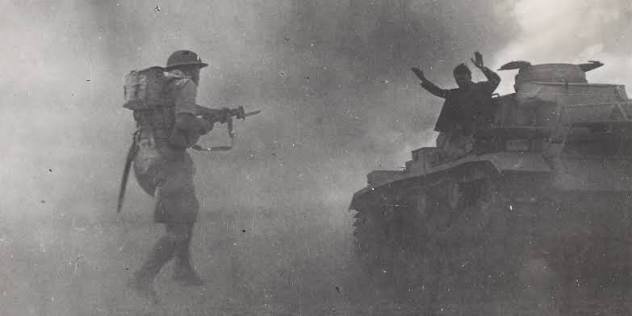
  • May 8, 1945:V-E Day (Victory in Europe Day): Germany officially signs its unconditional surrender, ending the war in Europe.
  • July 16, 1945: The United States successfully detonates the first atomic bomb during the Trinity test in New Mexico.
  • August 6 & 9, 1945: The U.S. drops atomic bombs on the Japanese cities of Hiroshima (Aug 6) and Nagasaki (Aug 9).
  • September 2, 1945:V-J Day (Victory over Japan Day): Japan formally signs surrender documents aboard the USS Missouri in Tokyo Bay, officially bringing World War II to a close.

Important Years in Indian History

A detailed chronological timeline of Indian history from Alexander’s invasion to Indian Independence in 1947

Phase I: Ancient India (Alexander’s Invasion to the Gupta Empire)

  • May 327 BCE: Alexander the Great crosses the Hindu Kush and begins his invasion of the Indian subcontinent.
  • May 326 BCE:Battle of the Hydaspes (Jhelum River) — Alexander defeats King Porus; Porus is reinstated due to his valor, but Alexander’s troops refuse to advance further east.
  • October 321 BCE:Chandragupta Maurya overthrew the Nanda Empire with Chanakya’s assistance, establishing the Maurya Empire at Pataliputra.
  • 305–303 BCE:Seleucid-Mauryan War — Chandragupta defeats Seleucus Nicator, securing large territories in modern Afghanistan/Pakistan.
  • 297 BCE: Bindusara succeeds Chandragupta Maurya.
  • 273–232 BCE: Reign of Ashoka the Great.
  • c. Winter 261 BCE:The Kalinga War — Enormous casualties lead Ashoka to renounce military expansion (Digvijaya) and embrace Buddhism (Dharmavijaya).
  • c. 250 BCE: The Third Buddhist Council is convened at Pataliputra under Emperor Ashoka.
  • 185 BCE: Pushyamitra Sunga assassinates the last Mauryan ruler, Brihadratha, and founds the Sunga Dynasty.
  • c. 150 BCE: Sage Patanjali writes the Mahabhasya during the Sunga era.
  • c. 30 BCE: Simuka founds the Satavahana Dynasty in the Deccan, marking a rise in indigenous rule and international sea trade with Rome.
  • c. 58 BCE: Traditional beginning of the Vikrama Era.
  • 78 CE: Accession of Kanishka the Great (Kushana Dynasty) and the initiation of the Saka Era.
  • 320 CE:Chandragupta I ascends the throne, marking the official start of the Gupta Empire (Golden Age).
  • 335–380 CE: Reign of Samudragupta, the “Napoleon of India”.
  • 375–415 CE: Reign of Chandragupta II (Vikramaditya); cultural apex and visit of Chinese pilgrim Fa-Hien.
  • 415–455 CE: Reign of Kumaragupta I; founding of Nalanda University (c. 450 CE).
  • 455–467 CE: Skandagupta successfully repels the initial waves of Huna (White Hun) invasions.

Phase II: Early Medieval India (Post-Gupta to the Delhi Sultanate)

  • 500–530 CE: Devastating invasions by Huna leaders Toramana and Mihiragula shatter northern political unity.
  • 606–647 CE: Reign of Harshavardhana; Chinese traveler Hiuen Tsang (Xuanzang) resides in India (c. 630–643 CE).
  • c. 630 CE: Chalukya monarch Pulakeshin II defeats Harshavardhana on the banks of the Narmada River.
  • 711–712 CE: Arab general Muhammad bin Qasim defeats Dahir and conquers Sindh (captured Debal in May 712 CE).
  • 753 CE: Dantidurga founds the Rashtrakuta Dynasty, which later builds the Ellora Kailasa Temple.
  • 788–820 CE: Life of Adi Shankara, who propagates Advaita Vedanta and establishes four mathas.
  • c. 850 CE: Vijayalaya captures Thanjavur, reviving the imperial Chola Dynasty.
  • 973 CE: Tailapa II establishes the Western Chalukya (Chalukyas of Kalyani) dynasty.
  • 985–1014 CE: Reign of Rajaraja I (Chola); expansion of Chola maritime supremacy and construction of the Brihadisvara Temple.
  • 1000–1027 CE:Mahmud of Ghazni launches 17 plundering raids into India, sacking the Somnath Temple in January 1025 CE.
  • 1012–1044 CE: Reign of Rajendra I (Chola); naval expedition reaches Southeast Asia and the Ganges delta.
  • 1178–1192 CE: Reign of Prithviraj Chauhan (Prithviraj III) over Delhi and Ajmer.
  • 1191 CE:First Battle of Tarain — Prithviraj Chauhan defeats Mu’izz al-Din Muhammad Ghori.
  • 1192 CE:Second Battle of Tarain — Muhammad Ghori decisively defeats Prithviraj Chauhan.
  • 1194 CE:Battle of Chandawar — Muhammad Ghori defeats Jayachandra of Kannauj.
  • 1206 CE: Qutb-ud-din Aibak establishes the Slave Dynasty (Delhi Sultanate) after Ghori’s death on March 15, 1206 CE.

Phase III: The Delhi Sultanate & Regional Kingdoms

  • November 1210 CE: Qutb-ud-din Aibak dies playing polo; Iltutmish succeeds him, consolidating the Sultanate.
  • 1236–1240 CE: Reign of Razia Sultana, the first female Muslim ruler of Delhi.
  • 1266–1287 CE: Reign of Ghiyas ud din Balban; introduces absolute monarchical control (Sijda and Paibos).
  • 1296–1316 CE: Reign of Alauddin Khalji; institutes price controls, market regulations, and stands against Mongol raids.
  • 1325–1351 CE: Reign of Muhammad bin Tughlaq; enacts controversial reforms (token currency, moving capital to Daulatabad).
  • April 1336 CE: Harihara and Bukka found the Vijayanagara Empire on the Tungabhadra River.
  • August 3, 1347 CE: Ala-ud-din Bahman Shah founds the independent Bahmani Sultanate in the Deccan.
  • 1351–1388 CE: Reign of Firuz Shah Tughlaq; prolific builder of canals and public infrastructure.
  • December 17, 1398 CE: Central Asian conqueror Timur (Tamerlane) defeats Delhi’s forces and sacks the city.
  • 1414–1451 CE: The Sayyid Dynasty rules Delhi.
  • 1451–1526 CE: The Lodi Dynasty (first Afghan ruling house of Delhi) holds power.
  • April 15, 1469 CE: Birth of Guru Nanak Dev Ji, founder of Sikhism.
  • 1509–1529 CE: Reign of Krishnadevaraya; Golden Age of the Vijayanagara Empire.
  • April 21, 1526 CE:First Battle of Panipat — Babur uses artillery to defeat Ibrahim Lodi, founding the Mughal Empire.

Phase IV: The Mughal Era & Rise of Regional Powers

  • March 16, 1527 CE:Battle of Khanwa — Babur defeats Rana Sanga of Mewar, sealing Mughal dominance.
  • 1530–1540 & 1555–1556 CE: Reign of Humayun, interrupted by Sher Shah Suri (1540–1545 CE), who constructs the Grand Trunk Road and introduces the Rupiah.
  • November 5, 1556 CE:Second Battle of Panipat — Bairam Khan defeats Hemu Vikramaditya; accession of Akbar.
  • January 26, 1565 CE:Battle of Talikota — United Deccan Sultanates defeat Vijayanagara, leading to the destruction of Hampi.
  • 1571 CE: Akbar constructs Fatehpur Sikri.
  • June 18, 1576 CE:Battle of Haldighati — Mughal forces under Man Singh clash with Maharana Pratap of Mewar.
  • December 31, 1600 CE: Queen Elizabeth I grants a royal charter to the English East India Company.
  • 1605–1627 CE: Reign of Jahangir; peak of Mughal miniature painting. May 30, 1606 CE: Execution of Sikh Guru Arjan Dev.
  • 1615 CE: Sir Thomas Roe arrives at Jahangir’s court as King James I’s ambassador.
  • 1628–1658 CE: Reign of Shah Jahan; construction of the Taj Mahal (begun 1631 CE).
  • 1658–1707 CE: Reign of Aurangzeb (Alamgir); peak territorial expansion and religious conservatism.
  • June 6, 1774 CE: Coronation of Chhatrapati Shivaji Maharaj at Raigad, establishing Maratha Swarajya.
  • November 11, 1675 CE: Execution of ninth Sikh Guru, Guru Tegh Bahadur, by Aurangzeb.
  • April 13, 1699 CE: Guru Gobind Singh Ji establishes the Khalsa Panth at Anandpur Sahib.
  • February 20, 1707 CE: Death of Emperor Aurangzeb, triggering the swift decline of the Mughal Empire.

Phase V: British Ascendancy & Territorial Conquest

  • 1717 CE: Mughal Emperor Farrukhsiyar issues a farman granting the EIC duty-free trade privileges in Bengal.
  • February 13, 1739 CE: Persian ruler Nadir Shah defeats the Mughals at the Battle of Karnal and sacks Delhi.
  • 1746–1748 CE: First Carnatic War introduces European combat tactics to local Indian conflicts.
  • June 23, 1757 CE:Battle of Plassey — Robert Clive defeats Nawab Siraj-ud-Daulah via betrayal, setting up British political hegemony in Bengal.
  • October 22, 1764 CE:Battle of Buxar — British defeat combined Indian forces.
  • August 12, 1765 CE:Treaty of Allahabad — Robert Clive secures the Diwani (revenue rights) of Bengal, Bihar, and Odisha for the EIC.
  • 1767–1769 CE: First Anglo-Mysore War; Hyder Ali confronts the British.
  • 1773 CE:Regulating Act of 1773 passed by the British Parliament; Warren Hastings becomes the first Governor-General of Bengal.
  • 1784 CE: Pitt’s India Act establishes dual control by the British government and the EIC.
  • May 4, 1799 CE:Fourth Anglo-Mysore War — Tipu Sultan dies defending Srirangapatna.
  • September 1803 CE: Second Anglo-Maratha War; British capture Delhi and protect blind Mughal Emperor Shah Alam II.
  • 1817–1818 CE: Third Anglo-Maratha War; final collapse of the Maratha Confederacy, leaving Britain as the primary power in India.
  • December 4, 1829 CE: Governor-General Lord William Bentinck passes legislation abolishing Sati with Raja Ram Mohan Roy’s support.
  • 1833 CE: Charter Act of 1833 centralizes legislative authority under the Governor-General of India.
  • 1848–1849 CE: Lord Dalhousie introduces the Doctrine of Lapse; Second Anglo-Sikh War ends with the Annexation of Punjab (March 29, 1849 CE).
  • April 16, 1853 CE: Operation of the first passenger railway from Bombay to Thane.

Phase VI: The Freedom Struggle & Independence

  • May 10, 1857 CE:The Great Revolt / First War of Independence breaks out with sepoy mutinies in Meerut.
  • August 2, 1858 CE:Government of India Act 1858 ends East India Company rule; direct administration transfers to the British Crown under Viceroy Lord Canning.
  • December 28–30, 1885 CE: First session of the Indian National Congress (INC) convenes in Bombay under W.C. Bonnerjee.
  • July 20, 1905 CE: Lord Curzon announces the Partition of Bengal; sparks the nationwide Swadeshi and Boycott Movement.
  • December 30, 1906 CE: Foundation of the All-India Muslim League in Dhaka.
  • December 1907 CE: Surat Split — The INC divides into Moderates and Extremists.
  • November 1909 CE:Morley-Minto Reforms (Indian Councils Act 1909) introduce separate communal electorates for Muslims.
  • December 12, 1911 CE: Delhi Durbar; King George V announces the annulment of the Bengal Partition and relocation of the capital to Delhi.
  • January 9, 1915 CE:Mahatma Gandhi returns to India from South Africa.
  • December 1916 CE:Lucknow Pact signed between the INC and Muslim League.
  • April 1917 CE:Champaran Satyagraha — Gandhi’s first successful civil disobedience campaign.
  • March 1919 CE: Enactment of the repressive Rowlatt Act; Jallianwala Bagh Massacre in Amritsar on April 13, 1919 CE.
  • August 1, 1920 – February 1922 CE: Mahatma Gandhi launches the Non-Cooperation Movement, suspended after the Chauri Chaura violence (February 4, 1922 CE).
  • January 1, 1923 CE: Motilal Nehru and C.R. Das form the Swaraj Party.
  • February 3, 1928 CE:Simon Commission arrives in India to widespread protests; Lala Lajpat Rai dies after a police lathi charge (November 17, 1928 CE).
  • December 31, 1929 CE:Lahore Session of the INC adopts the Purna Swaraj (Complete Independence) resolution.
  • March 12 – April 6, 1930 CE:Civil Disobedience Movement begins with the historic Dandi March (Salt March).
  • March 5, 1931 CE:Gandhi-Irwin Pact signed. March 23, 1931 CE: Execution of Bhagat Singh, Sukhdev, and Thapar.
  • August 16, 1932 CE: Ramsay MacDonald announces the Communal Award; Gandhi’s fast leads to the Poona Pact (September 24, 1932 CE).
  • August 1935 CE:Government of India Act 1935 passed, introducing provincial autonomy.
  • September 3, 1939 CE: World War II begins; Viceroy declares India a belligerent party without consent, causing Congress ministries to resign en masse.
  • March 23, 1940 CE: Muslim League passes the Lahore Resolution demanding Pakistan.
  • August 8, 1942 CE: INC passes the Quit India Resolution with the call “Do or Die” in Bombay.
  • November 1945 – May 1946 CE:INA Trials at the Red Fort ignite national outrage; February 18–23, 1946 CE: Royal Indian Navy (RIN) Mutiny in Bombay.
  • March–June 1946 CE:Cabinet Mission Plan attempts to frame a transfer of power. Muslim League observes “Direct Action Day” on August 16, 1946 CE, triggering widespread communal riots.
  • June 3, 1947 CE:Mountbatten Plan outlines the partition of British India.
  • August 15, 1947 CE: India achieves formal Independence and partition into the dominions of India and Pakistan.

India’s River Systems

The Himalayan River Systems (Perennial Basins)

1. The Indus River System

  • Origin & Course: Originates from the Bokhar Chu glacier (Tibetan plateau near Mansarovar Lake) at an elevation of 4,164m, flowing north-west between Zaskar and Ladakh ranges, entering Pakistan near Chillar in Dardistan.
  • Left-Bank Tributaries: Zaskar, Suru, Kishanganga, Jhelum, Chenab, Ravi, Beas, Sutlej, and Panjnad.
  • Right-Bank Tributaries: Shyok, Gilgit, Hunza, Swat, Kurram, and Gomal.
  • The Five Punjab Rivers: Jhelum (originates from Verinag spring, flows through Wular Lake); Chenab (largest tributary, formed by Chandra and Bhaga streams in Lahaul-Spiti); Ravi (originates near Rohtang Pass); Beas (originates near Beas Kund, entirely within Indian territory); Sutlej (originates from Rakshastal Lake near Mansarovar, cuts through Shipki La pass).
  • Indus Waters Treaty (1960): Brokered by World Bank; Western rivers (Indus, Jhelum, Chenab) allocated primarily to Pakistan with non-consumptive use rights for India; Eastern rivers (Ravi, Beas, Sutlej) allocated fully to India.

2. The Ganga River System

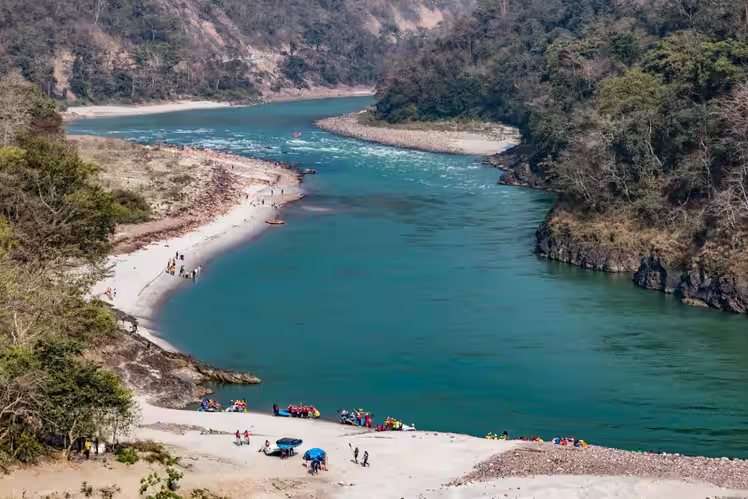
  • Origin & Upper Course: Originates as Bhagirathi from Gangotri Glacier (Gaumukh, 3,900m). At Devprayag, Bhagirathi meets Alaknanda to form the official Ganga.
  • Panch Prayag Sequence: Vishnuprayag (Dhauliganga + Alaknanda), Nandaprayag (Nandakini + Alaknanda), Karnaprayag (Pindar + Alaknanda), Rudraprayag (Mandakini + Alaknanda), and Devprayag (Bhagirathi + Alaknanda).
  • Left-Bank Tributaries: Ramganga, Gomti (only major groundwater-fed plain tributary), Ghaghara (largest tributary by volume), Gandak, Kosi (notorious for shifting courses, known as ‘Sorrow of Bihar’), and Mahananda.
  • Right-Bank Tributaries: Yamuna (longest tributary, originating at Yamunotri glacier, meeting Ganga at Prayagraj Triveni Sangam; joined by Chambal, Betwa, Ken) and Son (originates at Amarkantak plateau).
  • Delta & Estuary: Farakka Barrage divides the flow into Padma (entering Bangladesh) and Bhagirathi-Hooghly (flowing through West Bengal to the Bay of Bengal).

3. The Brahmaputra River System

  • Origin & Tibetan Stretch: Originates from Chemaungdung glacier near Mansarovar Lake, known in Tibet as Yarlung Tsangpo, flowing eastwards parallel to the Himalayas across the arid Tibetan plateau.
  • Entry into India: Takes a sharp hairpin U-turn around Namcha Barwa (7,756m) and enters Arunachal Pradesh as the Siang or Dihang through the deep Dihang Gorge.
  • Assam Valley Course: Joined by major left-bank tributaries (Dibang, Lohit, Burhi Dihang, Dhansiri) and right-bank tributaries (Subansiri, Kameng, Manas, Sankosh, Teesta). Near Sadiya, it is joined by Lohit and Dibang to form the massive Brahmaputra.
  • Geographical Significance: Forms Majuli, the world’s largest inhabited riverine island, and suffers from severe annual bank erosion and catastrophic flooding due to high sediment load and heavy monsoon rains.

The Peninsular River Systems (Seasonal Basins)

1. East-Flowing Rivers (Drain into Bay of Bengal)

  • Mahanadi Basin: Originates in Sihawa hills of Chhattisgarh, flows through Odisha, forms the Hirakud Dam (longest earthen dam), and discharges into the Bay of Bengal via a massive delta near Cuttack.
  • Godavari Basin: Known as ‘Dakshin Ganga’ or ‘Vriddha Ganga’; longest river in Peninsular India (1,465 km); originates at Trimbakeshwar (Nashik, Maharashtra); major tributaries include Pravara, Indravati, Pranhita, Manjira, and Sabari.
  • Krishna Basin: Second-longest east-flowing peninsular river (1,400 km); originates near Mahabaleshwar in the Western Ghats; major tributaries include Koyna, Tungabhadra, Bhima, Musi, and Ghatprabha; hosts Nagarjuna Sagar Dam.
  • Cauvery Basin: Originates at Talakaveri in the Brahmagiri hills of Karnataka; sacred river with extensive delta agriculture in Tamil Nadu; major tributaries include Hemavati, Kabini, Amravati, and Bhavani; center of long-standing interstate water disputes.

2. West-Flowing Rivers (Drain into Arabian Sea)

  • Narmada Basin: Flows westward through a deep tectonic rift valley between the Vindhya Range (north) and Satpura Range (south); originates at Amarkantak plateau; forms the spectacular Dhuandhar Falls near Jabalpur and a wide estuary at Bharuch; site of Sardar Sarovar Dam.
  • Tapti (Tapi) Basin: Originates in Multai (Betul district, Madhya Pradesh); runs parallel to Narmada through a rift valley south of Satpura; drains into the Gulf of Khambhat near Surat.
  • Other Notable West-Flowing Rivers: Sabarmati, Mahi, Luni (inland drainage in Thar desert ending in Rann of Kutch), and numerous short swift streams of the Western Ghats (Sharavati forming Jog Falls, Mandovi, Zuari in Goa, and Periyar in Kerala).

River Systems of West Bengal

West Bengal exhibits an extraordinarily complex hydrographic architecture. The state’s rivers are distinctly bifurcated into the glacier and monsoon-fed turbulent torrents of North Bengal, and the rain-fed plateau streams of the Rarh region in South Bengal, culminating in the intricate tidal estuarine network of the Sundarbans delta.

1. North Bengal Sub-Himalayan River Systems

  • Teesta River: The principal river of North Bengal; originates from the Pauhunri glacier in Sikkim; flows rapidly through narrow gorges in Kalimpong and Darjeeling hills before entering the plains at Sevoke (Coronation Bridge); traverses Jalpaiguri and Cooch Behar before emptying into the Brahmaputra in Bangladesh.
  • Torsa River: Originates in the Chumbi Valley of Tibet, passes through Hasimara and Cooch Behar, characterized by swift gravel-bed flows and shifting channels.
  • Jaldhaka & Raidak: Originating from the Bhutan Himalayas, these rivers drain the Dooars tea garden region and are notorious for sudden flash floods during heavy monsoon spells.
  • Mahananda River: Originates in the Mahaldiram hills of Darjeeling district; flows through Siliguri corridor, Uttar Dinajpur, and Malda before merging with the Ganga in Bangladesh; acts as the transitional boundary between Himalayan foothill and Gangetic plain drainage.

2. South Bengal & Rarh Plateau River Systems

  • Damodar River: Historically known as the ‘Sorrow of Bengal’ due to devastating recurrent floods caused by torrential monsoon runoffs from the Chotanagpur Plateau; currently tamed by the Damodar Valley Corporation (DVC) multi-purpose dam system (Tilaiya, Maithon, Panchet reservoirs); joins the Hooghly River south of Kolkata.
  • Mayurakshi River: Originates on the Chotanagpur plateau, flows through Birbhum and Murshidabad districts; regulated by the Massanjore Dam (Canada Dam), providing vital irrigation to agrarian tracts.
  • Ajay River: Originates in Jharkhand, flows past Santiniketan (Bolpur) in Birbhum before merging with the Bhagirathi at Katwa.
  • Kangsabati & Rupnarayan: Formed by plateau streams uniting in Bankura and Paschim Medinipur, ultimately draining into the Hooghly estuary near Geonkhali.

3. The Hooghly Estuary & Sundarbans Deltaic Network

  • Bhagirathi-Hooghly Distributary: The primary western branch of the Ganga separated by the Farakka Barrage; flows past Nadia, Hooghly, Howrah, Kolkata, and Haldia before discharging into the Bay of Bengal.
  • Tidal Estuaries of the Sundarbans: Unlike northern perennial streams, rivers in the southern delta (such as Matla, Saptamukhi, Raimangal, Gosaba, and Ichamati) are entirely tidal and saline, heavily influenced by diurnal oceanic tides and supporting the world’s largest mangrove ecosystem.

Some interesting facts

  • Longest River in India: Ganga (2,525 km).
  • Longest Peninsular River: Godavari (1,465 km).
  • Largest River Basin by Catchment Area: Ganga Basin (~26% of India’s total geographical area).
  • Rivers Flowing in Rift Valleys: Narmada and Tapti (flowing west into Arabian Sea).
  • World’s Largest Riverine Island: Majuli, situated on the Brahmaputra River in Assam.
  • Highest Dam in India: Tehri Dam (built on Bhagirathi River in Uttarakhand).
  • Longest Dam in India: Hirakud Dam (built on Mahanadi River in Odisha).
  • River Known as Sorrow of Bihar: Kosi River.
  • River Known as Sorrow of Bengal: Damodar River.
  • Farakka Barrage Purpose: To divert adequate headwater flow into the Bhagirathi-Hooghly river to flush silt and maintain navigability of Kolkata Port.
  • Godavari is also known as Dakshin Ganga.
  • Chambal is probably the cleanest river in India. People do not bathe in Chambal because of a story that says that anybody who touches the waters of Chambal gets cursed.
  • Thamirabarani is the only perennial river in South India.
  • Longest bridge in India is Bhupen Hazarika Bridge. It is built on Lohit river, a tributary of Brahmaputra. This bridge is also known as Dhola-Sadia bridge and it is 9,150 meters long. The bridge was inaugurated on 26 May 2017.
  • Triveni Sangam is the place where three holy rivers, Ganga, Yamuna and Saraswati, meet. It is located in Prayag Raj, also known as the Sangam City.
  • Tehri Dam on Bhagirathi river is the biggest, highest and tallest dam in India and also the eighth highest dam in the world, located at Uttarakhand.
  • The Ganga and the Brahmaputra together form the largest delta in the world – the Sunderban Delta.
  • The highest waterfall in India – Jog Falls is formed when Sharavathi river flows from a height of 829 ft.
  • Most of the rivers in India flow from West to East direction to empty in the Bay of Bengal.
  • Only a few like Narmada, Tapti and Sabarmati rivers flow from East to West direction.
  • Two major rivers flowing in Rajasthan – Luni and Banas have inland water drainage, i.e., they do not empty into the ocean, but get lost in the sand.
  • Yamuna is the most polluted river in India.
  • Indus, Jhelum, Ravi and, Satluj are the rivers that originate in India and flow into Pakistan.
  • Brahmaputra river is known as Yarlung Tsangpo in China, Dihangin Arunachal Pradesh and Jamunain Bangladesh.
  • Brahmaputra is the ninth largest river in the world by discharge, and the 15th longest.
  • Mahanadi used to be known as the distress of Odisha because it caused a lot of floods in the state. The situation has been brought under control by building Hirakud Dam on Mahanadi.
  • Majuli is the a river island in Brahmaputra in the state of Assam. Majuli is the world’s largest river island.
  • Majuli island is the first island districts in India. It was declared a district in 2016.
  • Yamuna is the longest tributary in India.
  • Godavari is the longest river in the Southern India.

Adhyayan Academy has just started a fresh WBCS Course titled Rishi Bankim Chandra WBCS Batch 2026. For admission in the batch, call or whatsapp @6295350330

India’s Record in Major Multi-Sport Events- Olympics, Commonwealth, Asian

1. Olympic Games (Summer)

Overall Cumulative Record: India has accumulated 41 official medals across Summer Olympic editions.

Medal Categories Breakdown

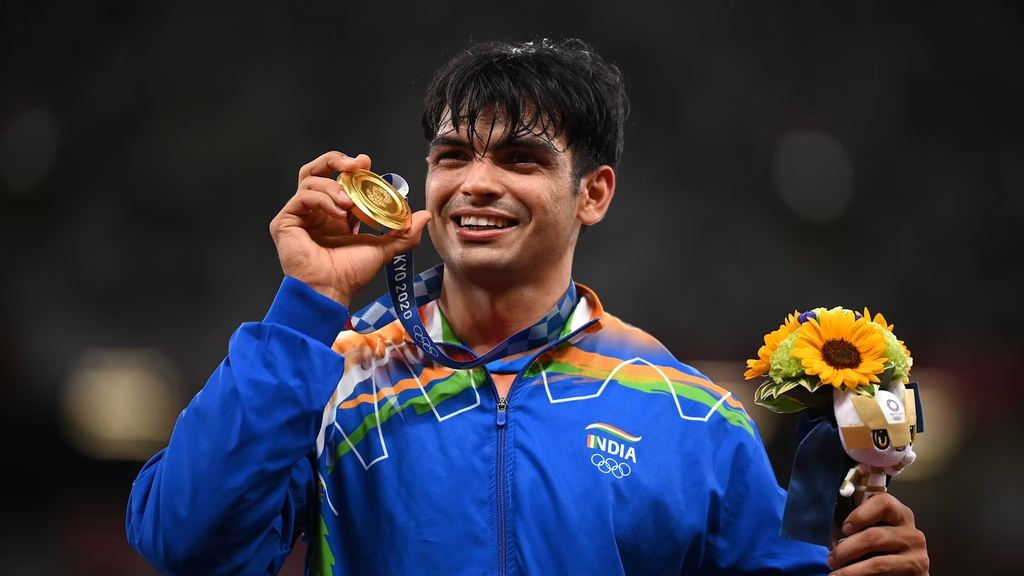
  • Gold Medals (10 total): Contributed primarily by Field Hockey (8), Shooting (1 by Abhinav Bindra), and Athletics (1 by Neeraj Chopra).
  • Silver Medals (10 total): Earned across Shooting, Wrestling, Weightlifting, Athletics (Neeraj Chopra in 2024), and Badminton (PV Sindhu).
  • Bronze Medals (21 total): Secured through Field Hockey, Wrestling, Boxing, Badminton, Weightlifting, and Shooting.

Individual Records & Major Feats

  • Most Decorated Individual Olympians: Sushil Kumar (Wrestling: 1 Silver, 1 Bronze) and PV Sindhu (Badminton: 1 Silver, 1 Bronze) stand out as India’s multi-individual medalists post-independence.
  • First Individual Gold: Abhinav Bindra won India’s first individual gold in the 10m Air Rifle event at the Beijing 2008 Olympics.
  • First Track & Field Gold: Neeraj Chopra secured this milestone with a gold in the men’s javelin throw at the Tokyo 2020 Olympics.
  • Shooting Milestone: Manu Bhaker became the first independent Indian athlete to win two medals at a single Olympic edition at Paris 2024 (Bronze in 10m air pistol individual and mixed team).

Major Disappointments & Setbacks

  • Wrestling & Boxing Underperformance (Paris 2024): Despite high expectations and strong pre-tournament contenders, India returned from the combat rings without a gold or silver, securing only bronze medals.
  • Vinesh Phogat’s Disqualification (Paris 2024): A heartbreaking moment when Vinesh Phogat was disqualified from the 50kg wrestling gold-medal match for being 100 grams overweight, stripping her of a guaranteed silver or gold finish.
  • Agonizing Fourth-Place Finishes: Historical near-misses include Milkha Singh (1960, 400m), P.T. Usha (1984, 400m hurdles by 1/100th of a second), and various hockey and shooting medal matches.

2. Commonwealth Games (CWG)

Overall Cumulative Record: India has won roughly 564 to 572+ medals historically across Commonwealth Games editions.

Medal Categories Breakdown

  • Gold Medals (203+ total): Driven heavily by dominant performances in shooting, wrestling, weightlifting, boxing, and badminton.
  • Silver Medals (190+ total): Secured across weightlifting, shooting, athletics, and wrestling.
  • Bronze Medals (171+ total): Contributed by wrestling, boxing, badminton, and table tennis.

Individual Records & Major Feats

  • Delhi 2010 Landmark Tally: India secured 101 medals (including 38 golds) while hosting the 2010 Games, finishing second overall above England for its highest-ever CWG ranking and count.
  • Shooting & Weightlifting Powerhouses: Shooting contributed roughly 135 medals and weightlifting about 133 medals historically, serving as major gold mines for the nation.
  • Legendary Multi-Gold Winners: Athletes like paddler Sharath Kamal and shooter Jaspal Rana stand out as legendary multi-gold medalists across multiple editions.

Major Disappointments & Setbacks

  • Exclusion of Shooting in 2022: Shooting—India’s most successful discipline at the CWG with 63 golds—was dropped ahead of the Birmingham 2022 Games, causing a major uproar and impact on medal expectations.
  • Doping Controversies: Prior weightlifting doping scandals in past decades temporarily dented the federation’s reputation and led to temporary international suspensions.

3. Asian Games

Overall Cumulative Record: India has won approximately 778 to 815 medals across all editions of the Asian Games since 1951.

Medal Categories Breakdown

  • Gold Medals (183 to 187 total): Contributed by athletics, kabaddi, shooting, wrestling, tennis, and archery.
  • Silver Medals (238 to 254 total): Secured in athletics, shooting, boxing, and field hockey.
  • Bronze Medals (357 to 374 total): Won across athletics, wrestling, boxing, rowing, and sailing.

Individual Records & Major Feats

  • The Historic 100+ Breakthrough (Hangzhou 2022/2023): India breached the 100-medal barrier for the first time, finishing with 107 total medals (28 Gold) and cementing 4th position in Asia.
  • Athletics Supremacy: Athletics remains India’s most productive discipline at the Asian Games, yielding nearly 283 total medals.
  • Kabaddi Hegemony: India won nearly every gold medal in men’s and women’s kabaddi since its introduction, bouncing back after a brief setback.

Major Disappointments & Setbacks

  • Jakarta 2018 Kabaddi Defeat: The Indian men’s kabaddi team suffered a historic semifinal loss to Iran in 2018, failing to win gold for the first time since the sport’s introduction in 1990.
  • Historical Low at Beijing 1990: India hit an all-time modern nadir at the 1990 Beijing Asian Games, securing only 23 medals (just 1 Gold) and dropping to 11th place in the continental standings.

Adhyayan Academy has just started a fresh WBCS Course titled Rishi Bankim Chandra WBCS Batch 2026. For admission in the batch, call or whatsapp @6295350330

Magical Transformation of Kohli

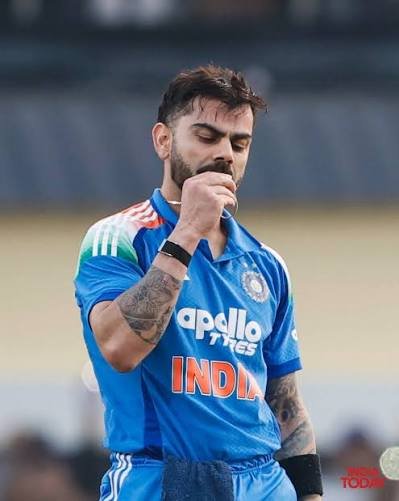
Throughout the major part of his career, Virat Kohli constructed his One Day International dominance on an relentless engine of Throughout the vast majority of his career, Virat Kohli constructed his One Day International dominance on an relentless engine of physical endurance. Historically, he stood as the supreme outlier in world cricket, being the only modern elite batter to score over 56% of his total ODI runs through running between the wickets. His standard blueprint relied on low-risk strokeplay, manipulating gaps, and placing immense physical pressure on fielders with fast singles and frantic twos before executing a late acceleration. Over the past year, however, Kohli has undergone a profound tactical recalibration. Recognizing the natural physical limits that come with veteran age, he has systematically shifted his reliance away from pure running and toward early boundary intent and higher aerial clearing.

The statistical evidence highlighting this transition is unmistakable. In earlier career phases, Kohli’s boundary percentage hovered around 44%, forcing him to absorb massive physical loads across a 50-over match. In the past 12 months, his boundary-to-run ratio has completely flipped, with over 55% to 60% of his total runs now coming directly through fours and sixes. Rather than using his traditional entry phase of 20 to 30 balls to settle in purely through singles, his immediate strike rate upon reaching the crease has surged well past 100. Furthermore, his six-hitting frequency—once an secondary tool reserved strictly for the final ten overs—has spiked significantly, as he now comfortably steps out to hit seamers over the infield or lofts spinners straight down the ground during overs 11 through 35.

Today’s masterclass performance served as a textbook demonstration of this modern evolution. Instead of burning out his metabolic reserves in hot conditions by converting tight pushes into hard doubles, Kohli dictated the tempo using pure timing and elevation. A substantial portion of his innings was constructed through early boundaries against the pace attack, setting a high scoring foundation without demanding peak sprinting output. When reaching key milestones, he didn’t look for a safe push into the ring; he stepped down the track to loft the ball cleanly over the long-on boundary. This allowed him to maintain a rapid strike rate while letting the leverage of his swing do the work that his legs previously carried.

This self-aware transformation highlights the genius of an aging champion who understands how to alter his methodology to remain elite. Rather than allowing physical changes to diminish his output, Kohli has adapted his technique—modifying his crease alignment, shuffling earlier to reset bowler lengths, and leveraging wrist work and weight transfer to clear the ropes. By converting himself from the ultimate running accumulator into a high-efficiency boundary machine, he preserves critical energy reserves for fielding and long innings while simultaneously elevating his impact on the modern game.

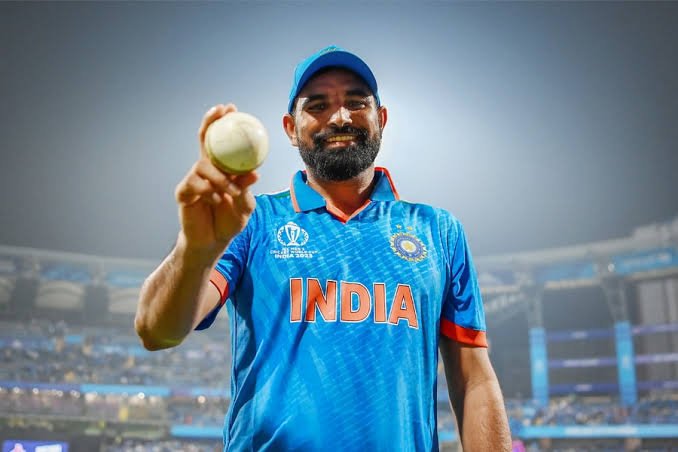
Shami- the victim of a blind selection policy

By Saptarshi Nag

Shami fans, are you all getting ready to bid adieu to the most successful of the Indian bowlers in the ICC World Cup? The gloomy picture of selection till date portrays a sordid story of sheer injustice metted out to one of the finest bowlers of our generation. Even after repeating splendid performances in the domestic circuit, Shami was being sidelined under the whims of the selection committee headed by and now the former Chairman (Ousted?) Mr. Agarkar. There is not an iota of hint that the management is taking stock of his availability or his performances in the domestic circuit so that we get a shimmer of hope that he may be called back where he belongs.

There is a quiet, simmering frustration that clouds Indian cricket every time a squad is announced without Mohammed Shami’s name there. What began as a routine effort to rotate fast bowlers has hardened into a baffling, stubborn insistence from the selection committee to look past him. Initially , after a splendid performance in the WC 2023, injury was cited as the cardinal reason for him being sidelined . The timeline gradually revealed a different story. Watching one of the most gifted seamers of his generation grind through domestic cricket, relentlessly taking wickets for Bengal with that same flawless, upright seam, only to be met with total silence from decision-makers feels like a self-inflicted tragedy. Is this tragedy going to hurt India in the World Cup scheduled within a year from now. With the mystery around Rohit resolved after BCCI’s intervention in Ajit Agarkar’s sinister plans, will there be a further push for the curious case of Shami?

This dogmatic refusal to bring him back actively undermines the team’s big-stage stability and lethal edge especially in the high pressure matches. A bowling attack, no matter how promising, cannot simply fabricate the unyielding authority, experience, and match-winning aura Shami commands on the field. His records in the ODI World Cup stand as a monument to his genius—55 wickets in just 18 matches, an unheard-of bowling average of 13.52, a strike rate under 20 balls per wicket, four five-wicket hauls, and best figures of 7 for 57 in a high-stakes semi-final. These are not just distant milestones, rather these are evidences of a legendary tournament temperament that no substitute can replicate. Do you really believe that the likes of Prasidh Krishna or so much talked about Harshit can fill in his shoes? Forget it, those are too big to fill in. The partisan outlook in selection while keeping a national asset aside hurts the national sentiment and it is high time that the cricket lovers are equivocal in bringing back our man who can be the right

With the next World Cup approaching, India’s stubbornness in ignoring a proven big-match winner threatens to leave the squad vulnerable when the pressure peaks. On Sunday we are facing an already depleted side wounded by the natural selection process in the ICC World Cup 2027 by virtue of ICC ranking. Quite likely, Prasidh is going to pick up several wickets against a minnow. Is that the benchmark to select him or Harshit as the substitute for Mr. World Cup Mohammad Shami?

In chasing the illusion of a total overhaul, the committee is trading guaranteed excellence for mere potential, overlooking the simple truth that when World Cup glory is on the line, there is no replacement for a master craftsman who knows how to break a game wide open.

Bumrah, Shami and Siraj- this trio of pace bowlers so effective on a relatively docile Indian surface can be so lethal when we take on our opponents on the green tracks of South Africa within a year but is the management paying any heed to the need leaving aside their personal agenda? The answer my friend is blowing in the wind.