
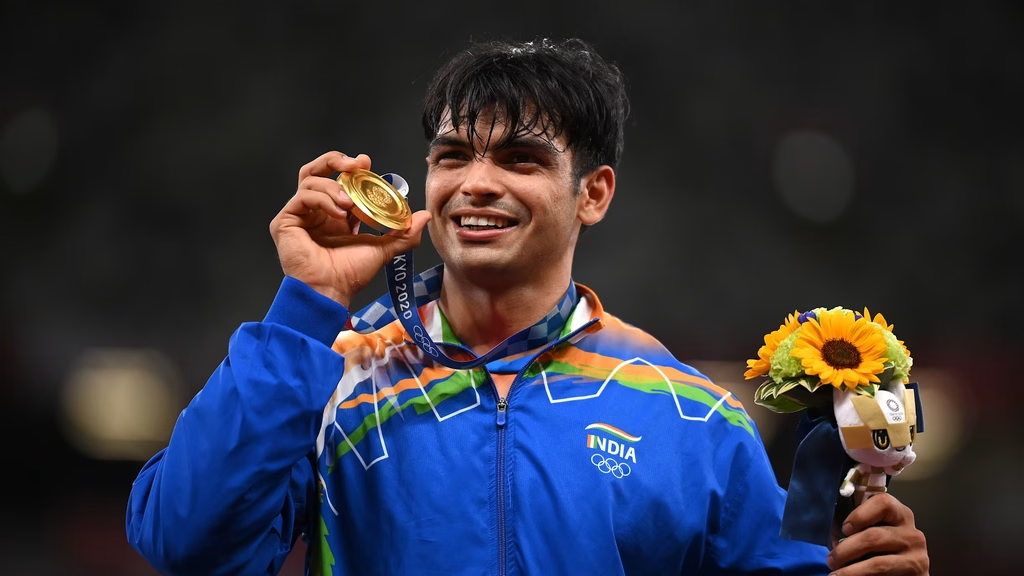
India’s Record in Major Multi-Sport Events- Olympics, Commonwealth, Asian

1. Olympic Games (Summer)

Overall Cumulative Record: India has accumulated 41 official medals across Summer Olympic editions.

Medal Categories Breakdown

  • Gold Medals (10 total): Contributed primarily by Field Hockey (8), Shooting (1 by Abhinav Bindra), and Athletics (1 by Neeraj Chopra).
  • Silver Medals (10 total): Earned across Shooting, Wrestling, Weightlifting, Athletics (Neeraj Chopra in 2024), and Badminton (PV Sindhu).
  • Bronze Medals (21 total): Secured through Field Hockey, Wrestling, Boxing, Badminton, Weightlifting, and Shooting.

Individual Records & Major Feats

  • Most Decorated Individual Olympians: Sushil Kumar (Wrestling: 1 Silver, 1 Bronze) and PV Sindhu (Badminton: 1 Silver, 1 Bronze) stand out as India’s multi-individual medalists post-independence.
  • First Individual Gold: Abhinav Bindra won India’s first individual gold in the 10m Air Rifle event at the Beijing 2008 Olympics.
  • First Track & Field Gold: Neeraj Chopra secured this milestone with a gold in the men’s javelin throw at the Tokyo 2020 Olympics.
  • Shooting Milestone: Manu Bhaker became the first independent Indian athlete to win two medals at a single Olympic edition at Paris 2024 (Bronze in 10m air pistol individual and mixed team).

Major Disappointments & Setbacks

  • Wrestling & Boxing Underperformance (Paris 2024): Despite high expectations and strong pre-tournament contenders, India returned from the combat rings without a gold or silver, securing only bronze medals.
  • Vinesh Phogat’s Disqualification (Paris 2024): A heartbreaking moment when Vinesh Phogat was disqualified from the 50kg wrestling gold-medal match for being 100 grams overweight, stripping her of a guaranteed silver or gold finish.
  • Agonizing Fourth-Place Finishes: Historical near-misses include Milkha Singh (1960, 400m), P.T. Usha (1984, 400m hurdles by 1/100th of a second), and various hockey and shooting medal matches.

2. Commonwealth Games (CWG)

Overall Cumulative Record: India has won roughly 564 to 572+ medals historically across Commonwealth Games editions.

Medal Categories Breakdown

  • Gold Medals (203+ total): Driven heavily by dominant performances in shooting, wrestling, weightlifting, boxing, and badminton.
  • Silver Medals (190+ total): Secured across weightlifting, shooting, athletics, and wrestling.
  • Bronze Medals (171+ total): Contributed by wrestling, boxing, badminton, and table tennis.

Individual Records & Major Feats

  • Delhi 2010 Landmark Tally: India secured 101 medals (including 38 golds) while hosting the 2010 Games, finishing second overall above England for its highest-ever CWG ranking and count.
  • Shooting & Weightlifting Powerhouses: Shooting contributed roughly 135 medals and weightlifting about 133 medals historically, serving as major gold mines for the nation.
  • Legendary Multi-Gold Winners: Athletes like paddler Sharath Kamal and shooter Jaspal Rana stand out as legendary multi-gold medalists across multiple editions.

Major Disappointments & Setbacks

  • Exclusion of Shooting in 2022: Shooting—India’s most successful discipline at the CWG with 63 golds—was dropped ahead of the Birmingham 2022 Games, causing a major uproar and impact on medal expectations.
  • Doping Controversies: Prior weightlifting doping scandals in past decades temporarily dented the federation’s reputation and led to temporary international suspensions.

3. Asian Games

Overall Cumulative Record: India has won approximately 778 to 815 medals across all editions of the Asian Games since 1951.

Medal Categories Breakdown

  • Gold Medals (183 to 187 total): Contributed by athletics, kabaddi, shooting, wrestling, tennis, and archery.
  • Silver Medals (238 to 254 total): Secured in athletics, shooting, boxing, and field hockey.
  • Bronze Medals (357 to 374 total): Won across athletics, wrestling, boxing, rowing, and sailing.

Individual Records & Major Feats

  • The Historic 100+ Breakthrough (Hangzhou 2022/2023): India breached the 100-medal barrier for the first time, finishing with 107 total medals (28 Gold) and cementing 4th position in Asia.
  • Athletics Supremacy: Athletics remains India’s most productive discipline at the Asian Games, yielding nearly 283 total medals.
  • Kabaddi Hegemony: India won nearly every gold medal in men’s and women’s kabaddi since its introduction, bouncing back after a brief setback.

Major Disappointments & Setbacks

  • Jakarta 2018 Kabaddi Defeat: The Indian men’s kabaddi team suffered a historic semifinal loss to Iran in 2018, failing to win gold for the first time since the sport’s introduction in 1990.
  • Historical Low at Beijing 1990: India hit an all-time modern nadir at the 1990 Beijing Asian Games, securing only 23 medals (just 1 Gold) and dropping to 11th place in the continental standings.

Adhyayan Academy has just started a fresh WBCS Course titled Rishi Bankim Chandra WBCS Batch 2026. For admission in the batch, call or whatsapp @6295350330
Festivals of India

1. National days

  • Republic Day — 26 January — Constitution in force, 1950; parade at Kartavya Path
  • Independence Day — 15 August — 1947
  • Gandhi Jayanti — 2 October — also the International Day of Non-Violence
  • Constitution Day — 26 November — Constitution adopted 1949
  • National Science Day — 28 February — Raman Effect
  • National Sports Day — 29 August — Dhyan Chand’s birthday

2. UNESCO Intangible Heritage — festivals or festival-arts
India has 16 ICH elements (Deepavali added 2025). Festival-related entries:

  • Ramlila — 2008 — North India; Ramayana play
  • Ramman — 2009 — Garhwal, Uttarakhand; ritual theatre
  • Mudiyettu — 2010 — Kerala; Bhadrakali ritual drama
  • Kumbh Mela — 2017 — Prayagraj, Haridwar, Ujjain, Nashik
  • Durga Puja in Kolkata — 2021 — West Bengal
  • Garba of Gujarat — 2023 — Navratri dance
  • Deepavali / Diwali — 2025 — pan-India
  • Nowruz — 2016 — shared; Parsi / Central Asian spring new year

Related but not “festivals”: Yoga (2016), Vedic chanting, Kutiyattam, Chhau, Kalbelia, Sankirtana (Manipur), Ladakh Buddhist chanting.

3. Pan-Indian Hindu cycle (high frequency)

  • Makar Sankranti — 14/15 January — Sun enters Capricorn; start of Uttarayana
  • Pongal — mid-January — Tamil harvest
  • Lohri — 13 January — Punjab bonfire; winter turn
  • Vasant Panchami — January–February — Saraswati; yellow; start of spring
  • Maha Shivaratri — February–March — Shiva
  • Holi / Holika Dahan — March — colour; spring; good over evil
  • Chaitra Navratri / Ugadi / Gudi Padwa — March–April — lunar new year in many regions
  • Ram Navami — Chaitra — Rama’s birth
  • Hanuman Jayanti
  • Akshaya Tritiya — April–May — auspicious buying
  • Rath Yatra — June–July — Puri (copies elsewhere)
  • Guru Purnima — Ashadha — teachers
  • Raksha Bandhan — Shravan
  • Janmashtami — Shravan–Bhadra — Krishna; Mathura–Vrindavan; Maharashtra Dahi Handi
  • Ganesh Chaturthi — Bhadra — Maharashtra public visarjan culture
  • Onam — Chingam (August–September) — Kerala
  • Sharad Navratri — September–October — Durga; Garba / Dandiya; Durga Puja
  • Dussehra / Vijayadashami — Rama’s victory / Durga’s victory
  • Karva Chauth — North Indian fast
  • Diwali — Kartika Amavasya — lights; Lakshmi; Rama’s return in the north
  • Govardhan / Annakut — next day
  • Bhai Dooj
  • Chhath Puja — Kartika — Sun; Bihar–Jharkhand–east UP; riverbanks
  • Kartik Purnima / Dev Deepawali — Varanasi ghats

Diwali cluster: Dhanteras → Naraka Chaturdashi / Chhoti Diwali → Diwali → Govardhan → Bhai Dooj.

4. Harvest and regional New Year

  • Makar Sankranti / Uttarayan / Poush Parbon / Magh Bihu / Pongal — many names, same solar turn, about 14 January — Sun into Makara
  • Pongal (Bhogi, Thai Pongal, Mattu, Kaanum) — Tamil Nadu — four days in January — rice harvest; Sun, cattle
  • Lohri — Punjab, Haryana — 13 January — bonfire; rabi eve
  • Bhogali / Magh Bihu — Assam — January — harvest feast; meji fire
  • Baisakhi — Punjab, Haryana — 13/14 April — rabi harvest; Khalsa founded 1699
  • Bohag / Rongali Bihu — Assam — mid-April — Assamese New Year; sowing
  • Puthandu — Tamil Nadu — 14 April — Tamil New Year
  • Vishu — Kerala — mid-April — Malayalam New Year; Vishukkani
  • Poila Boishakh — West Bengal, Tripura — mid-April — Bengali New Year
  • Mahavir Jayanti — Jain — March–April
  • Ugadi — Andhra Pradesh, Telangana, Karnataka — Chaitra Shukla 1 — Telugu–Kannada New Year; bevu-bella
  • Gudi Padwa — Maharashtra — same tithi — Marathi New Year; Gudi flag
  • Cheti Chand — Sindhi — same season — Jhulelal
  • Navreh — Kashmiri Pandits — Chaitra
  • Sajibu Cheiraoba — Manipur — April — Meitei New Year
  • Onam — Kerala — August–September — harvest + Mahabali; Sadya, Pookkalam, Vallamkali
  • Nuakhai — Western Odisha — August–September — new rice
  • Nabanna — Bengal — November–December — new rice
  • Wangala — Garo (Meghalaya / Assam) — October–November — 100 drums; Saljong
  • Kati / Kongali Bihu — Assam — October — lean-season prayers
  • Pana Sankranti / Maha Vishuva — Odisha — mid-April — Odia New Year

Bihu three times: Rongali (April, new year), Kati (October), Magh / Bhogali (January, harvest).

5. Sikh, Buddhist, Jain, Christian, Muslim, Parsi

  • Gurpurabs — Sikh — Guru Nanak (Kartik Purnima), Guru Gobind Singh, martyrdom days
  • Baisakhi — Sikh + harvest — Khalsa, 1699, Anandpur Sahib
  • Bandi Chhor Divas — Sikh — coincides with Diwali; Guru Hargobind’s release
  • Buddha Purnima / Vesak — Buddhist — birth, enlightenment, parinirvana; Vaishakha Purnima
  • Saga Dawa — Sikkim / Tibetan
  • Losar — Ladakh, Sikkim, Monpa — Tibetan New Year
  • Hemis — Ladakh — Guru Padmasambhava; Cham dances at Hemis gompa
  • Mahavir Jayanti — Jain
  • Paryushan / Das Lakshan — Jain — fasting and forgiveness (Samvatsari / Kshamavani)
  • Eid-ul-Fitr — Muslim — end of Ramzan
  • Eid-ul-Adha (Bakrid) — Muslim
  • Milad-un-Nabi — Muslim
  • Muharram — Muslim — remembrance of Karbala; Tazia processions
  • Christmas / Easter — Christian — Goa, Kerala, North-East, cities
  • Good Friday — Christian
  • Nowruz / Jamshedi Navroz — Parsi and others — spring new year; UNESCO shared list
  • Pateti — Parsi

6. State and tribal festivals (high exam frequency)

  • Hornbill — Nagaland — 1–10 December, Kisama; “festival of festivals”
  • Sangai — Manipur — named after the deer
  • Ziro / Dree — Arunachal (Apatani) — Dree about 5 July; agriculture
  • Chapchar Kut — Mizoram — spring; after jhum clearing
  • Wangala / Nongkrem — Meghalaya — Garo / Khasi harvest
  • Ambubachi — Assam — Kamakhya; temple closed then reopened
  • Raja Parba — Odisha — earth menstruating; three-day women’s festival
  • Chhau season / Seraikela — Jharkhand–Odisha–West Bengal — UNESCO dance
  • Kullu Dussehra — Himachal — starts when others end; week-long devtas
  • Mysore Dasara — Karnataka — state festival; palace lit
  • Thrissur Pooram — Kerala — temple festival; elephants, kudamattam
  • Theyyam season — North Kerala — ritual dance, winter–spring
  • Pushkar Fair — Rajasthan — Kartik; cattle + pilgrimage
  • Desert Festival / Rann Utsav — Rajasthan / Kutch — tourism calendar
  • Tarnetar — Gujarat — tribal fair
  • Ganeshotsav — Maharashtra — public since Tilak
  • Naga Panchami / Pola — Maharashtra–Karnataka — cattle
  • Teej / Gangaur — Rajasthan — monsoon / spring; women
  • Karaga — Karnataka (Bengaluru)
  • Baneshwar — Rajasthan — tribal (Bhil) fair
  • Bhagoria — Madhya Pradesh–Maharashtra Bhil — Holi-time tribal haat
  • Sarhul / Karma — Jharkhand–Chhattisgarh–Odisha tribes — sal flowers / harvest dance
  • Tusu / Sohrai — Jharkhand–West Bengal tribal — harvest / harvest-art
  • Losar / Pi Thod — Himalayan Buddhist
  • Hemis / Phyang — Ladakh — monastery festivals
  • Sindhu Darshan — Ladakh — Indus
  • Torgya — Tawang
  • Losoong / Namsoong — Sikkim — harvest new year
  • Moatsu / Sekrenyi — Nagaland tribes
  • Yaoshang — Manipur — Holi + sport
  • Lai Haraoba — Manipur — Meitei origin myth
  • Kang (Rath) — Manipur
  • Bathukamma — Telangana — floral stacks; Navratri
  • Bonalu — Telangana — Mahakali; Hyderabad–Secunderabad
  • Medaram Jatara (Sammakka–Sarakka) — Telangana — largest tribal congregation after Kumbh
  • Attukal Pongala — Kerala — women’s offering; huge gathering
  • Chithirai — Madurai — Meenakshi–Sundareswarar
  • Aadi Perukku — Tamil Nadu — monsoon / Cauvery
  • Kojagiri / Sharad Purnima — West India
  • Sonepur Cattle Fair — Bihar — Kartik; one of Asia’s largest
  • Chhath — Bihar–Jharkhand–Purvanchal — strict sun worship; no priest as middleman
  • Ganga Sagar Mela — West Bengal — Makar Sankranti; Sagar Island
  • Magh Mela — Prayag — annual; Kumbh is the 12-year peak

7. Kumbh Mela (must-know)

  • UNESCO list — 2017
  • Four sites in a 12-year rotation: Prayagraj (Ganga–Yamuna–mythic Saraswati), Haridwar (Ganga), Nashik-Trimbak (Godavari), Ujjain (Shipra)
  • Purna Kumbh every 12 years at a site; Ardh Kumbh at 6 years at Prayagraj / Haridwar; Maha Kumbh rhetoric is used for the 144-year Prayagraj cycle
  • Timing follows Jupiter’s (Brihaspati) zodiac position

8. Same day, different name (trap list)

  • About 14 January — Makar Sankranti, Pongal, Uttarayan (Gujarat kites), Magh Bihu, Poush Sankranti (Bengal), Maghi (Punjab)
  • Mid-April — Baisakhi, Puthandu, Vishu, Poila Boishakh, Rongali Bihu, Maha Vishuva Sankranti
  • Chaitra Shukla 1 — Ugadi, Gudi Padwa, Cheti Chand, Navreh
  • Ashvina Shukla — Navratri / Durga Puja / Dussehra / Bathukamma / Garba
  • Kartika Amavasya — Diwali / Deepavali / Bandi Chhor Divas / Kali Puja (Bengal)

Kali Puja in Bengal falls on Diwali night; Durga Puja is the bigger Bengal festival in Ashvina.

9. Community food / ritual tags

  • Pongal — boiled sweet rice overflowing
  • Onam — Onasadya on banana leaf; snake boats
  • Lohri — til, gajak, popcorn into the fire
  • Sankranti — til-gul (Maharashtra); undhiyu + kites (Gujarat)
  • Baisakhi — bhangra; Nagar Kirtan
  • Navratri — nine forms of Durga; fasting; Garba circle around a lamp or pot
  • Chhath — thekua; arghya at dawn and dusk
  • Eid — sewaiyan
  • Christmas — Goa midnight mass
  • Paryushan — fast and micchami dukkadam

Adhyayan Academy has just started a fresh WBCS Course titled Rishi Bankim Chandra WBCS Batch 2026. For admission in the batch, call or whatsapp @6295350330

Largest, Longest, Tallest, Highest & other superlatives in the world.

Continents, countries, people


Largest continent by area: Asia (~30% of land).
Smallest continent: Australia.
Highest continent by average elevation: Antarctica.
Largest country by area: Russia.
Smallest country by area: Vatican City (~0.44 km²).
Second-smallest country: Monaco.
Largest country by population: India.
Smallest country by population: Vatican City.
Most land neighbours: China and Russia (14 each; count depends on recognition).
Longest land border between two countries: USA–Canada.
Longest coastline: Canada (~202,080 km).
Lowest-lying country: Maldives (avg. ~1.5 m above sea level).
Most populous city (urban agglomeration): Tokyo in many keys; some keys say Delhi or Shanghai.
Highest permanent settlement: La Rinconada, Peru (~5,100 m).
Southernmost city: Ushuaia, Argentina.
Northernmost large city: Norilsk, Russia.

Oceans, seas, coasts, islands


Largest and deepest ocean: Pacific.
Smallest and shallowest ocean: Arctic.
Deepest point on Earth: Challenger Deep, Mariana Trench (~10,920–10,935 m).
Largest sea: Philippine Sea or South China Sea (keys vary); Mediterranean in older inland-sea lists.
Largest gulf: Gulf of Mexico.
Largest bay: Hudson Bay or Bay of Bengal (papers use both).
Longest strait: Strait of Malacca.
Narrowest strait often asked: Bosphorus, Istanbul.
Largest island: Greenland (Australia is a continent).
Largest archipelago: Indonesia.
Largest coral formation: Great Barrier Reef, Australia.
Largest atoll country / lowest nation: Maldives.
Largest river island: Majuli, Assam, India.
Largest lake island: Manitoulin Island, Canada.

Mountains, plateaus, volcanoes


Highest peak above sea level: Mt Everest, Nepal–China — 8,848.86 m.
Second-highest peak: K2 (Godwin Austen), Pakistan–China — 8,611 m.
Highest peak in India: Kangchenjunga — 8,586 m.
Highest peak in Africa: Kilimanjaro, Tanzania.
Highest in South America: Aconcagua, Argentina.
Highest in North America: Denali (McKinley), Alaska.
Highest in Europe (usual key): Mt Elbrus, Russia.
Longest mountain range on land: Andes (~7,000 km).
Highest mountain range: Himalayas.
Longest mountain chain on Earth: Mid-Ocean Ridge (underwater).
Highest plateau / Roof of the World: Tibetan / Pamir plateau.
Highest active volcano: Ojos del Salado, Chile–Argentina.
Largest volcano by volume/mass: Mauna Loa, Hawaii.
Tallest mountain base-to-peak: Mauna Kea, Hawaii.
Farthest point from Earth’s centre: Chimborazo, Ecuador.

Rivers, lakes, waterfalls, deserts, climate


Longest river (standard exam answer): Nile, Africa (~6,650 km).
Largest river by discharge/basin: Amazon.
Longest river in Asia: Yangtze (Chang Jiang).
Longest river in North America: Mississippi–Missouri.
Busiest commercial river in Europe: Rhine.
Largest delta: Ganges–Brahmaputra / Sundarbans.
Largest peninsula: Arabian Peninsula.
Largest hot desert: Sahara.
Largest desert overall: Antarctic Desert.
Largest cold desert in Asia: Gobi.
Driest place: Atacama Desert, Chile.
Wettest place often listed: Mawsynram, Meghalaya, India.
Hottest recorded place: Death Valley, USA (Furnace Creek, 56.7 °C); Al Aziziya, Libya in old keys.
Coldest recorded place: Vostok Station, Antarctica.
Highest waterfall (uninterrupted drop): Angel Falls, Venezuela (~979 m).
Widest waterfall: Khone Phapheng, Laos (Mekong).
Largest waterfall by volume: Inga / Boyoma (Congo) often listed; Iguazu/Niagara in some keys.
Largest saltwater lake: Caspian Sea.
Largest freshwater lake by surface: Lake Superior.
Largest freshwater lake by volume: Lake Baikal.
Deepest lake: Lake Baikal, Russia (~1,642 m).
Highest navigable lake: Titicaca, Peru–Bolivia.
Lowest lake / lowest land point: Dead Sea, Israel–Jordan (~430 m below sea level).
Lowest point in Africa: Lake Assal, Djibouti.
Lowest point in North America: Death Valley, USA.
Longest cave system: Mammoth Cave, Kentucky, USA.

Man-made structures
Tallest building: Burj Khalifa, Dubai — 828 m.
Tallest statue: Statue of Unity, Gujarat, India — 182 m.
Longest wall: Great Wall of China.
Longest railway: Trans-Siberian Railway, Russia.
Highest railway line / station: Qinghai–Tibet Railway; Tanggula station (~5,068 m).
Longest historic artificial canal: Grand Canal of China.
Longest ship canal linking seas without locks: Suez Canal (Panama has locks).
Busiest canal in older European keys: Kiel Canal.
Longest dam by length (Indian keys): Hirakud Dam, India.
Largest dam / hydro project by scale: Three Gorges Dam, China.
Tallest dam: Jinping-I, China (~305 m).
Longest road / highway system often listed: Pan-American Highway.
Longest road tunnel: Lærdal Tunnel, Norway.
Longest bridge in many keys: Danyang–Kunshan Grand Bridge, China (rail); Hong Kong–Zhuhai–Macau is a major sea crossing.
Largest railway station by platforms: Grand Central Terminal, New York (44 platforms).
Longest railway platform: Hubballi (Shree Siddharoodha Swamiji), Karnataka (replaced Gorakhpur in updated keys).
Largest library: Library of Congress, Washington D.C.
Largest stadium by capacity often listed: Rungrado 1st of May Stadium, Pyongyang.
Largest mosque by area/capacity: Masjid al-Haram, Mecca.
Largest church / basilica in many keys: St Peter’s Basilica, Vatican.
Largest temple complex: Angkor Wat, Cambodia.
Largest dome (classic Indian key): Gol Gumbaz, Vijayapura.
Tallest brick minaret (classic key): Qutub Minar, Delhi.
Largest airport by area in older keys: King Fahd / King Khalid, Saudi Arabia.
Busiest airport by passengers usually: Hartsfield–Jackson Atlanta.
Highest commercial airport: Daocheng Yading, China (some keys still say Lhasa/Bamda).
Largest museum (keys differ): Louvre, Paris, or British Museum / AMNH.

Animals, plants, space


Largest animal: blue whale.
Largest land animal: African bush elephant.
Tallest land animal: giraffe.
Fastest land animal: cheetah.
Largest bird: ostrich.
Smallest bird: bee hummingbird.
Fastest bird in a dive: peregrine falcon.
Fastest bird in level flight (older keys): spine-tailed swift.
Largest flying bird by wingspan: wandering albatross.
Largest flower: Rafflesia arnoldii.
Tallest tree: coast redwood Hyperion, California.
Largest planet: Jupiter.
Smallest planet: Mercury.
Hottest planet: Venus.
Nearest planet to the Sun: Mercury.
Farthest planet from the Sun: Neptune.
Brightest star in the night sky: Sirius.
Largest satellite of a planet: Ganymede (Jupiter).
Earth’s only natural satellite: the Moon.

Time and calendar


Longest day in the Northern Hemisphere: 21 June.
Shortest day in the Northern Hemisphere: 22 December.
Longest epic: Mahabharata.
International Date Line: 180° longitude (with zigzags).

Continent high / low


Asia highest: Everest (8,848.86 m). Asia lowest: Dead Sea.
Africa highest: Kilimanjaro. Africa lowest: Lake Assal.
North America highest: Denali. North America lowest: Death Valley.
South America highest: Aconcagua. South America lowest: Laguna del Carbón, Argentina.
Europe highest: Elbrus (Mont Blanc if Caucasus is excluded; papers usually say Elbrus). Europe lowest: Caspian Depression.
Australia highest (mainland): Kosciuszko. Oceania if New Guinea included: Puncak Jaya.
Antarctica highest: Vinson Massif. Antarctica lowest: Bentley Subglacial Trench (ice-covered).

India vs world extras


Highest mountain in India: Kangchenjunga (K2 is in PoK / Pakistan–China).
Tallest statue in the world: Statue of Unity.
Largest river island in the world: Majuli.
Largest delta (shared): Sundarbans.
Wettest place in the world (usual key): Mawsynram.
Longest dam by length (exam key): Hirakud.

Adhyayan Academy has just started a fresh WBCS Course titled Rishi Bankim Chandra WBCS Batch 2026. For admission in the batch, call or whatsapp @6295350330

A fact sheet about the Prime Ministers of India

1. Jawaharlal Nehru (1889–1964)

  • Born: 14 November 1889, Allahabad. Died: 27 May 1964, New Delhi (in office). Birthday is Children’s Day.
  • Education: Harrow; Trinity College, Cambridge; Inner Temple (barrister).
  • Pre-PM: President, Indian National Congress (several terms); Vice-President of the Interim Government from 2 September 1946.
  • Constituency: Constituent Assembly / United Provinces, then Phulpur (Lok Sabha).
  • Tenure: 15 August 1947 – 27 May 1964 — 16 years, 286 days. Longest continuous and longest total tenure. First PM of independent India; first to die in office.
  • Also held: External Affairs for almost the entire term; Defence and Finance for short spells.
  • Exam tags: First Five-Year Plan (1951); Planning Commission; IITs; Panchsheel (1954); NAM; States Reorganisation (1956); Hindu Code Bills (1955–56); Industrial Policy Resolution 1956.
  • Books: Discovery of India, Glimpses of World History, An Autobiography.
  • He was nominated for the Nobel Peace Prize multiple times (in 1950 and 1955) for his role in resolving international conflicts, though he never won.
  • Memorial: Shantivan. Residence as PM: Teen Murti Bhavan.

2. Gulzarilal Nanda (1898–1998) — Acting

  • Born: 4 July 1898, Sialkot (now Pakistan). Died: 15 January 1998.
  • Constituency: Sabarkantha, Gujarat.
  • Tenures: 27 May 1964 – 9 June 1964 and 11 January 1966 – 24 January 1966 (13 days each).
  • Only person to serve as acting PM twice (after Nehru and after Shastri). Not a separately numbered “substantive” PM in many official lists.
  • Labour economist; long-time Union Home Minister when he stepped in.
  • Bharat Ratna: 1997.
  • He served as the interim Prime Minister twice, but because he was never formally elected to a full term in that office, he is not counted numerically in the official sequence of prime ministers.

3. Lal Bahadur Shastri (1904–1966)

  • Born: 2 October 1904, Mughalsarai (now Pt. Deen Dayal Upadhyaya Nagar), UP. Shares birthday with Gandhi. Nickname: Nanhe.
  • Died: 11 January 1966, Tashkent (heart attack) — only PM to die abroad while in office, a day after the Tashkent Declaration.
  • The original name of Lal Bahadur Shastri was Lal Bahadur Varma.
  • Education: Kashi Vidyapith (the title “Shastri” comes from here).
  • Constituency: Allahabad.
  • Tenure: 9 June 1964 – 11 January 1966 (1 year, 216 days).
  • Slogan: Jai Jawan, Jai Kisan (1965 war period).
  • When he served as the transport minister, he was the first to introduce women as bus conductors in India to create job opportunities.
  • Exam tags: 1965 India–Pakistan war; Tashkent Agreement (10 Jan 1966); early Green Revolution / White Revolution push.
  • Bharat Ratna: 1966 — first posthumous Bharat Ratna.
  • Memorial: Vijay Ghat.

4. Indira Gandhi (1917–1984)

  • Born: 19 November 1917, Allahabad. Died: 31 October 1984, New Delhi (assassinated in office).
  • Daughter of Jawaharlal Nehru; married Feroze Gandhi. Mother of Rajiv Gandhi.
  • First (and so far only) woman PM. Age at first assumption: 48.
  • First assumed office as Rajya Sabha MP (UP); later Lok Sabha from Rae Bareli.
  • Tenures: 24 Jan 1966 – 24 Mar 1977 and 14 Jan 1980 – 31 Oct 1984. Longest first continuous stretch after Nehru (11 y 59 d). Total ~15 years 350 days — second-longest overall.
  • Exam tags often listed with her years (as chronology, not commentary): bank nationalisation 1969; 1971 war / Bangladesh; Pokhran-I 1974; Emergency 1975–77; 42nd Amendment; Operation Blue Star 1984.
  • Bharat Ratna: 1971.
  • She was also called as “Priyadarshini”. This name was given to her by Rabindra Nath Tagore.
  • Indira Gandhi was the first person who belonged to Rajya Sabha during nomination as Prime Mnister.
  • Memorial: Shakti Sthal.

5. Morarji Desai (1896–1995)

  • Born: 29 February 1896, Bhadeli, Gujarat (leap-year birthday). Died: 10 April 1995, age 99 — among the longest-lived former heads of government.
  • Oldest person to become PM (81 years).
  • Constituency: Surat.
  • Tenure: 24 March 1977 – 28 July 1979 (2 y 126 d). First non-Congress PM. First PM to resign.
  • Earlier: ICS-era administrator; Chief Minister of Bombay State; Deputy PM (1967–69). Known for strict personal discipline (nature-cure / fasting).
  • Exam tags: end of Emergency; 44th Constitutional Amendment (1978).
  • Received Pakistan’s highest civilian award, Nishan-e-Pakistan.
  • Bharat Ratna: 1991.
  • Morarji Desai is the only person to receive both the Bharat Ratna (India’s highest civilian honor) and the Nishan-e-Pakistan (Pakistan’s highest civilian award)

6. Charan Singh (1902–1987)

  • Born: 23 December 1902, Noorpur, Meerut district. Died: 29 May 1987, New Delhi.
  • Birth anniversary is observed as Kisan Diwas (23 December).
  • Education: Agra College (MA, LLB); practised law at Ghaziabad.
  • Twice Chief Minister of Uttar Pradesh (1967–68, 1970). Associated with UP Zamindari Abolition and Land Reforms Act, 1950.
  • Founded Bharatiya Kranti Dal (1967) and Bharatiya Lok Dal (1974).
  • Constituency as PM period: Baghpat.
  • Tenure: 28 July 1979 – 14 January 1980 (170 days). Only PM who never faced Parliament (lost outside support within weeks; continued as caretaker).
  • Earlier Deputy PM under Morarji Desai.
  • Book: India’s Poverty and Its Solution (1964).
  • Bharat Ratna: 2024 (posthumous).

7. Rajiv Gandhi (1944–1991)

  • Born: 20 August 1944, Bombay. Died: 21 May 1991, Sriperumbudur (assassinated while campaigning as a former PM).
  • Youngest PM — assumed office at 40 (31 October 1984), the day his mother was assassinated.
  • Profession before politics: Indian Airlines pilot. Educated at Doon School; Trinity College, Cambridge (did not complete a degree).
  • Constituency: Amethi.
  • Tenure: 31 Oct 1984 – 2 Dec 1989 (5 y 32 d).
  • Exam tags: Computer Mission / C-DOT era; 73rd–74th Amendment groundwork came later, but panchayat and technology modernisation are often linked to this period; Indian Peace Keeping Force in Sri Lanka; Bofors as a chronology item.
  • Official PM residence shifted to 7 Race Course Road (now 7 Lok Kalyan Marg) during his time.
  • Youngest PM of India
  • Bharat Ratna: 1991 (posthumous).
  • Before entering politics, he worked as a professional commercial pilot for Air India.
  • Memorial: Veer Bhumi.

8. Vishwanath Pratap Singh (1931–2008)

  • Born: 25 June 1931, Allahabad. Died: 27 November 2008.
  • Educated at Allahabad and Poona Universities. Former Raja of Manda (title used in older bios).
  • Earlier: CM of UP; Union Commerce and Finance Minister under Rajiv Gandhi.
  • Constituency: Fatehpur.
  • Tenure: 2 December 1989 – 10 November 1990 (343 days). National Front government with outside support.
  • First PM to resign after losing a confidence vote (7 November 1990).
  • Exam tag: announcement to implement Mandal Commission (27% OBC reservation in central jobs), August 1990.

9. Chandra Shekhar (1927–2007)

  • Born: 17 April 1927, Ibrahimpatti, Ballia, UP. Died: 8 July 2007.
  • Known as the “Young Turk” in Congress before he left the party. Constituency: Ballia.
  • Tenure: 10 November 1990 – 21 June 1991 (223 days). Samajwadi Janata Party (Rashtriya); Congress outside support.
  • Resigned March 1991 after support was withdrawn; continued as caretaker through the 1991 election (Rajiv Gandhi was assassinated during that campaign).
  • Exam tag: 1991 Balance of Payments crisis; gold pledges to the Bank of England / Bank of Japan occurred in this caretaker window.

10. P. V. Narasimha Rao (1921–2004)

  • Full name: Pamulaparthi Venkata Narasimha Rao.
  • Born: 28 June 1921, Karimnagar region (then Hyderabad State). Died: 23 December 2004.
  • Education: Osmania, Bombay and Nagpur Universities. Polyglot; lawyer and writer.
  • Earlier: CM of Andhra Pradesh; Union External Affairs Minister under Indira and Rajiv Gandhi.
  • Constituency as PM: Nandyal, Andhra Pradesh.
  • Tenure: 21 June 1991 – 16 May 1996 (4 y 330 d).
  • First PM from South India. Headed a minority government that completed a full term.
  • Exam tags: 1991 New Economic Policy (LPG) with Finance Minister Manmohan Singh; 73rd and 74th Constitutional Amendments (1992); Look East Policy; Babri Masjid demolition (6 Dec 1992) as a dated event in his term.
  • Sometimes called the “Father of Indian Economic Reforms” in exam capsules.
  • He was a polyglot who had a remarkable command of 17 languages, including several Indian and foreign languages, and even translated literary works.
  • P V Narsimha Rao was the first Prime Minister from non Hindi belt (South India).
  • Started the ‘Look East Policy’

11. Atal Bihari Vajpayee (1924–2018)

  • Born: 25 December 1924, Gwalior. Died: 16 August 2018, New Delhi.
  • Poet and orator. Long-time Jana Sangh / BJP parliamentarian; External Affairs Minister in the 1977 Janata government (addressed the UN in Hindi).
  • Constituency as PM: Lucknow.
  • Tenures: 16 May 1996 – 1 June 1996 (13–16 days — shortest elected tenure; resigned before a trust vote) and 19 March 1998 – 22 May 2004.
  • First non-Congress PM to complete a full five-year term (1999–2004). Combined tenure ~6 years 80 days.
  • Exam tags: Pokhran-II (1998); Kargil War / Operation Vijay (1999); Golden Quadrilateral; Sarva Shiksha Abhiyan; POTA as a dated law.
  • Bharat Ratna: 2015.
  • Memorial: Sadaiv Atal.

12. H. D. Deve Gowda (born 1933)

  • Full name: Haradanahalli Doddegowda Deve Gowda.
  • Born: 18 May 1933, Haradanahalli, Hassan district, Karnataka. Civil engineer by training.
  • Former Chief Minister of Karnataka. First PM from Karnataka.
  • Sat in Rajya Sabha (Karnataka) while PM; earlier Hassan MLA/MP.
  • Tenure: 1 June 1996 – 21 April 1997 (324 days). United Front coalition with Congress outside support.
  • One of the few former PMs still living (as of 2026).

13. Inder Kumar Gujral (1919–2012)

  • Born: 4 December 1919, Jhelum (now Pakistan). Died: 30 November 2012.
  • Education: listed in official bios as MA, B.Com.; later honorary doctorates.
  • Long-time diplomat-politician; Information & Broadcasting Minister; Ambassador to the USSR; External Affairs Minister.
  • Sat in Rajya Sabha (Bihar / Punjab association in different sources) while PM.
  • Tenure: 21 April 1997 – 19 March 1998 (332 days). United Front.
  • Gujral Doctrine: non-reciprocal concessions to smaller South Asian neighbours (Bangladesh, Nepal, Bhutan, Sri Lanka, Maldives) — a standard IR question.

14. Manmohan Singh (1932–2024)

  • Born: 26 September 1932, Gah (then Punjab, now Pakistan). Died: 26 December 2024, New Delhi, age 92.
  • Education: Panjab University; St John’s College, Cambridge; DPhil, Oxford (economics).
  • Career economist: Chief Economic Adviser; RBI Governor (1982–85); Deputy Chairman, Planning Commission; Union Finance Minister (1991–96) under Rao.
  • First Sikh PM. First PM from a minority religion. Served entire PM tenure from Rajya Sabha (Assam) — never a Lok Sabha MP as PM.
  • Tenure: 22 May 2004 – 26 May 2014 (10 years, 4 days). Two full terms. UPA.
  • Exam tags often dated to his years: MGNREGA 2005; RTI 2005; Forest Rights Act 2006; Nuclear deal with the US (2008); RTE 2009; Food Security Act 2013; India became a trillion-dollar-plus economy in this period.
  • Memorial / funeral: state funeral, Nigambodh Ghat, December 2024.

15. Narendra Modi (born 1950)

  • Full name: Narendra Damodardas Modi.
  • Born: 17 September 1950, Vadnagar, Mehsana district, Gujarat. First PM born after Independence. Turned 76 on 17 September 2026.
  • Education: BA (Political Science), University of Delhi (1978); MA (Political Science), Gujarat University (1983) — as given in standard bios.
  • RSS pracharak from the early 1970s; BJP organisational roles in Gujarat; Chief Minister of Gujarat, 7 October 2001 – May 2014 (longest-serving CM of the state). No prior Union ministerial post before becoming PM.
  • Lok Sabha: Vadodara and Varanasi (2014); Varanasi thereafter (2019, 2024).
  • Tenure: 26 May 2014 – incumbent. Sworn for a third consecutive term on 9 June 2024 (only Nehru had three consecutive terms after general elections before this).
  • As of September 2026 he is the second-longest continuous-serving PM after Nehru.
  • Exam tags commonly listed by year: Jan Dhan (2014); Make in India; GST (2017); Article 370 changes (2019); CAA (2019); JAM trinity; Ujjwala; Jal Jeevan Mission; G20 presidency 2023; Ram Mandir consecration 2024.

Compact “who is the only / first” sheet

QuestionAnswer
First PMJawaharlal Nehru
Longest tenure (continuous + total)Nehru
Only woman PMIndira Gandhi
Youngest PMRajiv Gandhi (40)
Oldest at swearing-inMorarji Desai (81)
First non-Congress PMMorarji Desai
First South Indian PMP. V. Narasimha Rao
First Sikh / first minority-religion PMManmohan Singh
First PM born after 1947Narendra Modi
Only acting PM (twice)Gulzarilal Nanda
Only PM who never faced ParliamentCharan Singh
Shortest elected tenureVajpayee, 1996 (13–16 days)
First non-Congress full 5-year termVajpayee (1999–2004)
PM throughout from Rajya SabhaManmohan Singh
Died in officeNehru, Shastri, Indira Gandhi
Died abroadShastri (Tashkent)
Assassinated in officeIndira Gandhi
Assassinated as former PMRajiv Gandhi
First posthumous Bharat RatnaLal Bahadur Shastri (1966)
Kisan DiwasCharan Singh’s birthday, 23 Dec
Children’s DayNehru’s birthday, 14 Nov
Three-generation PMsNehru → Indira → Rajiv
State that sent the most PMsUttar Pradesh

Adhyayan Academy has just started a fresh WBCS Course titled Rishi Bankim Chandra WBCS Batch 2026. For admission in the batch, call or whatsapp @6295350330

Firsts in India

1. Polity and Constitution

  1. President of India — Dr Rajendra Prasad (1950)
  2. Vice-President of India — Dr S. Radhakrishnan (1952)
  3. Prime Minister of India — Jawaharlal Nehru (1947)
  4. Deputy Prime Minister — Sardar Vallabhbhai Patel (1947)
  5. Indian Governor-General — C. Rajagopalachari (1948)
  6. Governor-General of British India (first) — Warren Hastings (GG of Bengal 1773) (1773)
  7. Viceroy of India — Lord Canning (1858)
  8. Chief Justice of India — H. J. Kania (1950)
  9. Speaker of Lok Sabha — G. V. Mavalankar (1952)
  10. Chief Election Commissioner — Sukumar Sen (1950)
  11. Attorney General of India — M. C. Setalvad (1950)
  12. Comptroller and Auditor General — V. Narahari Rao (1950)
  13. Finance Commission Chair — K. C. Neogy (1951)
  14. National Human Rights Commission Chair — Justice Ranganath Misra (1993)
  15. Lokpal of India — Justice Pinaki Chandra Ghose (2019)
  16. President of Indian National Congress — Womesh Chunder Bonnerjee (1885)
  17. Indian ICS officer — Satyendranath Tagore (1863)
  18. Dalit President — K. R. Narayanan (1997)
  19. Sikh Prime Minister — Manmohan Singh (2004)
  20. Muslim President — Dr Zakir Husain (1967)
  21. Tribal President (ST) — Droupadi Murmu (2022)

Exam note: Rajendra Prasad is the only President elected twice. Radhakrishnan was first Vice-President and later President. C. Rajagopalachari was the last Governor-General and the only Indian to hold that office.

Women in high office

  1. Prime Minister — Indira Gandhi (1966)
  2. President — Pratibha Patil (2007)
  3. Governor of a state — Sarojini Naidu (Uttar Pradesh) (1947)
  4. Chief Minister — Sucheta Kripalani (Uttar Pradesh) (1963)
  5. Speaker of Lok Sabha — Meira Kumar (2009)
  6. Judge of the Supreme Court — M. Fathima Beevi (1989)
  7. Chief Justice of a High Court — Leila Seth (Himachal Pradesh) (1991)
  8. Cabinet minister (Central) — Rajkumari Amrit Kaur (Health) (1947)
  9. Railway Minister — Mamata Banerjee (2009)
  10. External Affairs Minister (Cabinet) — Sushma Swaraj (2014)
  11. Full-time Finance Minister — Nirmala Sitharaman (2019)
  12. Full-time Defence Minister — Nirmala Sitharaman (2017)
  13. UPSC Chairperson — Rose Millian Bathew (R. M. Bathew) (1992)
  14. IAS officer (first woman to join IAS) — Anna Rajam Malhotra (1951)
  15. IPS officer — Kiran Bedi (1972)
  16. Ambassador of India — C. B. Muthamma (1954 batch / envoy 1970)
  17. Lok Sabha MP (first sitting after 1952 general election among noted firsts) — Several; often cited: Renuka Ray & others in early Houses (1952)
  18. President of INC — Annie Besant (1917); first Indian woman: Sarojini Naidu (1925) (1917 / 1925)

Trap: Indira Gandhi held additional charge of Finance and Defence at times. Questions that say “first full-time woman Finance / Defence Minister” want Nirmala Sitharaman. First woman INC President is Annie Besant; first Indian woman INC President is Sarojini Naidu.

2. Defence and security

  1. Commander-in-Chief of Indian Army (Indian) — Gen. K. M. Cariappa (1949)
  2. Chief of Air Staff (Indian) — Air Marshal Subroto Mukerjee (1954)
  3. Chief of Naval Staff (Indian) — Vice Admiral R. D. Katari (1958)
  4. Field Marshal — S. H. F. J. Manekshaw (1973)
  5. Marshal of the Air Force — Arjan Singh (2002)
  6. Chief of Defence Staff — Gen. Bipin Rawat (2020)
  7. Param Vir Chakra — Major Somnath Sharma (posthumous, 1947 war) (1950)
  8. Woman to receive Ashoka Chakra — Neerja Bhanot (posthumous) (1987)
  9. Woman to fly a fighter jet solo (IAF) — Avani Chaturvedi (MiG-21) (2018)
  10. Women fighter pilots batch — Avani Chaturvedi, Bhawana Kanth, Mohana Singh (2016 commissioned)
  11. Woman Lieutenant General (AFMS) — Puneeta Arora (2004)
  12. Defence Minister of independent India — Baldev Singh (1947)

Only two Field Marshals: Sam Manekshaw (1973) and K. M. Cariappa (honorary, 1986). Only one Marshal of the IAF: Arjan Singh. CDS was created in 2019; Rawat took charge in 2020.

3. Science, space and technology

  1. Satellite of India — Aryabhata (launched from USSR) (1975)
  2. Satellite launched from Indian soil — Rohini RS-1 on SLV-3 (Sriharikota) (1980)
  3. Nuclear reactor — Apsara, Bhabha Atomic Research Centre, Trombay (1956)
  4. Nuclear explosion / test — Pokhran-I, “Smiling Buddha” (18 May 1974)
  5. Pokhran-II tests — Operation Shakti (May 1998)
  6. Indian in space — Rakesh Sharma (Soyuz T-11) (1984)
  7. Indian-origin woman in space — Kalpana Chawla (NASA, Columbia) (1997)
  8. Moon mission — Chandrayaan-1 (2008)
  9. Mars mission / first Asian nation at Mars in first attempt — Mangalyaan (MOM) (2013–14)
  10. Soft landing near lunar south pole — Chandrayaan-3 (Vikram / Pragyan) (2023)
  11. Solar mission — Aditya-L1 (2023)
  12. Human spaceflight programme name — Gaganyaan (ongoing)
  13. Supercomputer — PARAM 8000 (C-DAC, Pune) (1991)
  14. Indigenous computer (early) — TIFRAC (Tata Institute) (1960)
  15. Hydroelectric plant — Sidrapong, Darjeeling (1897)
  16. GM crop commercially released — Bt cotton (2002)
  17. IISc Bangalore founder — J. N. Tata (Institute opened 1909) (1909)

Sharma’s line from space — “Saare Jahan Se Achha” — is sometimes asked. Kalpana Chawla was an Indian-born American astronaut; Sunita Williams is Indian-origin. Gaganyaan will make the first Indian in space on an Indian vehicle when it flies.

4. Economy, banks and infrastructure

  1. Census of India (complete modern) — 1872 (non-synchronous); 1881 first synchronous (1872 / 1881)
  2. Railway (passenger) — Bombay to Thane (16 Apr 1853)
  3. Telegraph line — Kolkata–Diamond Harbour (1850–51)
  4. Postal stamp (India) — Scinde Dawk; then lithographed issues (1852 / 1854)
  5. Newspaper in India (English) — Hicky’s Bengal Gazette, Calcutta (1780)
  6. Hindi daily (often cited) — Udant Martand (weekly, Calcutta) (1826)
  7. Reserve Bank of India — Established (1935)
  8. First Indian Governor of RBI — C. D. Deshmukh (1943)
  9. Nationalisation of RBI — 1949
  10. Imperial Bank becomes SBI — 1955
  11. Bank nationalisation (14 banks) — 19 Jul 1969
  12. Second dose of bank nationalisation — 6 banks (1980)
  13. Planning Commission — 1950
  14. NITI Aayog (replaced Planning Commission) — 2015
  15. Five-Year Plan — First Plan (Harrod–Domar) (1951–56)
  16. Linguistic state — Andhra State (from Madras) (1953)
  17. Woman Chairperson of SBI — Arundhati Bhattacharya (2013)

5. Sports

  1. Olympic medal associated with India (athletics) — Norman Pritchard, Paris (2 silvers) (1900)
  2. Olympic medal after Independence (individual) — Khashaba Dadasaheb Jadhav, wrestling bronze, Helsinki (1952)
  3. Olympic team gold — Men’s hockey, Amsterdam (captain Jaipal Singh Munda) (1928)
  4. Individual Olympic gold — Abhinav Bindra, 10 m air rifle, Beijing (2008)
  5. Individual Olympic silver (post-1947, shooting) — Rajyavardhan Singh Rathore, Athens (2004)
  6. Woman Olympic medal — Karnam Malleswari, weightlifting bronze, Sydney (2000)
  7. Woman Olympic silver — P. V. Sindhu, badminton, Rio (2016)
  8. Woman Olympic bronze (wrestling) — Sakshi Malik, Rio (2016)
  9. Woman Olympic bronze (badminton) — Saina Nehwal, London (2012)
  10. Woman Olympic bronze (boxing) — M. C. Mary Kom, London (2012)
  11. Olympic athletics gold — Neeraj Chopra, javelin, Tokyo (2021)
  12. Hockey World Cup — India, hosted in Bombay (1975)
  13. Cricket World Cup (ODI) — Kapil Dev’s team, Lord’s (1983)
  14. T20 World Cup — M. S. Dhoni’s team (2007)
  15. Test century by an Indian — Lala Amarnath (1933)
  16. Chess World Champion (undisputed era often cited) — Viswanathan Anand (2000 / 2007)
  17. Indian chess Grandmaster — Viswanathan Anand (1988)
  18. Asian Games hosted in India — New Delhi (1951)
  19. Woman Asian Games gold (athletics) — Kamaljeet Sandhu, 400 m (1970)
  20. Paralympic gold — Murlikant Petkar, swimming (1972)
  21. Woman Paralympic gold (recent landmark) — Avani Lekhara, shooting, Tokyo (2021)
  22. Grand Slam title (men’s doubles) — Mahesh Bhupathi (1997)
  23. Grand Slam mixed / doubles (women) — Sania Mirza (2009 onwards)

Wording is everything. “First Olympic medal by an Indian after Independence” = K. D. Jadhav. “First individual Olympic gold” = Bindra. “First Olympic gold for India” can mean hockey 1928. Pritchard’s medals are credited to India in IOC tables

  1. Nobel Prize (Indian / from British India) — Rabindranath Tagore, Literature (Gitanjali) (1913)
  2. Nobel Prize in Physics — C. V. Raman (1930)
  3. Nobel Prize in Medicine (Indian-origin) — Har Gobind Khorana (1968)
  4. Nobel Peace Prize (Indian citizen / resident) — Mother Teresa (1979)
  5. Nobel Prize in Economics — Amartya Sen (1998)
  6. Bharat Ratna (first recipients) — C. Rajagopalachari, S. Radhakrishnan, C. V. Raman (1954)
  7. Woman Bharat Ratna — Indira Gandhi (1971)
  8. Bharat Ratna to a sportsperson — Sachin Tendulkar (2014)
  9. Jnanpith Award — G. Sankara Kurup (Malayalam) (1965)
  10. Woman Jnanpith — Ashapurna Devi (1976)
  11. Oscar for an Indian — Bhanu Athaiya, costume design, Gandhi (1983)
  12. Oscar for a film (India official / Satyajit Ray honorary) — Ray: Honorary Oscar (1992)
  13. Booker Prize (Indian writer) — Arundhati Roy, The God of Small Things (1997)
  14. Magsaysay Award (Indian, early) — Vinoba Bhave (1958) among early Indians (1958)

Tagore was the first Asian Nobel laureate. Mother Teresa was an Indian citizen by then. Questions sometimes distinguish “first Indian-origin Nobel in science” (Khorana / Raman depending on wording).

7. Education, press, culture and society

  1. University (modern) — University of Calcutta (also Bombay & Madras same year) (1857)
  2. IIT — IIT Kharagpur (1951)
  3. IIM — IIM Calcutta and IIM Ahmedabad (1961)
  4. Woman graduates (Calcutta University) — Kadambini Ganguly and Chandramukhi Basu (1883)
  5. Indian woman doctor (western medicine, often cited) — Anandibai Joshi (degree USA 1886); Kadambini Ganguly practised in India (1886 / 1886–87)
  6. Woman teacher (modern school for girls) — Savitribai Phule, Pune (1848)
  7. Talkie film in India — Alam Ara (Ardeshir Irani) (1931)
  8. Bengali talkie — Jamai Shashthi / later full features; Dena Paona often cited 1931 (1931)
  9. Indian woman to climb Everest — Bachendri Pal (1984)
  10. Summit of Everest (Tenzing with Hillary) — Tenzing Norgay & Edmund Hillary (29 May 1953)
  11. Miss World from India — Reita Faria (1966)
  12. Miss Universe from India — Sushmita Sen (1994)
  13. Woman to swim the English Channel (India) — Arati Saha (1959)

8. West Bengal and eastern India (State PSC + UPSC)

  1. Indian Nobel laureate (Literature) — Bengali — Rabindranath Tagore (1913)
  2. President of INC (first session, Bombay; Bengali) — W. C. Bonnerjee (1885)
  3. Indian ICS — Satyendranath Tagore (1863)
  4. English newspaper in India — Hicky’s Bengal Gazette, Calcutta (1780)
  5. Hydroelectric plant in India — Sidrapong, Darjeeling (1897)
  6. IIT — IIT Kharagpur (1951)
  7. IIM (one of the first two) — IIM Calcutta (1961)
  8. Woman graduates of Calcutta University — Kadambini Ganguly, Chandramukhi Basu (1883)
  9. Woman CM of West Bengal — Mamata Banerjee (2011)
  10. Railway Minister (woman) from Bengal politics — Mamata Banerjee (2009)
  11. Oscar-related cinema (Ray honorary) — Satyajit Ray (1992)
  12. Jnanpith in Bengali (first woman Jnanpith is Bengali) — Ashapurna Devi (1976)
  13. First sitting of Constituent Assembly — New Delhi; many Bengal members including B. C. Roy later CM (1946)

9. Rapid revision — male / female pairs

  1. President — First man: Rajendra Prasad; First woman: Pratibha Patil
  2. Prime Minister — First man: Jawaharlal Nehru; First woman: Indira Gandhi
  3. Governor of a state — First man: — (many); First woman: Sarojini Naidu
  4. Chief Minister — First man: —; First woman: Sucheta Kripalani
  5. Supreme Court judge — First man: H. J. Kania (CJI); First woman: M. Fathima Beevi
  6. Lok Sabha Speaker — First man: G. V. Mavalankar; First woman: Meira Kumar
  7. Space — First man: Rakesh Sharma; First woman: Kalpana Chawla
  8. Everest (Indian woman / Indian summit) — First man: Tenzing Norgay (1953); First woman: Bachendri Pal (1984)
  9. Nobel (citizen / India-linked) — First man: Tagore; First woman: Mother Teresa
  10. Bharat Ratna — First man: Three in 1954; First woman: Indira Gandhi
  11. Olympic individual gold — First man: Abhinav Bindra; First woman: — (none yet as of mid-2020s)
  12. Olympic medal (woman) — First man: —; First woman: Karnam Malleswari
  13. IAS / IPS — First man: Satyendranath Tagore (ICS); First woman: Anna R. Malhotra / Kiran Bedi

10. Practice MCQs

Choose the correct answer. Keys are immediately below each block of five.

  1. Who was the first President of India?
    A. Dr S. Radhakrishnan B. Dr Rajendra Prasad C. Dr Zakir Husain D. V. V. Giri
    Answer: B. Dr Rajendra Prasad (1950).
  2. The first Indian Governor-General of independent India was:
    A. Lord Mountbatten B. Lord Canning C. C. Rajagopalachari D. Dr Rajendra Prasad
    Answer: C. C. Rajagopalachari (1948). Mountbatten was the first GG of independent India, but not Indian.
  3. Who was the first woman Prime Minister of India?
    A. Pratibha Patil B. Indira Gandhi C. Sushma Swaraj D. Sucheta Kripalani
    Answer: B. Indira Gandhi (1966).
  4. The first woman Governor of an Indian state was:
    A. Vijaya Lakshmi Pandit B. Sarojini Naidu C. Sucheta Kripalani D. Padmaja Naidu
    Answer: B. Sarojini Naidu, Uttar Pradesh, 1947.
  5. Who was the first Chief Justice of India?
    A. M. Patanjali Sastri B. P. B. Gajendragadkar C. H. J. Kania D. B. N. Rau
    Answer: C. H. J. Kania (1950).
  6. India’s first satellite was:
    A. Rohini B. INSAT-1A C. Aryabhata D. Bhaskara
    Answer: C. Aryabhata, 1975, launched from the USSR.
  7. The first Indian in space was:
    A. Rakesh Sharma B. Kalpana Chawla C. Ravish Malhotra D. Sunita Williams
    Answer: A. Rakesh Sharma, 1984.
  8. Smiling Buddha refers to:
    A. Chandrayaan-1 B. Pokhran-I (1974) C. Pokhran-II (1998) D. Apsara reactor
    Answer: B. The 18 May 1974 nuclear test at Pokhran.
  9. Sidrapong is famous as India’s first:
    A. Oil field B. Nuclear reactor C. Hydroelectric plant D. Steel plant
    Answer: C. Hydroelectric plant, Darjeeling, 1897.
  10. Who was the first Indian to win an individual Olympic gold medal?
    A. K. D. Jadhav B. Abhinav Bindra C. Rajyavardhan Rathore D. Neeraj Chopra
    Answer: B. Abhinav Bindra, Beijing 2008.
  11. The first Indian woman to win an Olympic medal was:
    A. P. T. Usha B. Saina Nehwal C. Karnam Malleswari D. Mary Kom
    Answer: C. Karnam Malleswari, Sydney 2000.
  12. India’s first individual Olympic medal after Independence was won by:
    A. Norman Pritchard B. Dhyan Chand C. K. D. Jadhav D. Milkha Singh
    Answer: C. K. D. Jadhav, wrestling bronze, 1952.
  13. Who was the first woman IPS officer of India?
    A. Kiran Bedi B. Kanchan Chaudhary Bhattacharya C. C. B. Muthamma D. Anna Rajam Malhotra
    Answer: A. Kiran Bedi, 1972 batch.
  14. The first woman judge of the Supreme Court of India was:
    A. Leila Seth B. M. Fathima Beevi C. Ruma Pal D. Indu Malhotra
    Answer: B. Justice M. Fathima Beevi, 1989.
  15. Who among the following was the first Field Marshal of India?
    A. K. M. Cariappa B. K. S. Thimayya C. Sam Manekshaw D. Bipin Rawat
    Answer: C. Sam Manekshaw, 1973. Cariappa was made Field Marshal later, in 1986.
  16. The first Chief of Defence Staff of India was:
    A. General Bipin Rawat B. General Manoj Mukund Naravane C. Admiral Karambir Singh D. Air Chief Marshal B. S. Dhanoa
    Answer: A. General Bipin Rawat, 2020.
  17. Who was the first Indian Nobel laureate?
    A. C. V. Raman B. Rabindranath Tagore C. Mother Teresa D. Amartya Sen
    Answer: B. Rabindranath Tagore, 1913.
  18. The first recipients of the Bharat Ratna (1954) did NOT include:
    A. C. Rajagopalachari B. S. Radhakrishnan C. C. V. Raman D. Jawaharlal Nehru
    Answer: D. Nehru received it in 1955.
  19. India’s first passenger railway ran between:
    A. Calcutta and Hooghly B. Bombay and Thane C. Madras and Arcot D. Delhi and Meerut
    Answer: B. Bombay–Thane, 16 April 1853.
  20. Who was the first woman Chief Minister of an Indian state?
    A. Nandini Satpathy B. Sucheta Kripalani C. Shashikala Kakodkar D. J. Jayalalithaa
    Answer: B. Sucheta Kripalani, Uttar Pradesh, 1963.
  21. The first Indian woman to climb Mount Everest was:
    A. Santosh Yadav B. Premlata Agarwal C. Bachendri Pal D. Arunima Sinha
    Answer: C. Bachendri Pal, 1984.
  22. PARAM 8000 is remembered as India’s first:
    A. Satellite B. Supercomputer C. Nuclear submarine D. Fighter aircraft
    Answer: B. Supercomputer, C-DAC Pune, 1991.
  23. Who was the first Speaker of the Lok Sabha?
    A. G. V. Mavalankar B. M. A. Ayyangar C. Hukam Singh D. Neelam Sanjiva Reddy
    Answer: A. G. V. Mavalankar.
  24. The first linguistic state of independent India was:
    A. Gujarat B. Andhra State C. Kerala D. Maharashtra
    Answer: B. Andhra State, 1953.
  25. Who was the first woman to receive the Bharat Ratna?
    A. Mother Teresa B. Indira Gandhi C. M. S. Subbulakshmi D. Lata Mangeshkar
    Answer: B. Indira Gandhi, 1971.

Adhyayan Academy has just started a fresh WBCS Course titled Rishi Bankim Chandra WBCS Batch 2026. For admission in the batch, call or whatsapp @6295350330

Lakes in India and the World

  1. Which state is home to the largest freshwater lake in India?

Ans- Wular lake in J&K

2. Largest freshwater lake in the world?

Ans- Lake Baikal, Russia

3. Which lake is the largest by surface area in the world?

a) Lake Superior

b) Caspian Sea

c) Lake Victoria

d) Lake Michigan

         Ans. (b)

        4. Deepest lake – Lake Baikal

        5. Which lake was formed by a meteorite impact?

         Ans-  Lonar (Maharashtra) Crater Lake

        6. Which lake is known as the “Queen of Lakes” in Kerala?

        Ans- Sasthamkotta Lake

        7. Where is Lake Titicaca, the highest navigable lake globally, situated?

       Ans- Bolivia and Peru

       8. Which lake in Manipur, India, is distinguished by its floating islands of vegetation?

        Ans- The most unique thing about Loktak Lake is the floating phumdi. Phumdis are the organic masses composed of vegetation, soil, and decaying matter. Some of these floating islands are big enough to support houses and shops. Keibul Lamjao National Park is the only floating national park in the world.

   10. Important lakes and their states

     Name                                              State/UT

    Pangong                                          Ladakh

    Gurdongmar                                 Sikkim (Highest Lake of India)

     Vembanad                                     Kerala

     Chilka                                              Odissa

    Pulicat                                              Andhra Pradesh

Jor Pokhri/ Sukhia Pokhri               Darjeeling, WB

Nagarjun Sagar                                  Telengana

Shivaji Sagar Lake                              Maharashtra

Kolleru                                                  Andhra Pradesh

Chandra Taal                                       Himachal Pradesh

Umiyam                                               Meghalaya

Hussain Sagar                                    Andhra Pradesh

Dal Lake                                                Srinagar (J &K)

Bhimtaal                                              Uttarakhand

Nainitaal                                              Uttarakhand

Kanwar( Largest ox bow lake)      Bihar

Dhankar                                               Himachal Pradesh

Chamera                                              Himachal Pradesh

11. Chilika Lake in Odisha is the largest saline water lake in India.

12. The Caspian Sea, often referred to as a sea, is technically classified as a lake because it has no outlet to the ocean. 

13. Rajasthan has the largest number of salt lakes in India. Rajasthan is the arid state of India with average yearly rainfall appx 58-60 cm. There are large number lakes mostly artificial as well as Natural Lakes.

14. Gobind Sagar lake is the largest man-made lake situated in Bilaspur district of Himachal Pradesh. After Gobind Sagar Dhebar lake in Rajasthan is largest artificial lake.

16. Pong dam also known as Maharana Pratap Sagar is the highest earth fill dam constructed across the river Beas. It is located in Kangra district of Himachal Pradesh.

17. The ‘Chilka lake region’ lies in between the deltas of Mahanadi and Godavari. Chilika Lake is a brackish water lagoon.

19. Rasik Bill is in Cooch Behar district.

20. The ‘Chilka lake region’ lies in between the deltas of Mahanadi and Godavari. Chilika Lake is a brackish water lagoon

21. Lake Tanganyika is an African Great Lake. It is the world’s second-largest freshwater lake by volume and the second deepest, in both cases after Lake Baikal in Siberia. It is the world’s longest freshwater lake.

22. Nokdara lake is in Kalimpong district.

23. The world’s highest lake, if size is not a criterion, may be the crater lake of Ojos del Salado, at 6,390 metres. It is in Andes.

24. Lake Vostok is in Antarctica.

25.  Sukna lake in Chandigarh.

26. Tso Moriri lake is in Ladakh.

27. Ashtamudi lake is in Kerala.

28. Tsongmu lake in Sikkim.

29. Located on the border of the United States and Canada are the Great Lakes of North America. They include 5 lakes: Michigan, Huran, Erie, Ontario, and Superior which together contain around 21% of the world’s freshwater supply.

30. Finland has the nickname “Land of the Thousand Lakes” as there are over 187,000 lakes in the country.

31. The study of inland water bodies and ecosystems is called Limnology.

32. The lowest lake in the world is the Dead Sea, on the edge of Israel and Jordan. The surface level is 418 m below sea level.

33. In 1981, Chilika Lake became the first Indian wetland of international importance.

34. Udaipur is known as India’s “City of Lakes.

35. Deepest lake in India Loktak Lake

36. Highest lake in India- Tsho Lamu lake, Sikkim

37. The longest lake in India is Vembanad Lake. It is also the largest lake in the state of Kerala. Vembanad Lake stretches for approximately 96.5 kilometers (60 miles) and has a maximum width of 14 kilometers.

38. Khechipedi lake in Sikkim

39. Nakki lake is at Mount Abu, Rajasthan

40. Kanwar lake is Asia’s largest oxbow lake, located in Begusarai district, Bihar.

41. Roop Kund lake at Uttarakhand is also known as Skeleton Lake/Mystery Lake because of numerous skeletons found at its bottom.

42. Black Sea is not a lake since Bosporus and Dardanelles Straits connect it to the Mediterranean Sea. Many big rivers fall into the Black Sea, making the salinity of its surface water half that of the ocean: 17‰.

43. Caspian Sea and Dead Sea are lakes. The surface and shores of the Dead Sea are 423 metres below sea level, making it Earth’s lowest elevation on land.

44. The Largest Lakes (surface area) by Continent

Australia – Lake Eyre (Salt Lake)

Africa – Lake Victoria, also the third-largest freshwater lake on Earth. It is one of the Great Lakes of Africa.

Antarctica – Lake Vostok (subglacial)

Asia – Lake Baikal (if the Caspian Sea is considered a lake, it is the largest in Eurasia, but is divided between the two geographic continents)

Europe – Lake Ladoga, followed by Lake Onega, both located in northwestern Russia.

North America – Lake Superior.

South America – Lake Titicaca, which is also the highest navigable body of water on Earth at 3,812 metres above sea level. The much larger Lake Maracaibo is a contiguous body of water with the sea, so it is ignored. ,

To get Saptarshi Sir’s guidance for PSC Miscellaneous Mains/ Clerkship Main/ English/Economy or for overall WBCS or other exam preparation, call or WhatsApp us @6295350330. Classes for PSC Miscellaneous Main and Clerkship Main have already started. WBCS New batch is also going on. You can also download our app for online guidance using the link

https://play.google.com/store/apps/details?id=co.penny.oecgd&pcampaignid=web_share

For free notes, daily quizzes, word games and many other surprises, please join our Telegram Group using the link below

https://t.me/theadhyayanacademy