One Nation One Election

One Nation One Election refers to the proposal to hold simultaneous elections for the Lok Sabha (House of the People) and all State Legislative Assemblies. A subsequent phase would cover local body elections (panchayats and municipalities) within about 100 days. The idea aims to end the current staggered cycle of frequent polls across India.

Historical Background

India held simultaneous Lok Sabha and State Assembly elections in the first four general election cycles: 1951–52, 1957, 1962, and 1967. The cycle broke after 1967 due to premature dissolutions of several state assemblies (especially in 1968–69) and other political developments, including the Emergency period. Since then, elections have been staggered, with the country often in “permanent election mode.”

Current Status (as of November 2026)

  • A High-Level Committee chaired by former President Ram Nath Kovind was set up in September 2023. It submitted an 18,626-page report in March 2024 after extensive consultations.
  • The Union Cabinet accepted the core recommendations in September 2024.
  • The Constitution (129th Amendment) Bill, 2024 and the companion Union Territories Laws (Amendment) Bill, 2024 were introduced in the Lok Sabha on 17 December 2024 and referred to a Joint Parliamentary Committee (JPC) chaired by P.P. Chaudhary (around 39–41 members).
  • The JPC’s deadline has been extended multiple times and, as of November 2026, runs to the last week of the Winter Session 2026. It has held numerous meetings and consultations with states, experts, and stakeholders.
  • The Election Commission of India has indicated it can conduct simultaneous elections with about six months’ notice once the legal framework is in place. Possible timelines discussed include alignment starting around the 2029 general elections, with full synchronisation potentially by 2034.

Key Recommendations of the Kovind Committee

The committee proposed a two-phase approach:

  1. First, synchronise Lok Sabha and State Assembly elections.
  2. Then, hold local body elections within 100 days.

Other major points include:

  • An “appointed date” (date of the first sitting of a new Lok Sabha) after which new assemblies would have curtailed terms to align with the national cycle.
  • In case of a hung House or no-confidence motion, fresh elections for the remaining (unexpired) term.
  • A single electoral roll and single Elector Photo Identity Card (EPIC) for all tiers of government.
  • Constitutional amendments primarily affecting Articles related to the duration of Houses (e.g., Articles 83 and 172). The first phase is generally viewed as not requiring state ratification under Article 368(2); the local body phase would.

Consultation data from the Kovind Committee:

  • 47 political parties responded: 32 supported, 15 opposed.
  • About 21,558 public responses: roughly 80% supported simultaneous elections.

Economic and Administrative Data

Frequent elections impose significant costs and disruptions:

  • JPC Chairman P.P. Chaudhary and supporting economic assessments have repeatedly cited an estimated economic loss of nearly ₹7 lakh crore from staggered elections (covering not only direct poll costs but lost administrative time, interrupted decision-making, labour migration, and other opportunity costs). Synchronised polls could generate equivalent gains.
  • Economists have told the JPC that simultaneous elections could raise real GDP growth by around 1.5–1.6 percentage points in the subsequent period.
  • Direct expenditure by the Election Commission on Lok Sabha and assembly elections has historically exceeded ₹4,500 crore in recent cycles (excluding party and candidate spending, which is much larger).
  • Additional one-time costs for extra EVMs and VVPATs for a simultaneous 2029 scenario have been estimated in the range of ₹5,300 crore (machines) to ₹10,000–15,000 crore overall.
  • Other impacts include diversion of security forces (e.g., ~10 lakh armed personnel plus millions of polling officials in recent national polls), prolonged Model Code of Conduct periods that freeze developmental work, and economic effects on sectors such as tourism and migrant labour (millions of workers return home for voting).

Arguments For and Against

Potential advantages:

  • Large cost and resource savings.
  • More continuous governance and policy-making.
  • Reduced administrative and security burden.
  • Possible modest rise in voter turnout (observed in some past simultaneous elections).
  • Greater economic stability.

Main concerns:

  • Impact on federalism and the autonomy of states.
  • Risk that national issues dominate and overshadow regional/local priorities.
  • Logistical challenges in manpower, EVMs, and security for a nationwide simultaneous exercise.
  • Constitutional and practical questions around handling mid-term dissolutions and maintaining fixed terms.
  • Opposition from several regional parties that fear disadvantage.

The 23rd Law Commission has indicated to the JPC that the proposed Bills do not violate the basic structure of the Constitution (including federalism and voting rights).

Summary

ONOE is a major electoral reform proposal that seeks to return India to a system of simultaneous national and state elections last practised until 1967. It is backed by substantial consultation data showing majority support among responding parties and the public, along with economic estimates of large savings and GDP gains. However, it requires constitutional amendments (special majority in Parliament), faces political opposition on federalism grounds, and is still under detailed examination by the Joint Parliamentary Committee as of late 2026. Implementation timelines remain subject to parliamentary approval, state cooperation, and Election Commission readiness.
Magical Transformation of Kohli

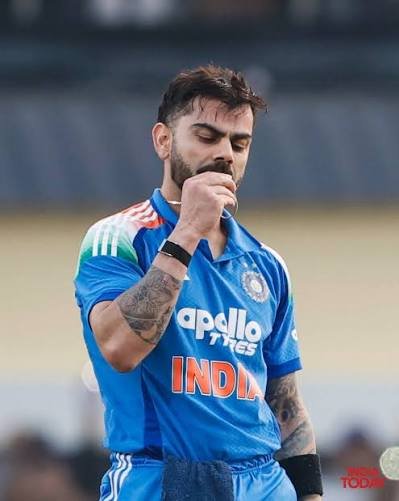
Throughout the major part of his career, Virat Kohli constructed his One Day International dominance on an relentless engine of Throughout the vast majority of his career, Virat Kohli constructed his One Day International dominance on an relentless engine of physical endurance. Historically, he stood as the supreme outlier in world cricket, being the only modern elite batter to score over 56% of his total ODI runs through running between the wickets. His standard blueprint relied on low-risk strokeplay, manipulating gaps, and placing immense physical pressure on fielders with fast singles and frantic twos before executing a late acceleration. Over the past year, however, Kohli has undergone a profound tactical recalibration. Recognizing the natural physical limits that come with veteran age, he has systematically shifted his reliance away from pure running and toward early boundary intent and higher aerial clearing.

The statistical evidence highlighting this transition is unmistakable. In earlier career phases, Kohli’s boundary percentage hovered around 44%, forcing him to absorb massive physical loads across a 50-over match. In the past 12 months, his boundary-to-run ratio has completely flipped, with over 55% to 60% of his total runs now coming directly through fours and sixes. Rather than using his traditional entry phase of 20 to 30 balls to settle in purely through singles, his immediate strike rate upon reaching the crease has surged well past 100. Furthermore, his six-hitting frequency—once an secondary tool reserved strictly for the final ten overs—has spiked significantly, as he now comfortably steps out to hit seamers over the infield or lofts spinners straight down the ground during overs 11 through 35.

Today’s masterclass performance served as a textbook demonstration of this modern evolution. Instead of burning out his metabolic reserves in hot conditions by converting tight pushes into hard doubles, Kohli dictated the tempo using pure timing and elevation. A substantial portion of his innings was constructed through early boundaries against the pace attack, setting a high scoring foundation without demanding peak sprinting output. When reaching key milestones, he didn’t look for a safe push into the ring; he stepped down the track to loft the ball cleanly over the long-on boundary. This allowed him to maintain a rapid strike rate while letting the leverage of his swing do the work that his legs previously carried.

This self-aware transformation highlights the genius of an aging champion who understands how to alter his methodology to remain elite. Rather than allowing physical changes to diminish his output, Kohli has adapted his technique—modifying his crease alignment, shuffling earlier to reset bowler lengths, and leveraging wrist work and weight transfer to clear the ropes. By converting himself from the ultimate running accumulator into a high-efficiency boundary machine, he preserves critical energy reserves for fielding and long innings while simultaneously elevating his impact on the modern game.

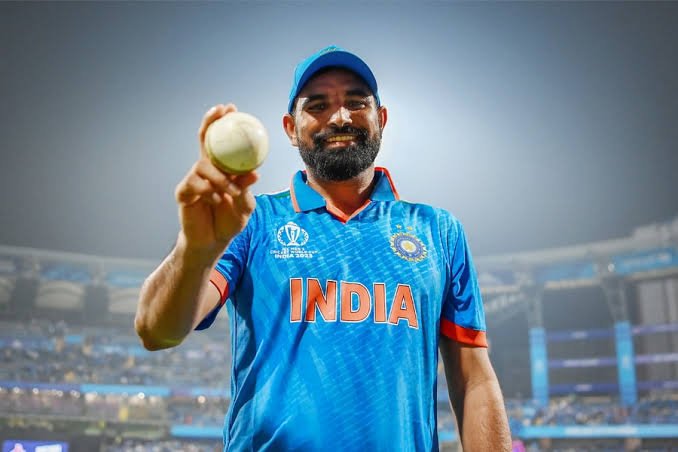
Shami- the victim of a blind selection policy

By Saptarshi Nag

Shami fans, are you all getting ready to bid adieu to the most successful of the Indian bowlers in the ICC World Cup? The gloomy picture of selection till date portrays a sordid story of sheer injustice metted out to one of the finest bowlers of our generation. Even after repeating splendid performances in the domestic circuit, Shami was being sidelined under the whims of the selection committee headed by and now the former Chairman (Ousted?) Mr. Agarkar. There is not an iota of hint that the management is taking stock of his availability or his performances in the domestic circuit so that we get a shimmer of hope that he may be called back where he belongs.

There is a quiet, simmering frustration that clouds Indian cricket every time a squad is announced without Mohammed Shami’s name there. What began as a routine effort to rotate fast bowlers has hardened into a baffling, stubborn insistence from the selection committee to look past him. Initially , after a splendid performance in the WC 2023, injury was cited as the cardinal reason for him being sidelined . The timeline gradually revealed a different story. Watching one of the most gifted seamers of his generation grind through domestic cricket, relentlessly taking wickets for Bengal with that same flawless, upright seam, only to be met with total silence from decision-makers feels like a self-inflicted tragedy. Is this tragedy going to hurt India in the World Cup scheduled within a year from now. With the mystery around Rohit resolved after BCCI’s intervention in Ajit Agarkar’s sinister plans, will there be a further push for the curious case of Shami?

This dogmatic refusal to bring him back actively undermines the team’s big-stage stability and lethal edge especially in the high pressure matches. A bowling attack, no matter how promising, cannot simply fabricate the unyielding authority, experience, and match-winning aura Shami commands on the field. His records in the ODI World Cup stand as a monument to his genius—55 wickets in just 18 matches, an unheard-of bowling average of 13.52, a strike rate under 20 balls per wicket, four five-wicket hauls, and best figures of 7 for 57 in a high-stakes semi-final. These are not just distant milestones, rather these are evidences of a legendary tournament temperament that no substitute can replicate. Do you really believe that the likes of Prasidh Krishna or so much talked about Harshit can fill in his shoes? Forget it, those are too big to fill in. The partisan outlook in selection while keeping a national asset aside hurts the national sentiment and it is high time that the cricket lovers are equivocal in bringing back our man who can be the right

With the next World Cup approaching, India’s stubbornness in ignoring a proven big-match winner threatens to leave the squad vulnerable when the pressure peaks. On Sunday we are facing an already depleted side wounded by the natural selection process in the ICC World Cup 2027 by virtue of ICC ranking. Quite likely, Prasidh is going to pick up several wickets against a minnow. Is that the benchmark to select him or Harshit as the substitute for Mr. World Cup Mohammad Shami?

In chasing the illusion of a total overhaul, the committee is trading guaranteed excellence for mere potential, overlooking the simple truth that when World Cup glory is on the line, there is no replacement for a master craftsman who knows how to break a game wide open.

Bumrah, Shami and Siraj- this trio of pace bowlers so effective on a relatively docile Indian surface can be so lethal when we take on our opponents on the green tracks of South Africa within a year but is the management paying any heed to the need leaving aside their personal agenda? The answer my friend is blowing in the wind.

Operation Sindoor- The Saga of Valour

Background

On 22 April, Pakistan based terrorist group “The Resistance Front” (TRF) perpetrated a devastating attack in Pahalgam, India.  In this attack 26 innocent tourists were killed in cold blood after segregating them based on their religion. TRF is an offshoot of the well-known Pakistan backed terrorist organisation Lashkar-e-Taiba. 

The Response

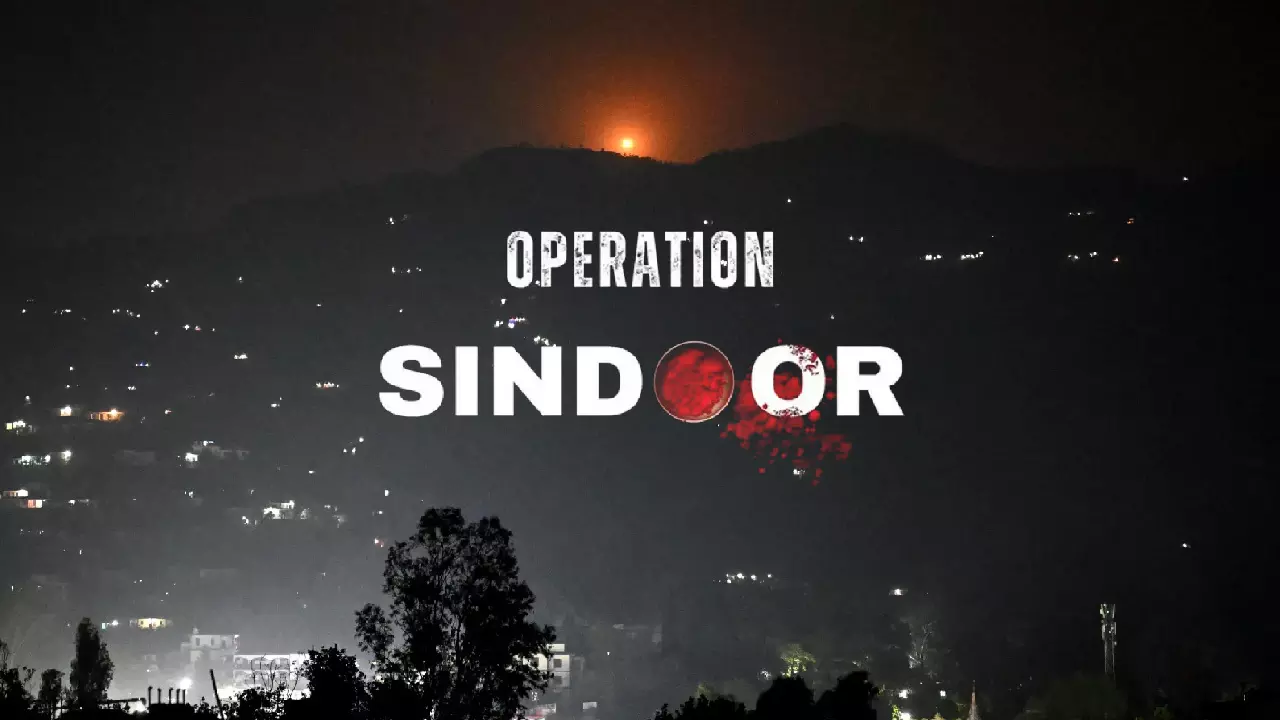
Post the attack, TRF claimed the responsibility for this attack not once but twice within a few hours.  Pakistan’s subsequent refusal to acknowledge or curb these terrorists’ networks compelled India to take a responsible but resolute action. In response, on the night of 7–8 May 2025, the Government of India executed “Operation Sindoor,”.  The response was non escalatory, precise and targeted terrorist training camps at nine different locations within Pakistan and Pakistan Occupied Kashmir.  No military targets were engaged.  However, in the early hours of 8 May, Pakistan, in an escalated response launched coordinated drone and missile strikes targeting over a dozen Indian military installations across the Northern and Western theatres, including Srinagar, Jammu, Pathankot, Amritsar, Ludhiana, Bathinda and Bhuj. India’s robust Integrated Counter-drone Grid and layered Air Defence systems intercepted these attacks, recovering debris conclusively traced to Pakistani origin.

Objective and Success

India’s strategic calculus in Operation Sindoor was informed by an unwavering objective: to uphold national sovereignty and protect civilian lives without precipitating a broader military conflagration. By confining military action to terrorist infrastructure, India underscored its non-escalatory posture and respect for established international norms. Pakistan’s reputation as the epicentre of global terrorism is rooted in a number of instances, there are several terrorist attacks around the world where Pakistani fingerprints have been found. Earlier in pursuit of justice for the victims of terrorist attack be it Mumbai in 2008, Pathankot in 2016, Pulwama in 2019 or many others, India provided forensic evidence and urged Pakistan to bring the perpetrators of these attacks to justice.  India has also submitted an updated dossier to the UN 1267 Sanctions Committee, documenting Pakistan’s complicity in sheltering and abetting designated terrorist operatives.

Meanwhile, Pakistan’s repeated stone-walling of joint investigative teams despite India’s full cooperation in forensic, call-data and on-site evidence sharing for Mumbai 2008 and Pathankot 2016 probes reveals that its calls for new “joint investigations” are nothing more than delaying tactics. In these circumstances, India has also placed the Indus Water Treaty in abeyance: demographic changes, evolving climate realities and several such factors have led to fundamental changes in the circumstances in which the treaty was concluded.  Constant refusal of Pakistan for Government-to-Government negotiations to discuss the modifications is itself a ‘Violation of the Treaty’ and a breach of its spirit of “goodwill and friendship”.

Weapons Used

Indian Air Force (IAF) used advanced systems like SCALP Cruise Missiles, HAMMER Precision-Guided Bombs, and Loitering Munitions also known as “kamikaze drones” to carry out these operations with high accuracy and minimal collateral damage.

Global Implications

Redefining Counter–Terrorism Norms: The operation legitimises conventional military force against sub-conventional terrorist threats, reshaping global counter-terror doctrines.

Erosion of International Mediation Space: India’s assertive stance signals diminishing reliance on third-party mediators, reinforcing its strategic autonomy in regional conflicts.

Doctrinal Influence on Democracies: Other nations grappling with cross-border terrorism may adopt similar proactive military postures, inspired by India’s precedent.

Turbulence in South Asian geopolitics: India-Pakistan relations further deteriorate, reducing the scope for diplomatic dialogue and regional cooperation.

China’s recalibrated strategy: Beijing may either deepen its strategic alignment with Pakistan or reassess its military calculus in the India-China-Pakistan triangle.

Challenges Ahead

Military Escalation Risks: Increased likelihood of Pakistani retaliation or cross-border escalation heightens fears of prolonged conflict or a two-front war with China.

Diplomatic Tightrope: India must balance military assertiveness with global expectations of restraint while maintaining the trust and support of key partners like the US and France.

Evolving Terrorist Threats: Terrorist groups may change tactics by focusing on soft targets, inciting communal unrest, or using asymmetric warfare to undermine internal peace.

Internal Security Vulnerabilities: Increased risk of radicalisation, cross-border infiltration, cyber-attacks, and urban terrorism demands enhanced vigilance and intelligence.

Pakistan’s propaganda leverage: Islamabad may exploit the operation to portray India as the aggressor, consolidate domestic unity, and push a victimhood narrative internationally.

Way Forward

Formally, national doctrine must be formulated outlining India’s response to cross-border terror, eliminating ambiguity and enhancing strategic credibility.

India must own & shape global narrative by presenting her actions as a lawful defence under international norms, particularly Article 51 of the UN Charter.

Upgrading border surveillance, integrating intelligence through fusion centres, and strengthening local policing to pre-empt future threats.

India must sustain global pressure on Pakistan by utilising her growing geopolitical and economic influence through G20, QUAD, SCO, and UNSC engagements.

India must maintain high preparedness for counter-escalation and reinforce deterrence through calibrated force posture and war gaming.

Final Words

Operation Sindoor is a principle-driven military response underpinned by strategic restraint.  It was in response to a barbaric terrorist attack on innocent tourists which originated from Pakistan. India had a right to response which it did, in a responsible, restrained, measured and a non-escalatory manner. It marks a pivotal shift in India’s security doctrine—from reactive diplomacy to assertive deterrence—conveying a clear message that terrorism will invite swift retribution and that the responsibility to prevent escalation now rests with the adversary.

We The People – India Since 1950

আমার ব্যক্তিগত পরিসরে সেরা কাজ? ‘মেক ইট বিগ ‘ বইটা? না। ’28 Days of Thinking Differently’ বইটা? না। সেরাটা এখনো বাকি এটাই আমি সবসময় বলি। তাই প্রতিবার যখন নতুন কিছু করার কথা ভাবি, একটাই কথা মনে রাখি, এবারের কাজ যেন গতবারের চেয়েও ভালো হয়। এই চ্যালেঞ্জটা বিরাট। কিন্ত ৪৫ এ পৌঁছে excellence এর পেছনে দৌড়ানোর এর চেয়ে বড় মোটিভেশন আর কিছু হয় না। নিকুচি করেছে সাফল্য। সবটাই আপেক্ষিক। নিকুচি করেছে বড়লোকামির। আজ আছে কাল নেই। সবাই তো ওসবের পেছনেই ছুটবে। আমি ওই রেসে ভিড় বাড়িয়ে করবো কি?

’28 Days’ যারা পড়েছে তাঁরা জানে ওই বইটার গুরুত্ব। ‘মেক ইট বিগ’ এর মতো কমার্শিয়াল সাফল্য হয়তো পায়নি কিন্তু অন্তত হাজার দুয়েক মানুষের জীবনকে বদলাতে পেরেছিলো বইটা। আমার এক শিক্ষাগুরু আমাকে বলেছিলেন, হয়তো বা একদশক পরে লোকে বুঝবে ওই বইটার কি অপরিসীম গুরুত্ব। যাই হোক।
’28 Days’ এর পরে শুরু করেছিলাম ‘ভূতু আর আমি’ নামের বইটার কাজ। এবার পুরো ঘরানা বদল। এক রোবট আর তার স্রষ্টার ব্রোমান্স নিয়ে ভারি মিষ্টি একটা গল্প, যা বাচ্চা বুড়ো সক্কলকে আনন্দ দেবে, একটু কাঁদাবেও। কিন্তু ওটার কাজ শেষ হতে না হতেই আমার এক ছাত্রের এক আবদার এলো। স্যার, এত বই কম্পিটিটিভ পরীক্ষার জন্য বা নিদেনপক্ষে কুইজ বা নিজের একটু আধটু জ্ঞান বাড়াতে পড়ি কিন্তু আজ অবধি এমন কোনো বই পেলাম না যেখানে আধুনিক ভারতের মানে প্রজাতান্ত্রিক ভারতের সব ঘটনাকে একজায়গায় করা থাকবে। অনেক ঘাঁটলাম। নাহ তেমন কিছু পেলাম না। আসলে ওসব বই পড়ে জ্ঞান বাড়িয়ে হবেটাই বা কি? তারচেয়ে সোজা কাজ MCQ বই লেখো। আজকাল তো ওই শব্দগুলোই ছেলেমেয়েদের শেষ করলো – ‘MCQ’, ‘PYQ’ আরো কত কি? আর IQ বর্জিত মধ্যমেধার একদল বেচুবাবাবু ওসব দিয়ে দিয়ে ভবিষ্যৎ আরো সঙ্গীন করার দৌড়ে নামলো।
প্রজেক্টটা বড় চ্যালেঞ্জ দিল। ইন্টারনেটে কোনো একটা বছর দিলে গুটিকয়েক তথ্য আসে বইকি, কিন্তু নিজে মোটামুটি সাড়ে চার দশক এই পৃথিবীতে কাটানোর পরে যখন দেখি কত মজার তথ্য বা কত কাজের তথ্য গুগল বাদ দিচ্ছে বড্ড খারাপ লাগে। আসলে গুগল দেবে কোথা থেকে। সেতো বা তার AI তো একটা সার্চ ইঞ্জিন মাত্র। কোনো একটা ওয়েবসাইট থেকে ( যার ভালো SEO বা search engine optimization) ঝেঁপে দেয়। আর সেই ওয়েবসাইটে তথ্য ঢোকানো লোকগুলো ও তো ওই সেই PYQ আর MCQ প্রোডাক্ট। ফলে শুরু হল এক্সটেন্সিভ রিসার্চ। এবার আর কোনো টিমের ভরসা না করে নিজেই কাজ শুরু করলাম। নিজে কুইজ করতাম বা একটু আধটু পড়াশোনা করতাম বলে অনেক তথ্য নিজেই ইনপুট দিতে পারলাম খেরোর খাতা থেকে। বহু জিনিস ইন্টারনেট থেকে নিতে হল। কিন্তু ওই যে random কাজ না, তথ্যের উপর তথ্য বসিয়ে, ভেরিফিকেশনের পর কাউন্টার ভেরিফিকেশন করে। মাঝে কিছু তথ্য আমার ওয়েবসাইটে ছেড়েছি বটে কিন্তু সেটা ট্রেলার মাত্র। আসলকাজটা বই হিসেবে বের করবো এটাই পরিকল্পনা ছিল। কিন্তু এবার paid বই না। সম্পূর্ণ ফ্রি ডিজিটাল কপি। একটা কোর্স বিক্রি হতে পারে, একটা বই বিক্রি হতে পারে কারণ সেখানে ভালোলাগা খারাপ লাগার বিষয় থাকে। কিন্ত জ্ঞান তো বিক্রি করা যায় না। আর সেটা যদি ওই MCQ নামের আলেয়ার পেছনে দৌড়ানোর প্রবণতা কমাতে একত্রিত করা হয়। তাই শেষ অবধি আসছে।
We The People – India Since 1950
এমন একটা ডিজিটাল বই যা ১৯৫০ থেকে ভারতের ইতিহাসের সব উল্লেখযোগ্য ঘটনা তুলে ধরবে। সে খেলা হোক, রাজনীতি হোক, PSU এর জন্ম হোক, কোনো প্রকল্পের শুরু হোক বা কোনো যুদ্ধ হোক বা কারো রেকর্ড হোক। এতে সাহিত্যের কোনো ব্যাপার নেই, তাই নিজের খাটনি নিজের কৃতিত্ব বলে দাবি করবো না। সবটাই আছে কিন্তু বিভিন্ন জায়গায় ছড়িয়ে। আমি শুধুই রাতদিন জেগে এক করেছি। যেকোনো পরীক্ষা হোক বা কুইজ, MCQ হোক বা ডেসক্রিপটিভ, বিতর্ক হোক বা আলোচনা- এই বই পড়া থাকলে স্বাধীন ভারত সম্পর্কে জ্ঞান বাড়বে তো বটেই, আরো জানার আগ্রহ তৈরি হবে। Multiple choice এর বাইরে গিয়ে জ্ঞানের জানালা খুলতে ইচ্ছে করবে। আর আমার কাজ তখনই সার্থক হবে।

আজ সন্ধ্যায়, আমার FB পেজ, Adhyayan Academy র FB পেজ, YouTube কমিউনিটি আর টেলিগ্রাম চ্যানেলে এর ফার্স্ট লুক প্রকাশ পাবে। আর বইটা কিভাবে পাবে? এইরাজ্যে সম্পূর্ণ ফ্রি। তবে জলদি Paid ভার্সন ও আসবে kindle এ অন্য রাজ্যের জন্য। নিচের লিঙ্ক দিয়ে জলদি টেলিগ্রাম চ্যানেলে সদস্য হয়ে যাও। আজ ফার্স্ট লুক দেখবে।
১৯ তারিখ ঠিক ১৯টা বেজে ১৯ মিনিটে মানে ৭টা ১৯এ। 😊😊
https://t.me/theadhyayanacademy

Indian Railways- Amazing Facts

Contrary to popular belief, the first train in India was the Red Hill Railway, which ran from Red Hills to Chintadripet bridge in 1837. Sir Arthur Cotton was credited with building the train, which was mainly used for transporting granite. However, India’s first passenger train started its service on 16 April 1853, covering a stretch of 33 km from Mumbai to Thane. The train carried 400 passengers. Interestingly, this day was also declared a public holiday.

The first electric train in India ran on 3 February 1925, between Bombay Victoria Terminal and Kurla Harbour. Later, the electric line was extended to Nashik’s Igatpuri district and then to Pune.

​​​​​​​Bholu the guard elephant is the mascot of the Indian Railways. Bholu was designed by the National Institute of Design in 2002 in honour of the 150th anniversary of the Indian Railways. Bholu is seen holding a signal lamp with a green light in it, which symbolises movement, assurance to trains and passengers to go ahead without fear.

The Vivek Express (Train Number 22503/22504) is the longest train route in India, running between Dibrugarh and Kanyakumari

The first Rajdhani Express train in India was the Howrah-New Delhi Rajdhani Express, which began operations on March 1, 1969

In 1956, the first air-conditioned train plied between Howrah and New Delhi.

Hubli station in Karnataka now has the longest railway platform in India surpassing the earlier renewed platform at Gorakhpur Railway Station in Uttar Pradesh.

Indian Railways’ longest tunnel is Pir Panjal that links Kashmir Valley with Banihal in Jammu.

Station with the shortest name is Odisha

Venkatanarasimharajuvaripeta is the station with the longest name.

Lalu Prasad Yadav, who remained Railways Minister from 2004 to May 2009, presented the railway budget 6 times in a row.

In 1986, computerized ticketing and reservations were introduced

In 1994, the first live telecast of the railway budget took place.

Four sites of Indian Railways have been declared as “World Heritage sites” by the UNESCO. They are Darjeeling-Himalayan Railway, Nilgiri Mountain, Mumbai CST, and Kalka-Shimla Railways.

The world’s highest rail bridge is owned by Indian Railways, and it is being constructed over Chenab River in Jammu and Kashmir. It is five times the length of the Qutub Minar.

In 1988, the first Shatabdi Express was introduced between New Delhi and Jhansi.

As of 2025, it manages the fourth largest national railway system in the world.

​​​​​​​Bori Bunder, located in Mumbai was the first railway station in India.

In the year 1999, Mamata Banerjee became the first female Railway Minister. In 2000, she became the first female to present the Railway budget and is the only woman to do so for two different governing coalitions (NDA and UPA).

Indian Railways is divided into 18 administrative zones (17 operational), headed by general managers which are further subdivided into 68 operating divisions, headed by divisional railway managers (DRM)

The first locomotive manufacturing unit was commissioned in 1950 at Chittaranjan with the first coach manufacturing unit set-up at Madras in 1955.

John Matthai presented the first Railway Budget for Independent India on 20 November,1947 which was Interim Railway Budget and only after 3 months he presented his second Railway Budget on 24 February,1948

In 1951, the Indian Railways was established by the amalgamation of 42 different railway companies operating in the country, spanning a total of 55,000 km (34,000 mi).

The first railway budget was presented in 1924.

The Railway Budget was presented every year, a few days before the Union budget, till 2016. Modi government on 21 September 2016 approved merger of the Rail and General budgets from the next year, ending a 92-year-old practice of a separate budget for the nation’s largest transporter.

​​​​​​​Mathura junction is the largest railway junction in India, with as many as 7 routes emerging from this station. Mathura junction also has 10 platforms, with connectivity to all major cities of India.

ক্লার্কশিপ ২০২০ মেইন – স্যাম্পল উত্তর

বাংলায় অনুবাদ করুন:

A patriot is a man who loves his country, works for it and is willing to fight and die for it. Every soldier is bound to do his duty, but the best soldiers do more than this. They risk their lives because they love the country they are fighting for. It is idealism that gives him courage and strength. They love its hills and valleys, its cities and villages, its people and their way of life. They are willing to defend it to the last against enemies who try to conquer it and destroy it.

Answer

দেশের প্রতি ভালোবাসা, দেশের জন্য কাজ করা, দেশের হয়ে লড়া আর প্রয়োজনে জীবন উৎসর্গ করা – এটাই তো এক প্রকৃত দেশপ্রেমীর পরিচিয়। প্রত্যেক সৈনিককেই তাঁর কর্তব্য পালন করতে হয়, কিন্তু সর্বোত্তম সৈনিক সর্বদাই কর্তব্যের গন্ডির বাইরে গিয়ে দেশসেবা করেন। নিজের দেশের জন্য নিঃস্বার্থ ভালোবাসায় যুদ্ধ লড়তে গিয়ে নিজের জীবন বিপন্ন করতেও তাঁরা পিছপা হন না। দেশের পাহাড়, পর্বত, উপত্যকা, গ্রাম, শহর, মানুষজন, তাদের জীবনধারা সবকিছুরই প্রতি অসীম ভালোবাসা তাঁদের আর তাই দেশকে শত্রুর করাল আক্রমণ থেকে রক্ষা করতে জীবনের শেষবিন্দু পর্যন্ত লড়াই করতে প্রস্তুত তাঁরা I

তোমরা যারা ক্লার্কশিপ মেইনের প্রস্তুতি নিচ্ছ, তারা সেরা গাইডেন্স পেতে এবং সপ্তর্ষি স্যারের ছত্রছায়ায় থেকে এরকমই লেখা শিখতে আজকেই ভর্তি হয়ে যাও আমাদের ক্লার্কশিপ মেইন কোর্সটিতে। নিচের লিঙ্কে বিশদে দেওয়া হল

My Best Course So Far…

Perhaps I am so excited to take classes in the biggest ever personal academic project of mine under the umbrella of Adhyayan Academy for Competitive Examinations.
This will surely open new vistas of learning for the aspirants keen to hone their writing skills. With me as the sole mentor, this will usher in a new era of learning as far as compulsory descriptive papers are concerened.
Come, fall in love once again. This time with the subjects, with the methods of learning and rediscover your potentials. And I will be there to hold your hand, to guide you, to take you to a new, never seen land of knowledge and excellence. Love you, all and can’t wait to see you there. Read the deatails in the link below.

The Eklavya Descriptive Batch by Saptarshi Sir

Many of my existing students as well as my followers on social media platforms are eagerly waiting for my upcoming mega academic project- the Descriptive Batch styled as “Eklavya Descriptive Batch 2025”. Comprising of just two subjects- Bengali and English, it is perhaps the most iconic academic initiative from Adhyayan Academy so far with the sole objective of consolidation of the fundamentals of the students in these two subjects which have so much to do with almost every examination they appear, at least the Mains part of the examination and of course, day-to-day life. Let’s have a look at different FAQs regarding the batch.

When will the batch start?

The batch will start from 5th September, 2025 to celebrate the auspicious occasion of Teachers Day and to commemorate the Third Anniversary of the foundation of Adhyayan Academy.

How long will the batch last?

 Duration of the batch will be one year. If needed, the duration may be extended depending on how many modules are remaining after the end of that period. Under no circumstances, the duration will be less than one full year.

What are the study modules?

The course comprises of ten study modules for each subject. These include

  1. Introduction to composition.
  2. Vocabulary enrichment.
  3. Translation prowess.
  4. Reporting Ability
  5. Dialogue Making
  6. Editorial writing.
  7. Understanding and mastering precis.
  8. Strengthening Grammar
  9. Letter Writing skills.
  10. Essay writing.

Spoken English will be an extra and bonus module for English language.

Will there be any test?

Yes, of course. Monthly one test in each subject.

Who will be benefited?

Anyone eager to improve linguistic skills will get benefits from the course. This is specially designed for those who are willing to improve their score in the examinations where descriptive English/Bengali writing is an integral part. Many parents who are willing to understand the intricacies of these subjects in order to groom their children in a better way can get benefits as well.

How many classes?

 At least 2 classes in a week on an average with one English and one Bengali class.

What is the objective of the course?

 As already mentioned, consolidation of the fundamentals in these subjects, which in turn will hone their expression ability, stock of words, writing skills and will make them battle ready for different competitive examinations.

What is the course price?

The Course fee is Rs. 5555 but for the existing students who are there in our WBCS batch,it is Rs. 4444.

What will be the Mode of teaching?

We’ll use Google Meet platform for conducting the classes.  A separate WhatsApp group will be created where the learners will be accommodated. The notes in pdf format will be shared in the WhatsApp group. The classes will be live but recordings of the live classes will be available and the links of such recordings will be shared in the group. Anyone found to be resorting to any activity that has anything to do with harassment of others, vulgarity or anything that is unlikely of a learner in the WhatsApp group or in the course as a whole will be removed from the class and the fee paid will be forfeited instantaneously. Any disruptive activity during the classes will invite punitive measures as well and in case of such offences, the learner shall be banned from the classes for a minimum duration of one month including removal from the WhatsApp group.

Will the homework be checked?

Yes, homework will be checked.

Can anyone leave the course anytime?

Yes, of course, the less the better. One can leave the course anytime on own volition. However, not a single penny shall be refunded in that case. Please note that under no circumstances the fee will be refunded once one has completed the admission process.

Any Coupon or discount available?

No. The most beautiful things in life come with some mandatory reservations, restrictions. On the very day the course was conceptualized, it was decided that the course will impose some restrictions so that the access to such priceless course bears with itself certain responsibilities. The biggest discount is that the first 50 slots are available only at Rupees 3333! Only those extremely keen to be associated with such an ambitious, uplifting and rigorous academic endeavour will be able to reap the benefits of such low price by reserving the early slots. As already explained, the price of the course will gradually shoot up in the days to come to impose restrictions on frivolous enthusiasm which easily dissipates over the course of time. Moreover, it has been the experience at Adhyayan Academy that students who buy courses at discounted prices are often irregular and insincere as their stakes are lower than those who pay regular price of the course. This is why we have attached ‘No Discount Policy’ on this course even for our existing students, so that the enthusiasm is uniform and unfettered throughout. You are therefore requested not to embarrass us by asking for discounts. What you can do to earn a discount is – get the QR code from our official number in WhatsApp, pay the price of the course immediately and be one of the early birds to get the initial lower price package.

How to get enrolled in the course?

Simple, just send a WhatsApp to 6295350330 with the following message.

Name-

Address-

Sex-

Age-

Graduate- Yes/No

Subjects learnt in Graduation-

Interested in- Eklavya Descriptive Batch

Once we receive your message, we’ll send you a QR code. Upon successful payment of the fee (Remember the fee slabs already mentioned) and sharing of the payment screenshot, we’ll include you in our WhatsApp group. After that, just relax and wait for the classes to begin.

Things to remember

Please note that it is your privilege to be a student of this course, not a right and we do not encourage unnecessary and frivolous questions which have already been answered in this brochure. So, once you make up your mind for admission, do not waste further time by asking questions.

All the best, learners…

List of Abbreviations Part 2- ‘I’ to ‘Q’

I

IADF: International Agricultural Development Fund

IAEA: International Atomic Energy Agency

IBRD: International Bank for Reconstruction and Development

ICAI: Institute of Chartered Accountants of India

ICAR: Indian Council of Agricultural Research

IDBI: Industrial Development Bank of India

IDR: Indian Depository Receipts

IFAD: International Fund for Agricultural Development

IFC: International Finance Corporation

IFRS: International Financial Reporting Standard

IFSC: Indian Financial System Code

IFTU: International Federation of Trade Unions

ISKCON: International Society for Krishna Consciousness

ISO: International Standardisation Organisation

ISP: Internet Service Provider

ISRO: Indian Space Research Organisation

ISS: International Space Station

IST: Indian Standard Time

ICICI: Industrial Credit and Investment Corporation of India

ICMR     Indian Council of Medical Research          

ICOR      Incremental capital output ratio

ICRA      Investment information and Credit Rating Agency

IEX          Indian Energy Exchange

IMRB     Indian Market Research Bureau

INMARSAT:         International Maritime Satellite Organization

IPCC       Intergovernmental Panel on Climate Change

IPEC       International Program on Elimination of Child Labor

IPR         Intellectual Property Right

IRDA      Insurance Regulatory and Development Authority

ITDC       Indian Tourism Development Corporation

ITES        Information Technology Enabled Services

ICBM: Inter Continental Ballistic Missile

ICFTU:   International Confederation of Free Trade Unions

IELTS-     International English Language Testing System

IADS –    Integrated Air Defence System

IAQ –     Indoor air quality

IRBM – Intermediate Range Ballistic Missile

ITER –   International Thermonuclear Experimental Reactor

IBPS       Inter Bank Mobile Payment Service

IAAI       International Airport Authority of India

IAC         Indian Airlines Corporation

IAEA      international atomic Energy Agency

IAF         Indian Air Force

IARI        Indian Agriculture Research Institute

IAS         Indian Administrative Services

IAY          Indira Awas Yojana

IBA         Indian Bankers Association

IBRD      International Bank of Reconstruction and development (World Bank)

ICAR      Indian Council of Agriculture Research

ICBM     Inter Continental ballistic Missile

ICC         International Cricket council

ICFTU    International Confederation of Free Trade Unions

ICICI       Industrial Credit and Investment Corporation of India Limited

ICHR      Indian Council of Historical Research

ICJ          International Court of Justice

ICMR     Indian council of Medical Research

ICSI        Indian Company Secretaries Institute

ICWA     Indian Council of World Affairs

IDA         International Development Agency

IDBI        Industrial Development Bank of India

IDO        International Defence Organization

IDPL       Indian Drugs and Pharmaceuticals Limited

IET          Institute of Engineering and Technology

IFA          Indian Football Association

IFCI        Industrial Finance corporation of India

IFFI         International Film Festival of India

IFFCO    Indian Farmers Fertilizers Cooperative

IFTU       International Federation of Trade Unions

IGNOU  Indira Gandhi National Open University

IIPA        Indian Institute of Public Administration

IIS           Indian Institute of Sciences

IISCO     Indian Iron and Steel Company

IIT           Indian Institute of Technology

IMA       Indian Military Academy

IMF        International Monetary Fund

INS         Indian Naval ship

INSAT    Indian National Satellite

INTELSAT             International Telecommunication Satellite

INTERPOL            International Police Organisation

IOC         Indian Oil Corporation

IPC         Indian Penal Code

IPKF       Indian Peace keeping Force

IPS          Indian Police Services

IQ           Intelligence Quotient

IRC         International Red Cross

IRDA      International Regulatory Development Authority

IRDP      Integrated Rural Development program

ISB          Indian Standard Bureau

ISD         International Standard Dialling

ISI           Inter Service Intelligence

ISM        Indian School of Mines

ISO         International Organisation for Standardisation

ISRO      Indian Space Organisation

ITBT       Indo-Tibet Border Force

ITPO      Indian Trade promotion organisation

ITO         International Trade Organisation

J

JNNURM: Jawaharlal Nehru National Urban Renewal Mission

 JPC: Joint Parliamentary Committee

 JPEG: Joint Photographic Experts Group

 JWG: Joint Working Group

JSY: Janani Suraksha Yojana

JKLF: Jammu and Kashmir Liberation Front

K

KG: Kindergarten

 KPO: Knowledge Process Outsourcing

KVIC: Khadi & Village Industries Corporation

 KYC: Know your customer

KBE – Knight Commander of the Order of the British Empire

L

LBW:      Leg Before Wicket

 LMG:    Light Machine Gun

 LMP:     Licentiate in the practice of Medicine

 LAC:      Line of Actual Control

 LASER: Light Amplification by Stimulated Emission of Radiation

 LCA:      Light Combat Aircraft

LSD         Lysergic acid diethylamide

 LHC:      Large Hadron Collider

 LAF:      Liquid Adjustment Facility

 LIC:        Life Insurance Corporation (of India)

 LLP:       Limited Liability Partnership

 LTA:       Light Transport Aircraft

 LTTE:     Liberation Tigers of Tamil Eelam

 LAMPS: Large-sized Adivasi Multipurpose Societies

 LTCM:   Long Term Capital Management

LED –     Light-Emitting Diode

LCD:       Liquid Crystal Display

LNG –    Liquefied Natural Gas

                                M

 MA: Moving Average

 MAT: Minimum Alternative Tax

 MCA: Ministry of Company Affairs

 MDG: Millennium development goals

 MEP: Minimum Export Price

 MFA: Multi-Fiber Agreement

MODVAT:  Modified Value Added Tax

 MFI: Microfinance institution

 MFN: Most Favoured Nation

 MGNREGA: Mahatma Gandhi National Rural Employment Guarantee Act

 MPEG: Motion Picture Experts Groups

 MRF: Madras Rubber Factory

 MRI: Magnetic Resonance Imaging

 MRTPC: Monopolies and Restrictive Trade Practises Commission

 MRTS: Mass Rapid Transit System

MTS    Multi-Tasking Staff

MAPS    Madras Atomic Power Station

MAT       Minimum Alternate Tax

MASER Microwave Amplification by Stimulated Emission of Radiation

 MSA: Maritime Safety Agency

 MSCF: Maritime Security Cooperation Framework

 Mss: Manuscript

 MTCR: Missile Technology Control Regime

 MTO: Multilateral Trade Organisation

 MVC: Maha Vir Chakra

MTNL Mahanagar Telephone Nigam Ltd

MOU Memorandum of Understanding

MSTC Metals & Scrap Trading Corporation

MMTC Minerals & Metal Trading Corporation

                                N

NABARD: National Bank for Agriculture and Rural Development

 NAEP: National Adult Education Program

 NAFED: National Agricultural Cooperative Marketing Federation of India Ltd

 NAFTA: North American Free Trade Agreement

 NAM: Non-Aligned Movement

 NAMA: Non-Agriculture Market Access

 NASDAQ: National Association of Securities Dealers Automated Quotation

 NASSCOM: National Association of Software and Services Companies

 NATO: North Atlantic Treaty Organisation

 NAV: Net Asset Value

NASA    National Aeronautics  and space Administration

 NBFC: Non-Banking Finance Companies

 NCERT: National Council of Education Research and Training

 NCPCR: National Commission for Protection of Child Rights

 NDC: National Development Council

NOIDA: New Okhla Industrial Development Association

 NEFT: National Electronic Fund Transfer

 NEGP: National E-Governance Plan

 NEP: National Education Policy

NPP       National Population Policy

NPT        Nuclear Non-Proliferation Treaty

NREP     National Rural Employment Programme

NRI         Non Resident Indian

NSC        National Security Council

NSS        National Saving Scheme

 NFO: New Fund Offers

 NGO:    Non-Governmental Organisation

 NHAI:   National Highways Authority of India

 NHDP: National Highways Development Project

 NHRC: National Human Rights Commission

 NIC:      National Industrial Classification

 NIFT:     National Institute of Fashion Technology

 NRI:      Non-Resident Indian

 NSC:     National Statistical Commission

 NSDL:   National Securities Depository Limited

 NSE:      National Stock Exchange

NBCCL: National Buildings Construction Corporation Limited

NMDC:  National Mineral Development Corporation

 NSSO:   National Sample Survey Organisation

 NTPC:   National Thermal Power Corporation

 NCC:     National Cadet Corps

NALCO- National Aluminium Company Limited

NTFS:    New Technology File System

NHPC:   National Hydroelectric Power Corporation

NEFT:     National Electronic Funds Transfer

NDMA- National Disaster Management Authority

NITI:      National Institution for Transforming India

NPS- National Pension System

NEFA: North East Frontier Agency

 NSS: National Service Scheme

 NAA: National Airport Authority

 NRSA: National Remote Sensing Agency

 NSA: National Security Act

 NSC: National Service Corps; National Security Council

 NSDL: National Securities Depository Limited

 NSE: National Stock Exchange

 NSR: National Skills Registry

 NWDA: National Water Development Agency

 NWRC: National Water Resources Council

                                O

ONOS: One Nation One Subscription

OIC: Organisation of Islamic Countries

 OIL: Oil India Limited

 OLTAS: On-Line Tax Accounting System

 OMCS: Oil Marketing Companies

 ONGC: Oil And Natural Gas Commission

 OPEC: Organisation Of Petroleum Exporting Countries

 OSCE: Organisation For Security and Cooperation in Europe

OBC: Other Backward Classes

 OBU: Offshore Banking Unit

 ODA: Official Development Assistance

 ODF: Open Document Format

 ODS: Ozone Depletion Substances

 OECD: Organisation of Economic Co-operation and Development

 OGL: Open General Licence

 OIGS: On India Government Service

 ONGC: Oil and Natural Gas Commission

 OXML: Open Extended Marking Language

P

 PAC: Public Accounts Committee

 PACS: Primary Agriculture Credit Societies

 PAN: Permanent Account Number (Of Income-Tax)

 PATA: Pacific-Asia Travel Association

 PCI: Per capita income

 PD: Primary Deficit

 PDO: Public Debt Office

 PDS: Public Distribution System

PLO: Palestine Liberation Organization

PMJJBY: Pradhan Mantri Jeevan Jyoti Bima Yojana

PMJDY: Pradhan Mantri Jan Dhan Yojana

PMSBY: Pradhan Mantri Suraksha Bima Yojana

PMSAGY: Pradhan Mantri Sansad Adarsh Gram Yojana

PMSSY: Pradhan Mantri Sukanya Samriddhi Yojana

PMFBY: Pradhan Mantri Fasal Bima Yojana

 PIL: Public Interest Litigation

PPO: Pension Payment Order

POCSO: Protection of Children from Sexual Offences Act

PPLO: Pleuro Pneumonia Like Organisms

 PIO: Persons Of Indian Origin

 PN: Participatory Note

 PNB: Punjab National Bank

PCS:       Provisional Civil Services

 PO: Principal Office

POW: Prisoner of War

 PP: Public Prosecutor; Particular Person

 PRO: Public Relations Officer

 PS: Post Scriptum; PostScript; written after

 PSC: Public Service Commission

 PSE: Public Sector Enterprises

 PSLV: Polar Satellite Launch Vehicle

 PTA: Preferential Trade Area

 PTI: Press Trust of India

 PTO: Please Turn Over; Privilege Ticket Order

 PUFA: Polyunsaturated Fatty Acids

 PVC: Param Vir Chakra

 PVSM: Param Vishisht Seva Medal

 PWD: Public Works Department

PMMY: Pradhan Mantri Mudra Yojana

Q

 QIB:  Qualified Institutional Buyer

 QIP: Qualified Institutional Placement

 QR: Quantitative Restriction

 QMG: Quarter Master General

 QR: Quantitative Restriction

To get my guidance for English/Bengali/ Economics or overall Guidance for WBCS or any other exams,please call or whatsapp @ 6295350330. This is the official number of Adhyayan Academy. My much awaited descriptive English /Bengali Course for 1 year is starting from 1st September. Admission is going on for my Clerkship Main/ WBSSC Group C Course. Mock Test Course for PSC Miscellaneous Main has also started.

For regular updates, follow us @ FB, YouTube or Telegram with following links

FB- https://www.facebook.com/Adhyayanacademyslg/

YouTube- https://www.youtube.com/@theadhyayanacademy

Telegram- https://t.me/theadhyayanacademy