Please note that this is one of the most important topics for any examination like UPSC CSE, WBCS, PSC Clerkship, SSC CGL, Miscellaneous or others. Read and memorize every date very carefully.
Date Day
1st January Global Peace Day
6th January World War Orphans Day
9th January Pravasi Bharatiya Divas NRI Day
10th January- World Hindi Day
12th January National Youth Day (Birth Day of Swami Vivekanand)
15th January Army Day of India ((Field Marshall K.M. Cariappa took over the
command of Army on this day in 1949 from the British)
24th January National Girl Child Day of India
25th January India Tourism Day, National Voters Day
28th January Data protection day
30th January Martyr’s Day, World Leprosy Eradication Day
2nd February World Wetlands Day
4th February World Cancer Day
20th February World Day of Social Justice
21st February International Mother Language Day
27 February World Sustainable Energy Day
28 February National Science Day
3rd March World Wildlife Day
8 March International Women’s Day
15 March World Consumer Rights Day
21 March World Forestry Day
22 March World Water Day
23rd March World Meteorological Day
24 March World Tuberculosis (TB) Day
27 March World Theatre Day
2 April World Autism Awareness Day
7 April World Health Day
21 April National Civil Service Day
22 April World Earth Day
24 April National Panchayati Day
1st May International Labour Day
3rd May Press Freedom Day
8th May World Red Cross Day
21st May Anti-terrorism day
24th May Commonwealth Day
31st May Anti-Tobacco Day
5th June World Environment Day
12th June World Day Against Child Labour
14th June World Blood Donor Day
20th June World Refugee Day
21st June International Yoga Day, World Music Day
27th June World Diabetes Day
1st July National Doctor’s Day
11th July World Population Day
26th July Kargil Vijay Diwas
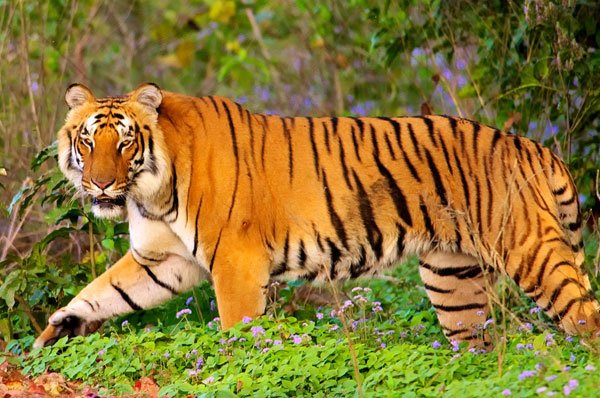
29th July International Tiger Day
6th August Hiroshima Day
9th August Quit India Day and Nagasaki Day
12th August International Youth Day
29th August National Sports Day
5th September Teachers’ Day (Dr. Radhakrishnan’s birthday)
8th September World Literacy Day
15th September Engineer’s Day in India
16th September World Ozone Day
27th September World Tourism Day
2nd October Mahatma Gandhi’s birthday, International Day of Non-violence
5th October World Teacher’s Day
11th October International Girl Child Day
16th October World Food Day
24th October UN Day
31st October Rastriya Ekta Diwas (in memory of Sardar Patel), National Integration Day (In memory of Indira Gandhi)
5th November World Radiography Day
29th November International Day of Solidarity with Palestinian People
1st December World Aids Day
2nd December World Computer literacy day, International Day of Abolition of slavery
3rd December International Day of People with disabilities
10th December Human Right Day
23rd December Kisan Divas (Farmer’s Day)
29th December International Bio-diversity day
For getting my personal guidance for PSC Miscellaneous Mains/ WBCS , pls call or whatsapp now- 6295350330
United Nations Conference on the Human Environment (Stockholm, 1972)
1992 Earth Summit in Rio de Janeiro
Ramsar Convention 1971 on wetland conservation and sustainable use
The Montreal Protocol, finalized in 1987, is a global agreement to protect the stratospheric ozone layer by phasing out the production and consumption of ozone-depleting substances (ODS). ODS are substances that were commonly used in products such as refrigerators, air conditioners, fire extinguishers, and aerosols
India currently has 91 Ramsar sites, making it the country with the highest number of Ramsar-designated wetlands in Asia and third highest globally.
In 1972, India enacted the Wildlife Protection Act
Project Tiger was launched in Jim Corbett National Park of Uttarakhand in 1973, and various tiger reserves were created in the country based on a ‘core-buffer’ strategy.
Project Elephant is a centrally sponsored scheme initiated by the Government of India in 1992 to safeguard the Indian elephant population and their habitats.
Under Project Cheetah, the Prime Minister of India released wild cheetahs in Kuno National Park in Madhya Pradesh. Cheetah became extinct from India in 1952
পশ্চিমবঙ্গের ভৌগোলিক এলাকার ১৪% বনভূমি , যা জাতীয় গড়ের ৩৩% এর চেয়ে কম।
জাতীয়উদ্যানএবংবন্যপ্রাণীঅভয়ারণ্য (WB)
বল্লভপুর বন্যপ্রাণী অভয়ারণ্য
বেথুয়াদহরি বন্যপ্রাণী অভয়ারণ্য
বিভূতিভূষণ বন্যপ্রাণী অভয়ারণ্য
বক্সা টাইগার রিজার্ভ
চাপরামারী বন্যপ্রাণী অভয়ারণ্য
চিলাপাতা বন
চিন্তামণি কর পাখি অভয়ারণ্য
গোরুমারা জাতীয় উদ্যান
হ্যালিডে দ্বীপ বন্যপ্রাণী অভয়ারণ্য
জলদাপাড়া জাতীয় উদ্যান
জোরে পোখরি বন্যপ্রাণী অভয়ারণ্য
লোথিয়ান দ্বীপ বন্যপ্রাণী অভয়ারণ্য
মহানন্দা বন্যপ্রাণী অভয়ারণ্য
নেওরা ভ্যালি জাতীয় উদ্যান
নরেন্দ্রপুর বন্যপ্রাণী অভয়ারণ্য
পাখি বিতান বন্যপ্রাণী অভয়ারণ্য
রায়গঞ্জ বন্যপ্রাণী অভয়ারণ্য
রামনবাগান বন্যপ্রাণী অভয়ারণ্য
রসিকবিল পাখি অভয়ারণ্য
সজনেখালি বন্যপ্রাণী অভয়ারণ্য
সেঞ্চল বন্যপ্রাণী অভয়ারণ্য
সিঙ্গালিলা জাতীয় উদ্যান
সুন্দরবন জাতীয় উদ্যান
ময়ূরঝর্ণা হাতি সংরক্ষণাগার
National Parks- Important facts
National Parks in India- 107
Oldest National Park- Jim Corbett NP (Uttarakhand)
Largest National Park- Hemis, Ladakh
Maximum NPs in India- Madhya Pradesh (11)
First NP in West Bengal- Sundarban (1984)
Latest National Park in WB- Jaldapara (1986)
Keibul Lamjao National Park, located in Manipur, is the only floating national park in the world, situated on Loktak Lake.
South Button Island National Park in the Andaman and Nicobar Islands is the smallest, with an area of just 5 square kilometers.
Satpura National Park in Madhya Pradesh is known for allowing walking safaris and camping within the park.
As of May 2024, India’s National Parks covers a total area of 44,378 sq km and account for about 1.35% of India’s total surface area.
The Sangai deer’ is found in Keibul Lamjao National Park (Manipur).
India’s first Golden Tiger was spotted in Kaziranga National Park.
Dachigam National Park (jammu and Kashmir) has been established for the conservation of the hangul or Kashmiri deer.
Punjab is the only Indian state which has no national park.
“National parks in West Bengal” (6)
Buxa Tiger Reserve
Gorumara
Jaldapara
Sundarban
Sigalila
Neora Valley
Difference Between Wildlife Sanctuary and National Park
Wildlife Sanctuary National Park
Human activities are allowed. No human activities are allowed.
Protects particular flora or fauna Wide range of flora and fauna
There are no fixed boundaries. Boundaries are fixed and defined.
It is open to the general public Not usually open to the public.
A sanctuary can be upgraded to a national park Cannot be downgraded to a sanctuary.
There are 18 biosphere reserves in India. They protect larger areas of natural habitat than a typical national park or animal sanctuary, and often include one or more national parks or reserves, along with buffer zones that are open to some economic uses. Protection is granted not only to the flora and fauna of the protected region, but also to the human communities who inhabit these regions, and their ways of life.
Sundarbans Biosphere Reserve-West Bengal
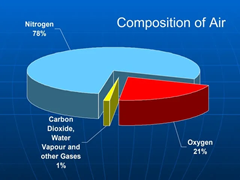
Air, the gaseous envelope surrounding Earth, is primarily composed of nitrogen and oxygen, with smaller amounts of other gases like argon, carbon dioxide, and trace amounts of other gases like helium and neon. Water vapor and dust particles are also present in varying amounts.
Here’s a breakdown of the major components:
Nitrogen (N₂): Approximately 78.09% of dry air.
Oxygen (O₂): Around 20.95% of dry air.
Argon (Ar): About 0.93% of dry air.
Carbon Dioxide (CO₂): A small but significant amount, around 0.04%.
Other Gases: Trace amounts of gases like helium, neon, krypton, and methane.
Water Vapor: The amount of water vapor in the air varies depending on location and weather conditions.
Dust Particles: Also present in varying amounts.
The five most abundant greenhouse gases in Earth’s atmosphere, listed in decreasing order of average global mole fraction, are water vapor, carbon dioxide, methane, nitrous oxide, ozone. Other greenhouse gases of concern include chlorofluorocarbons (CFCs and HCFCs), hydrofluorocarbons (HFCs), perfluorocarbons, SF6, and NF3. Water vapor causes about half of the greenhouse effect.
The Earth’s atmosphere is composed of five primary layers: the troposphere, stratosphere, mesosphere, thermosphere, and exosphere. These layers are defined by their temperature profiles and altitude ranges.
Here’s a breakdown of each layer:
1. Troposphere:
This is the lowest layer, extending from the Earth’s surface up to about 7 to 20 kilometers (4 to 12 miles) depending on the latitude. It’s where we live and where most weather occurs.
2. Stratosphere:
Located above the troposphere, the stratosphere extends from about 12 to 50 kilometers (7 to 31 miles). The ozone layer, which absorbs harmful UV radiation, is found within this layer. Unlike the troposphere, temperature increases with altitude in the stratosphere. The ozonosphere resides within the stratosphere, the second layer of Earth’s atmosphere, above the troposphere (where we live).
3. Mesosphere:
Situated above the stratosphere, the mesosphere extends from 50 to 85 kilometers (31 to 53 miles). It’s the coldest layer, with temperatures reaching as low as -90°C (-130°F) near the top. Most meteors burn up in the mesosphere.
4. Thermosphere:
This layer is above the mesosphere and extends from about 85 to 600 kilometers (53 to 372 miles). Temperatures in the thermosphere can be very high, but the air is so thin that it would feel cold to us. The aurora borealis and aurora australis occur in this layer.
5. Exosphere:
The outermost layer, the exosphere, extends from the top of the thermosphere to about 10,000 kilometers (6,200 miles). It gradually fades into interplanetary space. The air is extremely thin here, and particles can escape into space.
Major Environmental Movements in India
Bishnoi Movement
Year: 1700s
Place: Khejarli, Marwar region, Rajasthan state.
Leaders: Amrita Devi along with Bishnoi villagers in Khejarli and surrounding villages.
Aim: Save sacred trees from being cut down by the king’s soldiers for a new palace.
Chipko Movement
Year: 1973
Place: In Chamoli district and later in Tehri-Garhwal district of Uttarakhand.
Aim: The main objective was to protect the trees on the Himalayan slopes from the axes of contractors of the forest.
Silent Valley Movement
Year: 1978
Place: Silent Valley, an evergreen tropical forest in the Palakkad district of Kerala, India.
Leaders: The Kerala Sastra Sahitya Parishad (KSSP) an NGO, and the poet-activist Sughathakumari played an important role in the Silent Valley protests.
Aim: To protect the Silent Valley, the moist evergreen forest from being destroyed by a hydroelectric project.
Narmada Bachao Andholan (NBA)
Year: 1985
Place: Narmada River, which flows through the states of Gujarat, Madhya Pradesh and Maharashtra.
Leaders: Medha Patker, Baba Amte, Adivasis, farmers, environmentalists and human rights activists.
Aim: A social movement against several large dams being built across the Narmada River.
Tehri Dam Conflict
Year: 1990’s
Place: Bhagirathi River near Tehri in Uttarakhand.
Leaders: Sundarlal Bahuguna
Aim: The protest was against the displacement of town inhabitants and the environmental consequence of the weak ecosystem.
Here’s a list of common abbreviations related to environmental concepts, laws, and organizations:
EIA: Environmental Impact Assessment
EMP: Environmental Management Plan
EMS: Environmental Management System
BOD: Biochemical Oxygen Demand
COD: Chemical Oxygen Demand
DO: Dissolved Oxygen
GHG: Greenhouse Gas
EPA: Environment (Protection) Act, 1986
WPA: Wildlife Protection Act, 1972
FCA: Forest Conservation Act, 1980
WPA: Water (Prevention and Control of Pollution) Act, 1974
APA: Air (Prevention and Control of Pollution) Act, 1981
BD Act: Biological Diversity Act, 2002
CPCB: Central Pollution Control Board
SPCB: State Pollution Control Board
NGT: National Green Tribunal
UNEP: United Nations Environment Programme
WWF: World Wildlife Fund
IUCN: International Union for Conservation of Nature
IPCC: Intergovernmental Panel on Climate Change
SDG: Sustainable Development Goals
COP: Conference of the Parties (under the UNFCCC)
UNFCCC: United Nations Framework Convention on Climate Change
CSR: Corporate Social Responsibility
ODS: Ozone-Depleting Substances
HWM: Hazardous Waste Management
EPR: Extended Producer Responsibility
MSW: Municipal Solid Waste
RE: Renewable Energy
NRE: Non-Renewable Energy
EE: Energy Efficiency
CEA: Central Electricity Authority
1. মন্ট্রিয়ল প্রোটোকলের সঙ্গে জড়িত
[A] পারমাণবিক অস্ত্র
[B] ওজোন স্তরের ক্ষয়
[C] সমুদ্রের তলদেশ
[D] ল্যান্ডমাইন
Ans- b
2. মিনামাটা রোগের কারন হল –
[A] আর্সেনিক দূষণ
[B] পারদ দূষণ
[C] ক্যাডিয়াম দূষণ
[D] প্লাস্টিক দূষণ
Ans- B
3. জেনেটিক কোড আবিস্কারের জন্য কোন বিজ্ঞানী নোবেল পুরস্কার পেয়েছেন?
[A] প্রফুল্লচন্দ্র রায়
[B] হরগোবিন্দ খোরানা
[C] ডারউইন
[D] লফ্রেলোবেন
Ans- b
4. সালোকসংশ্লেষে অর্থাৎ খাদ্য তৈরিতে সক্ষম এমন প্রাণী হল –
[A] রাইবোজোম
[B] হাইড্রিলা
[C] ইউপ্লিনা
[D] অ্যাজোটোব্যাকটর
Ans-c
5. জলে ভাসমান আণুবীক্ষণিক উদ্ভিদগোষ্ঠীকে কী বলে?
[A] ফাইটোপ্লাংকটন
[B] বেনথস
[C] প্ল্যাংকটন
[D] জুপ্ল্যাংটন
Ans- A
6. লাল তথ্য পুস্তিকা বা ‘রেড ডাটা বুক’-এর তথ্যগুলি –
[A] লোহিত সাগরের প্রাণী সংক্রান্ত
[B] বিপন্ন প্রাণী সংক্রান্ত
[C] অপরাধজগৎ সংক্রান্ত
[D] বিপ্লবী তথ্য সংক্রান্ত
Ans- B
7. সিগারেটের ধোঁয়ায় অবস্থিত ক্যান্সার সৃষ্টিকারী উপাদানটি হল-
[A] কার্বন মনোক্সাইড
[B] বেঞ্জয়িক অ্যাসিড
[C] ক্লোরোবেঞ্জিন
[D] ডাই অক্সিজেন
Ans- C
8. পাখির দ্বারা বিস্তার লাভ করে সেই রোগের নাম-
[A] ভাইরাল
[B] মাইকোসিস
[C] অরনিথোসিস
[D] জুনটিক
Ans- C
9. ভারতের বৃহত্তম সরকারি তাপবিদ্যুৎ সংস্থা কোনটি?
[A] SAARC
[B] NTPC
[C] OPEC
[D] ONGC
Ans- B
10. 84. তামাক পাতায় উপস্থিত ক্ষতিকারক ধাতুর নাম –
[A] আয়রন
[B] মার্কারি
[C] ক্যাডমিয়াম
[D] আর্সেনিক
Ans- C
Important National Parks of India
Name State
Corbett National Park Uttarakhand
Kanha National Park Madhya Pradesh
Tadoba National Park Maharashtra
Madhav National Park Madhya Pradesh
Bandhavgarh National Park Madhya Pradesh
Kaziranga National Park Assam
Bandipur National Park Karnataka
Bannerghatta National Park Karnataka
Gir National Park Gujarat
Gugamal National Park Maharashtra
Pench National Park Madhya Pradesh
Blackbuck National Park Gujarat
Guindy National Park Tamil Nadu
Keibul-Lamjao National Park Manipur
Khangchendzonga National Park Sikkim
Dudhwa National Park Uttar Pradesh
Eravikulam National Park Kerala
Vansda National Park Gujarat
Van Vihar National Park Madhya Pradesh
Simlipal National Park Odisha
Ranthambore National Park Rajasthan
Gulf of Mannar Marine National Park Tamil Nadu
Dachigam National Park Jammu & Kashmir
Hemis National Park Jammu & Kashmir
Kishtwar National Park Jammu & Kashmir
Panna National Park Madhya Pradesh
Sanjay National Park Madhya Pradesh
Satpura National Park Madhya Pradesh
Keoladeo Ghana National Park Rajasthan
Indravati National Park Chhattisgarh
Kanger Valley National Park Chhattisgarh
Marine National Park Gujarat
Periyar National Park Kerala
Nanda Devi National Park Uttarakhand
Valley of Flowers National Park Uttarakhand
Mahatma Gandhi Marine National Park Andaman & Nicobar Islands
Namdapha National Park Arunachal Pradesh
Fossil National Park Madhya Pradesh
Sanjay Gandhi National Park Maharashtra
Rajaji National Park Uttarakhand
Silent Valley National Park Kerala
Sunderban National Park West Bengal
Balpakram National Park Meghalaya
Mouling National Park Arunachal Pradesh
Betla National Park Jharkhand
Nokrek Ridge National Park Meghalaya
Neora Valley National Park West Bengal
Singalila National Park West Bengal
Middle Button Island National Park Andaman & Nicobar Islands
Mount Harriet National Park Andaman & Nicobar Islands
North Button Island National Park Andaman & Nicobar Islands
Saddle Peak National Park Andaman & Nicobar Islands
South Button Island National Park Andaman & Nicobar Islands
Pin Valley National Park Himachal Pradesh
Kudremukh National Park Karnataka
Nagarahole (Rajiv Gandhi) National Park Karnataka
Bhitarkanika National Park Odisha
Sri Venkateswara National Park Andhra Pradesh
Valmiki National Park Bihar
Sultan National Park Haryana
Indira Gandhi (Annamalai) National Park Tamil Nadu
Gangotri National Park Uttarakhand
Manas National Park Assam
Mudumalai National Park Tamil Nadu
Govind National Park Uttarakhand
Murlen National Park Mizoram
Campbell Bay National Park Andaman & Nicobar Islands
Mollem National Park Goa
City Forest (Salim Ali) National Park Jammu & Kashmir
Phawngpui Blue Mountain National Park Mizoram
Desert National Park Rajasthan
Sariska National Park Rajasthan
Buxa National Park West Bengal
Gorumara National Park West Bengal
Intanki National Park Nagaland
Mahaveer Harina Vanasthali National Park Telangana
Rani Jhansi Marine National Park Andaman & Nicobar Islands
Nameri National Park Assam
Dibru-Saikhowa National Park Assam
Rajiv Gandhi Orang National Park Assam
Kalesar National Park Haryana
Anamudi Shola National Park Kerala
Chandoli National Park Maharashtra
Clouded Leopard National Park Tripura
Bison National Park Tripura
Jaldapara National Park West Bengal
For getting our guidance for PSC Miscellaneous Mains/ WBCS , pls call or whatsapp now- 6295350330