Major World Events of 2026

This year has been marked by major political upheavals, armed conflicts, cultural milestones, and memorable moments in sports. The following timeline highlights some of the notable developments of 2026.

January

  • January 1: Zohran Mamdani, a self-described democratic socialist, is sworn in as mayor of New York City.
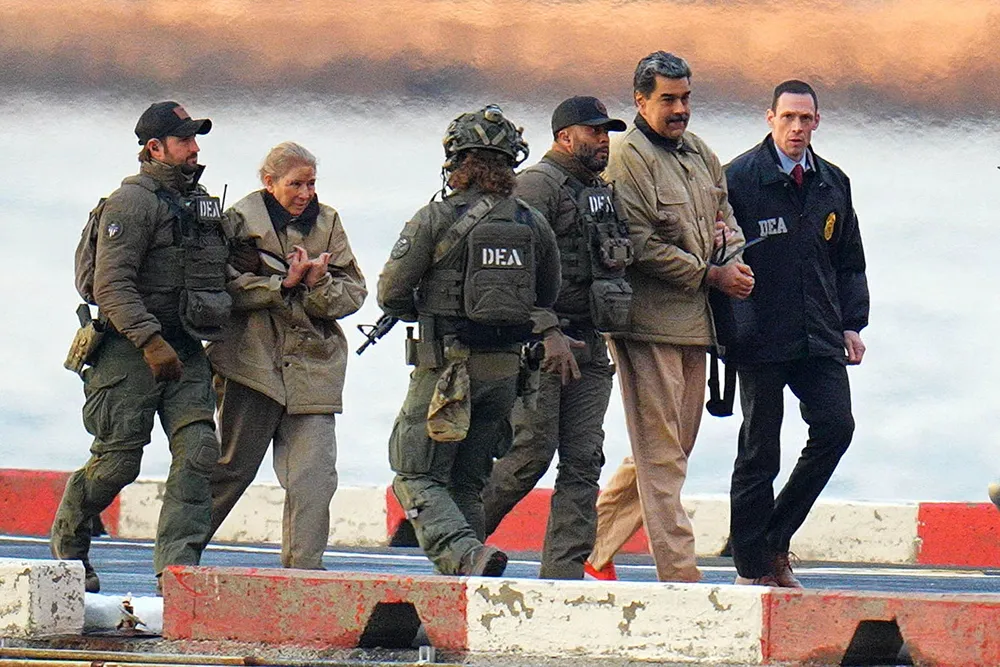
  • January 3: The U.S. military captures Venezuelan Pres. Nicolás Maduro and his wife, Cilia Flores, during a large-scale attack on the South American country. The couple is swiftly flown to the United States, where Maduro is charged with various crimes, including narco-terrorism and cocaine trafficking.
  • January 5: Two days after being captured in Venezuela, Pres. Nicolás Maduro and his wife, Cilia Flores, were escorted by federal agents to a courthouse in New York City.
  • January 8: Iranian forces launch a crackdown on nationwide protests amid an economic crisis. It marks the deadliest incident of repression since the Islamic Republic took power in 1979, with death tolls ranging from 12,000 to 30,000.
  • January 19: The Indiana Hoosiers defeat the Miami Hurricanes, 27–21, in the College Football Playoff championship game to win the first national title in the program’s history.
  • January 24: American nurse Alex Jeffrey Pretti is fatally shot by federal officials in Minneapolis, Minnesota. His death comes amid growing unrest over U.S. Immigration and Customs Enforcement (ICE) deployments in the state—and only weeks after fellow citizen Renee Nicole Macklin Good was fatally shot by an ICE agent.
  • January 30: The U.S. Department of Justice releases more than three million pages that are part of the Epstein files.

February

  • February 1: Kendrick Lamar becomes the hip-hop artist with the most Grammys after winning 5 awards, bringing his total to 27.
  • February 6–22: The Winter Olympics take place in Milan (Milano) and Cortina d’Ampezzo, Italy. Norway claims a record-setting 41 medals, led by cross-country skier Johannes Høsflot Klæbo, who wins the most gold medals at a single Winter Olympics: six.
  • February 8: The Seattle Seahawks defeat the New England Patriots, 29–13, to win the team’s second Super Bowl title. Bad Bunny makes history at the game’s half time show, marking the first time the event’s headlining performance is presented primarily in Spanish.
  • February 28: The United States and Israel launch an attack on Iran, which retaliates with its own strikes. The first weeks of the conflict leave thousands dead—including Iran’s Supreme Leader Ali Khamenei—and millions displaced, while also upending the world economy.

March

  • March 3: Plume of smoke rising from the Iranian capital, Tehran, from U.S.-Israeli strikes on March 3, 2026.
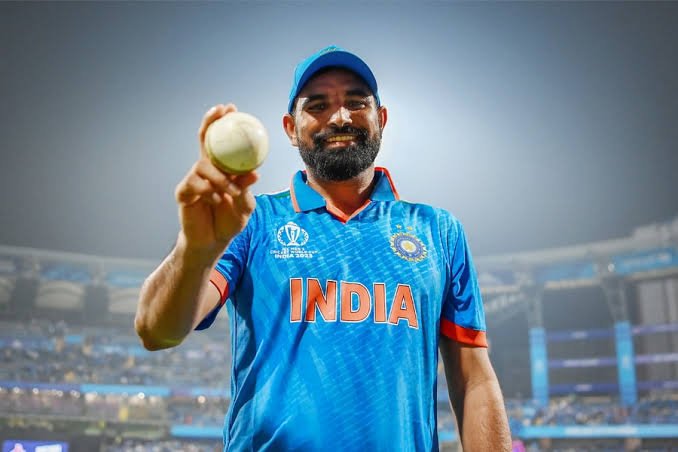
  • March 8: India defeats New Zealand to win its third Men’s T20 World Cup.
  • March 15: At the Academy Awards ceremony, Paul Thomas Anderson’s One Battle After Another wins six Oscars, including best picture. Sinners, which had a record-setting 16 nominations, garners four awards; notably, writer and director Ryan Coogler wins for best original screenplay, and Michael B. Jordan is named best actor.
  • March 25: Sarah Mullally is formally installed as the archbishop of Canterbury, becoming the first woman to hold the post.

April

  • April 1: Artemis II—the first flight of astronauts to the Moon since 1972—is launched. The crew sets a new record for humans journeying the farthest from Earth, reaching a distance of 252,756 miles (406,771 km), before returning to Earth on April 10.
  • April 6: Michigan defeats UConn, 69–63, to win the NCAA men’s basketball championship, one day after UCLA defeated South Carolina, 79–51, in the women’s tournament.
  • April 8: American architect Rex Heuermann pleads guilty to murdering seven women and admits to killing an eighth woman; in June he is sentenced to life in prison without the possibility of parole. The Gilgo Beach serial killings, as they are known, began in the early 1990s and continued through about 2010.
  • April 9–29: India holds elections in four states and a union territory. Votes are counted on May 4 with dramatic results as governments change in three states: The Bharatiya Janata Party unseats Mamata Banerjee’s Trinamool Congress in West Bengal, actor Vijay makes a blockbuster political debut in Tamil Nadu, and Kerala votes out a communist-led coalition.
  • April 12: Hungarian Pres. Viktor Orbán is defeated in the country’s general elections amid allegations of corruption and growing frustration with his right-wing populist government. Péter Magyar succeeds him on May 9.
  • April 24: Michael, a film about pop star Michael Jackson’s early career, is released in the United States, and it becomes the second highest-grossing music biopic in the world, grossing more than $600 million globally.

May

  • May 1: The United Arab Emirates withdraws from OPEC, a multinational organization that was established to coordinate the petroleum policies of its members, among other aims.
  • May 2: Golden Tempo wins the Kentucky Derby, marking the first time that a horse trained by a woman (Cherie DeVaux) places first in the race.
  • May 6: Ted Turner, an American broadcasting entrepreneur who founded a number of TV channels, notably CNN, dies at age 87.
  • May 17: The WHO declares a public health emergency amid a growing Ebola outbreak in the Democratic Republic of the Congo and Uganda.
  • May 21: Health workers wearing protective equipment disinfect an isolation ward inside the General Referral Hospital during the Ebola outbreak response on May 21, 2026, in Mongbwalu, Democratic Republic of Congo.
  • May 24: In the closest finish in the race’s history, Sweden’s Felix Rosenqvist wins the Indianapolis 500, edging out David Malukas (U.S.) by 0.0233 seconds.
  • May 25: Pope Leo XIV releases his first encyclical, Magnifica humanitas (Latin: “Magnificent Humanity”). The 42,300-word document warns about the risks of AI and its potential to negatively impact humanity, especially workers.

June

  • June 1: The 100th anniversary of Marilyn Monroe’s birth is celebrated.
  • June 10: Pope Leo XIV blesses the Sagrada Família’s tower of Jesus during festivities that also commemorate the 100th anniversary of the death of Antoni Gaudí, the architect who designed the Barcelona basilica.
  • June 12: SpaceX makes history with its IPO, raising a record $75 billion. The company is valued at $1.77 trillion, and CEO Elon Musk becomes the world’s first trillionaire.
  • June 13: The New York Knicks defeat the San Antonio Spurs in five games to win the franchise’s third NBA championship; Jalen Brunson is named MVP of the finals.
  • June 14: The Carolina Hurricanes win the Stanley Cup, defeating the Vegas Golden Knights in six games.
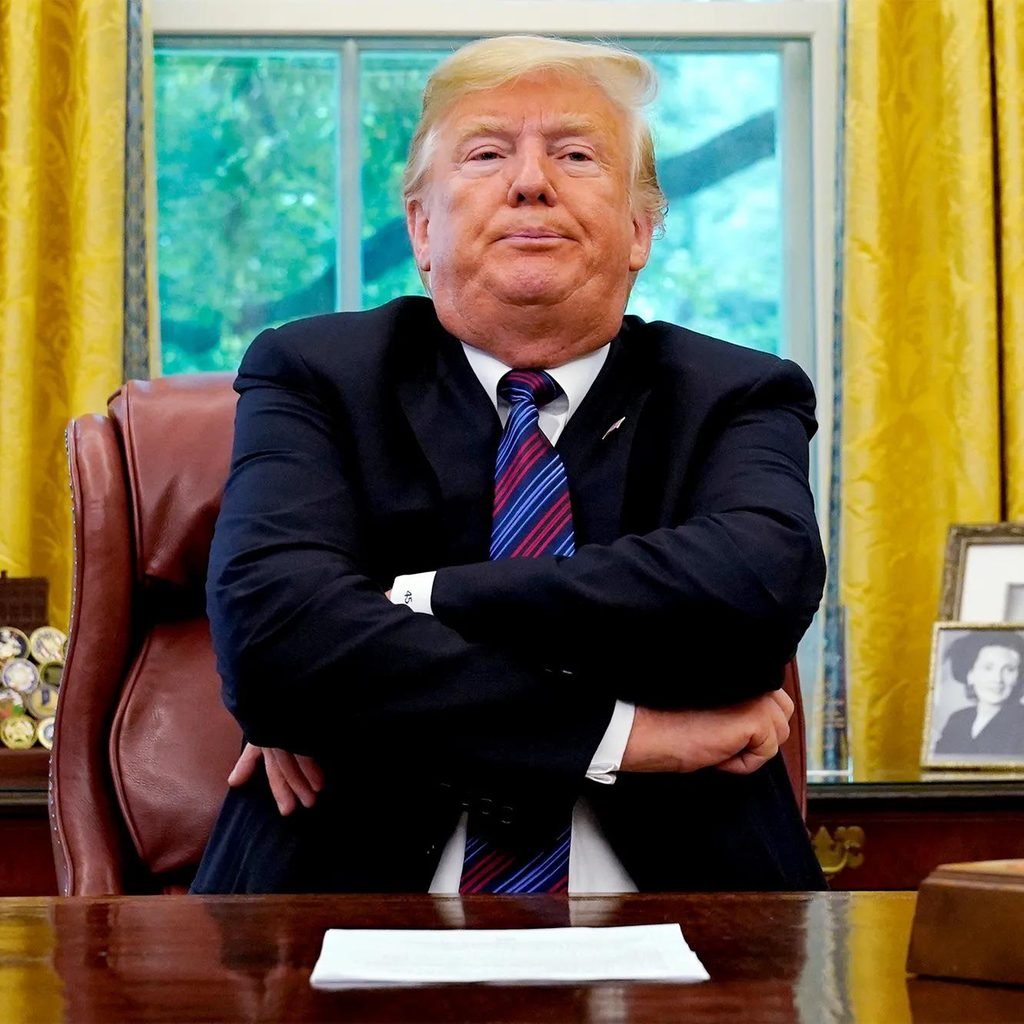
  • June 14: UFC Freedom 250 is held on the South Lawn of the White House. In attendance at the invitation-only event is Pres. Donald Trump, whose 80th birthday is also that day.
  • June 19: The Obama Presidential Center opens to the public in Chicago. The sprawling complex centers on a museum dedicated to the 44th U.S. Pres. Barack Obama.
  • June 24: A pair of earthquakes with moment magnitudes of 7.2 and 7.5 strike northwestern Venezuela, causing widespread damage and numerous fatalities. While some 1,430 are confirmed dead, thousands more are missing.
  • June 25: Building collapses caused by the powerful earthquakes that struck Venezuela on June 24, 2026, trapping survivors in rubble in the city of Catia La Mar.

July

  • July 3: Pop sensation Taylor Swift and football star Travis Kelce are married at Madison Square Garden in New York City; some 1,000 people attend the event, and thousands of fans gather outside.
  • July 4: The United States celebrates its 250th anniversary on the semiquincentennial of the adoption of the Declaration of Independence. As part of the festivities, a time capsule is buried at Philadelphia’s Independence National Historic Park; it contains materials from all three branches of the federal government, the U.S. states and territories, and national partner organizations.
  • July 5: Australia defeats England to win the Women’s T20 World Cup. It is the seventh time the country has won the event.
  • July 12: Italy’s Jannik Sinner defends his singles title at Wimbledon, defeating Alexander Zverev (Germany) in four sets. The previous day Linda Mosková of the Czech Republic had bested fellow countrywoman Karolína Muchová to win her first Grand Slam title.
  • July 17: Christopher Nolan’s highly anticipated The Odyssey is released in theaters in the United States. The film, which is based on Homer’s epic poem of the same name, stars Matt Damon, Tom Holland, Zendaya, Robert Pattinson, and Anne Hathaway.
  • July 19: Spain defeats Argentina in extra time, 1–0, to win the 2026 FIFA World Cup. The previous day England finished third after besting France, 6–4.
  • July 20: Several days after being elected leader of the Labour Party, Andy Burnham becomes prime minister of the United Kingdom, replacing Keir Starmer.
  • July 26: Tadej Pogačar of Slovenia wins the Tour de France for a record-tying fifth time.

August

  • August 12: A total solar eclipse passes over Greenland, Iceland, Portugal, and northern Spain.
  • August 26: The collapse of a glacier triggers flash flooding in Nepal and Tibet, causing widespread devastation and killing hundreds.
  • August 28: Haakon VIII becomes king of Norway following the death of his father, Harald V; Mette-Marit becomes queen.
  • August 31: Duane “Keffe D” Davis is found guilty of first-degree murder for orchestrating the 1996 killing of Tupac Shakur; Davis is the uncle of Orlando Anderson, the longtime suspected shooter, who died in 1998.

September

  • September 11: The 25th anniversary of the 9/11 attacks is marked with ceremonies in the United States.
  • September 12: Elena Rybakina of Kazakhstan defeats Aryna Sabalenka (Belarus) to win the women’s singles event at the U.S. Open. The next day Alexander Zverev of Germany wins the men’s singles title after besting Ben Shelton (U.S.).
  • September 14: Widow’s Bay is the big winner at the Emmy Awards ceremony, winning 14 statuettes, including best comedy and best lead actor (Matthew Rhys); The Pitt wins best drama, and Jean Smart and Allison Janney tie the record for most acting Emmys.

October

  • October 5–12: The Nobel Prizes are announced. Notable winners include Anne Carson (literature) and Navi Pillay (peace).
  • October 25: The runoff in Brazil’s presidential election takes place, and incumbent Pres. Luiz Inácio Lula da Silva defeats Flávio Bolsonaro.
  • October 26: British footballer Harry Kane wins his first Ballon d’Or, and Spanish midfielder Alexia Putellas claims her third Ballon d’Or Féminin.
  • October 27: Israel holds legislative elections to determine the makeup of the Knesset and the next prime minister; early results indicate that neither the bloc led by incumbent Prime Minister Benjamin Netanyahu nor that led by Gadi Eisenkot has secured a majority, meaning that both will need additional support to form a government.
  • October 28: The Milwaukee Brewers defeat the Tampa Bay Rays in five games to win the franchise’s first World Series title.
  • October 31: The Golden State Valkyries win their first WNBA championship, defeating the Atlanta Dream in a thrilling seven-game series.

November

  • November 3: The U.S. midterms are held, and the Democrats rout the Republicans, seizing control of the Senate and House of Representatives. The results include a number of historic firsts: Keisha Lance Bottoms (Georgia) is elected the country’s first African American governor; Deb Haaland (New Mexico), its first Native American governor; and Abdul El-Sayed (Michigan), its first Muslim senator.
  • November 11: The iconic U.S. highway Route 66 will celebrate the 100th anniversary of its opening.
Upcoming Events

  • November 11: The iconic U.S. highway Route 66 will celebrate the 100th anniversary of its opening.
2026 US Midterm Elections Report

Democrats achieved a historic “blue wave” in the 2026 midterm elections, seizing control of both the U.S. House of Representatives and the Senate. This marks a sweeping repudiation of President Donald Trump and the Republican Party midway through Trump’s second term. It is the first time since 2006 that both chambers flipped in a midterm.

Senate Results

Democrats secured at least 54 seats to Republicans’ 44, with a net gain of +7. Two races (Alaska and Mississippi) remained too close to call as of November 5, potentially allowing further Democratic gains (up to 56–44).

Democrats needed a net gain of four seats for a majority (accounting for the vice-presidential tie-breaker). They exceeded this by flipping Republican-held or open seats in deep-red or Republican-leaning states:

  • Texas: James Talarico defeated Ken Paxton (first Democratic senator from Texas since 1993/1988).
  • Kansas: Adam Hamilton (first Democrat since 1932).
  • South Carolina: Annie Andrews defeated Darline Graham (sister of the late Lindsey Graham).
  • Ohio: Sherrod Brown defeated Jon Husted.
  • Iowa: Josh Turek defeated Ashley Hinson.
  • Maine: Troy Jackson defeated longtime incumbent Susan Collins.
  • North Carolina: Roy Cooper won an open seat.

Democrats also held competitive seats (e.g., Jon Ossoff in Georgia, Abdul El-Sayed in Michigan).

House Results

Democrats won control of the House with strong margins. As of early November 5 (Economist data), Democrats held 235 seats to Republicans’ 146 (381 of 435 called), a gain of roughly +30. Other outlets reported Democrats at 228–240+ with dozens of races still counting; some projections pointed to a final Democratic range of 251–268.

This represents the largest popular-vote margin for the House since 1976 in some reporting. Democrats flipped numerous districts, including those Trump carried by double digits (even 15–20+ points) in 2024, and performed strongly in suburban and rural areas. Republicans lost ground in ~99% of counties with substantial vote counts.

Governors and State Races

Democrats made major gains among governorships (36 states held races). Notable flips included:

  • Texas: Gina Hinojosa defeated three-term Republican Greg Abbott (first Latina governor and first Democratic governor since 1994).
  • Gains or holds in Iowa, Ohio, Georgia (Keisha Lance Bottoms — first Black woman elected governor of a U.S. state), and others.

Democrats also flipped multiple state legislative chambers (estimates of up to a dozen), ending long Republican majorities in places like Texas (House), Wisconsin, and North Carolina. Republicans failed to flip any Democratic-held congressional seats, governorships, or major state legislative chambers in early tallies.

Voter Turnout and Historic Firsts

Turnout was high for a midterm: roughly 122.7 million ballots counted (~48.8% of eligible voters), the second-highest midterm turnout in over a century (behind 2018). Early voting was substantial.

Notable firsts:

  • Abdul El-Sayed (Michigan) — first Muslim elected to the U.S. Senate.
  • Chris Pappas (New Hampshire) — first openly gay man elected to the Senate.
  • Keisha Lance Bottoms (Georgia) — first Black woman elected governor.
  • Gina Hinojosa (Texas) — first Latina governor of Texas.
  • Potential for Hakeem Jeffries to become the first Black Speaker of the House.

Key Drivers of the Democratic Wave

Voters delivered a clear rebuke of the Trump administration, driven primarily by economic discontent:

  • Cost of living and inflation: High prices (especially fuel/diesel, up sharply) and broader affordability concerns were decisive for a large majority of voters. Exit polls showed ~88% citing the cost of living as important or decisive, and three-quarters viewing the economy negatively.
  • U.S.-Iran war: The conflict (ongoing since roughly February 2026) disrupted energy supplies, raised gas/diesel prices (diesel reportedly up ~65% in some periods), increased household costs (hundreds of dollars per household in affected areas), and contributed to inflation and higher mortgage rates. Polls showed majority opposition to the war’s costs; it was widely linked to voter anger. Trump and some Republicans later acknowledged its role in the losses.
  • Other factors included general dissatisfaction with the direction of the country, Trump’s approval ratings, and rejection of some Trump-backed candidates in red states.

The wave reached deep into traditionally Republican territory across the South and Midwest.

Implications

  • For the remainder of Trump’s presidency: Democrats control both chambers of Congress. This enables investigations, oversight, and resistance to the administration’s agenda (including potential challenges to the Iran policy, spending, and nominations). Significant gridlock is likely; Trump has indicated he will veto Democratic priorities.
  • Political landscape: Strengthens Democrats heading into 2028. Sets up Hakeem Jeffries as a likely Speaker and elevates new Democratic figures (e.g., Talarico, El-Sayed).
  • Broader effects: Possible pressure on foreign policy (Iran, energy markets, Ukraine aid, tariffs). Some international observers noted reduced likelihood of escalation in the Iran conflict due to domestic constraints.

India’s River Systems

The Himalayan River Systems (Perennial Basins)

1. The Indus River System

  • Origin & Course: Originates from the Bokhar Chu glacier (Tibetan plateau near Mansarovar Lake) at an elevation of 4,164m, flowing north-west between Zaskar and Ladakh ranges, entering Pakistan near Chillar in Dardistan.
  • Left-Bank Tributaries: Zaskar, Suru, Kishanganga, Jhelum, Chenab, Ravi, Beas, Sutlej, and Panjnad.
  • Right-Bank Tributaries: Shyok, Gilgit, Hunza, Swat, Kurram, and Gomal.
  • The Five Punjab Rivers: Jhelum (originates from Verinag spring, flows through Wular Lake); Chenab (largest tributary, formed by Chandra and Bhaga streams in Lahaul-Spiti); Ravi (originates near Rohtang Pass); Beas (originates near Beas Kund, entirely within Indian territory); Sutlej (originates from Rakshastal Lake near Mansarovar, cuts through Shipki La pass).
  • Indus Waters Treaty (1960): Brokered by World Bank; Western rivers (Indus, Jhelum, Chenab) allocated primarily to Pakistan with non-consumptive use rights for India; Eastern rivers (Ravi, Beas, Sutlej) allocated fully to India.

2. The Ganga River System

  • Origin & Upper Course: Originates as Bhagirathi from Gangotri Glacier (Gaumukh, 3,900m). At Devprayag, Bhagirathi meets Alaknanda to form the official Ganga.
  • Panch Prayag Sequence: Vishnuprayag (Dhauliganga + Alaknanda), Nandaprayag (Nandakini + Alaknanda), Karnaprayag (Pindar + Alaknanda), Rudraprayag (Mandakini + Alaknanda), and Devprayag (Bhagirathi + Alaknanda).
  • Left-Bank Tributaries: Ramganga, Gomti (only major groundwater-fed plain tributary), Ghaghara (largest tributary by volume), Gandak, Kosi (notorious for shifting courses, known as ‘Sorrow of Bihar’), and Mahananda.
  • Right-Bank Tributaries: Yamuna (longest tributary, originating at Yamunotri glacier, meeting Ganga at Prayagraj Triveni Sangam; joined by Chambal, Betwa, Ken) and Son (originates at Amarkantak plateau).
  • Delta & Estuary: Farakka Barrage divides the flow into Padma (entering Bangladesh) and Bhagirathi-Hooghly (flowing through West Bengal to the Bay of Bengal).

3. The Brahmaputra River System

  • Origin & Tibetan Stretch: Originates from Chemaungdung glacier near Mansarovar Lake, known in Tibet as Yarlung Tsangpo, flowing eastwards parallel to the Himalayas across the arid Tibetan plateau.
  • Entry into India: Takes a sharp hairpin U-turn around Namcha Barwa (7,756m) and enters Arunachal Pradesh as the Siang or Dihang through the deep Dihang Gorge.
  • Assam Valley Course: Joined by major left-bank tributaries (Dibang, Lohit, Burhi Dihang, Dhansiri) and right-bank tributaries (Subansiri, Kameng, Manas, Sankosh, Teesta). Near Sadiya, it is joined by Lohit and Dibang to form the massive Brahmaputra.
  • Geographical Significance: Forms Majuli, the world’s largest inhabited riverine island, and suffers from severe annual bank erosion and catastrophic flooding due to high sediment load and heavy monsoon rains.

The Peninsular River Systems (Seasonal Basins)

1. East-Flowing Rivers (Drain into Bay of Bengal)

  • Mahanadi Basin: Originates in Sihawa hills of Chhattisgarh, flows through Odisha, forms the Hirakud Dam (longest earthen dam), and discharges into the Bay of Bengal via a massive delta near Cuttack.
  • Godavari Basin: Known as ‘Dakshin Ganga’ or ‘Vriddha Ganga’; longest river in Peninsular India (1,465 km); originates at Trimbakeshwar (Nashik, Maharashtra); major tributaries include Pravara, Indravati, Pranhita, Manjira, and Sabari.
  • Krishna Basin: Second-longest east-flowing peninsular river (1,400 km); originates near Mahabaleshwar in the Western Ghats; major tributaries include Koyna, Tungabhadra, Bhima, Musi, and Ghatprabha; hosts Nagarjuna Sagar Dam.
  • Cauvery Basin: Originates at Talakaveri in the Brahmagiri hills of Karnataka; sacred river with extensive delta agriculture in Tamil Nadu; major tributaries include Hemavati, Kabini, Amravati, and Bhavani; center of long-standing interstate water disputes.

2. West-Flowing Rivers (Drain into Arabian Sea)

  • Narmada Basin: Flows westward through a deep tectonic rift valley between the Vindhya Range (north) and Satpura Range (south); originates at Amarkantak plateau; forms the spectacular Dhuandhar Falls near Jabalpur and a wide estuary at Bharuch; site of Sardar Sarovar Dam.
  • Tapti (Tapi) Basin: Originates in Multai (Betul district, Madhya Pradesh); runs parallel to Narmada through a rift valley south of Satpura; drains into the Gulf of Khambhat near Surat.
  • Other Notable West-Flowing Rivers: Sabarmati, Mahi, Luni (inland drainage in Thar desert ending in Rann of Kutch), and numerous short swift streams of the Western Ghats (Sharavati forming Jog Falls, Mandovi, Zuari in Goa, and Periyar in Kerala).

River Systems of West Bengal

West Bengal exhibits an extraordinarily complex hydrographic architecture. The state’s rivers are distinctly bifurcated into the glacier and monsoon-fed turbulent torrents of North Bengal, and the rain-fed plateau streams of the Rarh region in South Bengal, culminating in the intricate tidal estuarine network of the Sundarbans delta.

1. North Bengal Sub-Himalayan River Systems

  • Teesta River: The principal river of North Bengal; originates from the Pauhunri glacier in Sikkim; flows rapidly through narrow gorges in Kalimpong and Darjeeling hills before entering the plains at Sevoke (Coronation Bridge); traverses Jalpaiguri and Cooch Behar before emptying into the Brahmaputra in Bangladesh.
  • Torsa River: Originates in the Chumbi Valley of Tibet, passes through Hasimara and Cooch Behar, characterized by swift gravel-bed flows and shifting channels.
  • Jaldhaka & Raidak: Originating from the Bhutan Himalayas, these rivers drain the Dooars tea garden region and are notorious for sudden flash floods during heavy monsoon spells.
  • Mahananda River: Originates in the Mahaldiram hills of Darjeeling district; flows through Siliguri corridor, Uttar Dinajpur, and Malda before merging with the Ganga in Bangladesh; acts as the transitional boundary between Himalayan foothill and Gangetic plain drainage.

2. South Bengal & Rarh Plateau River Systems

  • Damodar River: Historically known as the ‘Sorrow of Bengal’ due to devastating recurrent floods caused by torrential monsoon runoffs from the Chotanagpur Plateau; currently tamed by the Damodar Valley Corporation (DVC) multi-purpose dam system (Tilaiya, Maithon, Panchet reservoirs); joins the Hooghly River south of Kolkata.
  • Mayurakshi River: Originates on the Chotanagpur plateau, flows through Birbhum and Murshidabad districts; regulated by the Massanjore Dam (Canada Dam), providing vital irrigation to agrarian tracts.
  • Ajay River: Originates in Jharkhand, flows past Santiniketan (Bolpur) in Birbhum before merging with the Bhagirathi at Katwa.
  • Kangsabati & Rupnarayan: Formed by plateau streams uniting in Bankura and Paschim Medinipur, ultimately draining into the Hooghly estuary near Geonkhali.

3. The Hooghly Estuary & Sundarbans Deltaic Network

  • Bhagirathi-Hooghly Distributary: The primary western branch of the Ganga separated by the Farakka Barrage; flows past Nadia, Hooghly, Howrah, Kolkata, and Haldia before discharging into the Bay of Bengal.
  • Tidal Estuaries of the Sundarbans: Unlike northern perennial streams, rivers in the southern delta (such as Matla, Saptamukhi, Raimangal, Gosaba, and Ichamati) are entirely tidal and saline, heavily influenced by diurnal oceanic tides and supporting the world’s largest mangrove ecosystem.

Some interesting facts

  • Longest River in India: Ganga (2,525 km).
  • Longest Peninsular River: Godavari (1,465 km).
  • Largest River Basin by Catchment Area: Ganga Basin (~26% of India’s total geographical area).
  • Rivers Flowing in Rift Valleys: Narmada and Tapti (flowing west into Arabian Sea).
  • World’s Largest Riverine Island: Majuli, situated on the Brahmaputra River in Assam.
  • Highest Dam in India: Tehri Dam (built on Bhagirathi River in Uttarakhand).
  • Longest Dam in India: Hirakud Dam (built on Mahanadi River in Odisha).
  • River Known as Sorrow of Bihar: Kosi River.
  • River Known as Sorrow of Bengal: Damodar River.
  • Farakka Barrage Purpose: To divert adequate headwater flow into the Bhagirathi-Hooghly river to flush silt and maintain navigability of Kolkata Port.
  • Godavari is also known as Dakshin Ganga.
  • Chambal is probably the cleanest river in India. People do not bathe in Chambal because of a story that says that anybody who touches the waters of Chambal gets cursed.
  • Thamirabarani is the only perennial river in South India.
  • Longest bridge in India is Bhupen Hazarika Bridge. It is built on Lohit river, a tributary of Brahmaputra. This bridge is also known as Dhola-Sadia bridge and it is 9,150 meters long. The bridge was inaugurated on 26 May 2017.
  • Triveni Sangam is the place where three holy rivers, Ganga, Yamuna and Saraswati, meet. It is located in Prayag Raj, also known as the Sangam City.
  • Tehri Dam on Bhagirathi river is the biggest, highest and tallest dam in India and also the eighth highest dam in the world, located at Uttarakhand.
  • The Ganga and the Brahmaputra together form the largest delta in the world – the Sunderban Delta.
  • The highest waterfall in India – Jog Falls is formed when Sharavathi river flows from a height of 829 ft.
  • Most of the rivers in India flow from West to East direction to empty in the Bay of Bengal.
  • Only a few like Narmada, Tapti and Sabarmati rivers flow from East to West direction.
  • Two major rivers flowing in Rajasthan – Luni and Banas have inland water drainage, i.e., they do not empty into the ocean, but get lost in the sand.
  • Yamuna is the most polluted river in India.
  • Indus, Jhelum, Ravi and, Satluj are the rivers that originate in India and flow into Pakistan.
  • Brahmaputra river is known as Yarlung Tsangpo in China, Dihangin Arunachal Pradesh and Jamunain Bangladesh.
  • Brahmaputra is the ninth largest river in the world by discharge, and the 15th longest.
  • Mahanadi used to be known as the distress of Odisha because it caused a lot of floods in the state. The situation has been brought under control by building Hirakud Dam on Mahanadi.
  • Majuli is the a river island in Brahmaputra in the state of Assam. Majuli is the world’s largest river island.
  • Majuli island is the first island districts in India. It was declared a district in 2016.
  • Yamuna is the longest tributary in India.
  • Godavari is the longest river in the Southern India.

Adhyayan Academy has just started a fresh WBCS Course titled Rishi Bankim Chandra WBCS Batch 2026. For admission in the batch, call or whatsapp @6295350330

Magical Transformation of Kohli

Throughout the major part of his career, Virat Kohli constructed his One Day International dominance on an relentless engine of Throughout the vast majority of his career, Virat Kohli constructed his One Day International dominance on an relentless engine of physical endurance. Historically, he stood as the supreme outlier in world cricket, being the only modern elite batter to score over 56% of his total ODI runs through running between the wickets. His standard blueprint relied on low-risk strokeplay, manipulating gaps, and placing immense physical pressure on fielders with fast singles and frantic twos before executing a late acceleration. Over the past year, however, Kohli has undergone a profound tactical recalibration. Recognizing the natural physical limits that come with veteran age, he has systematically shifted his reliance away from pure running and toward early boundary intent and higher aerial clearing.

The statistical evidence highlighting this transition is unmistakable. In earlier career phases, Kohli’s boundary percentage hovered around 44%, forcing him to absorb massive physical loads across a 50-over match. In the past 12 months, his boundary-to-run ratio has completely flipped, with over 55% to 60% of his total runs now coming directly through fours and sixes. Rather than using his traditional entry phase of 20 to 30 balls to settle in purely through singles, his immediate strike rate upon reaching the crease has surged well past 100. Furthermore, his six-hitting frequency—once an secondary tool reserved strictly for the final ten overs—has spiked significantly, as he now comfortably steps out to hit seamers over the infield or lofts spinners straight down the ground during overs 11 through 35.

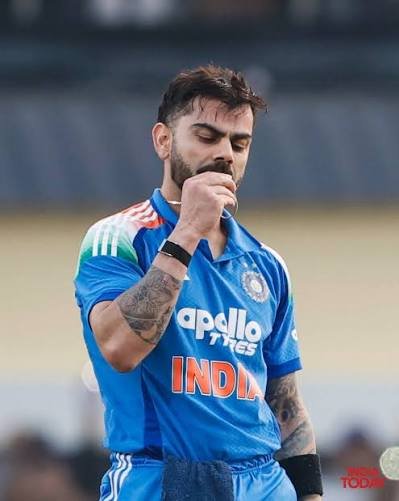
Today’s masterclass performance served as a textbook demonstration of this modern evolution. Instead of burning out his metabolic reserves in hot conditions by converting tight pushes into hard doubles, Kohli dictated the tempo using pure timing and elevation. A substantial portion of his innings was constructed through early boundaries against the pace attack, setting a high scoring foundation without demanding peak sprinting output. When reaching key milestones, he didn’t look for a safe push into the ring; he stepped down the track to loft the ball cleanly over the long-on boundary. This allowed him to maintain a rapid strike rate while letting the leverage of his swing do the work that his legs previously carried.

This self-aware transformation highlights the genius of an aging champion who understands how to alter his methodology to remain elite. Rather than allowing physical changes to diminish his output, Kohli has adapted his technique—modifying his crease alignment, shuffling earlier to reset bowler lengths, and leveraging wrist work and weight transfer to clear the ropes. By converting himself from the ultimate running accumulator into a high-efficiency boundary machine, he preserves critical energy reserves for fielding and long innings while simultaneously elevating his impact on the modern game.

Shami- the victim of a blind selection policy

By Saptarshi Nag

Shami fans, are you all getting ready to bid adieu to the most successful of the Indian bowlers in the ICC World Cup? The gloomy picture of selection till date portrays a sordid story of sheer injustice metted out to one of the finest bowlers of our generation. Even after repeating splendid performances in the domestic circuit, Shami was being sidelined under the whims of the selection committee headed by and now the former Chairman (Ousted?) Mr. Agarkar. There is not an iota of hint that the management is taking stock of his availability or his performances in the domestic circuit so that we get a shimmer of hope that he may be called back where he belongs.

There is a quiet, simmering frustration that clouds Indian cricket every time a squad is announced without Mohammed Shami’s name there. What began as a routine effort to rotate fast bowlers has hardened into a baffling, stubborn insistence from the selection committee to look past him. Initially , after a splendid performance in the WC 2023, injury was cited as the cardinal reason for him being sidelined . The timeline gradually revealed a different story. Watching one of the most gifted seamers of his generation grind through domestic cricket, relentlessly taking wickets for Bengal with that same flawless, upright seam, only to be met with total silence from decision-makers feels like a self-inflicted tragedy. Is this tragedy going to hurt India in the World Cup scheduled within a year from now. With the mystery around Rohit resolved after BCCI’s intervention in Ajit Agarkar’s sinister plans, will there be a further push for the curious case of Shami?

This dogmatic refusal to bring him back actively undermines the team’s big-stage stability and lethal edge especially in the high pressure matches. A bowling attack, no matter how promising, cannot simply fabricate the unyielding authority, experience, and match-winning aura Shami commands on the field. His records in the ODI World Cup stand as a monument to his genius—55 wickets in just 18 matches, an unheard-of bowling average of 13.52, a strike rate under 20 balls per wicket, four five-wicket hauls, and best figures of 7 for 57 in a high-stakes semi-final. These are not just distant milestones, rather these are evidences of a legendary tournament temperament that no substitute can replicate. Do you really believe that the likes of Prasidh Krishna or so much talked about Harshit can fill in his shoes? Forget it, those are too big to fill in. The partisan outlook in selection while keeping a national asset aside hurts the national sentiment and it is high time that the cricket lovers are equivocal in bringing back our man who can be the right

With the next World Cup approaching, India’s stubbornness in ignoring a proven big-match winner threatens to leave the squad vulnerable when the pressure peaks. On Sunday we are facing an already depleted side wounded by the natural selection process in the ICC World Cup 2027 by virtue of ICC ranking. Quite likely, Prasidh is going to pick up several wickets against a minnow. Is that the benchmark to select him or Harshit as the substitute for Mr. World Cup Mohammad Shami?

In chasing the illusion of a total overhaul, the committee is trading guaranteed excellence for mere potential, overlooking the simple truth that when World Cup glory is on the line, there is no replacement for a master craftsman who knows how to break a game wide open.

Bumrah, Shami and Siraj- this trio of pace bowlers so effective on a relatively docile Indian surface can be so lethal when we take on our opponents on the green tracks of South Africa within a year but is the management paying any heed to the need leaving aside their personal agenda? The answer my friend is blowing in the wind.

Largest, Longest, Tallest, Highest & other superlatives in the world.

Continents, countries, people


Largest continent by area: Asia (~30% of land).
Smallest continent: Australia.
Highest continent by average elevation: Antarctica.
Largest country by area: Russia.
Smallest country by area: Vatican City (~0.44 km²).
Second-smallest country: Monaco.
Largest country by population: India.
Smallest country by population: Vatican City.
Most land neighbours: China and Russia (14 each; count depends on recognition).
Longest land border between two countries: USA–Canada.
Longest coastline: Canada (~202,080 km).
Lowest-lying country: Maldives (avg. ~1.5 m above sea level).
Most populous city (urban agglomeration): Tokyo in many keys; some keys say Delhi or Shanghai.
Highest permanent settlement: La Rinconada, Peru (~5,100 m).
Southernmost city: Ushuaia, Argentina.
Northernmost large city: Norilsk, Russia.

Oceans, seas, coasts, islands


Largest and deepest ocean: Pacific.
Smallest and shallowest ocean: Arctic.
Deepest point on Earth: Challenger Deep, Mariana Trench (~10,920–10,935 m).
Largest sea: Philippine Sea or South China Sea (keys vary); Mediterranean in older inland-sea lists.
Largest gulf: Gulf of Mexico.
Largest bay: Hudson Bay or Bay of Bengal (papers use both).
Longest strait: Strait of Malacca.
Narrowest strait often asked: Bosphorus, Istanbul.
Largest island: Greenland (Australia is a continent).
Largest archipelago: Indonesia.
Largest coral formation: Great Barrier Reef, Australia.
Largest atoll country / lowest nation: Maldives.
Largest river island: Majuli, Assam, India.
Largest lake island: Manitoulin Island, Canada.

Mountains, plateaus, volcanoes


Highest peak above sea level: Mt Everest, Nepal–China — 8,848.86 m.
Second-highest peak: K2 (Godwin Austen), Pakistan–China — 8,611 m.
Highest peak in India: Kangchenjunga — 8,586 m.
Highest peak in Africa: Kilimanjaro, Tanzania.
Highest in South America: Aconcagua, Argentina.
Highest in North America: Denali (McKinley), Alaska.
Highest in Europe (usual key): Mt Elbrus, Russia.
Longest mountain range on land: Andes (~7,000 km).
Highest mountain range: Himalayas.
Longest mountain chain on Earth: Mid-Ocean Ridge (underwater).
Highest plateau / Roof of the World: Tibetan / Pamir plateau.
Highest active volcano: Ojos del Salado, Chile–Argentina.
Largest volcano by volume/mass: Mauna Loa, Hawaii.
Tallest mountain base-to-peak: Mauna Kea, Hawaii.
Farthest point from Earth’s centre: Chimborazo, Ecuador.

Rivers, lakes, waterfalls, deserts, climate


Longest river (standard exam answer): Nile, Africa (~6,650 km).
Largest river by discharge/basin: Amazon.
Longest river in Asia: Yangtze (Chang Jiang).
Longest river in North America: Mississippi–Missouri.
Busiest commercial river in Europe: Rhine.
Largest delta: Ganges–Brahmaputra / Sundarbans.
Largest peninsula: Arabian Peninsula.
Largest hot desert: Sahara.
Largest desert overall: Antarctic Desert.
Largest cold desert in Asia: Gobi.
Driest place: Atacama Desert, Chile.
Wettest place often listed: Mawsynram, Meghalaya, India.
Hottest recorded place: Death Valley, USA (Furnace Creek, 56.7 °C); Al Aziziya, Libya in old keys.
Coldest recorded place: Vostok Station, Antarctica.
Highest waterfall (uninterrupted drop): Angel Falls, Venezuela (~979 m).
Widest waterfall: Khone Phapheng, Laos (Mekong).
Largest waterfall by volume: Inga / Boyoma (Congo) often listed; Iguazu/Niagara in some keys.
Largest saltwater lake: Caspian Sea.
Largest freshwater lake by surface: Lake Superior.
Largest freshwater lake by volume: Lake Baikal.
Deepest lake: Lake Baikal, Russia (~1,642 m).
Highest navigable lake: Titicaca, Peru–Bolivia.
Lowest lake / lowest land point: Dead Sea, Israel–Jordan (~430 m below sea level).
Lowest point in Africa: Lake Assal, Djibouti.
Lowest point in North America: Death Valley, USA.
Longest cave system: Mammoth Cave, Kentucky, USA.

Man-made structures
Tallest building: Burj Khalifa, Dubai — 828 m.
Tallest statue: Statue of Unity, Gujarat, India — 182 m.
Longest wall: Great Wall of China.
Longest railway: Trans-Siberian Railway, Russia.
Highest railway line / station: Qinghai–Tibet Railway; Tanggula station (~5,068 m).
Longest historic artificial canal: Grand Canal of China.
Longest ship canal linking seas without locks: Suez Canal (Panama has locks).
Busiest canal in older European keys: Kiel Canal.
Longest dam by length (Indian keys): Hirakud Dam, India.
Largest dam / hydro project by scale: Three Gorges Dam, China.
Tallest dam: Jinping-I, China (~305 m).
Longest road / highway system often listed: Pan-American Highway.
Longest road tunnel: Lærdal Tunnel, Norway.
Longest bridge in many keys: Danyang–Kunshan Grand Bridge, China (rail); Hong Kong–Zhuhai–Macau is a major sea crossing.
Largest railway station by platforms: Grand Central Terminal, New York (44 platforms).
Longest railway platform: Hubballi (Shree Siddharoodha Swamiji), Karnataka (replaced Gorakhpur in updated keys).
Largest library: Library of Congress, Washington D.C.
Largest stadium by capacity often listed: Rungrado 1st of May Stadium, Pyongyang.
Largest mosque by area/capacity: Masjid al-Haram, Mecca.
Largest church / basilica in many keys: St Peter’s Basilica, Vatican.
Largest temple complex: Angkor Wat, Cambodia.
Largest dome (classic Indian key): Gol Gumbaz, Vijayapura.
Tallest brick minaret (classic key): Qutub Minar, Delhi.
Largest airport by area in older keys: King Fahd / King Khalid, Saudi Arabia.
Busiest airport by passengers usually: Hartsfield–Jackson Atlanta.
Highest commercial airport: Daocheng Yading, China (some keys still say Lhasa/Bamda).
Largest museum (keys differ): Louvre, Paris, or British Museum / AMNH.

Animals, plants, space


Largest animal: blue whale.
Largest land animal: African bush elephant.
Tallest land animal: giraffe.
Fastest land animal: cheetah.
Largest bird: ostrich.
Smallest bird: bee hummingbird.
Fastest bird in a dive: peregrine falcon.
Fastest bird in level flight (older keys): spine-tailed swift.
Largest flying bird by wingspan: wandering albatross.
Largest flower: Rafflesia arnoldii.
Tallest tree: coast redwood Hyperion, California.
Largest planet: Jupiter.
Smallest planet: Mercury.
Hottest planet: Venus.
Nearest planet to the Sun: Mercury.
Farthest planet from the Sun: Neptune.
Brightest star in the night sky: Sirius.
Largest satellite of a planet: Ganymede (Jupiter).
Earth’s only natural satellite: the Moon.

Time and calendar


Longest day in the Northern Hemisphere: 21 June.
Shortest day in the Northern Hemisphere: 22 December.
Longest epic: Mahabharata.
International Date Line: 180° longitude (with zigzags).

Continent high / low


Asia highest: Everest (8,848.86 m). Asia lowest: Dead Sea.
Africa highest: Kilimanjaro. Africa lowest: Lake Assal.
North America highest: Denali. North America lowest: Death Valley.
South America highest: Aconcagua. South America lowest: Laguna del Carbón, Argentina.
Europe highest: Elbrus (Mont Blanc if Caucasus is excluded; papers usually say Elbrus). Europe lowest: Caspian Depression.
Australia highest (mainland): Kosciuszko. Oceania if New Guinea included: Puncak Jaya.
Antarctica highest: Vinson Massif. Antarctica lowest: Bentley Subglacial Trench (ice-covered).

India vs world extras


Highest mountain in India: Kangchenjunga (K2 is in PoK / Pakistan–China).
Tallest statue in the world: Statue of Unity.
Largest river island in the world: Majuli.
Largest delta (shared): Sundarbans.
Wettest place in the world (usual key): Mawsynram.
Longest dam by length (exam key): Hirakud.

Adhyayan Academy has just started a fresh WBCS Course titled Rishi Bankim Chandra WBCS Batch 2026. For admission in the batch, call or whatsapp @6295350330

Firsts in India

1. Polity and Constitution

  1. President of India — Dr Rajendra Prasad (1950)
  2. Vice-President of India — Dr S. Radhakrishnan (1952)
  3. Prime Minister of India — Jawaharlal Nehru (1947)
  4. Deputy Prime Minister — Sardar Vallabhbhai Patel (1947)
  5. Indian Governor-General — C. Rajagopalachari (1948)
  6. Governor-General of British India (first) — Warren Hastings (GG of Bengal 1773) (1773)
  7. Viceroy of India — Lord Canning (1858)
  8. Chief Justice of India — H. J. Kania (1950)
  9. Speaker of Lok Sabha — G. V. Mavalankar (1952)
  10. Chief Election Commissioner — Sukumar Sen (1950)
  11. Attorney General of India — M. C. Setalvad (1950)
  12. Comptroller and Auditor General — V. Narahari Rao (1950)
  13. Finance Commission Chair — K. C. Neogy (1951)
  14. National Human Rights Commission Chair — Justice Ranganath Misra (1993)
  15. Lokpal of India — Justice Pinaki Chandra Ghose (2019)
  16. President of Indian National Congress — Womesh Chunder Bonnerjee (1885)
  17. Indian ICS officer — Satyendranath Tagore (1863)
  18. Dalit President — K. R. Narayanan (1997)
  19. Sikh Prime Minister — Manmohan Singh (2004)
  20. Muslim President — Dr Zakir Husain (1967)
  21. Tribal President (ST) — Droupadi Murmu (2022)

Exam note: Rajendra Prasad is the only President elected twice. Radhakrishnan was first Vice-President and later President. C. Rajagopalachari was the last Governor-General and the only Indian to hold that office.

Women in high office

  1. Prime Minister — Indira Gandhi (1966)
  2. President — Pratibha Patil (2007)
  3. Governor of a state — Sarojini Naidu (Uttar Pradesh) (1947)
  4. Chief Minister — Sucheta Kripalani (Uttar Pradesh) (1963)
  5. Speaker of Lok Sabha — Meira Kumar (2009)
  6. Judge of the Supreme Court — M. Fathima Beevi (1989)
  7. Chief Justice of a High Court — Leila Seth (Himachal Pradesh) (1991)
  8. Cabinet minister (Central) — Rajkumari Amrit Kaur (Health) (1947)
  9. Railway Minister — Mamata Banerjee (2009)
  10. External Affairs Minister (Cabinet) — Sushma Swaraj (2014)
  11. Full-time Finance Minister — Nirmala Sitharaman (2019)
  12. Full-time Defence Minister — Nirmala Sitharaman (2017)
  13. UPSC Chairperson — Rose Millian Bathew (R. M. Bathew) (1992)
  14. IAS officer (first woman to join IAS) — Anna Rajam Malhotra (1951)
  15. IPS officer — Kiran Bedi (1972)
  16. Ambassador of India — C. B. Muthamma (1954 batch / envoy 1970)
  17. Lok Sabha MP (first sitting after 1952 general election among noted firsts) — Several; often cited: Renuka Ray & others in early Houses (1952)
  18. President of INC — Annie Besant (1917); first Indian woman: Sarojini Naidu (1925) (1917 / 1925)

Trap: Indira Gandhi held additional charge of Finance and Defence at times. Questions that say “first full-time woman Finance / Defence Minister” want Nirmala Sitharaman. First woman INC President is Annie Besant; first Indian woman INC President is Sarojini Naidu.

2. Defence and security

  1. Commander-in-Chief of Indian Army (Indian) — Gen. K. M. Cariappa (1949)
  2. Chief of Air Staff (Indian) — Air Marshal Subroto Mukerjee (1954)
  3. Chief of Naval Staff (Indian) — Vice Admiral R. D. Katari (1958)
  4. Field Marshal — S. H. F. J. Manekshaw (1973)
  5. Marshal of the Air Force — Arjan Singh (2002)
  6. Chief of Defence Staff — Gen. Bipin Rawat (2020)
  7. Param Vir Chakra — Major Somnath Sharma (posthumous, 1947 war) (1950)
  8. Woman to receive Ashoka Chakra — Neerja Bhanot (posthumous) (1987)
  9. Woman to fly a fighter jet solo (IAF) — Avani Chaturvedi (MiG-21) (2018)
  10. Women fighter pilots batch — Avani Chaturvedi, Bhawana Kanth, Mohana Singh (2016 commissioned)
  11. Woman Lieutenant General (AFMS) — Puneeta Arora (2004)
  12. Defence Minister of independent India — Baldev Singh (1947)

Only two Field Marshals: Sam Manekshaw (1973) and K. M. Cariappa (honorary, 1986). Only one Marshal of the IAF: Arjan Singh. CDS was created in 2019; Rawat took charge in 2020.

3. Science, space and technology

  1. Satellite of India — Aryabhata (launched from USSR) (1975)
  2. Satellite launched from Indian soil — Rohini RS-1 on SLV-3 (Sriharikota) (1980)
  3. Nuclear reactor — Apsara, Bhabha Atomic Research Centre, Trombay (1956)
  4. Nuclear explosion / test — Pokhran-I, “Smiling Buddha” (18 May 1974)
  5. Pokhran-II tests — Operation Shakti (May 1998)
  6. Indian in space — Rakesh Sharma (Soyuz T-11) (1984)
  7. Indian-origin woman in space — Kalpana Chawla (NASA, Columbia) (1997)
  8. Moon mission — Chandrayaan-1 (2008)
  9. Mars mission / first Asian nation at Mars in first attempt — Mangalyaan (MOM) (2013–14)
  10. Soft landing near lunar south pole — Chandrayaan-3 (Vikram / Pragyan) (2023)
  11. Solar mission — Aditya-L1 (2023)
  12. Human spaceflight programme name — Gaganyaan (ongoing)
  13. Supercomputer — PARAM 8000 (C-DAC, Pune) (1991)
  14. Indigenous computer (early) — TIFRAC (Tata Institute) (1960)
  15. Hydroelectric plant — Sidrapong, Darjeeling (1897)
  16. GM crop commercially released — Bt cotton (2002)
  17. IISc Bangalore founder — J. N. Tata (Institute opened 1909) (1909)

Sharma’s line from space — “Saare Jahan Se Achha” — is sometimes asked. Kalpana Chawla was an Indian-born American astronaut; Sunita Williams is Indian-origin. Gaganyaan will make the first Indian in space on an Indian vehicle when it flies.

4. Economy, banks and infrastructure

  1. Census of India (complete modern) — 1872 (non-synchronous); 1881 first synchronous (1872 / 1881)
  2. Railway (passenger) — Bombay to Thane (16 Apr 1853)
  3. Telegraph line — Kolkata–Diamond Harbour (1850–51)
  4. Postal stamp (India) — Scinde Dawk; then lithographed issues (1852 / 1854)
  5. Newspaper in India (English) — Hicky’s Bengal Gazette, Calcutta (1780)
  6. Hindi daily (often cited) — Udant Martand (weekly, Calcutta) (1826)
  7. Reserve Bank of India — Established (1935)
  8. First Indian Governor of RBI — C. D. Deshmukh (1943)
  9. Nationalisation of RBI — 1949
  10. Imperial Bank becomes SBI — 1955
  11. Bank nationalisation (14 banks) — 19 Jul 1969
  12. Second dose of bank nationalisation — 6 banks (1980)
  13. Planning Commission — 1950
  14. NITI Aayog (replaced Planning Commission) — 2015
  15. Five-Year Plan — First Plan (Harrod–Domar) (1951–56)
  16. Linguistic state — Andhra State (from Madras) (1953)
  17. Woman Chairperson of SBI — Arundhati Bhattacharya (2013)

5. Sports

  1. Olympic medal associated with India (athletics) — Norman Pritchard, Paris (2 silvers) (1900)
  2. Olympic medal after Independence (individual) — Khashaba Dadasaheb Jadhav, wrestling bronze, Helsinki (1952)
  3. Olympic team gold — Men’s hockey, Amsterdam (captain Jaipal Singh Munda) (1928)
  4. Individual Olympic gold — Abhinav Bindra, 10 m air rifle, Beijing (2008)
  5. Individual Olympic silver (post-1947, shooting) — Rajyavardhan Singh Rathore, Athens (2004)
  6. Woman Olympic medal — Karnam Malleswari, weightlifting bronze, Sydney (2000)
  7. Woman Olympic silver — P. V. Sindhu, badminton, Rio (2016)
  8. Woman Olympic bronze (wrestling) — Sakshi Malik, Rio (2016)
  9. Woman Olympic bronze (badminton) — Saina Nehwal, London (2012)
  10. Woman Olympic bronze (boxing) — M. C. Mary Kom, London (2012)
  11. Olympic athletics gold — Neeraj Chopra, javelin, Tokyo (2021)
  12. Hockey World Cup — India, hosted in Bombay (1975)
  13. Cricket World Cup (ODI) — Kapil Dev’s team, Lord’s (1983)
  14. T20 World Cup — M. S. Dhoni’s team (2007)
  15. Test century by an Indian — Lala Amarnath (1933)
  16. Chess World Champion (undisputed era often cited) — Viswanathan Anand (2000 / 2007)
  17. Indian chess Grandmaster — Viswanathan Anand (1988)
  18. Asian Games hosted in India — New Delhi (1951)
  19. Woman Asian Games gold (athletics) — Kamaljeet Sandhu, 400 m (1970)
  20. Paralympic gold — Murlikant Petkar, swimming (1972)
  21. Woman Paralympic gold (recent landmark) — Avani Lekhara, shooting, Tokyo (2021)
  22. Grand Slam title (men’s doubles) — Mahesh Bhupathi (1997)
  23. Grand Slam mixed / doubles (women) — Sania Mirza (2009 onwards)

Wording is everything. “First Olympic medal by an Indian after Independence” = K. D. Jadhav. “First individual Olympic gold” = Bindra. “First Olympic gold for India” can mean hockey 1928. Pritchard’s medals are credited to India in IOC tables

  1. Nobel Prize (Indian / from British India) — Rabindranath Tagore, Literature (Gitanjali) (1913)
  2. Nobel Prize in Physics — C. V. Raman (1930)
  3. Nobel Prize in Medicine (Indian-origin) — Har Gobind Khorana (1968)
  4. Nobel Peace Prize (Indian citizen / resident) — Mother Teresa (1979)
  5. Nobel Prize in Economics — Amartya Sen (1998)
  6. Bharat Ratna (first recipients) — C. Rajagopalachari, S. Radhakrishnan, C. V. Raman (1954)
  7. Woman Bharat Ratna — Indira Gandhi (1971)
  8. Bharat Ratna to a sportsperson — Sachin Tendulkar (2014)
  9. Jnanpith Award — G. Sankara Kurup (Malayalam) (1965)
  10. Woman Jnanpith — Ashapurna Devi (1976)
  11. Oscar for an Indian — Bhanu Athaiya, costume design, Gandhi (1983)
  12. Oscar for a film (India official / Satyajit Ray honorary) — Ray: Honorary Oscar (1992)
  13. Booker Prize (Indian writer) — Arundhati Roy, The God of Small Things (1997)
  14. Magsaysay Award (Indian, early) — Vinoba Bhave (1958) among early Indians (1958)

Tagore was the first Asian Nobel laureate. Mother Teresa was an Indian citizen by then. Questions sometimes distinguish “first Indian-origin Nobel in science” (Khorana / Raman depending on wording).

7. Education, press, culture and society

  1. University (modern) — University of Calcutta (also Bombay & Madras same year) (1857)
  2. IIT — IIT Kharagpur (1951)
  3. IIM — IIM Calcutta and IIM Ahmedabad (1961)
  4. Woman graduates (Calcutta University) — Kadambini Ganguly and Chandramukhi Basu (1883)
  5. Indian woman doctor (western medicine, often cited) — Anandibai Joshi (degree USA 1886); Kadambini Ganguly practised in India (1886 / 1886–87)
  6. Woman teacher (modern school for girls) — Savitribai Phule, Pune (1848)
  7. Talkie film in India — Alam Ara (Ardeshir Irani) (1931)
  8. Bengali talkie — Jamai Shashthi / later full features; Dena Paona often cited 1931 (1931)
  9. Indian woman to climb Everest — Bachendri Pal (1984)
  10. Summit of Everest (Tenzing with Hillary) — Tenzing Norgay & Edmund Hillary (29 May 1953)
  11. Miss World from India — Reita Faria (1966)
  12. Miss Universe from India — Sushmita Sen (1994)
  13. Woman to swim the English Channel (India) — Arati Saha (1959)

8. West Bengal and eastern India (State PSC + UPSC)

  1. Indian Nobel laureate (Literature) — Bengali — Rabindranath Tagore (1913)
  2. President of INC (first session, Bombay; Bengali) — W. C. Bonnerjee (1885)
  3. Indian ICS — Satyendranath Tagore (1863)
  4. English newspaper in India — Hicky’s Bengal Gazette, Calcutta (1780)
  5. Hydroelectric plant in India — Sidrapong, Darjeeling (1897)
  6. IIT — IIT Kharagpur (1951)
  7. IIM (one of the first two) — IIM Calcutta (1961)
  8. Woman graduates of Calcutta University — Kadambini Ganguly, Chandramukhi Basu (1883)
  9. Woman CM of West Bengal — Mamata Banerjee (2011)
  10. Railway Minister (woman) from Bengal politics — Mamata Banerjee (2009)
  11. Oscar-related cinema (Ray honorary) — Satyajit Ray (1992)
  12. Jnanpith in Bengali (first woman Jnanpith is Bengali) — Ashapurna Devi (1976)
  13. First sitting of Constituent Assembly — New Delhi; many Bengal members including B. C. Roy later CM (1946)

9. Rapid revision — male / female pairs

  1. President — First man: Rajendra Prasad; First woman: Pratibha Patil
  2. Prime Minister — First man: Jawaharlal Nehru; First woman: Indira Gandhi
  3. Governor of a state — First man: — (many); First woman: Sarojini Naidu
  4. Chief Minister — First man: —; First woman: Sucheta Kripalani
  5. Supreme Court judge — First man: H. J. Kania (CJI); First woman: M. Fathima Beevi
  6. Lok Sabha Speaker — First man: G. V. Mavalankar; First woman: Meira Kumar
  7. Space — First man: Rakesh Sharma; First woman: Kalpana Chawla
  8. Everest (Indian woman / Indian summit) — First man: Tenzing Norgay (1953); First woman: Bachendri Pal (1984)
  9. Nobel (citizen / India-linked) — First man: Tagore; First woman: Mother Teresa
  10. Bharat Ratna — First man: Three in 1954; First woman: Indira Gandhi
  11. Olympic individual gold — First man: Abhinav Bindra; First woman: — (none yet as of mid-2020s)
  12. Olympic medal (woman) — First man: —; First woman: Karnam Malleswari
  13. IAS / IPS — First man: Satyendranath Tagore (ICS); First woman: Anna R. Malhotra / Kiran Bedi

10. Practice MCQs

Choose the correct answer. Keys are immediately below each block of five.

  1. Who was the first President of India?
    A. Dr S. Radhakrishnan B. Dr Rajendra Prasad C. Dr Zakir Husain D. V. V. Giri
    Answer: B. Dr Rajendra Prasad (1950).
  2. The first Indian Governor-General of independent India was:
    A. Lord Mountbatten B. Lord Canning C. C. Rajagopalachari D. Dr Rajendra Prasad
    Answer: C. C. Rajagopalachari (1948). Mountbatten was the first GG of independent India, but not Indian.
  3. Who was the first woman Prime Minister of India?
    A. Pratibha Patil B. Indira Gandhi C. Sushma Swaraj D. Sucheta Kripalani
    Answer: B. Indira Gandhi (1966).
  4. The first woman Governor of an Indian state was:
    A. Vijaya Lakshmi Pandit B. Sarojini Naidu C. Sucheta Kripalani D. Padmaja Naidu
    Answer: B. Sarojini Naidu, Uttar Pradesh, 1947.
  5. Who was the first Chief Justice of India?
    A. M. Patanjali Sastri B. P. B. Gajendragadkar C. H. J. Kania D. B. N. Rau
    Answer: C. H. J. Kania (1950).
  6. India’s first satellite was:
    A. Rohini B. INSAT-1A C. Aryabhata D. Bhaskara
    Answer: C. Aryabhata, 1975, launched from the USSR.
  7. The first Indian in space was:
    A. Rakesh Sharma B. Kalpana Chawla C. Ravish Malhotra D. Sunita Williams
    Answer: A. Rakesh Sharma, 1984.
  8. Smiling Buddha refers to:
    A. Chandrayaan-1 B. Pokhran-I (1974) C. Pokhran-II (1998) D. Apsara reactor
    Answer: B. The 18 May 1974 nuclear test at Pokhran.
  9. Sidrapong is famous as India’s first:
    A. Oil field B. Nuclear reactor C. Hydroelectric plant D. Steel plant
    Answer: C. Hydroelectric plant, Darjeeling, 1897.
  10. Who was the first Indian to win an individual Olympic gold medal?
    A. K. D. Jadhav B. Abhinav Bindra C. Rajyavardhan Rathore D. Neeraj Chopra
    Answer: B. Abhinav Bindra, Beijing 2008.
  11. The first Indian woman to win an Olympic medal was:
    A. P. T. Usha B. Saina Nehwal C. Karnam Malleswari D. Mary Kom
    Answer: C. Karnam Malleswari, Sydney 2000.
  12. India’s first individual Olympic medal after Independence was won by:
    A. Norman Pritchard B. Dhyan Chand C. K. D. Jadhav D. Milkha Singh
    Answer: C. K. D. Jadhav, wrestling bronze, 1952.
  13. Who was the first woman IPS officer of India?
    A. Kiran Bedi B. Kanchan Chaudhary Bhattacharya C. C. B. Muthamma D. Anna Rajam Malhotra
    Answer: A. Kiran Bedi, 1972 batch.
  14. The first woman judge of the Supreme Court of India was:
    A. Leila Seth B. M. Fathima Beevi C. Ruma Pal D. Indu Malhotra
    Answer: B. Justice M. Fathima Beevi, 1989.
  15. Who among the following was the first Field Marshal of India?
    A. K. M. Cariappa B. K. S. Thimayya C. Sam Manekshaw D. Bipin Rawat
    Answer: C. Sam Manekshaw, 1973. Cariappa was made Field Marshal later, in 1986.
  16. The first Chief of Defence Staff of India was:
    A. General Bipin Rawat B. General Manoj Mukund Naravane C. Admiral Karambir Singh D. Air Chief Marshal B. S. Dhanoa
    Answer: A. General Bipin Rawat, 2020.
  17. Who was the first Indian Nobel laureate?
    A. C. V. Raman B. Rabindranath Tagore C. Mother Teresa D. Amartya Sen
    Answer: B. Rabindranath Tagore, 1913.
  18. The first recipients of the Bharat Ratna (1954) did NOT include:
    A. C. Rajagopalachari B. S. Radhakrishnan C. C. V. Raman D. Jawaharlal Nehru
    Answer: D. Nehru received it in 1955.
  19. India’s first passenger railway ran between:
    A. Calcutta and Hooghly B. Bombay and Thane C. Madras and Arcot D. Delhi and Meerut
    Answer: B. Bombay–Thane, 16 April 1853.
  20. Who was the first woman Chief Minister of an Indian state?
    A. Nandini Satpathy B. Sucheta Kripalani C. Shashikala Kakodkar D. J. Jayalalithaa
    Answer: B. Sucheta Kripalani, Uttar Pradesh, 1963.
  21. The first Indian woman to climb Mount Everest was:
    A. Santosh Yadav B. Premlata Agarwal C. Bachendri Pal D. Arunima Sinha
    Answer: C. Bachendri Pal, 1984.
  22. PARAM 8000 is remembered as India’s first:
    A. Satellite B. Supercomputer C. Nuclear submarine D. Fighter aircraft
    Answer: B. Supercomputer, C-DAC Pune, 1991.
  23. Who was the first Speaker of the Lok Sabha?
    A. G. V. Mavalankar B. M. A. Ayyangar C. Hukam Singh D. Neelam Sanjiva Reddy
    Answer: A. G. V. Mavalankar.
  24. The first linguistic state of independent India was:
    A. Gujarat B. Andhra State C. Kerala D. Maharashtra
    Answer: B. Andhra State, 1953.
  25. Who was the first woman to receive the Bharat Ratna?
    A. Mother Teresa B. Indira Gandhi C. M. S. Subbulakshmi D. Lata Mangeshkar
    Answer: B. Indira Gandhi, 1971.

Adhyayan Academy has just started a fresh WBCS Course titled Rishi Bankim Chandra WBCS Batch 2026. For admission in the batch, call or whatsapp @6295350330

বাংলা ভালো লেখা শেখা

সপ্তর্ষি নাগ

বাংলা লেখার মুন্সিয়ানার প্রথম কথাটাই হল সাবলীলতা। বলিষ্ঠ শব্দপ্রয়োগ একটা নেশা বটে কিন্তু কিছু শব্দের বলিষ্ঠতা একটা গোটা লেখাকে নষ্ট করে দিতে পারে যদি না সেই বলিষ্ঠতা পুরো লেখাকে একমাত্রায় বাঁধতে সক্ষম হয়। আমাদের চিন্তাভাবনার প্রতিফলন আমাদের লেখা। অনেক লেখা আমরা প্রতিনিয়ত পড়ি যেখানে লেখকের চরিত্রের আঁচ লেখার থেকেই পাওয়া যায়। গুরুগম্ভীর শব্দপ্রয়োগ, বক্তব্যের বলিষ্ঠতা, শুরুর থেকে শেষ এক অটুট বাঁধনে লেখা নিয়ে যাওয়া।অর্থাৎ লেখকের চারিত্রিক দৃঢ়তা বা তাঁর চিন্তাভাবনার স্বচ্ছতা পরিস্ফুট হয় তাঁর লেখাতে। লেখা পড়েই যেন সেই লেখকের প্রতি সম্ভ্রম জাগে।

আবার কিছু আনাড়ি লেখার ধরণ দেখলেই লেখকের চারিত্রিক উদাসীনতা বা দুর্বলতার সন্ধান মেলে। দারুণ শুরু কিন্তু খেই হারিয়ে ফেলা সহজেই। জটিল শব্দের আনাগোনা আছে বটে কিন্ত লেখনীর প্রাঞ্জলতার অভাব জানান দেয় লেখকের চারিত্রিক গঠনের কিছু সমস্যার কথা। এক অপূর্ণতা যেন দৃশ্যমান। বলার ইচ্ছে অনেক কিছুই কিন্তু প্রকাশের অপারগতা লেখাকে নামিয়ে আনে অতি সাধারণ স্তরে। চরিত্রের অপূর্ণতা, জীবনের লক্ষ্যভেদে বিচলতা বা বিফলতা লেখার দর্পনে ধরা পড়ে আর জানান দেয় সেই লেখকের হতাশাভরা জীবনদর্শনকে।

আবার আরেক শ্রেণীর লেখক আছেন যাঁরা এই বলিষ্ঠতার ধার ধারেন না। তাঁদের লেখা তাঁদের চরিত্রের মতোই সাবলীল, সুন্দর,বাঙ্ময়। অনেক জটিল ভাব ও তাঁরা সহজ, সরল কথায় প্রকাশে সক্ষম। তাঁদের চরিত্রে যেমন জটিলতা নেই তেমনই তাঁদের লেখাতেও নেই আড়ষ্টতা। ঝরঝরে, নির্মেদ লেখা যেমন সুপাঠ্য তেমনই মনের ঈশান কোণে সেই লেখকের প্রতি জাগিয়ে তোলে ভালোবাসা মেশানো ভক্তি। লেখা নিয়ে কারুকার্য করার তাঁদের প্রয়োজনই পরে না। কারণ তাঁদের লেখার ধরণ এতটাই সাধারণ যে অসাধারণত্ব ও হার মানে। শব্দচয়নে কোনো ছুতমার্গ নেই, না আছে তার প্রয়োগের গোঁড়ামি। লেখা যেন এক অকৃত্রিম ফল্গুধারা – বাঁধাহীন বহমানতা, সীমাহীন শীতলতা আর অপার সৌন্দর্য সবকিছুর এক অনন্য মিশেল।

লেখার ক্ষেত্রে নিজস্বতা সবচেয়ে কাঙ্খিত বিষয়। নিজের মতো লেখা এরচেয়ে তৃপ্তি আর কিছুতেই নেই। কিন্তু লিখতে শেখার ক্ষেত্রে কোনো বিশেষ ধারাতে প্রভাবিত হওয়া অস্বাভাবিক নয়। কিন্তু কে আমাকে প্রভাবিত করছেন সেটাও দেখবার বিষয় বটে। আমি তিনশ্রেণীর লেখনী বা লেখকের কথা বললাম। প্রথমশ্রেণীর অনুসরণ করাটা একটা বেশ রোমান্টিক চিন্তা বটে কিন্ত একবার পা হড়কালে দ্বিতীয় গোত্রে অধঃপতন অনিবার্য। বিদ্যাসাগর বা বঙ্কিমচন্দ্রকে বা তাঁদের লেখনী পূজো করা সহজ কিন্তু তাঁদের লেখনীতে প্রভাবিত হয়ে একটু তালগোল পাকালে আম, ছালা দুটোই যাওয়ার ভয় থাকে। দ্বিতীয় শ্রেণীর কথা আর না বলাই ভালো। অন্যের প্রভাবে স্বকীয়তা হারানো মানুষজন ওই শ্রেণীতে পড়তে বাধ্য। তাই লেখা শিখবার জন্য সবচেয়ে নিরাপদ হল তৃতীয় শ্রেণীর প্রভাব। স্বাভাবিকতা তো অননুকরণীয়তার আরেক নাম। তাই ওই শ্রেণীর লেখা অনুকরণ করা অসম্ভব কিন্তু অনুসরণ করা যেতেই পারে। ওই লেখাগুলো যেন বুক চাপড়ে জানান দেয়, নিজস্বতা হে নিজস্বতা – উত্তরণের এর চাইতে আর ভালো কোনো পথ নেই। লেখার সাবলীলতা, শব্দের অবাধ বিচরণ, ভাবের দৃপ্ত স্বকীয়তা এই লেখাকে উন্নীত করে অসাধারণত্বের স্তরে। প্রাঞ্জল,মৌলিক, সুপাঠ্য এই লেখনশৈলী তাই আমাদের হৃদয়ে পায় চিরকালের ঠিকানা।

একলব্য ব্যাচে আমাদের লক্ষ্য এইধরণের লেখা শেখা। একদম গোড়ার থেকে আমরা নিজস্বতাকে শ্রদ্ধা করে শিখবো নিজেদের লেখা এই স্তরে উন্নীত করতে। আজ এপর্যন্তই। পরের বাংলা ক্লাসে আমরা শিখবো বঙ্গানুবাদ কিভাবে করতে হয়।

আমার ক্লাসে আমি ওই প্রচলিত গতের বাইরে বেরোতে চেষ্টা করি। তোমরাও যদি নিয়ম ভাঙতে চাও যুক্ত হয়ে যাও অধ্যয়নে আমার ক্লাসরুমে। বাংলা-ইংরেজির প্রেমে পড়বে কথা দিলাম। তাহলে 6295350330 তে করে নাও একখানা হোয়াটস্যাপ আর যুক্ত হয়ে যাও আমার ডেসক্রিপটিভ ক্লাসে। PSC Miscellaneous, WBCS, ক্লার্কশিপ যেকোনো ডেসক্রিপটিভ পরীক্ষার সাহায্য পাবে।

দেখা হচ্ছে পরের পর্বে।। ভালো থেকো সক্কলে।

সপ্তর্ষি ❤

Largest/Smallest/ Highest/ Tallest/ Biggest – List of All Superlatives

Largest Diamond                                                              The Cullinan Diamond, South Africa

                Largest Mosque                                                                Masjid al-Haram, Mecca, Saudi Arabia

                Largest Park                                                                        Northeast Greenland National Park

                Largest Palace                                                                    the Istana Nurul Iman in Brunei

                Largest sea-bird Wandering                                          Albatross

                Largest Volcano                                                                 Mauna Lao (Hawaii)

Highest Volcano                                                                Ojos del Salado, Andes, Argentine-Chile

                Largest Mammal                                                               Whale

Largest Church                                                                  The Basilica of Our Lady of Peace in Yamoussoukro, Côte d’Ivoire

                Largest Temple                                                                  Angkor Vat (Cambodia)

                Longest Railway                                                                Trans-Siberian Railway (5,772 miles long)

Broadest Strait                                                                   Davis Strait (Greenland and Baffin Island, Canada)

Narrowest Strait                                                         Chaliks in the Aegean Sea)

Longest Strait                                                                     Strait of Malacca

Brightest Star                                                                     Sirius A (also called Dog-Star)

                Largest Bell (World)                                                         Greatest Bell of Moscow (Russia)

                Largest Sea (inland)                                                         Caspian Sea (143,200 sq. miles)

                Country with maximum adjoining borders             China (13 Countries)

                Largest City in Population (World)                             Tokyo

                Largest Lake (Freshwater)                                             Lake Superior, U.S.A

Largest Lake (Saltwater)                                                Caspian Sea (371,000 sq.)

                Largest Zoo by land area                                                Hwange National Park in Zimbabwe

                Largest zoo by species and number of animals     The Henry Doorly Zoo in Omaha, Nebraska

                Longest Day                                                                        June 21 (in the Northern Hemisphere)

                Longest Desert (World)                                                  Sahara, Africa (84, 00,000a sq. km.)

                Longest Epic                                                                       The Mahabharata

                Longest River                                                                     Nile (6690 km), Amazon (6570 km.)

                Longest Tunnel (Road)                                                   Laerdal, Norway

The longest road tunnel in India                                 Dr. Syama Prasad Mookerjee Tunnel, formerly known as the Chenani-Nashri Tunnel.

                Longest Canal (India)                                                      The Indira Gandhi Canal

                Longest Road in India                                                      Grand Trunk Road

                Longest Big Ship Canal                                                    Suez Canal (Linkin red sea & Mediterranean)

Biggest Cinema House                                                    Kinepolis-Madrid Ciudad de la Imagen megaplex

                Largest City (administrative area)                               Chongqing, China

                Largest Urban Area                                                          Tokyo, Japan

                Biggest Library by Number of Items                          Library of Congress (Washington D.C., USA)

                Biggest Library by Physical Space                               British Library (London, UK)

                Biggest Museum                                                               The Louvre, Paris

                Deepest & Biggest Ocean                                              The Pacific

                Biggest City (in area)                                                       New York (8,683 sq. km.)

                Driest Place                                                                         Atacama Desert (South America)

                Biggest Flower                                                                   Rafflesia arnoldii

                Largest Planet                                                                    Jupiter

Brightest and Hottest Planet                                        Venus

Farthest Planet (from the sun)                                    Neptune

Biggest Clock tower (World)                                        Makkah Royal Clock Tower overlooking Mecca’s Grand Mosque

Tallest Building                                                                  Burj khalifa, Dubai (U.A.E)

                Tallest statue                                                                      The Statue of Unity

                Tallest Tower                                                                      Skytree, Tokyo, Japan. (634m)

                Highest Waterfall                                                              Salto Angel Falls (Venezuela)

                Highest Straight Gravity Dam                                       Bhakhra Dam (India)

Tallest Active Geyser                                                       Steamboat Geyser, Yellowstone National Park, USA

Lightest Gas                                                                        Hydrogen

Largest Archipelago                                                         Malay Archipelago, Indonesia

Largest Gulf                                                                        Gulf of Mexico Shoreline 2100 miles

                Lightest Metal                                                                    Lithium

                Hardest substance (comes from meteorites)         Lonsdaleite

                Hardest Natural Substance (found on earth)         Diamond

                Lightest Gas                                                                        Hydrogen

                Highest Melting Point                                                     Tungsten, 3422°C

                Countries with Longest Border                                 US and Canada

                Fastest Bird                                                                         Peregrine falcon, 320 km/h (200 mph)

                Fastest Animal                                                                   Cheetah

                Smallest Bird                                                                      Hummingbird

                Smallest Continent                                                          Australia

                Shortest Day                                                                       Dec. 22 (in the Northern Hemisphere)

                Smallest country                                                               Vatican City

                Smallest planet                                                                  Mercury

                Largest Planet                                                                    Jupiter

                Smallest planet                                                                  Mercury

                Nearest Planet (to the sun)                                          Mercury

                Farthest Planet (from the sun)                                    Neptune

Brightest and Hottest Planet                                        Venus

Brightest Star                                                                     Sirius

Smallest country                                                               Vatican City

                Biggest Bell                                                                          Great Bell at Moscow

                Highest Straight Gravity Dam                                       Bhakra Dam

                Largest River Basin                                                           Amazon Basin

Largest Bird                                                                         Ostrich

Largest Coral Formation                                                The Great Barrier Reef

Longest life span of an animal                                     190 to 200 years (Giant Tortoise)

Highest Lake                                                                       Lake Titicaca

Largest Lake                                                                        The Caspian Sea

Largest Lake (Fresh Water)                                           Lake Superior

Smallest Continent                                                          Australia

Largest Continent                                                             Asia

Largest Country (in area)                                               Russia

Largest Bay                                                                         Hudson Bay, Canada

Highest Capital City                                                         La Paz Bolivia

Largest Gulf                                                                        Gulf of Mexico, Shoreline

Deepest and Biggest Ocean                                          The Pacific

Largest Desert (world)                                                   Sahara Africa

Largest Delta                                                                      Sundarbans, India

Longest Corridor                                                               Rameshwaram Temple’s Corridor (5000 feet)

Highest Plateau                                                                 Pamir

Largest Gorge                                                                     Grand Canyon

Busiest Port in the world                                               Shanghai Port, China

Largest Lake (Artificial)                                                   Lake Kariba, Zambia and Zimbabwe

Longest Mountain Range                                               Andes

Tallest Active Geyser                                                       Steamboat, Giant Yellowstone Park U.S.A

Longest River Dam                                                           Hirakud Dam (Odisha)

Longest strait                                                                     Strait of Malacca

Largest Peninsula                                                              Arabia

Largest Island                                                                     Greenland

The largest national park                                               Northeast Greenland National Park

Largest Asian Desert                                                        Gobi, Mongolia

Longest Animal                                                                 Blue Whale

Largest Land Animal                                                        African Bush Elephant

Longest Jump Animal                                                      Kangaroo

                                                All the Largest/longest/Smallest of India

                Largest freshwater lake                                                  Wular (J & K)

                Largest state                                                                 Rajasthan by area

 Uttar Pradesh by highest population.

                Largest museum                                                               Indian Museum (Kolkata)

                Largest zoo                                                                         Zoological Garden (Karnataka)

                Largest dome                                                                     Gol Gumbaz (Karnataka)

                Largest desert                                                                    Thar (Rajasthan)

                Largest River island                                                          Majuili (Brahmaputra)

                Largest monastery                                                           Tawang Monastery (Arunachal Pradesh)

                Largest cave temple                                                         Ellora (Maharashtra)

                Largest animals fair                                                          Sonepur fair (Bihar)

                Largest river in South India                                           Godavari

                Largest prison                                                                    Tihar Jail complex in New Delhi

                Largest planetarium                                                        Birla Planetarium, Kolkata

                Largest GPO                                                                        Mumbai GPO

                Largest church                                                                   St. Cathedral (Old Goa)

                Largest exhibition ground                                             Pragati Maidan (New Delhi)

                Largest arch dam                                                              Idukki dam (Kerala)

                Largest library                                                                    National Library (Kolkata)

                Longest river                                                                      Ganga

                Longest dam                                                                      Hirakud (Orissa)

                Longest corridor                                                               Rameswaram Temple

                Busiest port in India                                                        Mundra Port, Gujarat

                Longest national highway                                             N.H. 44

                Smallest state (Area)       `                                               Goa

                Smallest state (Population)                                          Sikkim

                Smallest state (forest area)                                           Haryana

                Smallest Union territory                                                Lakshwadeep

                Most densely populated state                                     West Bengal

                The least densely populated state                             Arunachal Pradesh

                Most populated city                                                        Mumbai

                The largest national park in India                               Hemis National Park in Ladakh

                Oldest Refinery                                                                 Digboi (Assam)

                Most literate Union Territory                                       Lakshadweep

                Least Populated Union Territory                                 Lakshadweep

PSC Miscellaneous 2023 Mains- Sample English Answer

Translate the following into English:

আমার গিন্নির খুড়তুত ভাই এক সদাগরি অফিসের বড়বাবু। আগে সেও কবিতা লিখত, কিন্তু অফিসে তাই নিয়ে হাসাহাসি হওয়ায়, এবং বড়সাহেব তাকে একদিন চোখ পাকিয়ে “হোয়াটস দিস আয়াম হিয়ারিং আধাউট যু” বলায়, কবিতা লেখা ছেড়ে দিয়ে সে এখন গোয়েন্দা-গল্পের ভক্ত হয়েছে। তার কাছে সে দিন একটা ইংরেজি বই দেখলুম। বইয়ের নাম ‘বুচার বেকার মার্ডার মেকার’। অর্থ অতি পরিষ্কার। যে-কেউ খুন করতে পারে। কসাইও পারে, আবার নিরীহ রুটিওয়ালাও পারে। খুন করবার জন্য যে একটা আলাদা রকমের লোক হওয়া চাই, তা নয়। তুলনাটা হয়তো একটু অস্বস্তিকর হয়ে যাচ্ছে, তবু বলি, কবিতার ব্যাপারেও তা-ই। কবিতা লিখবার জন্য আলাদা রকমের মানুষ হবার দরকার নেই। রাম শ্যাম যদু মধু প্রত্যেকেই (ইচ্ছে করলে, এবং কায়দাগুলোকে একটু খেটেখুটে রপ্ত করে নিলে) ছন্দ ঠিক রেখে, লাইনের পর লাইন মিলিয়ে সবাইকে তাক লাগিয়ে দিতে পারে I

Ans- My wife’s cousin is the head clerk of a merchant office. He was an amateur poet earlier but as his collegues in the office used to make fun of him for that, once the office boss angrily asked, ” What’s this I am hearing about you? ” Since then he quit dabbling with poetry and became an avid reader of detective stories. That day I saw him with a book titled ‘ Butcher Baker Murder Maker’. The meaning is crystal clear. Anyone can commit a murder, from a butcher to an innocent baker. It is not essential to have a different persona to commit a murder. Even though the simile of such contrasting issues is not very comforting, still I draw the comparison of murder with poetry. Every Tom, Dick and Harry can ( if they wish so and if they can put some effort to learn the style) stun others by creating rhythmic verses.

To learn the art of better English writing, you can enroll in my popular course Eklavya Descriptive Bengali- English Batch. To get the details, click on the link below