

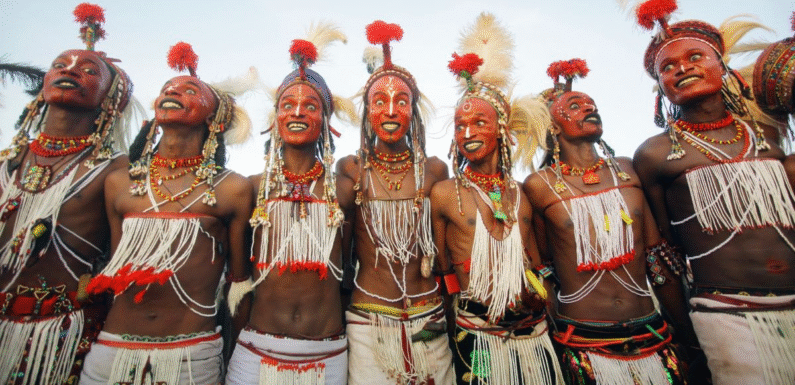
The Constitution of India has recognized tribal communities in India under ‘Schedule 5’ of the constitution. Hence the tribes recognized by the Constitution are known as ‘Scheduled Tribes’. A list of selected indigenous tribes has been shared below. Please note, this list comprises of the names of the tribes asked in different examinations and not a comprehensive list.
State Major Tribes
Assam Karbi, Chakma, Dimasa, Gangte, Garos, Hajong
Bihar Asur, Birhor, Birjia, Chero, Parhaiya, Savar, Kharwar, Tharu
Madhya Pradesh Gonds, Baigas, Saharias
Odisha Santhals, Bondas, Bhuyans, Juangs
Rajasthan Garasias, Meenas
Gujarat Rathwas, Naikdas, Siddis
Chhattisgarh Gonds, Baigas, Halbas, Abujh Marias
Himachal Pradesh Swangal, Gujjars, Lahaulas, Khas, Pangwala, Lamba, Gaddis
Jharkhand Santhals, Mundas, Oraons, Asurs
Maharashtra Katkaris, Warlis, Korku
Andhra Pradesh Chenchus, Konda Reddis, Savaras
Tamil Nadu Toda, Kotas, Irulas
Nagaland Angami, Aos, Chakesangs, Konyak
Arunachal Pradesh Apatanis, Adis, Galos, Khamtis, Mishmi
Andaman & Nicobar Great Andamanese, Jarawas, Sentinalese, Onge, Sompen
Kerala Kadar, Kurichiyas, Koragas, Irulas, Moplahs
UP Bhotia ( Not Bhutiya), Buksa, Tharu
Manipur- Meitei, Thadou, Aimol, Maram, Paite, Chiru, Purum, Kuki, Monsang, Angami
Meghalaya Hajong, Angami
J& K Balti, Garra, Sippi, Bakarwal, Mon, Gaddi, Purigpa, Beda
The total population of Scheduled Tribes is 10.43 crore as per the Census 2011 which accounts for 8.6% of the total population of the country. The share of the Scheduled Tribe population in urban areas is a meagre 2.8%.
Madhya Pradesh has the largest tribal population (15.3 million or 21% of the total population) based on numbers, and Lakshadweep among all states and UTs has the highest tribal population (94.8%) compared to its total population. Among the states, Mizoram has the highest tribal population (94.4%)
The Bhils are the largest tribe in India with nearly 46 lakh (4.6 million) members, while the Andamanese tribe is the smallest with only 19 members.
Bhils Tribe:
Largest tribe in India
Celebrate Ghoomar dance, Bhagoria Mela, Than Gair-a dance drama, and Baneshwar Fair
Gonds Tribe:
Second biggest tribe in India
Celebrate Keslapur Jathra and Madai festivals
Toto Tribe:
Found in Totapara village in the Alipurduar district of West Bengal.
Language has no script and is influenced by Nepali and Bengali.
Believe in God Ishpa and Goddess Cheima, though they proclaim to be Hindus.
Angami Tribe:
Found in the district of Kohima in Nagaland.
Men dress in white Mhoushu and black Lohe, and women wear Mechala and ornaments of beads, mask pendants, bracelets, etc.
Best known for the Hornbill Festival, which attracts crowds from various parts of the world.
Hornbill Festival starts on December 1 and goes on for ten days, with 17 tribes taking part.
Koyank Tribe:
Nagaland
Only ‘Head Hunting Tribe’.
Bhutia Tribe:
Celebrate Losar festival
Festivals include Bizu, Alphaloni, Buddha Purnima, and Kathin Civar Dan
Khasi Tribe:
Major festival is Nongkrem festival, five days long when women wear Jainsem dress and men wear Jymphong
Garo Tribe:
Festival of Wangala is their celebration
No major festival mentioned
Warli Tribe:
Found in Maharashtra-Gujarat border and surrounding areas
Conduct Tarpa dance and Warli Folk Art Dancing People Festival
Chenchu Tribe:
Indigenous to Andhra Pradesh and inhabits forests of Nallamala Hills
Apatani Tribes (or Tanni):
Found in the Ziro valley in Arunachal Pradesh
Celebrate major festivals like Dree and Myoko
UNESCO has proposed the Apatani valley for inclusion as a World Heritage Site.
Siddis Tribe
Descended from Bantu people of Southeast Africa
Brought in as slaves by the Portuguese
Found in various parts of Karnataka
Kodava Tribe
Concentrated in Coorg, Karnataka
Passionate about hockey
Only people in India permitted to carry firearms without a license
Koragas
Distribution: Karnataka and Kerala
Traditionally lived in structures made of leaves, called koppus
Subjected to inhuman practice of Ajalu, banned in 2000.
“Ajalu practice” refers to discriminatory and dehumanizing acts targeting the Koraga community in parts of Karnataka, India. These acts include differentiating them from other communities, treating them as inferior, mixing inedible substances in their food, and making them run like animals. The Karnataka Koragas (Prohibition of Ajalu Practice) Act, 2000, specifically aims to prevent and punish such practices
Toda Tribe
Found in parts of the Nilgiris mountain in Tamil Nadu
Toda embroidery work, Pukhoor, is well acclaimed
Irular Tribe
Inhabits areas of the Nilgiri mountain in Tamil Nadu and Kerala
Ritualistic, believe in their own Gods, and are known for their skills in black magic
Kattunayakan (King of Jungle)
Distribution: Kerala, Tamil Nadu, Andhra Pradesh, and Karnataka
Also called Cholanaickar and Pathinaickars.
Great Andamanese tribe:
Based in the ‘Strait Island’ of Andaman and Nicobar Islands.
Speak Jeru dialect among themselves.
Population stands at 51 as per the last study carried out by Andaman Adim Janjati Vikas Samiti in 2012.
Onges:
Semi-nomadic and fully dependent on hunting and gathering for food.
Speak the Önge language, one of two known Ongan languages.
Decline in population due to changes in food habits from contact with outside world.
Infant and child mortality rate is around 40%.
Jarawa Tribe:
Madhumala Chattopadhyay, an anthropologist, was the first woman to establish friendly contact with the Jarawa tribe of the Andaman Islands.
Tourists banned from taking the trunk road passing through Jarawa area in 2013
Supreme Court reversed interim order in 2013, allowing the road to be fully re-opened with vehicles traveling in large convoys four times a day.
Denotified tribes
Denotified tribes (DNTs) are communities once considered “criminal tribes” by the British colonial government in India.
The Criminal Tribes Act of 1871 labelled certain communities as “habitually criminal” and subjected them to strict state control and surveillance.
After India’s independence in 1947, the Act was repealed, and these communities were “denotified” or removed from the list of criminal tribes.
PVTGs (Particularly Vulnerable Tribal Groups) are a category of tribal groups in India who are considered more vulnerable due to their declining or stagnant population, low level of literacy, pre-agricultural level of technology, and economic backwardness.
Out of total 705 recognized scheduled tribes in India, there are 75 PVTGs identified by the Ministry of Home Affairs, spread over 18 states and one Union Territory(Dhebar Commission recommended)
Some Interesting Facts
- The Gaddi tribe is one of the very few tribes of India that live like gypsies.
- The Kurumba tribe of the Nilgiris is believed to be descendants of the 7th Century Pallavas
- Gowdas of Goa practise Hinduism and Christianity together.
- The Sansi Tribe of Punjab is called ‘criminal’ tribe.
- The word Bishnoi means 29. It contains twenty Hindu and nine Muslim principles and has reverence for nature as the main objective.
