


The United Nations is an international organization founded in 1945 after the Second World War by 51 countries committed to maintaining international peace and security, developing friendly relations among nations and promoting social progress, better living standards and human rights.
Despite the problems encountered by the League of Nations in arbitrating conflict and ensuring international peace and security prior to World War II, the major Allied powers agreed during the war to establish a new global organization to help manage international affairs. This agreement was first articulated when U.S. President Franklin D. Roosevelt and British Prime Minister Winston Churchill signed the Atlantic Charter in August 1941. The name United Nations was originally used to denote the countries allied against Germany, Italy, and Japan. On January 1, 1942, 26 countries signed the Declaration by United Nations, which set forth the war aims of the Allied powers.
As the Second World War raged, the leaders of the United Kingdom, China, the United States and the Soviet Union, under intense pressure from the press and public, discussed the details of a post-war organization. In 1944 representatives meeting at Dumbarton Oaks in Washington, DC, prepared a blueprint for an international organization. Towards the end of the war representatives of 50 countries gathered in San Francisco between April and June 1945 to hammer out the final text that would lay the foundations of international cooperation. This was the Charter of the United Nations, signed on 26 June by 50 countries. Poland, the 51st country, was not able to send a representative to the San Francisco conference but is considered an original member.
Purposes of the United Nations
Due to its unique international character, and the powers vested in its founding Charter, the Organization can take action on a wide range of issues, and provide a forum for its Member States to express their views.
The UN has 4 main purposes
- To keep peace throughout the world;
- To develop friendly relations among nations;
- To help nations work together to improve the lives of poor people, to conquer hunger, disease and illiteracy, and to encourage respect for each other’s rights and freedoms;
- To be a centre for harmonizing the actions of nations to achieve these goals.
Structure and Organization of the United Nations The Charter established six principal organs of the United Nations: the General Assembly, the Security Council, the Economic and Social Council, the Trusteeship Council, the International Court of Justice, and the Secretariat. The United Nations family, however, is much larger, encompassing 15 agencies and several programmes and bodies
General Assembly
The General Assembly is the main deliberative organ of the UN and is composed of representatives of all Member States. The work of the United Nations year-round derives largely from the mandates given by the General Assembly. Comprising all Member States of the United Nations, it provides a unique forum for multilateral discussion of the full spectrum of international issues covered by the Charter. The General Assembly is the main deliberative, policymaking and representative organ of the UN. All 193 Member States of the UN are represented in the General Assembly, making it the only UN body with universal representation. Each year, in September, the full UN membership meets in the General Assembly Hall in New York for the annual General Assembly session, and general debate, which many heads of state attend and address. Decisions on important questions, such as those on peace and security, admission of new members and budgetary matters, require a two-thirds majority of the General Assembly. Decisions on other questions are by simple majority. The General Assembly, each year, elects a GA President to serve a one-year term of office.
Security Council
The Security Council has primary responsibility, under the UN Charter, for the maintenance of international peace and security. The Council is composed of five permanent members – China, France, Russian Federation, the United Kingdom and the United States – and ten non-permanent members. The non-permanent members are elected by the General Assembly for two-year terms. Each Council member has one vote. Decisions on procedural matters are made by an affirmative vote of at least nine of the 15 members. Decisions on substantive matters require nine votes, including the concurring votes of all five permanent members. This rule is often referred to as the “veto” power. A reform of the Security Council, including its membership, is under consideration.
Since its first meeting, the Security Council has taken permanent residence at the United Nations Headquarters in New York City.
Economic and Social Council
The Economic and Social Council (ECOSOC) is the principal organ to coordinate the economic, social and related work of the United Nations and the specialized agencies and institutions. Voting in the Council is by simple majority; each member has one vote. The United Nations Economic and Social Council (ECOSOC) is headquartered in New York City
International Court of Justice
The International Court of Justice, located at the Hague in the Netherlands, is the principal judicial organ of the United Nations. It settles legal disputes between States and gives advisory opinions to the UN and its specialized agencies. Its Statute is an integral part of the United Nations Charter.
Trusteeship Council
The Trusteeship Council was established in 1945 by the UN Charter to provide international supervision for 11 Trust Territories placed under the administration of 7 Member States, and ensure that adequate steps were taken to prepare the Territories for self-government and independence. By 1994, all Trust Territories had attained self-government or independence. Its work completed, the Council has amended its rules of procedure to meet as and where occasion may require.
Secretariat
The Secretariat – an international staff working in duty stations around the world – carries out the diverse day-to-day work of the Organization. It services the other principal organs of the United Nations and administers the programmes and policies laid down by them.
At its head is the Secretary-General, who is appointed by the General Assembly on the recommendation of the Security Council for a five-year, renewable term. The Secretary-General is a symbol of United Nations ideals and a spokesman for the interests of the world’s peoples, in particular the poor and vulnerable among them.
The duties carried out by the Secretariat are as varied as the problems dealt with by the United Nations. These range from administering peacekeeping operations to mediating international disputes, from surveying economic and social trends and problems to preparing studies on human rights and sustainable development. Secretariat staff also inform the world’s communications media about the work of the United Nations; organize international conferences on issues of worldwide concern; and interpret speeches and translate documents into the Organization’s official languages.
As international civil servants, staff members and the Secretary-General answer to the United Nations alone for their activities, and take an oath not to seek or receive instructions from any Government or outside authority. Under the Charter, each Member State undertakes to respect the exclusively international character of the responsibilities of the Secretary-General and the staff and to refrain from seeking to influence them improperly in the discharge of their duties.
The United Nations, while headquartered in New York, maintains a significant presence in Addis Ababa, Bangkok, Beirut, Geneva, Nairobi, Santiago and Vienna, and has offices all over the world. Currently, the United Nations has 193 Member States.

How does a country become a Member of the United Nations?
Membership in the United Nations, in accordance with the Charter, “is open to all peace-loving States that accept the obligations contained in the United Nations Charter and, in the judgment of the Organization, are able to carry out these obligations”. The recognition of a new State or Government is an act that only other States and Governments may grant or withhold. It generally implies readiness to assume diplomatic relations. The United Nations is neither a State nor a Government, and therefore does not possess any authority to recognize either a State or a Government. As an organization of independent States, it may admit a new State to its membership or accept the credentials of the representatives of a new Government.
States are admitted to membership in the United Nations by decision of the General Assembly upon the recommendation of the Security Council. The procedure is briefly as follows:
- The State submits an application to the Secretary-General and a letter formally stating that it accepts the obligations under the Charter.
- The Security Council considers the application. Any recommendation for admission must receive the affirmative votes of 9 of the 15 members of the Council, provided that none of its five permanent members have voted against the application.
- If the Council recommends admission, the recommendation is presented to the General Assembly for consideration. A two-thirds majority vote is necessary in the Assembly for admission of a new State.
- Membership becomes effective the date the resolution for admission is adopted.
Funding
The UN budget for 2024 was $3.59 billion, not including additional resources donated by members, such as peacekeeping forces. Including specialized agencies of the UN, the UN System Chief Executives Board for Coordination reports total expenses of $67.4 billion in 2022 for 43 United Nations entities.
The UN is financed from assessed and voluntary contributions from its member states. The General Assembly approves the regular budget and determines the assessment for each member. This is broadly based on the relative capacity of each nation to pay, as measured by its gross national income (or GNI), with adjustments for external debt and low per capita income.

The Assembly has established the principle that the UN should not be unduly dependent on any one member to finance its operations. Thus, there is a “ceiling” rate, setting the maximum amount that any member can be assessed for the regular budget. In December 2000, the Assembly revised the scale of assessments in response to pressure from the United States. As part of that revision, the regular budget ceiling was reduced from 25% to 22%. For the least developed countries (or LDCs), a ceiling rate of 0.01% is applied. In addition to the ceiling rates, the minimum amount assessed to any member nation (or “floor” rate) is set at 0.001% of the UN budget ($31,000 for the two-year budget 2021–2022).
A large share of the UN’s expenditure addresses its core mission of peace and security, and this budget is assessed separately from the main organizational budget. The peacekeeping budget for the 2021–2022 fiscal year is $6.38 billion, supporting 66,839 personnel deployed in 12 missions worldwide. UN peace operations are funded by assessments, using a formula derived from the regular funding scale that includes a weighted surcharge for the five permanent Security Council members, who must approve all peacekeeping operations. This surcharge serves to offset discounted peacekeeping assessment rates for less developed countries. The largest contributors to the UN peacekeeping budget for 2023–2024 are: the United States (26.94%), China (18.68%), Japan (8.03%), Germany (6.11%), the United Kingdom (5.35%), France (5.28%), Italy (3.18%), Canada (2.62%), South Korea (2.57%) and Russia (2.28%).
Special UN programmes not included in the regular budget, such as UNICEF and the World Food Programme, are financed by voluntary contributions from member governments, corporations, and private individuals.
Awards
A number of agencies and individuals associated with the UN have won the Nobel Peace Prize in recognition of their works. Two secretaries-general, Dag Hammarskjöld and Kofi Annan, were each awarded the prize; as were Ralph Bunche, a UN negotiator, René Cassin, a contributor to the Universal Declaration of Human Rights, and the American Secretary of State Cordell Hull for his role in the organization’s founding. Lester B. Pearson, the Canadian Secretary of State for External Affairs, was awarded the prize in 1957 for his role in organizing the UN’s first peacekeeping force to resolve the Suez Crisis.
UNICEF won the prize in 1965, the International Labour Organization in 1969, the UN Peacekeeping Forces in 1988, the International Atomic Energy Agency (which reports to the UN) in 2005, and the UN-supported Organisation for the Prohibition of Chemical Weapons in 2013. The UN High Commissioner for Refugees was awarded the prize in 1954 and 1981, becoming one of only two recipients to win the prize twice. The UN as a whole was awarded the prize in 2001, sharing it with Annan. In 2007, the IPCC received the prize “for their efforts to build up and disseminate greater knowledge about man-made climate change, and to lay the foundations for the measures that are needed to counteract such change.
UN Programs
UNDP
Headquarters: New York City, USA
The United Nations Development Programme (UNDP) works in nearly 170 countries and territories, helping to eradicate poverty, reduce inequalities and build resilience so countries can sustain progress. As the UN’s development agency, UNDP plays a critical role in helping countries achieve the Sustainable Development Goals.
UNEP
Headquarters: Nairobi, Kenya
The United Nations Environment Programme (UNEP) established in 1972, is the voice for the environment within the United Nations system. UNEP acts as a catalyst, advocate, educator and facilitator to promote the wise use and sustainable development of the global environment.
UNFPA
Headquarters: New York City, USA
The United Nations Population Fund (UNFPA) is the lead UN agency for delivering a world where every pregnancy is wanted, every birth is safe, and every young person’s potential is fulfilled.
UN-HABITAT
Headquarters: Nairobi, Kenya
The mission of the United Nations Human Settlements Programme (UN-HABITAT) is to promote socially and environmentally sustainable human settlements development and the achievement of adequate shelter for all.
UNICEF
Headquarters: New York City, USA
The United Nations Children’s Fund (UNICEF) works in 190 countries and territories to save children’s lives, to defend their rights, and to help them fulfil their potential, from early childhood through adolescence.
WFP
Headquarters: Rome, Italy
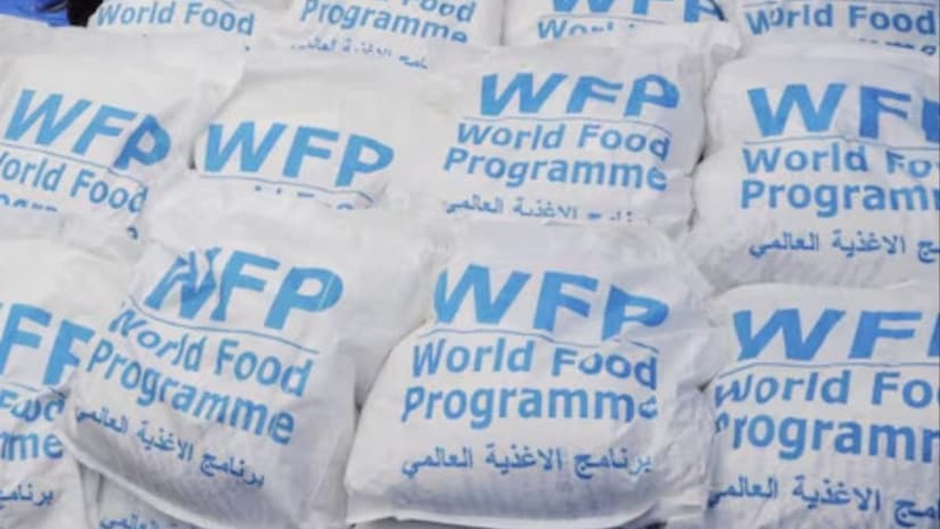
The World Food Programme aims to eradicate hunger and malnutrition. The world’s largest humanitarian agency, WFP helps almost 100 million people in approximately 88 countries with assistance every year through food or cash distributions and more. The World Food Programme was awarded the Nobel Peace Prize in 2020.
UN Specialized Agencies
The UN specialized agencies are autonomous international organizations working with the United Nations. All were brought into relationship with the UN through negotiated agreements. Some existed before the First World War. Some were associated with the League of Nations. Others were created almost simultaneously with the UN or later.
FAO
Headquarters: Rome, Italy
The Food and Agriculture Organization leads international efforts to fight hunger. It is both a forum for negotiating agreements between developing and developed countries and a source of technical knowledge and information to aid development.
ICAO
Headquarters: Montreal, Canada
The International Civil Aviation Organization develops standards for global air transport and assists its 192 Member States in sharing the world’s skies to their socio-economic benefit.
IFAD
Headquarters: Rome, Italy
The International Fund for Agricultural Development, since it was created in 1977, has focused exclusively on rural poverty reduction, working with poor rural populations in developing countries to eliminate poverty, hunger and malnutrition; raise their productivity and incomes; and improve the quality of their lives.
ILO
Headquarters: Geneva, Switzerland
The International Labour Organization promotes international labour rights by formulating international standards on the freedom to associate, collective bargaining, the abolition of forced labour, and equality of opportunity and treatment.
IMF
Headquarters: Washington, DC, USA
The International Monetary Fund fosters economic growth and employment by providing temporary financial assistance to countries to help ease balance of payments adjustment and technical assistance. The IMF currently has $28 billion in outstanding loans to 74 nations.
IMO
Headquarters: London, United Kingdom
The International Maritime Organization has created a comprehensive shipping regulatory framework, addressing safety and environmental concerns, legal matters, technical cooperation, security, and efficiency.
ITU
Headquarters: Geneva, Switzerland
The International Telecommunication Union is the United Nations specialized agency for information and communication technologies. It is committed to connecting all the world’s people – wherever they live and whatever their means. Through our work, we protect and support everyone’s fundamental right to communication.
UNESCO
Headquarters: Paris, France
The United Nations Educational, Scientific and Cultural Organization focuses on everything from teacher training to helping improve education worldwide to protecting important historical and cultural sites around the world.
UNIDO
Headquarters: Vienna, Austria
The United Nations Industrial Development Organization is the specialized agency of the United Nations that promotes industrial development for poverty reduction, inclusive globalization and environmental sustainability.
UN Tourism
Headquarters: Madrid, Spain
The World Tourism Organization is the United Nations agency responsible for the promotion of responsible, sustainable and universally accessible tourism.
UPU
Headquarters: Bern, Switzerland
The Universal Postal Union is the primary forum for cooperation between postal sector players. It helps to ensure a truly universal network of up-to-date products and services.
WHO
Headquarters: Geneva, Switzerland
The World Health Organization is the directing and coordinating authority on international health within the United Nations system. The objective of WHO is the attainment by all peoples of the highest possible level of health. Health, as defined in the WHO Constitution, is a state of complete physical, mental and social well-being and not merely the absence of disease or infirmity.
WIPO
Headquarters: Geneva, Switzerland
The World Intellectual Property Organization protects intellectual property throughout the world through 23 international treaties.
WMO
Headquarters: Geneva, Switzerland
The World Meteorological Organization facilitates the free international exchange of meteorological data and information and the furtherance of its use in aviation, shipping, security, and agriculture, among other things.
World Bank
Headquarters: Washington, DC, USA
The World Bank focuses on poverty reduction and the improvement of living standards worldwide by providing low-interest loans, interest-free credit, and grants to developing countries for education, health, infrastructure, and communications, among other things. The World Bank works in over 100 countries.
International Bank for Reconstruction and Development (IBRD)
International Centre for Settlement of Investment Disputes (ICSID)*
International Development Association (IDA)
International Finance Corporation (IFC)
Multilateral Investment Guarantee Agency (MIGA)*
* International Centre for Settlement of Investment Disputes (ICSID) and Multilateral Investment Guarantee Agency (MIGA) are not specialized agencies in accordance with Articles 57 and 63 of the Charter, but are part of the World Bank Group.
Other Entities and Bodies
UNAIDS
Headquarters: Geneva, Switzerland
The Joint United Nations Programme on HIV/AIDS (UNAIDS) leads and inspires the world to achieve its shared vision of zero new HIV infections, zero discrimination and zero AIDS-related deaths. UNAIDS unites the efforts of 11 UN organizations—UNHCR, UNICEF, WFP, UNDP, UNFPA, UNODC, UN Women, ILO, UNESCO, WHO and the World Bank—and works closely with global and national partners towards ending the AIDS epidemic by 2030 as part of the Sustainable Development Goals.
UNHCR
Headquarters: Geneva, Switzerland
The United Nations High Commissioner for Refugees – UNHCR protects refugees worldwide and facilitates their return home or resettlement.
UNIDIR
Headquarters: Geneva, Switzerland
The United Nations Institute for Disarmament Research is a voluntarily funded autonomous institute within the United Nations. An impartial actor, the Institute generates ideas and promotes action on disarmament and security. UNIDIR brings together states, international organizations, civil society, the private sector and academia to work together—internationally, regionally and locally—to build and implement creative solutions that will benefit all states and peoples.
UNITAR
Headquarters: Geneva, Switzerland
An autonomous UN body established in 1963, the United Nations Institute for Training and Research is a training arm of the United Nations System, and has the mandate to enhance the effectiveness of the UN through diplomatic training, and to increase the impact of national actions through public awareness-raising, education and training of public policy officials.
UNOPS
Headquarters: Copenhagen, Denmark
The mission of the United Nations Office for Project Services is to help people build better lives and help countries achieve peace and sustainable development. UNOPS helps the UN, governments and other partners to manage projects, and deliver sustainable infrastructure and procurement in an efficient way.
CTBTO
Headquarters: Vienna, Austria
The Preparatory Commission for the Comprehensive Nuclear-Test-Ban Treaty Organization promotes the Comprehensive Nuclear-Test-Ban Treaty (which is not yet in force) and the build-up of the verification regime so that it is operational when the Treaty enters into force.
IAEA
Headquarters: Vienna, Austria
The International Atomic Energy Agency, is the world’s centre for cooperation in the nuclear field. The Agency works with its Member States and multiple partners worldwide to promote the safe, secure and peaceful use of nuclear technologies.
ICC
Headquarters: The Hague, Netherlands
The International Criminal Court investigates and, where warranted, tries individuals charged with the gravest crimes of concern to the international community: genocide, war crimes, crimes against humanity and the crime of aggression. As a court of last resort, it seeks to complement, not replace, national courts.
IOM
Headquarters: Geneva, Switzerland
The International Organization for Migration works to help ensure the orderly and humane management of migration, to promote international cooperation on migration issues, to assist in the search for practical solutions to migration problems and to provide humanitarian assistance to migrants in need, including refugees and internally displaced people.
OPCW
Headquarters: The Hague, Netherlands
The Organisation for the Prohibition of Chemical Weapons is the implementing body of the Chemical Weapons Convention (CWC), which entered into force in 1997. OPCW Member States work together to achieve a world free of chemical weapons.
UNFCCC
Headquarters: Bonn, Germany
The UNFCCC Secretariat (UN Climate Change) was established in 1992 when countries adopted the United Nations Framework Convention on Climate Change (UNFCCC). With the subsequent adoption of the Kyoto Protocol in 1997 and the Paris Agreement in 2015, Parties to these three agreements have progressively reaffirmed the Secretariat’s role as the United Nations entity tasked with supporting the global response to the threat of climate change.
WTO
Headquarters: Geneva, Switzerland
The World Trade Organization is a forum for governments to negotiate trade agreements, and a place where member governments try to sort out the trade problems, they face with each other.
ITC
Headquarters: Geneva, Switzerland
The International Trade Centre (ITC) is the only development agency that is fully dedicated to supporting the internationalization of small and medium-sized enterprises (SMEs). Established in 1964, the ITC is the joint agency of the World Trade Organization and the United Nations.
The work of the United Nations today
The work of the United Nations reaches every corner of the globe. Although best known for peacekeeping, peacebuilding, conflict prevention and humanitarian assistance, there are many other ways the United Nations and its System (specialized agencies, funds and programmes) affect our lives and make the world a better place. The Organization works on a broad range of fundamental issues, from sustainable development, environment and refugees protection, disaster relief, counter terrorism, disarmament and non-proliferation, to promoting democracy, human rights, gender equality and the advancement of women, governance, economic and social development and international health, clearing landmines, expanding food production, and more, in order to achieve its goals and coordinate efforts for a safer world for this and future generations.

Present Heads
António Guterres (Chair of CEB) Secretary-General of the United Nations
Qu Dongyu, Director-General, FAO
Gilbert F. Houngbo, Director-General, ILO
Audrey Azoulay, Director-General, UNESCO
Juan Carlos Salazar, Secretary-General, ICAO
Ajay Banga, President, World Bank Group
Kristalina Georgieva, Managing Director, IMF
Adhanom Ghebreyesus, Director-General, WHO
Celeste Saulo, Secretary-General, WMO
Arsenio Dominguez, Secretary-General, IMO
Daren Tang, Director-General, WIPO
Gerd Müller, Director-General, UNIDO
Rafael Mariano Grossi, Director-General, IAEA
Ngozi Okonjo-Iweala, Director-General, WTO
Rebeca Grynspan, Secretary-General, UNCTAD
Achim Steiner, Administrator, UNDP
Inger Andersen, Executive Director, UNEP
Filippo Grandi, High Commissioner, UNHCR
Catherine M. Russell, Executive Director, UNICEF
Challenges before the UN today.
The challenges are multifaceted. Climate change has reached an unforeseen peak. Polar ice meltdown, catastrophic storms, inundations, earthquakes have made millions of people homeless. Terrorism has shaken the very root of the whole world. The first year of the new millennium witnessed the horrifying incident of 9/11 attack on America. Even after 25 years, terrorism remains one of the principal concerns of the UN as evident in the statement of the UNSC after the heinous attacks on the civilians on the soil of J&K in India. The UNSC has “condemned in the strongest terms” the terrorist attack in Jammu and Kashmir, stressing that those responsible should be held accountable and the organisers and sponsors of this “reprehensible act of terrorism” should be brought to justice.
Preventing the spread of nuclear weapons and promoting disarmament are critical goals for the UN. The proliferation of nuclear technology and tensions between nuclear-armed states, such as the United States, Russia, and North Korea, present ongoing challenges to international security. Human Rights and Humanitarian Crises
The UN is tasked with promoting and protecting human rights worldwide. Humanitarian crises, such as those in Syria, Myanmar, and Venezuela, pose significant challenges to upholding human rights. Balancing the principles of sovereignty and the responsibility to protect is an ongoing debate within the UN system.
The 21st century has seen a significant increase in forced migration and refugee crises. Large-scale population-forced migration is a global calamity that calls for coordinated action from the international community under the direction of world leaders. A record-breaking number of migrants and refugees are crossing international boundaries to escape war, persecution, poverty, and other severe situations. Large-scale population relocation affects the social, economic, and political landscape in ways that go beyond casualties. The UN High Commissioner for Refugees (UNHCR) works to provide protection and assistance to displaced persons, but issues related to immigration policies, border control, and xenophobia have complicated efforts to address this challenge.
Political Divisions among Member States of the United Nations also remains a major concern for the UN. We have seen how the ongoing war between Russia and Ukraine has caused unimaginable sufferings to millions.
Global health concern is another area the UN has to battle with. We have seen how helpless the world felt during the Covid pandemic.
The need for UN reform is imperative to adapt to the evolving global landscape and to fulfil its mission of promoting international peace, security, and development effectively. This reform should be pursued to enhance the UN’s capacity to address current and future challenges while upholding the principles of equality, justice, and cooperation among nations. The world today is vastly different from what it was in 1945 when the UN was established. New global powers have emerged, and the geopolitical landscape has shifted dramatically. Reforming the UN’s decision-making structures, particularly the Security Council, is essential to reflect these changes and ensure equitable representation among nations. Ensuring that UN resources are allocated efficiently and transparently is essential. Reform should focus on optimising budgetary practices and eliminating waste to ensure that funds are directed toward programs that have a real impact on global development.
To get Saptarshi Sir’s guidance for English/Economy or for overall WBCS/ PSC Miscellaneous Main or other exam preparation, call or WhatsApp us @6295350330. Classes for PSC Miscellaneous Main have already started. WBCS New batch is also going on. You can also download our app for online guidance using the link
https://play.google.com/store/apps/details?id=co.penny.oecgd&pcampaignid=web_share
